Pool Lighting Buying Guide

Why Auckland trusts our pool service expertise
Choosing the right pool lighting comes down to matching the fitting to your existing setup, understanding the voltage and niche requirements, and knowing when the work needs a licensed electrician.
Here are the key points to keep in mind when buying or replacing pool lights in New Zealand.
What you'll learn
Why Pool Lighting Matters
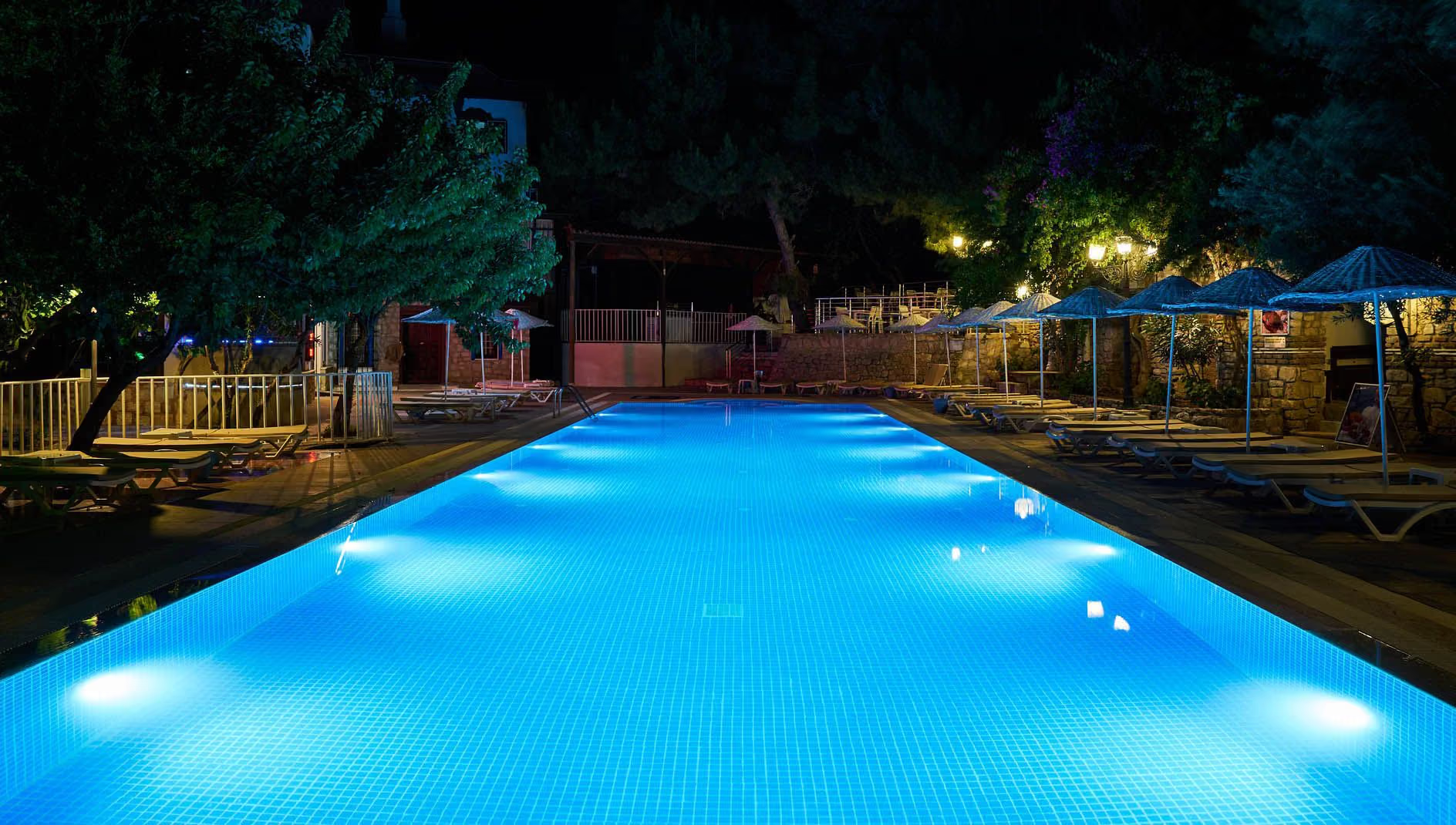
Good pool lighting extends the time you can use your pool safely after dark. It also adds to the overall look of your outdoor space. Whether you're replacing a faulty light or fitting out a new pool, choosing the right type of lighting makes a real difference to both function and appearance.
This guide covers the main types of pool lights available, the key factors to weigh up before buying, and what to keep in mind around installation.
---
Types of Pool Lighting
LED Pool Lights
LED lights are now the most common choice for residential pools. They use significantly less energy than older halogen fittings and last considerably longer. Most LED pool lights are available in single white or colour-changing options, with some models allowing you to cycle through colours or set a fixed tone.
LED lights run cooler than halogen, which reduces wear on the fitting and surrounding components. They're available in a range of sizes to suit most standard niche fittings.
Halogen Pool Lights
Halogen lights were the standard for many years and are still found in older pools across Auckland. They produce a bright, warm white light but draw more power and generate more heat than LEDs. Replacement globes are still available, but if your halogen fitting needs replacing entirely, most pool owners take the opportunity to upgrade to LED at the same time.
Fibre Optic Pool Lighting
Fibre optic systems use a remote light source (the illuminator) to send light through flexible fibres to points around or inside the pool. Because there is no electrical component at the water end, they're sometimes used where electrical installation is particularly complex. The illuminator unit sits outside the pool and is the component that requires maintenance and eventual replacement.
Fibre optic systems tend to be less bright than LED and are less common in standard residential pools, but they suit certain design applications.
Above-Water and Feature Lighting
Not all pool lighting sits underwater. Spotlights, strip lighting, and feature lights positioned around the pool deck, coping, or landscaping can complement in-pool lights and improve visibility around the pool area at night. These are generally standard outdoor electrical fittings rather than pool-rated equipment, but placement still needs to account for splash zones and safety requirements.
---
Key Factors to Consider Before Buying
Voltage: 12V vs 240V
Pool lights in New Zealand operate at either 12 volts (low voltage, via a transformer) or 240 volts (mains voltage). Most modern residential pool lights are 12V, which is the safer and more common option for in-pool use.
If you're replacing an existing light, the voltage of the new fitting needs to match your current setup, or the wiring and transformer need to be changed at the same time. This is work for a licensed electrician.
Niche Size and Compatibility
The niche is the housing built into the pool wall that holds the light fitting. Niches come in different sizes, and not every light fits every niche. Before purchasing a replacement light, check the niche size and the brand or model of your existing fitting if possible. Some LED retrofit kits are designed to fit into existing halogen niches without requiring the niche itself to be replaced, this can simplify the job considerably.
Colour Options
Single-colour white LED lights are straightforward and suit most pools. Colour-changing LED lights (often called RGB or multi-colour) allow you to adjust the mood of the pool at night. If you have multiple lights in one pool, it's worth choosing fittings from the same range so the colours synchronise properly.
Brightness and Beam Angle
The size of your pool affects how many lights you need and how bright each one should be. A larger pool may need multiple fittings to light the water evenly. Beam angle determines how wide the light spreads, a wider angle suits shallower pools, while a narrower angle may be better for deeper water.
IP and Underwater Rating
Pool lights must be rated for submersion. Look for fittings with an appropriate IP (Ingress Protection) rating for underwater use. Reputable pool light products will clearly state their submersion depth rating. Don't use a fitting that isn't rated for the depth at which it will be installed.
Energy Efficiency
If you run your pool lights regularly, energy consumption adds up. LED lights draw a fraction of the power of halogen equivalents for similar light output. Checking the wattage before purchasing is worthwhile, particularly if you're replacing multiple fittings.
---
Installation: What You Can and Can't Do Yourself
What Homeowners Can Typically Do
In some cases, swapping a light globe or replacing a light fitting within an existing niche, where the wiring is already in place and no new electrical work is required, may be straightforward. However, this depends on the specific fitting, the pool type, and whether the pool needs to be drained to access the niche.
Always isolate the power to the pool light circuit before doing any work near the fitting, and confirm the power is off before touching any component.
What Requires a Licensed Electrician
Any work involving new wiring, moving or replacing a transformer, installing a new niche, or connecting to the mains supply must be carried out by a licensed electrician in New Zealand. This is a legal requirement, not just a recommendation.
If you're unsure whether your planned work crosses into licensed electrical territory, treat it as though it does and get a professional involved. Pool electrical faults are serious, water and electricity are a dangerous combination.
When to Involve a Pool Specialist
If the niche itself is damaged, if water is getting into the fitting, or if the light has failed repeatedly in a short period, there may be an underlying issue beyond the globe or fitting. A pool specialist can assess whether the niche seal is intact, whether the conduit is clear, and whether the installation is up to standard.
---
Common Mistakes to Avoid
- Buying the wrong niche size. Measure or check the existing fitting before ordering a replacement.
- Mixing light brands across a multi-light pool. Colour synchronisation rarely works well across different brands.
- Ignoring a flickering or intermittent light. This can indicate a wiring issue or water ingress, worth investigating promptly.
- Assuming all LED retrofits are plug-and-play. Some require transformer upgrades or wiring changes.
- Skipping the IP rating check. A fitting not rated for submersion will fail quickly and may create a safety hazard.
---
Maintaining Your Pool Lights
Pool lights generally require little day-to-day maintenance. Keep the following in mind:
- Check the lens and seal periodically for signs of discolouration, cracking, or water ingress inside the fitting.
- Clean the lens if algae or scale builds up on the surface, this reduces light output over time.
- Test the lights regularly so you notice a failure promptly rather than discovering it when you need them.
- Have a technician inspect the wiring and transformer as part of a broader pool service if the system is more than several years old.
---
Getting Help in Auckland
Sparkling Pools has been servicing pools across Auckland since 1992. If you're unsure which light suits your pool, whether a fitting is compatible with your existing niche, or if you've noticed a problem with your current pool lighting, the team can help assess the situation and point you in the right direction.
Pool resurfacing solutions
Restore your pool with durable plaster finishes


Work completed
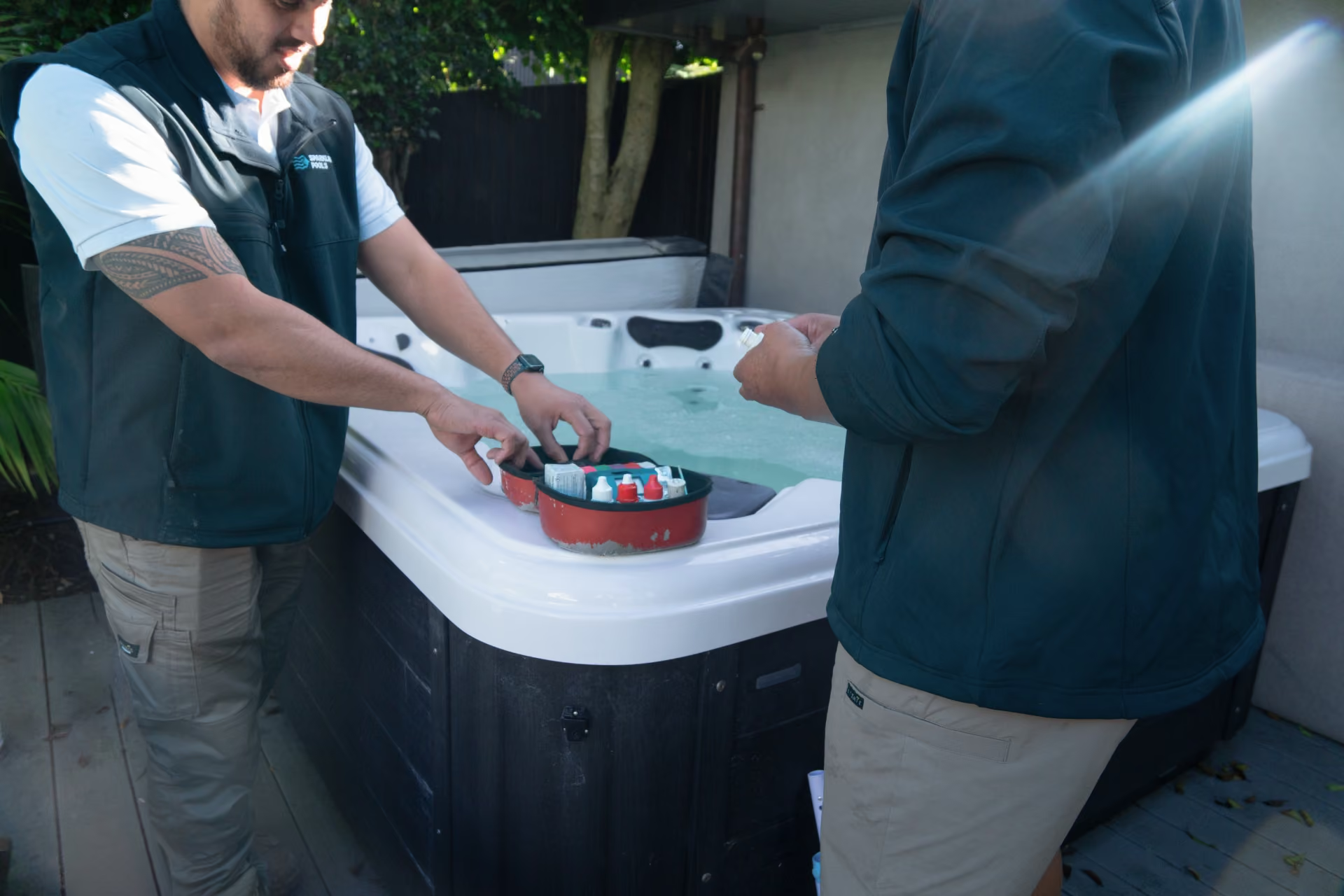
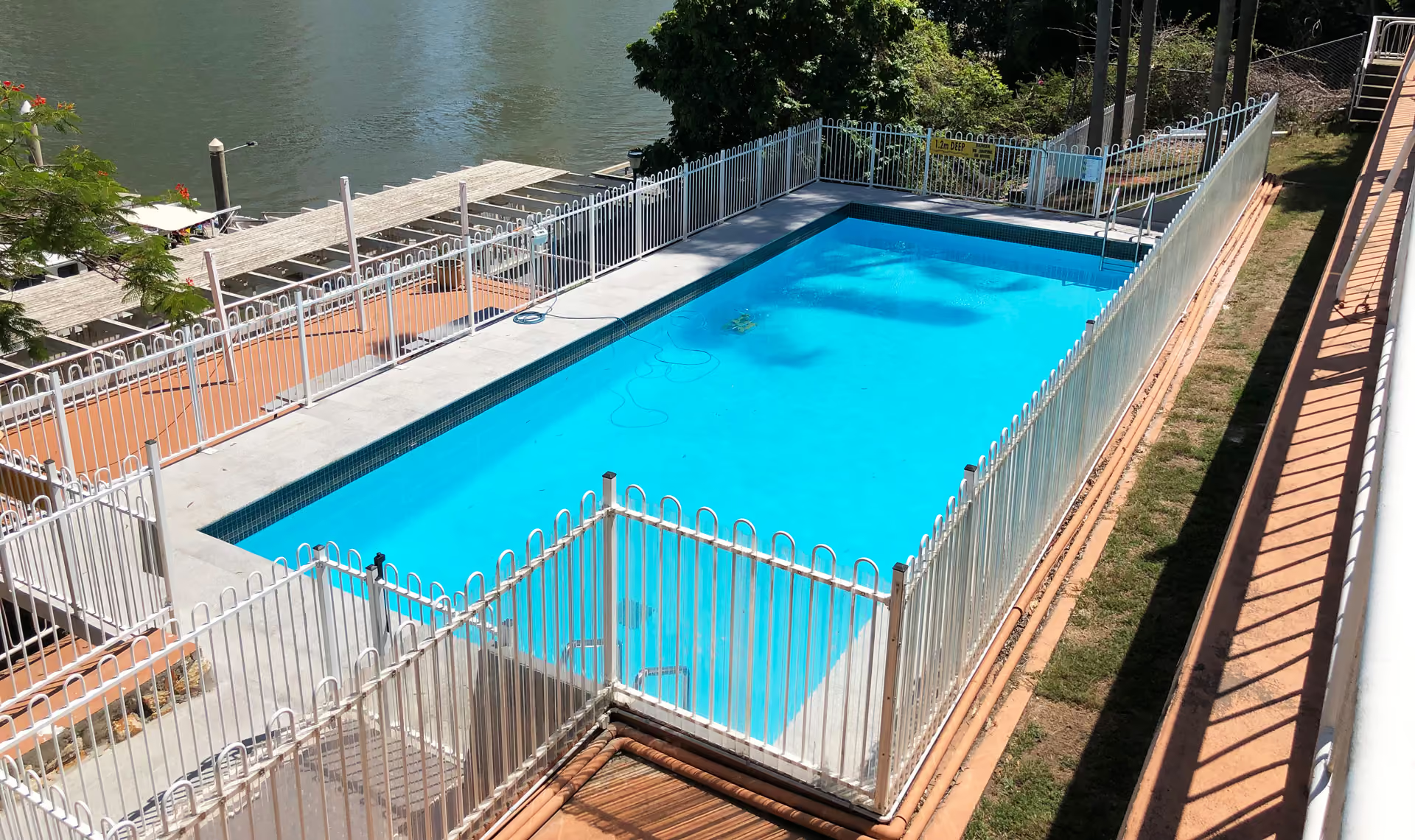
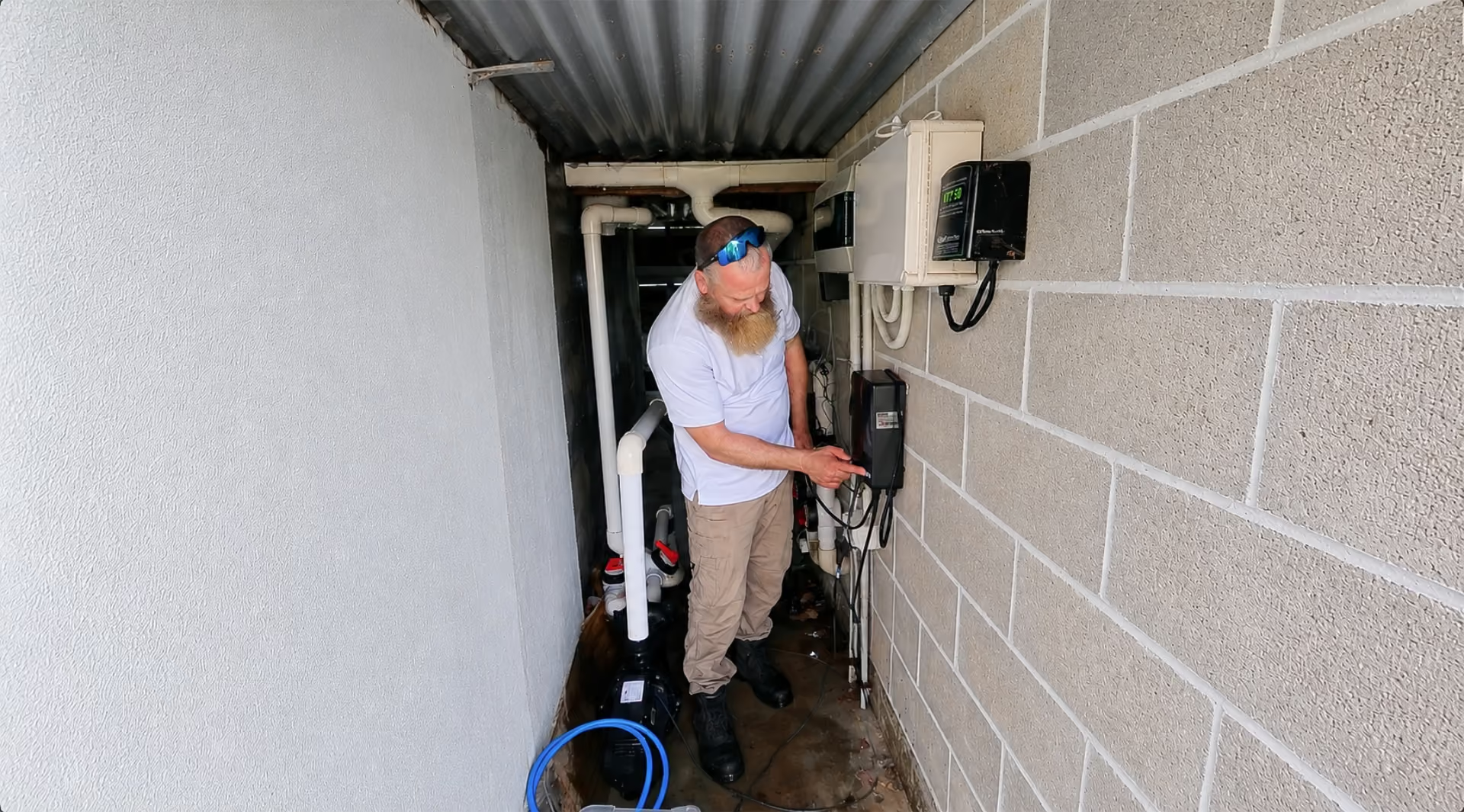
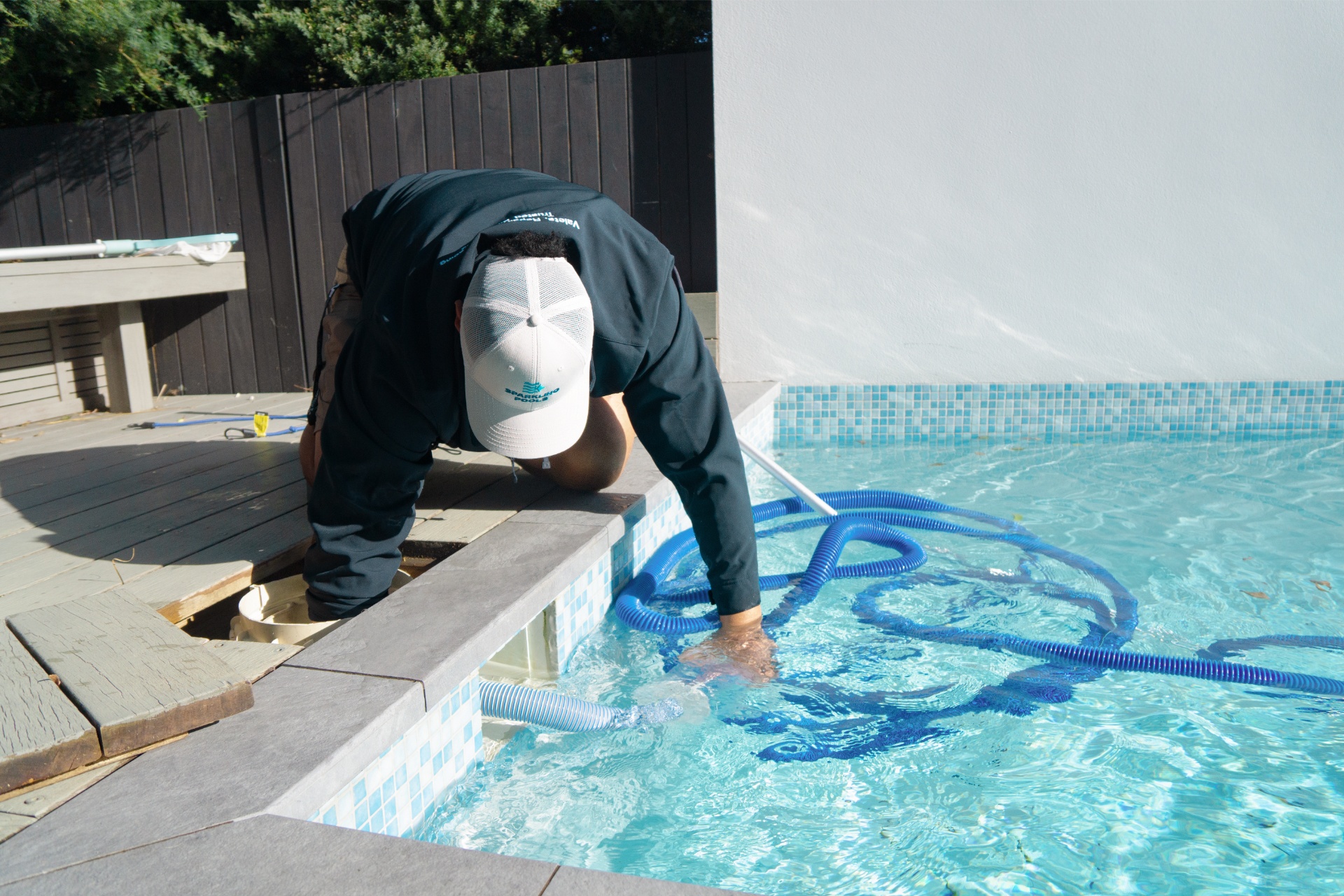
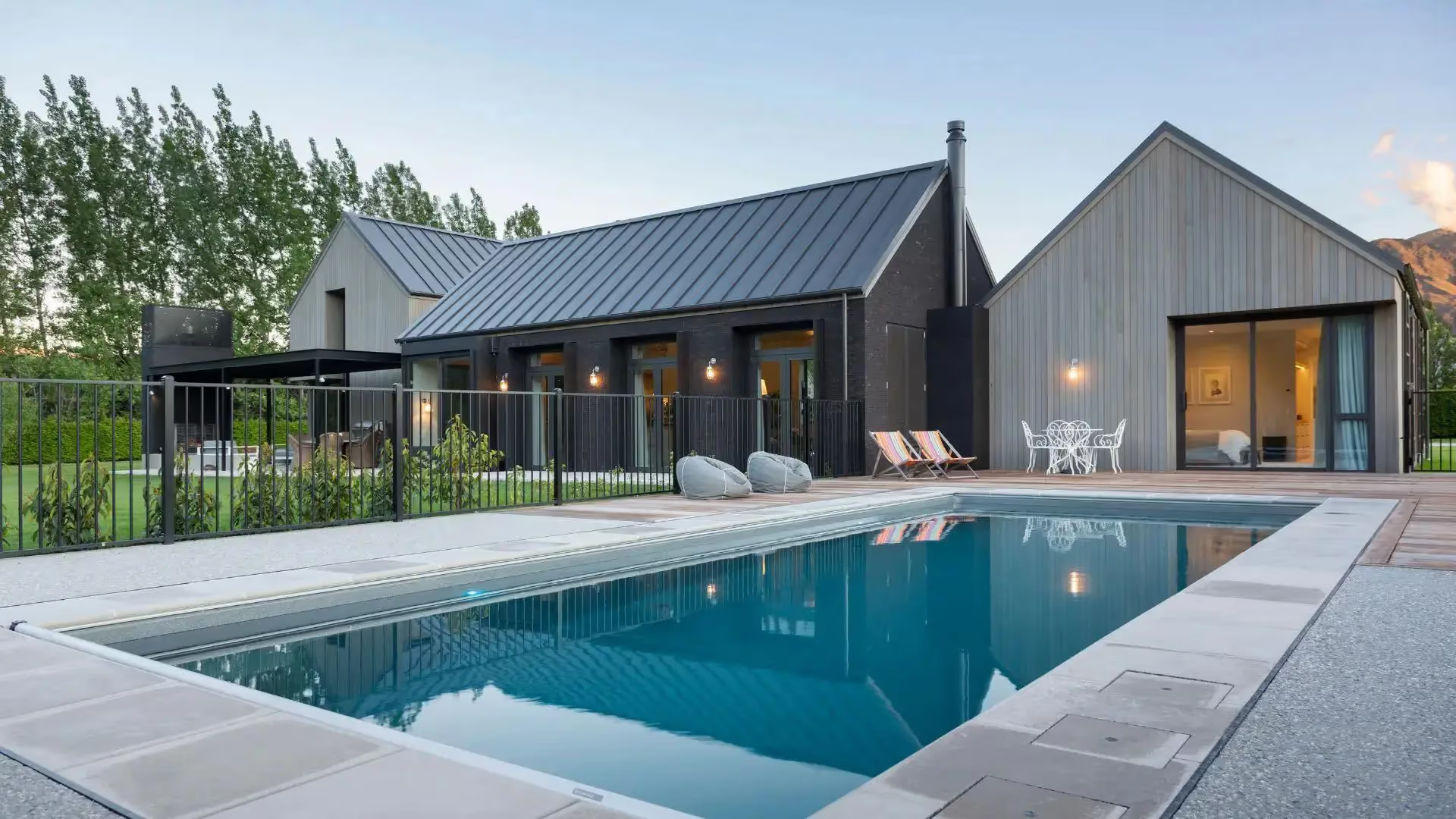
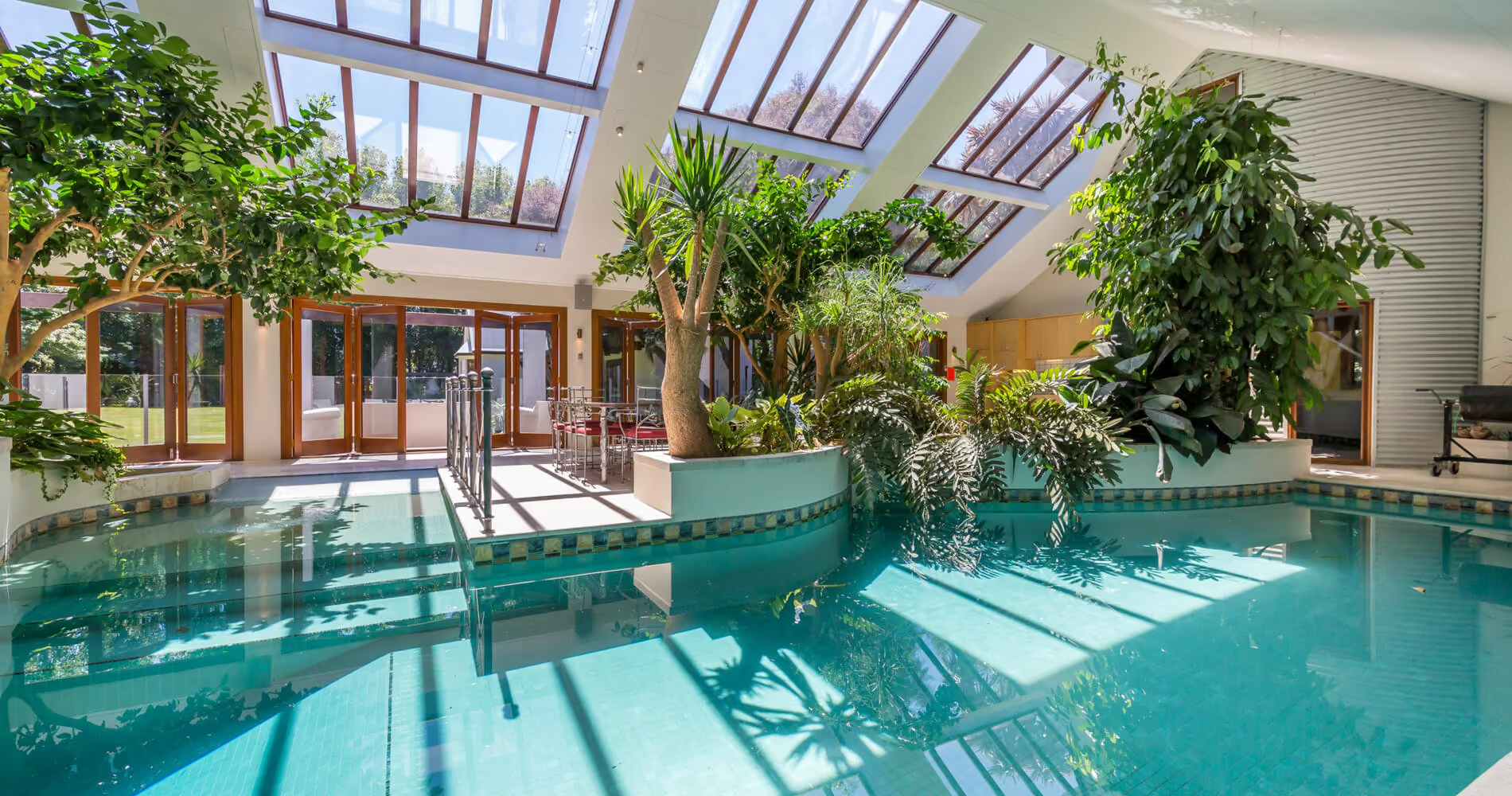
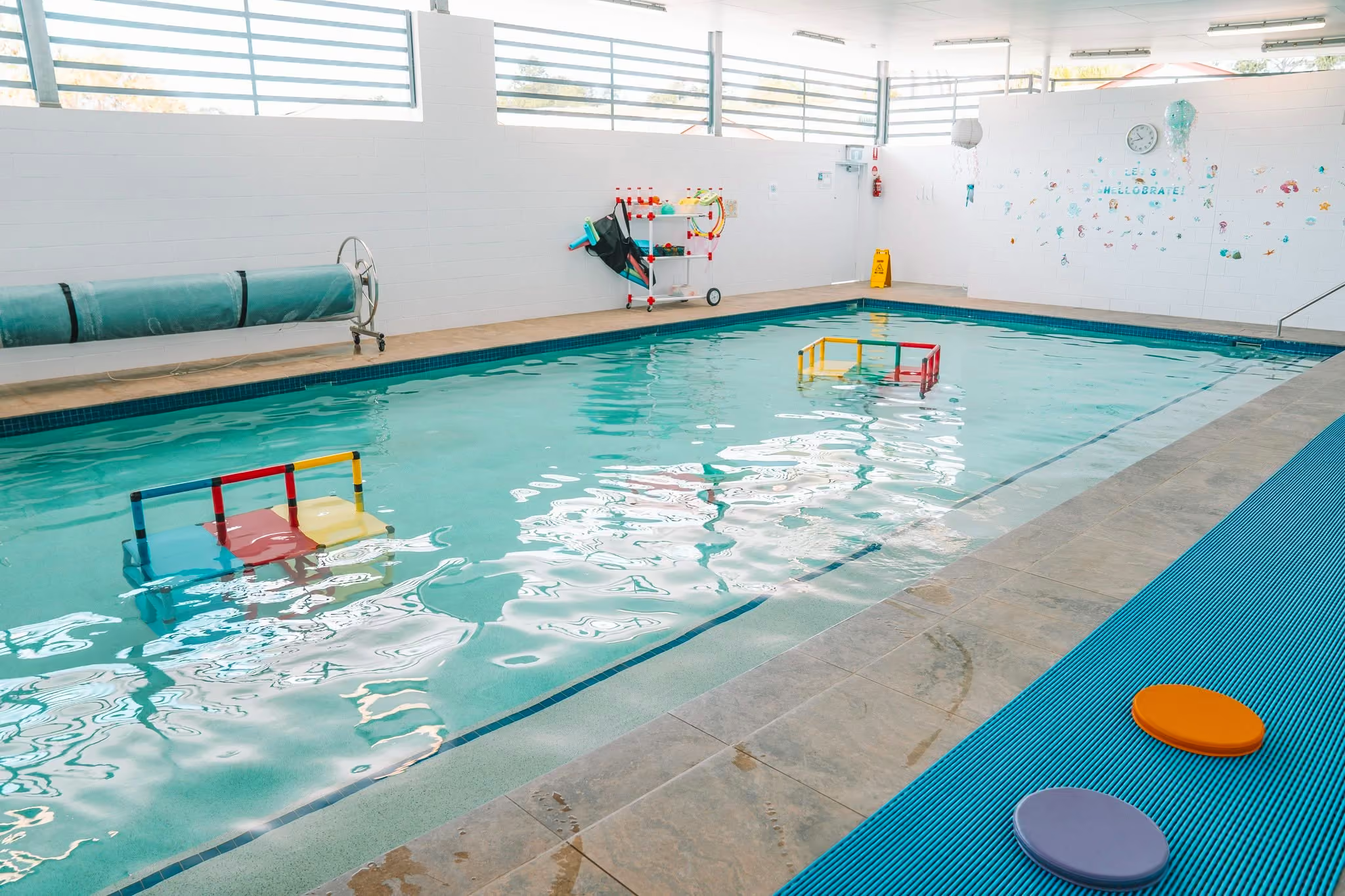
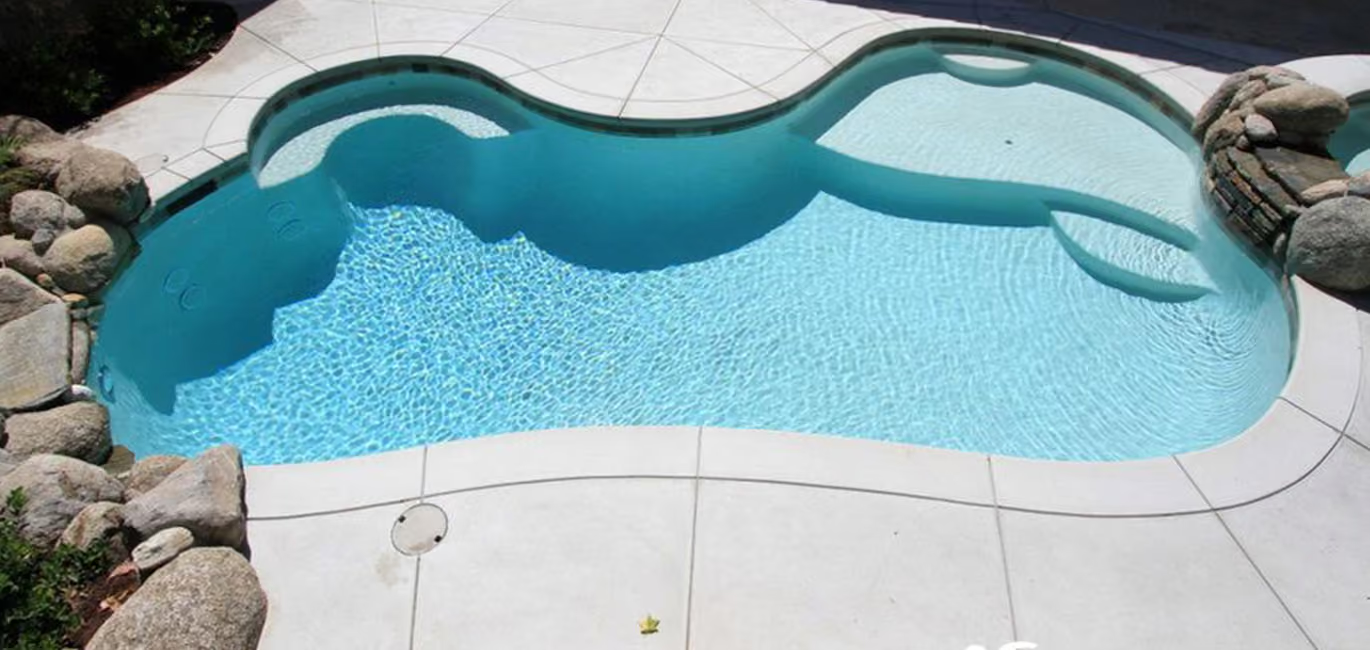
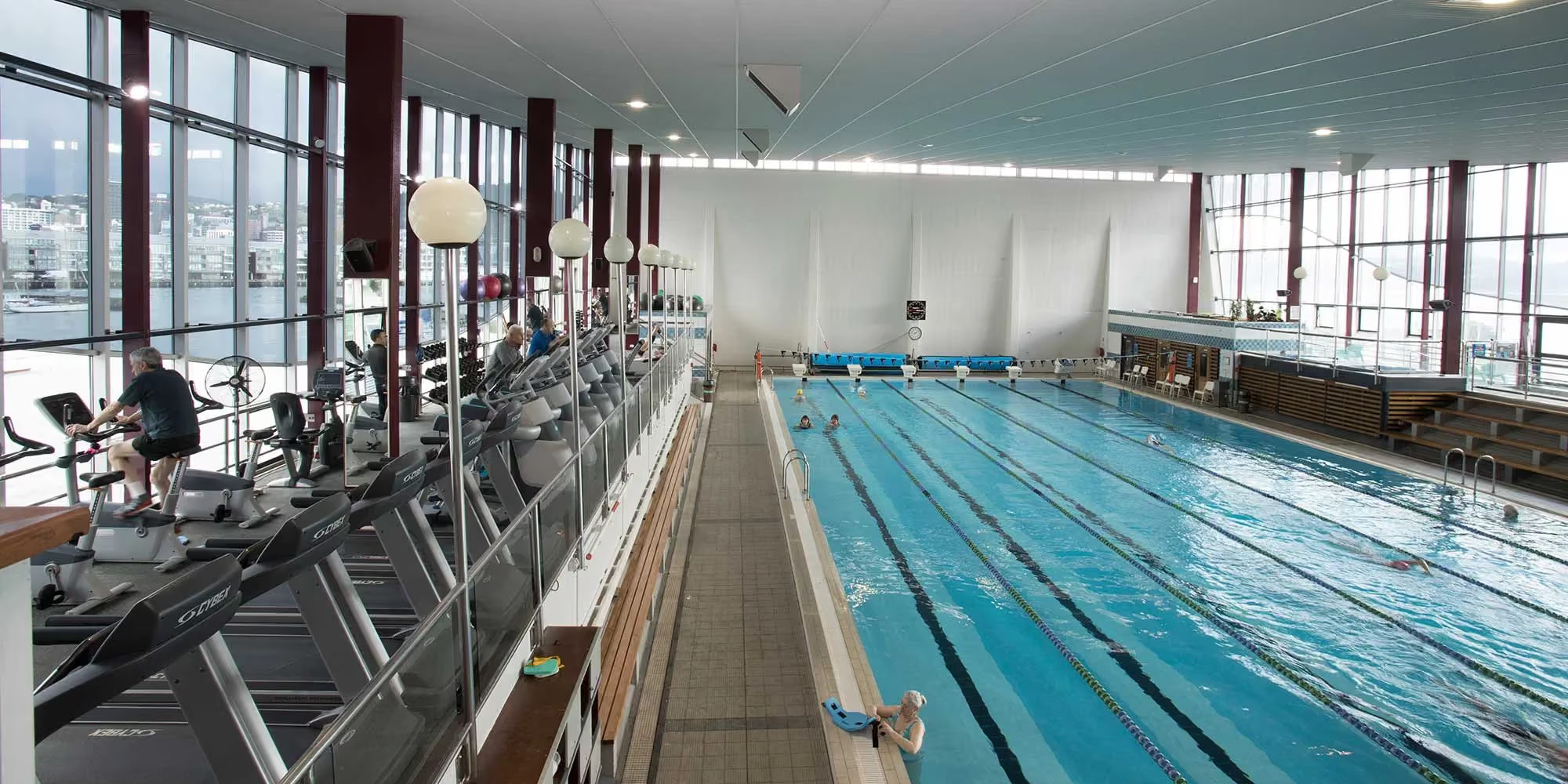
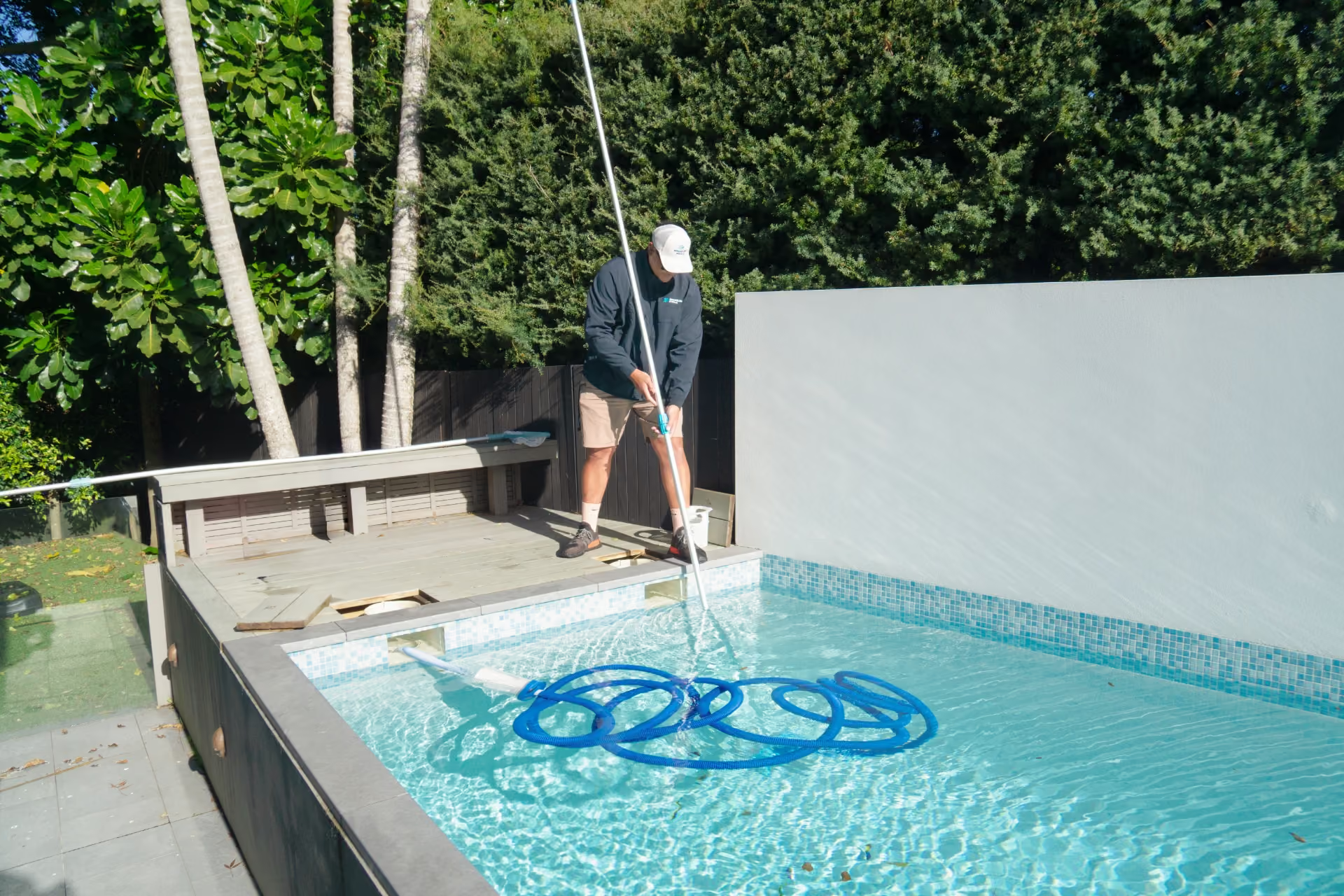
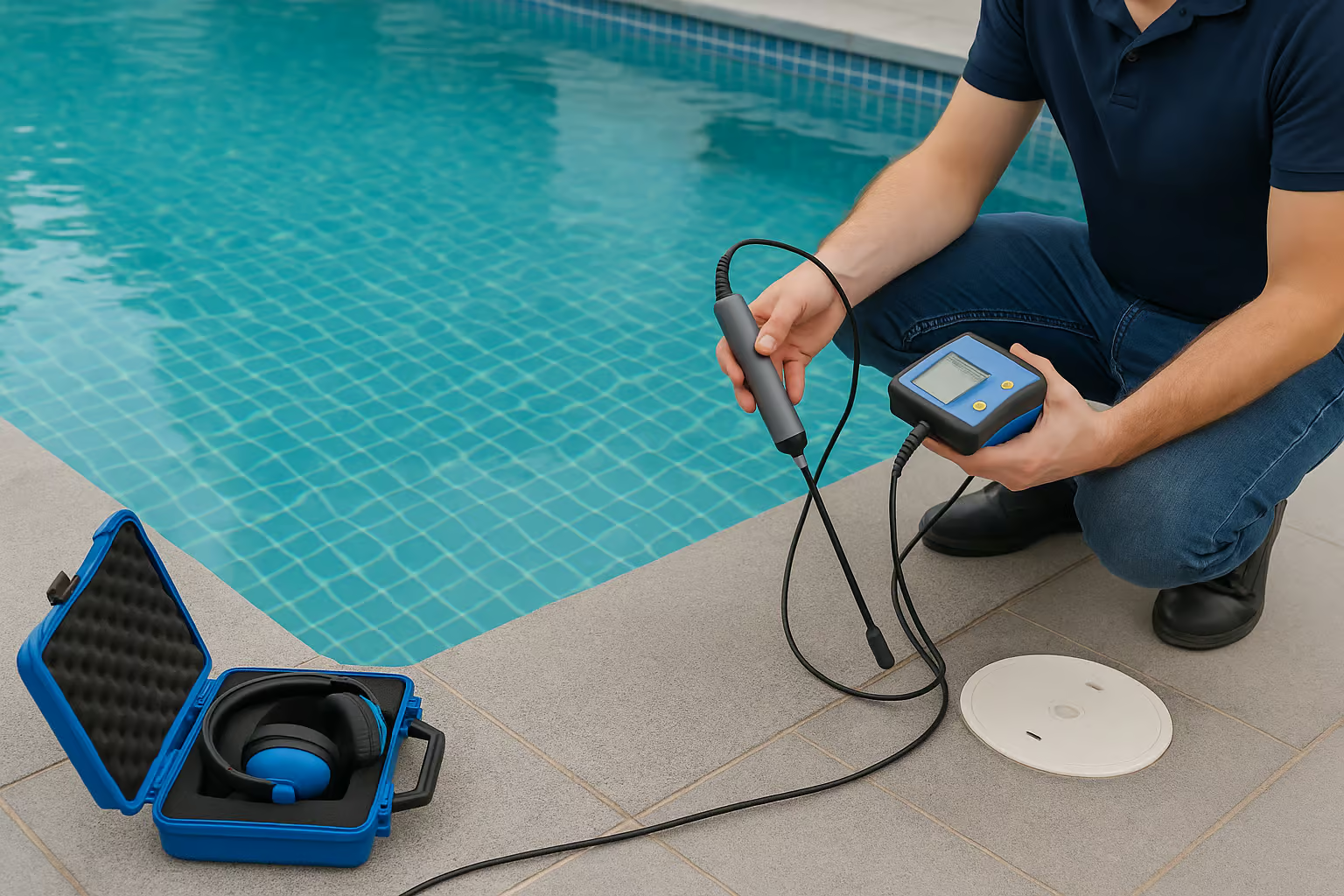
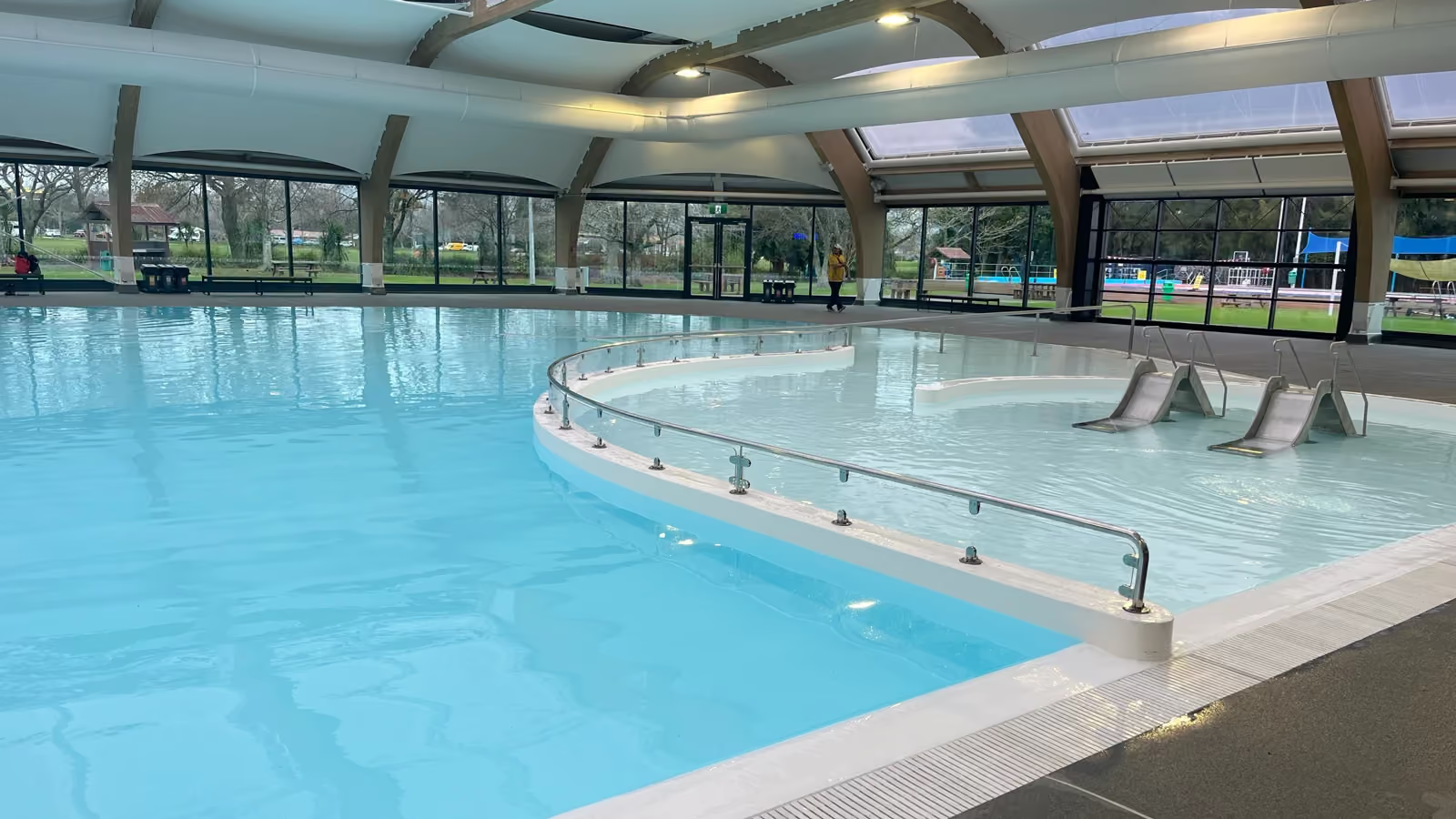
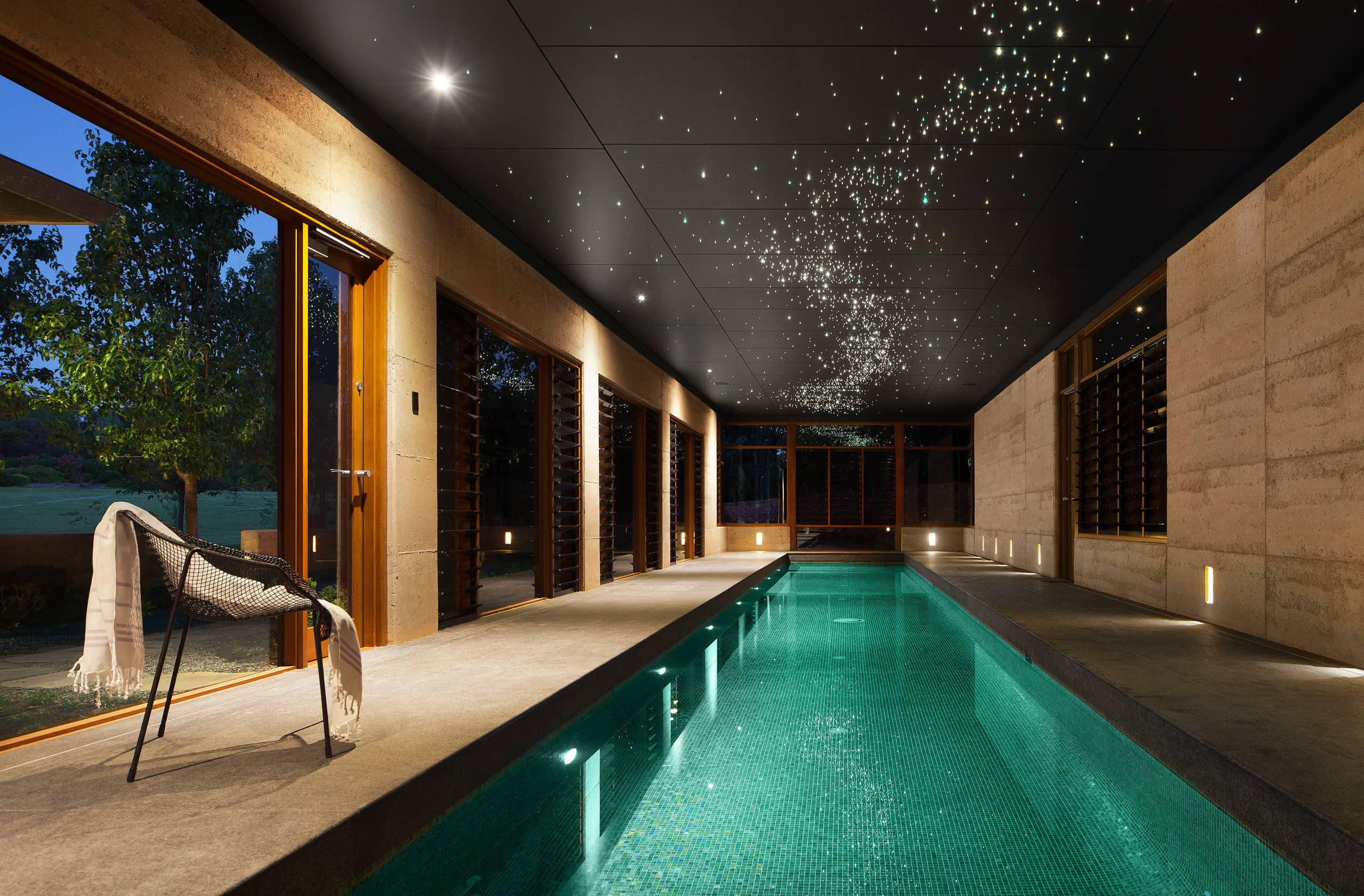
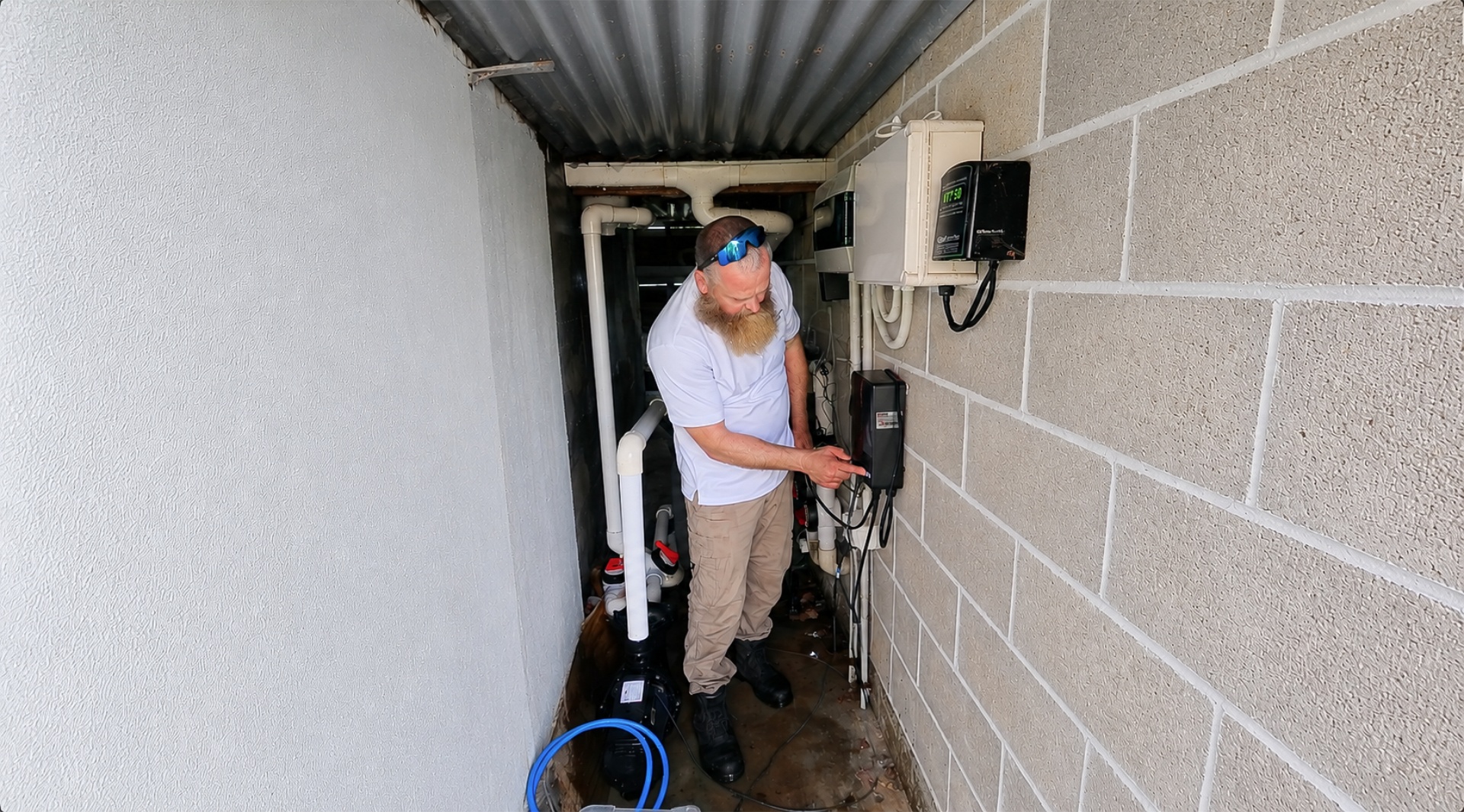
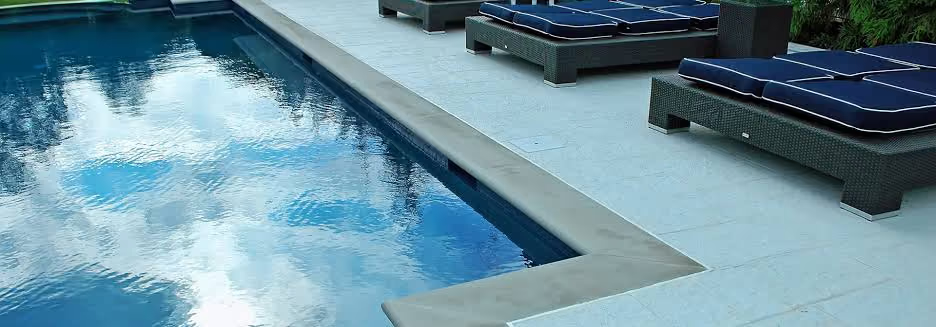
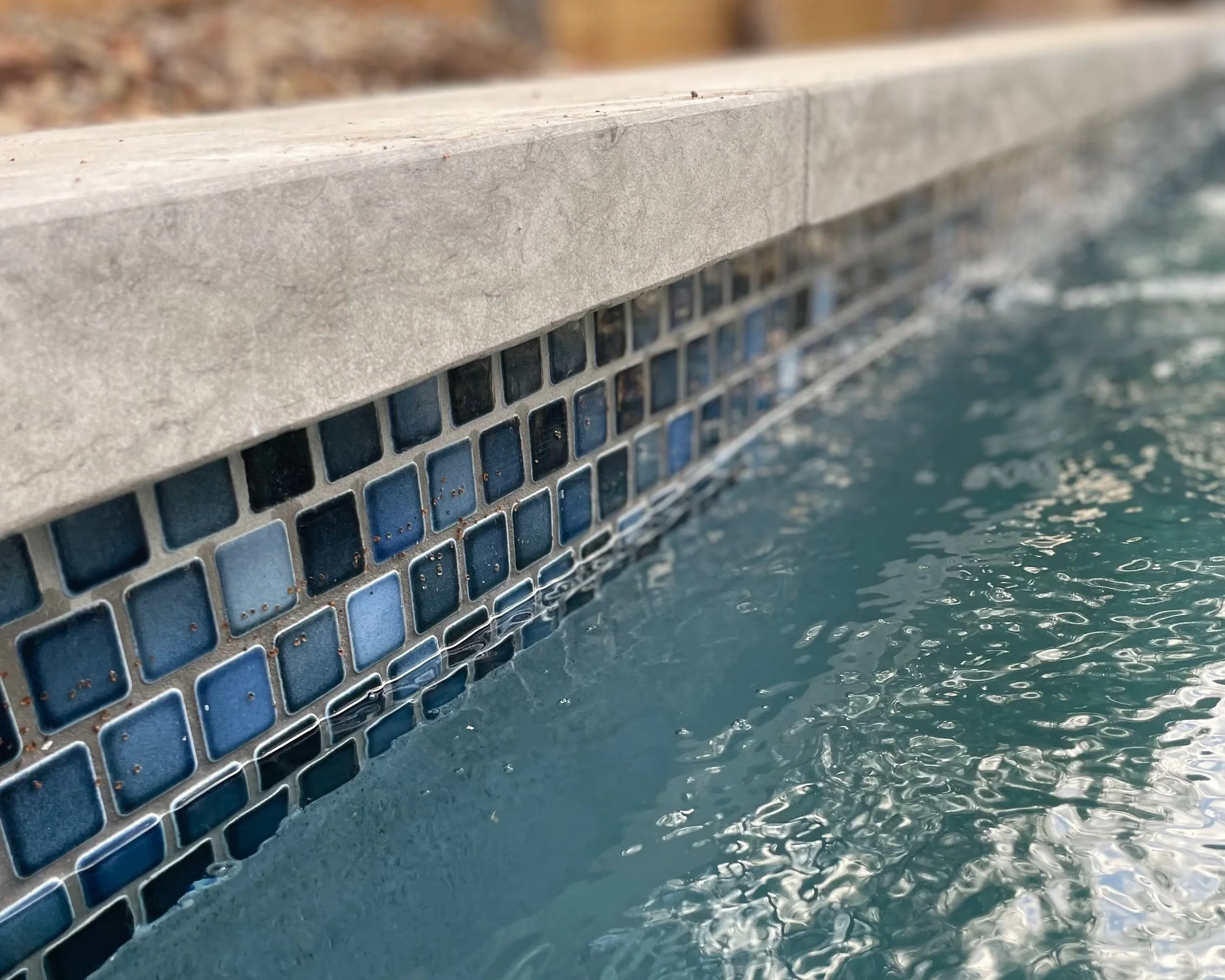
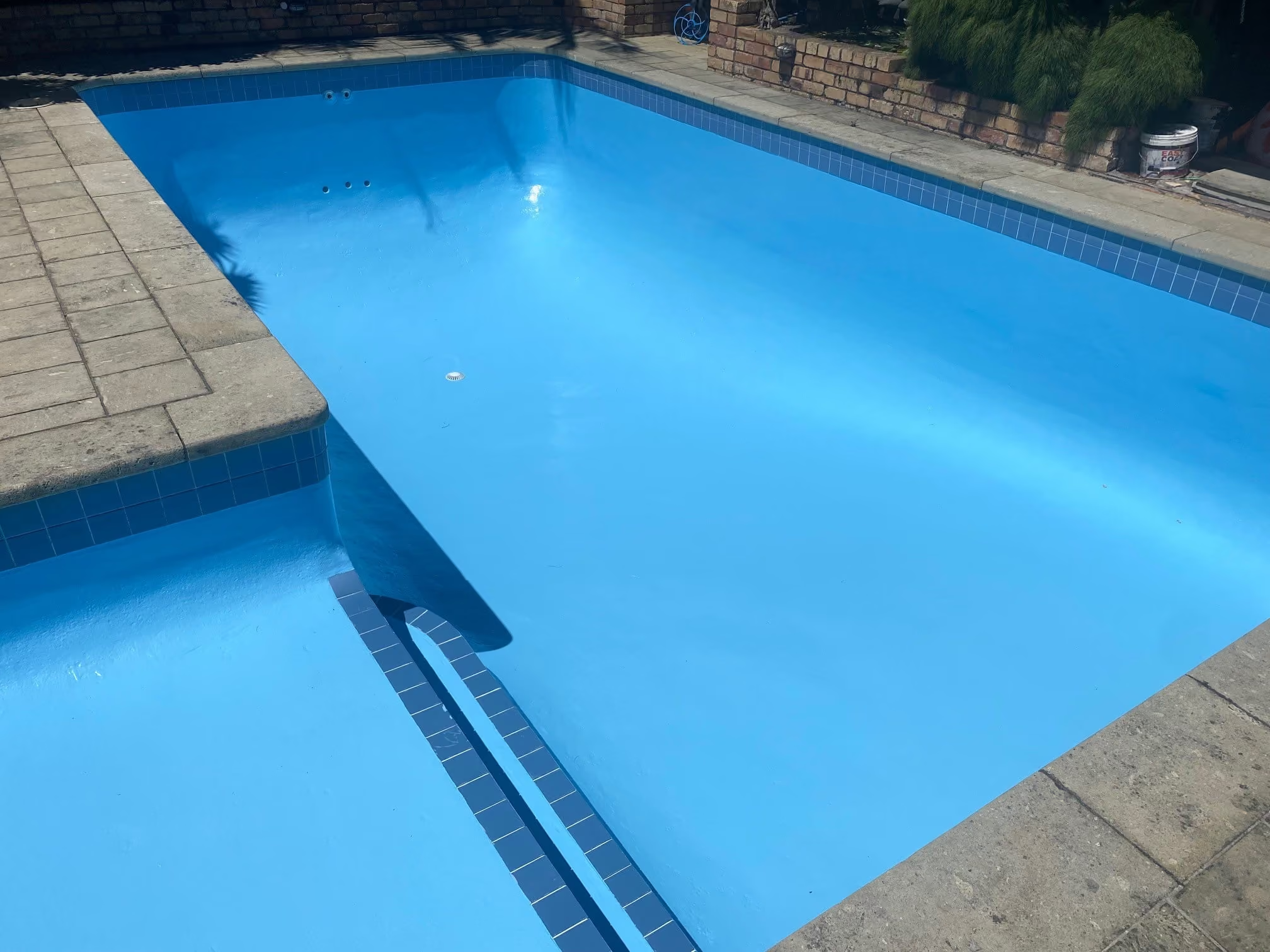
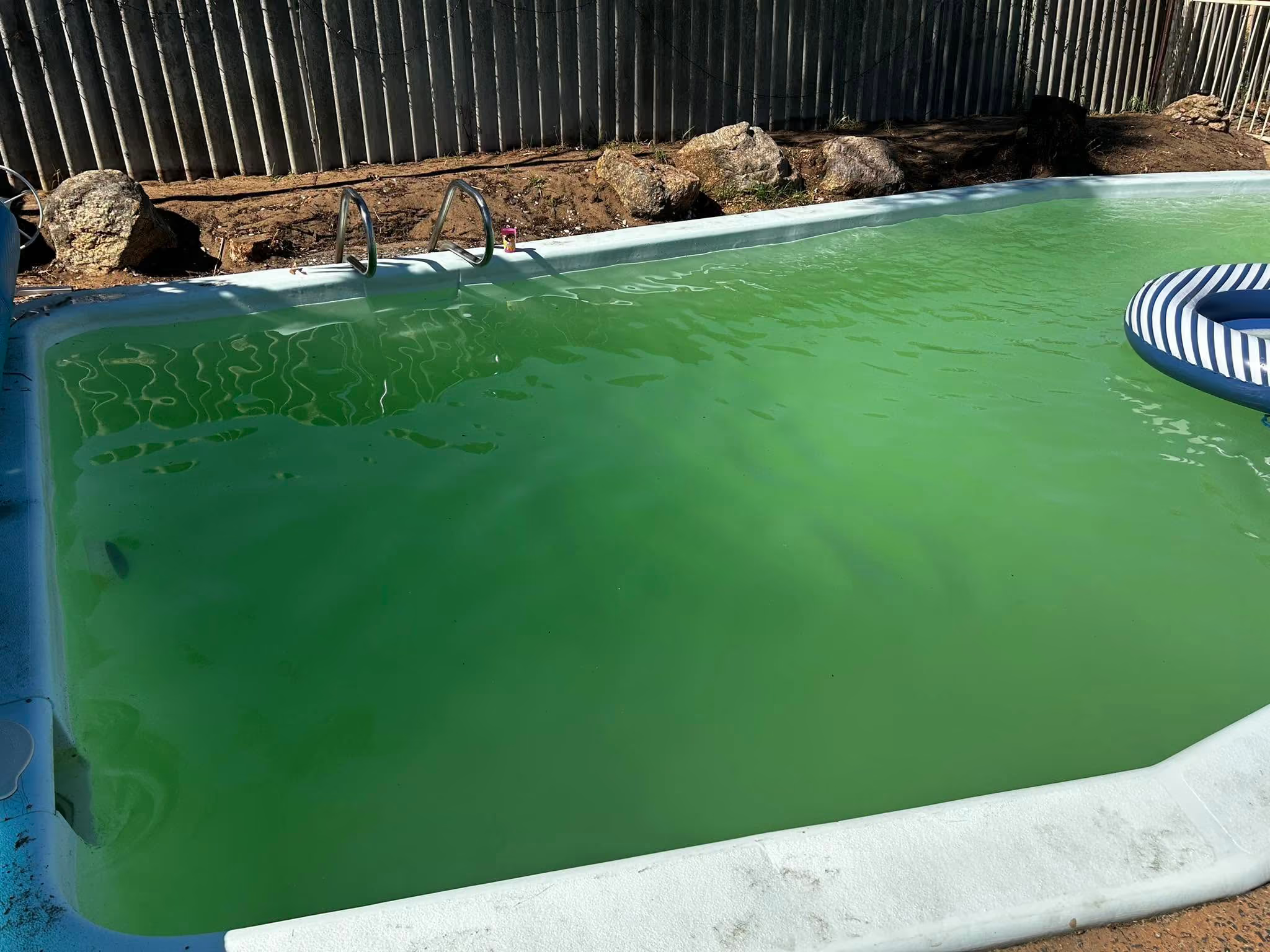
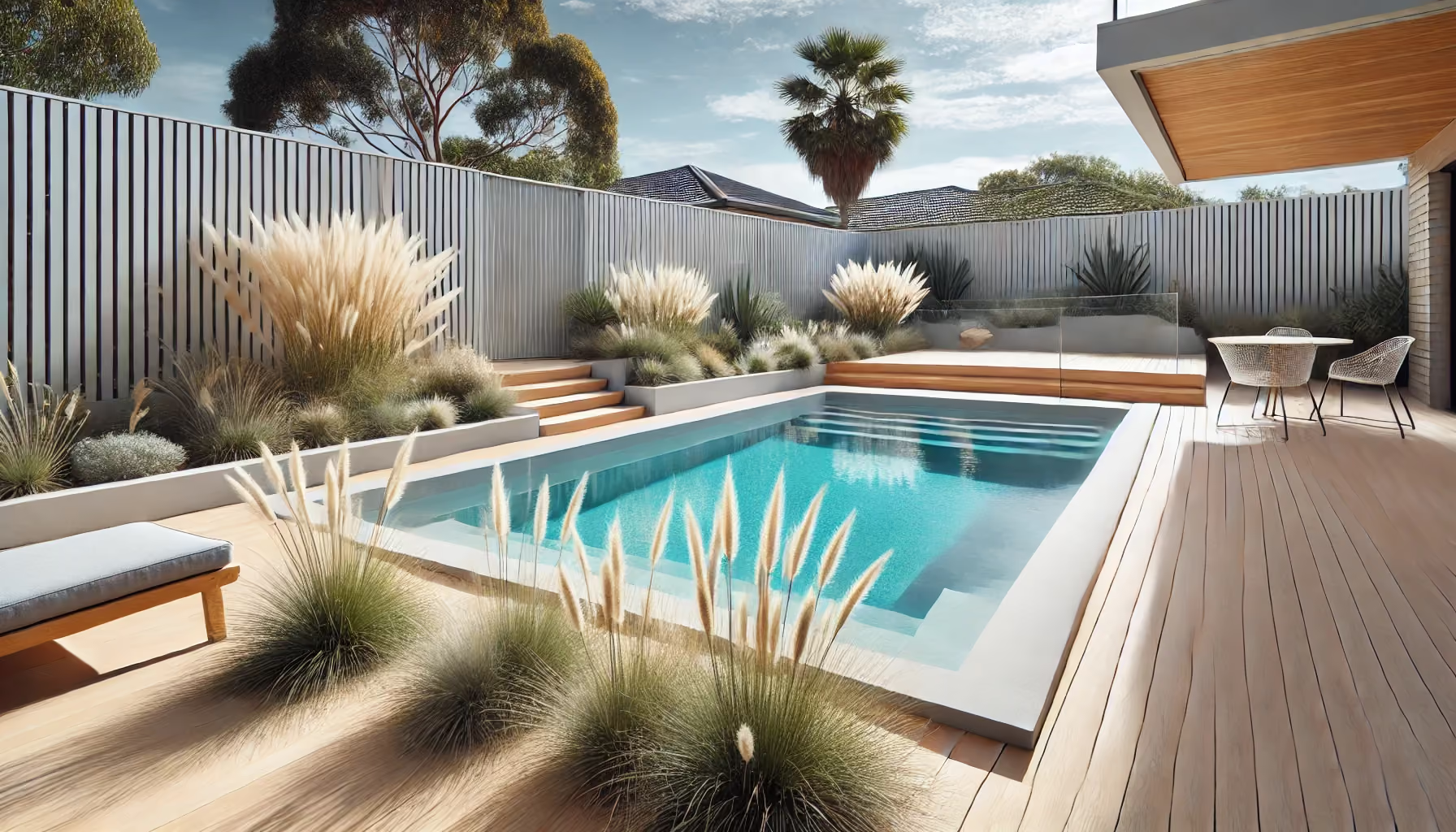
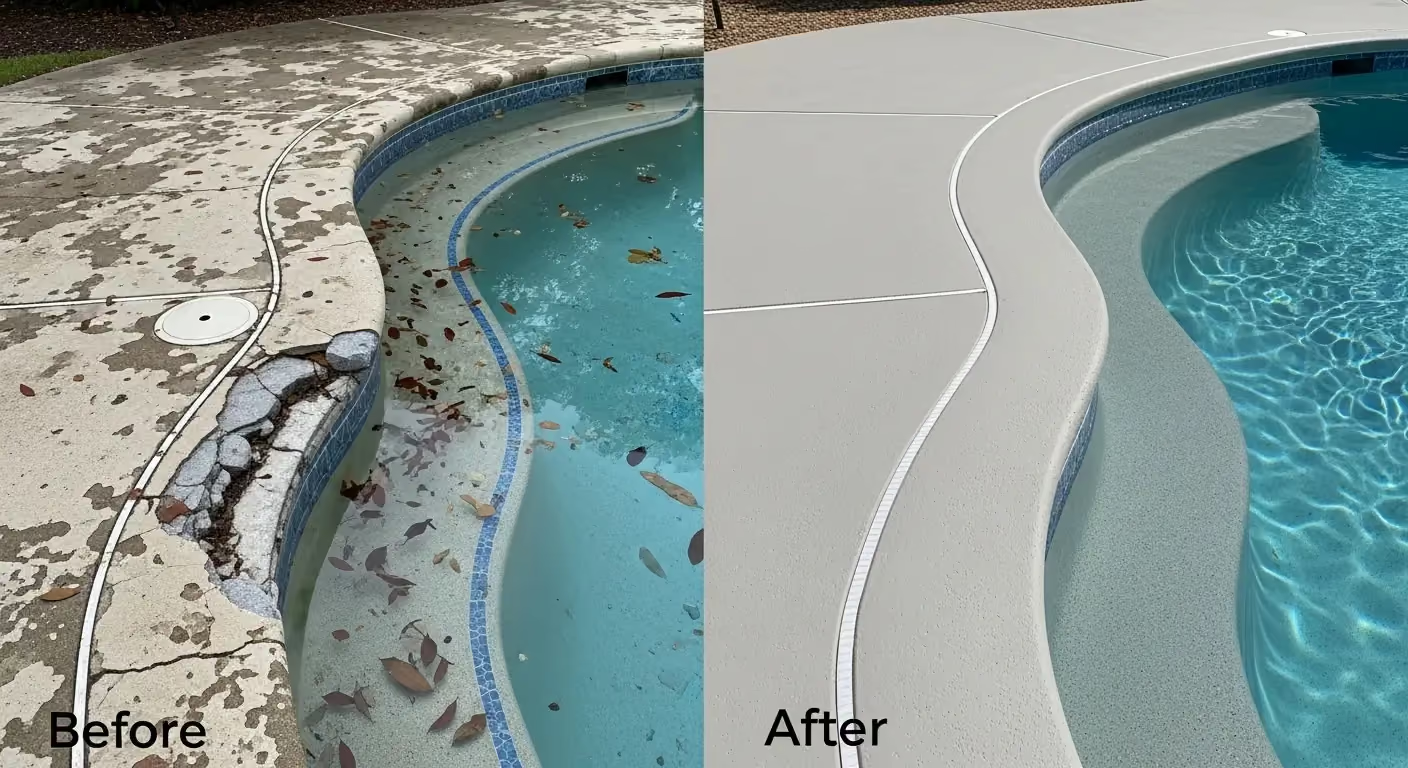
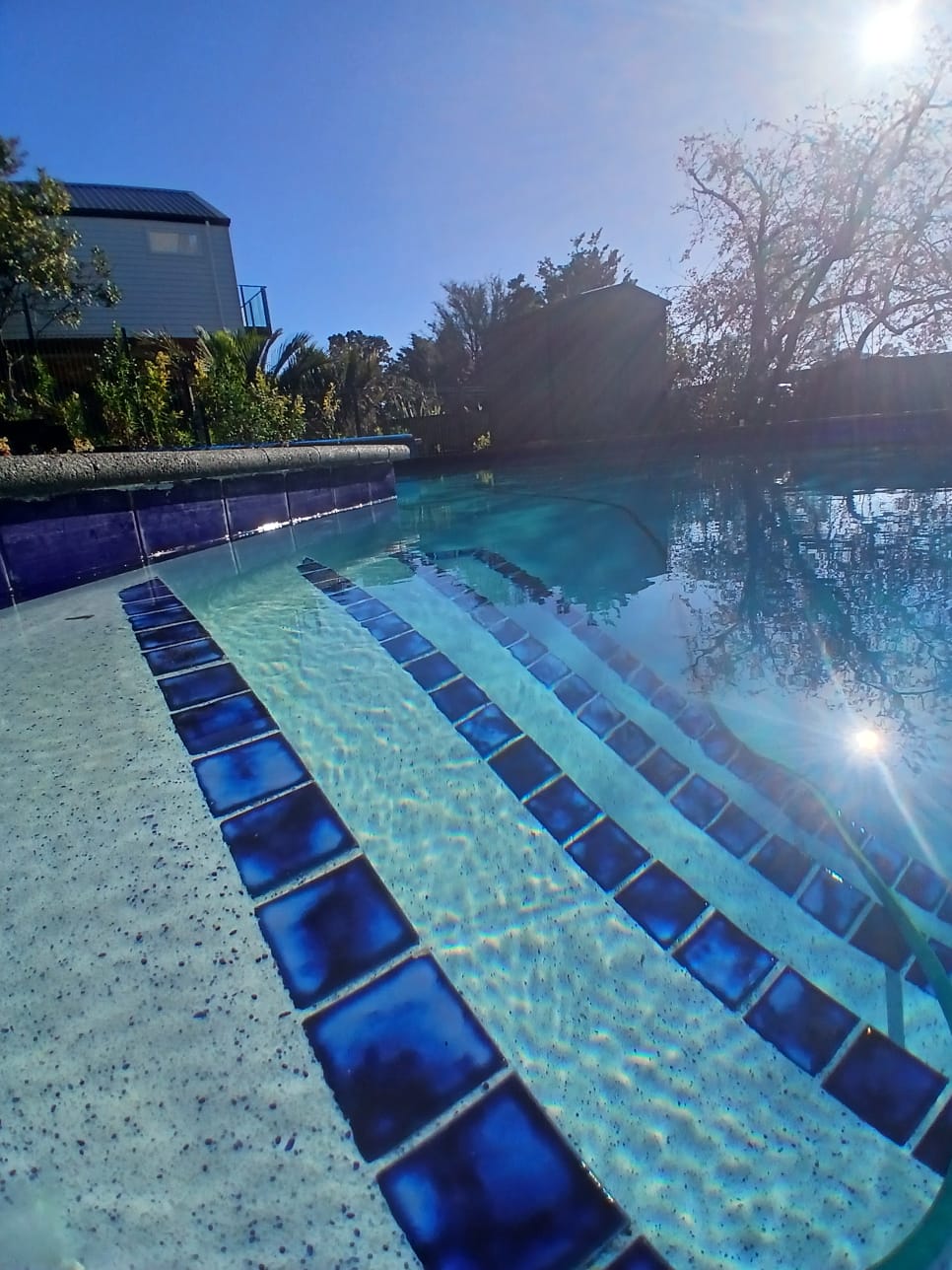
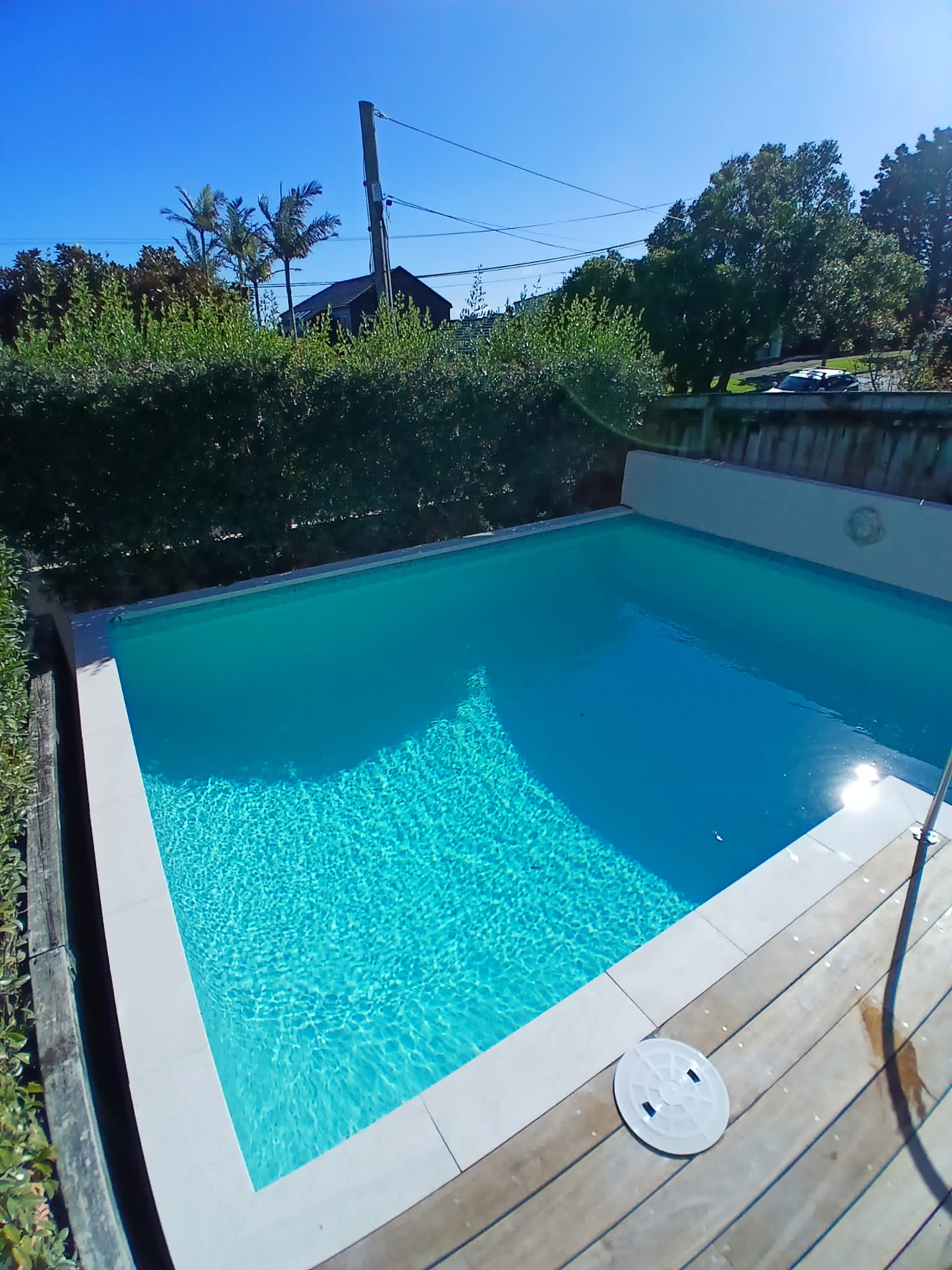
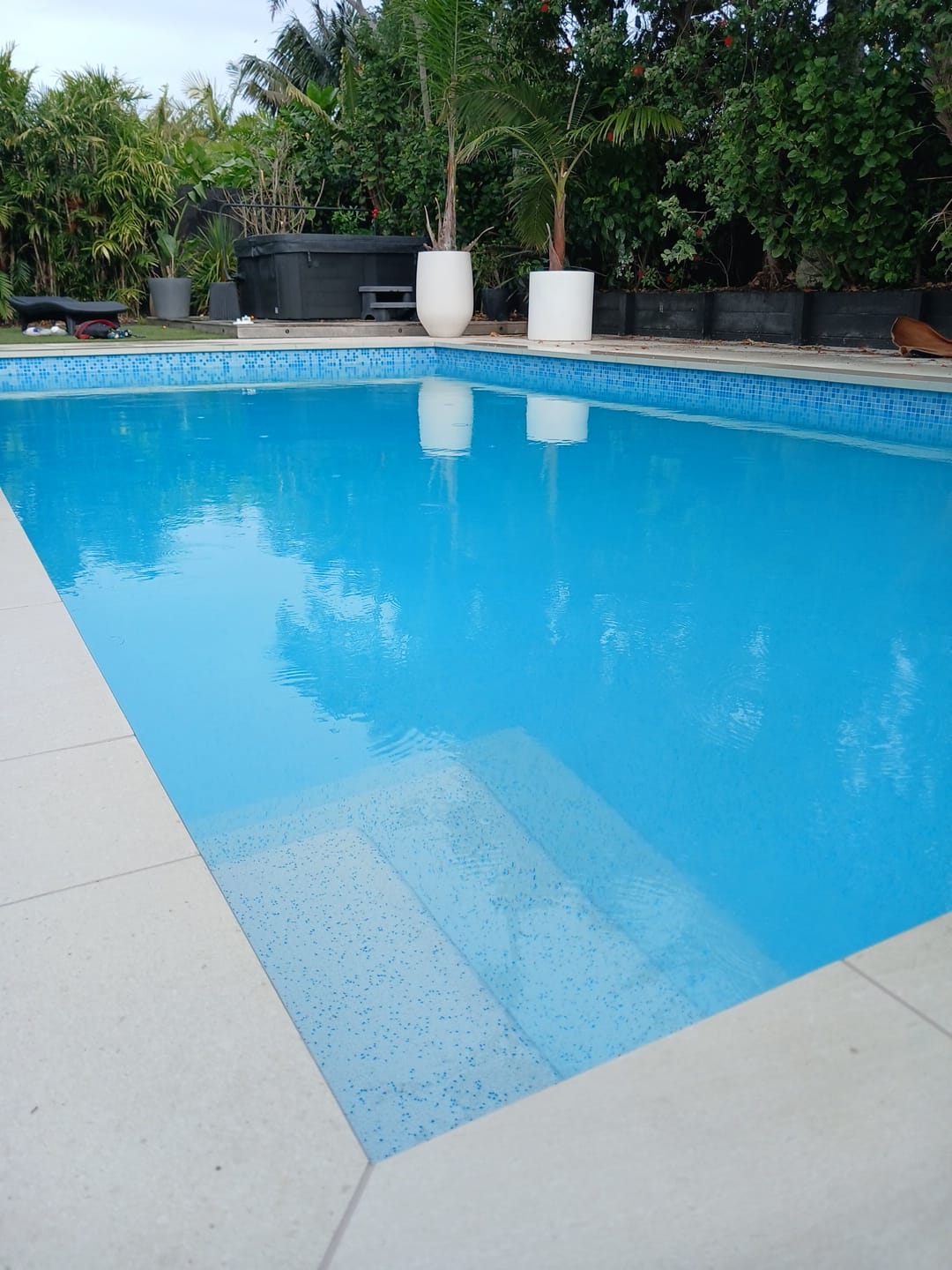
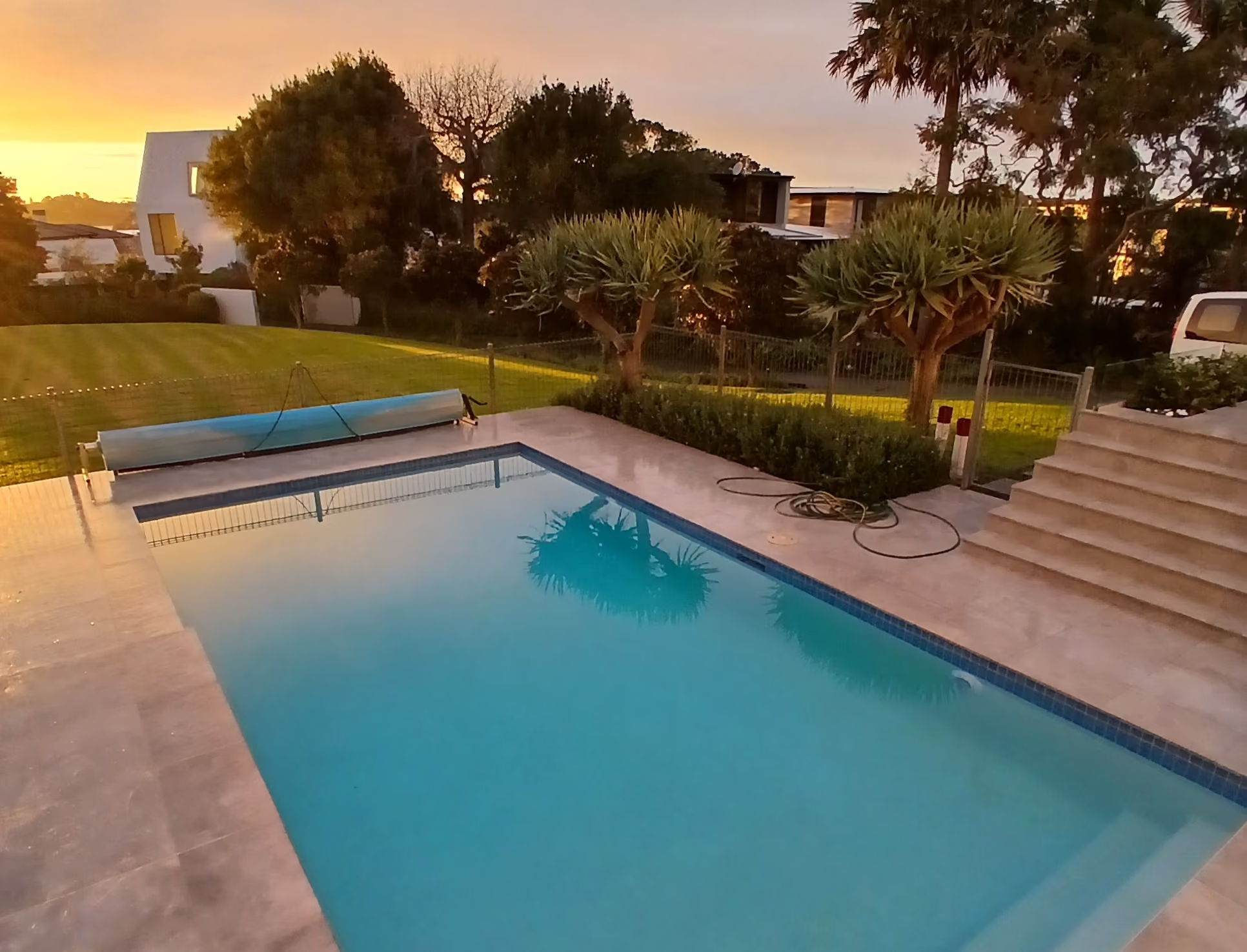
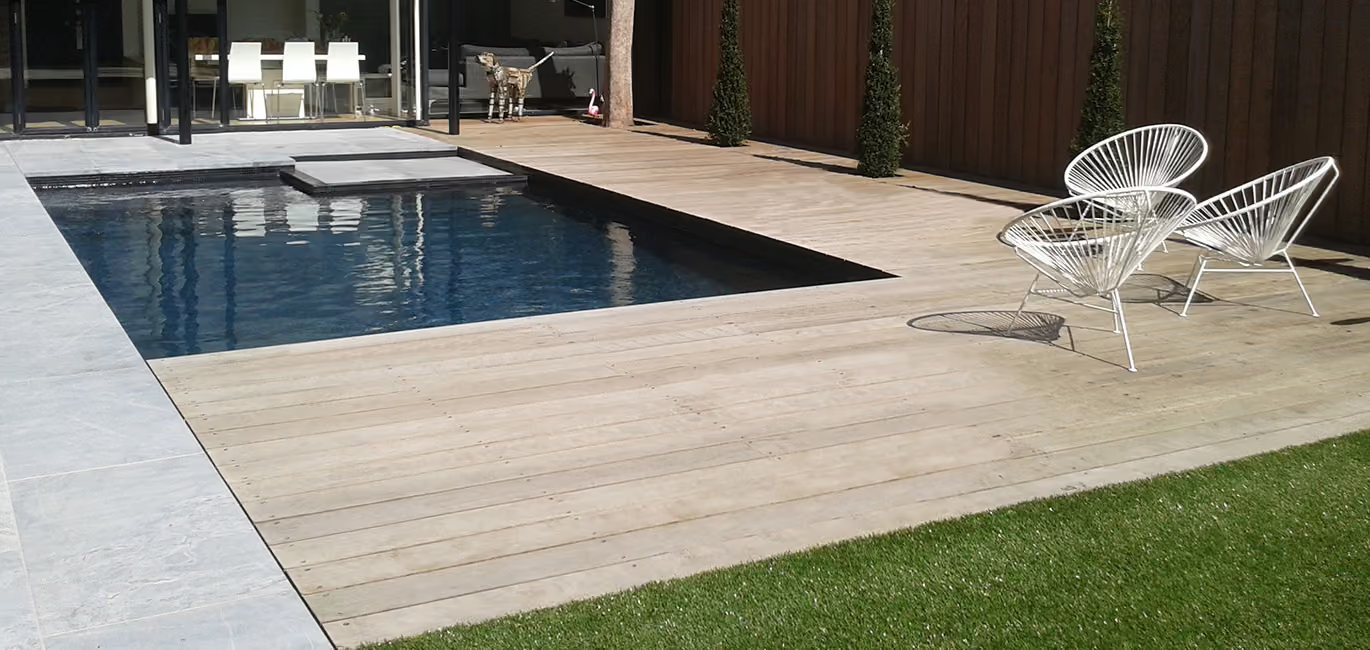
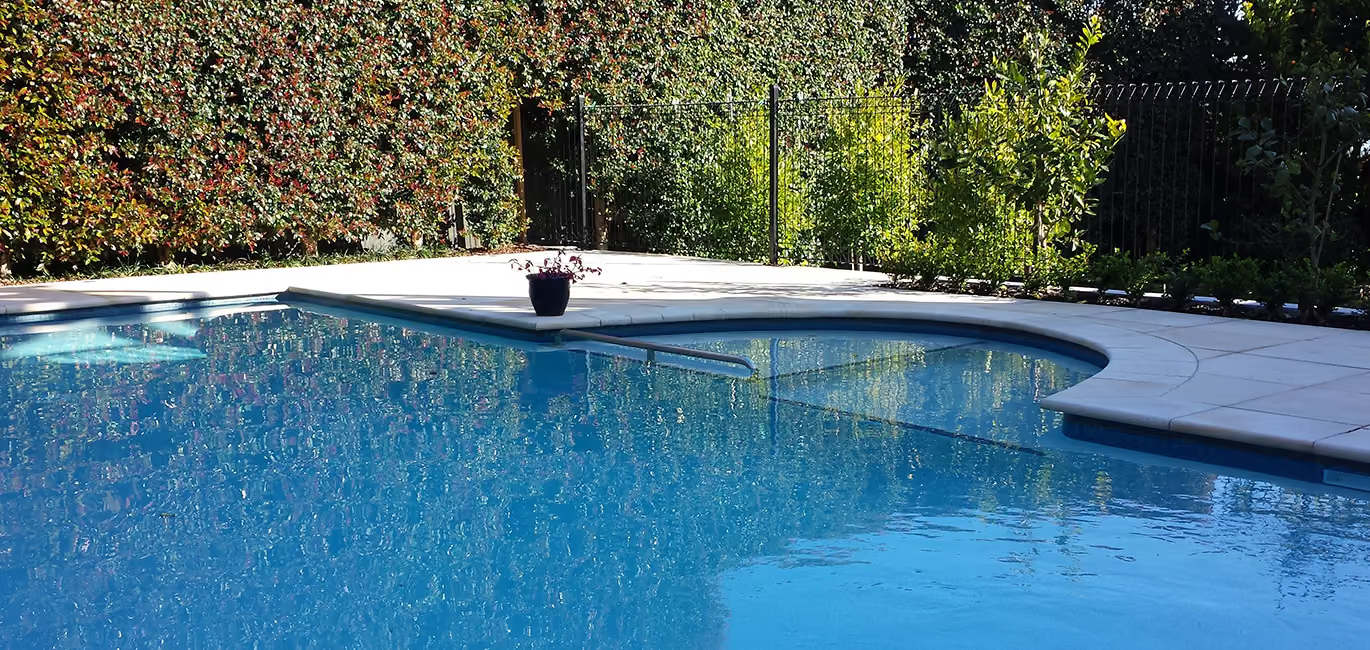
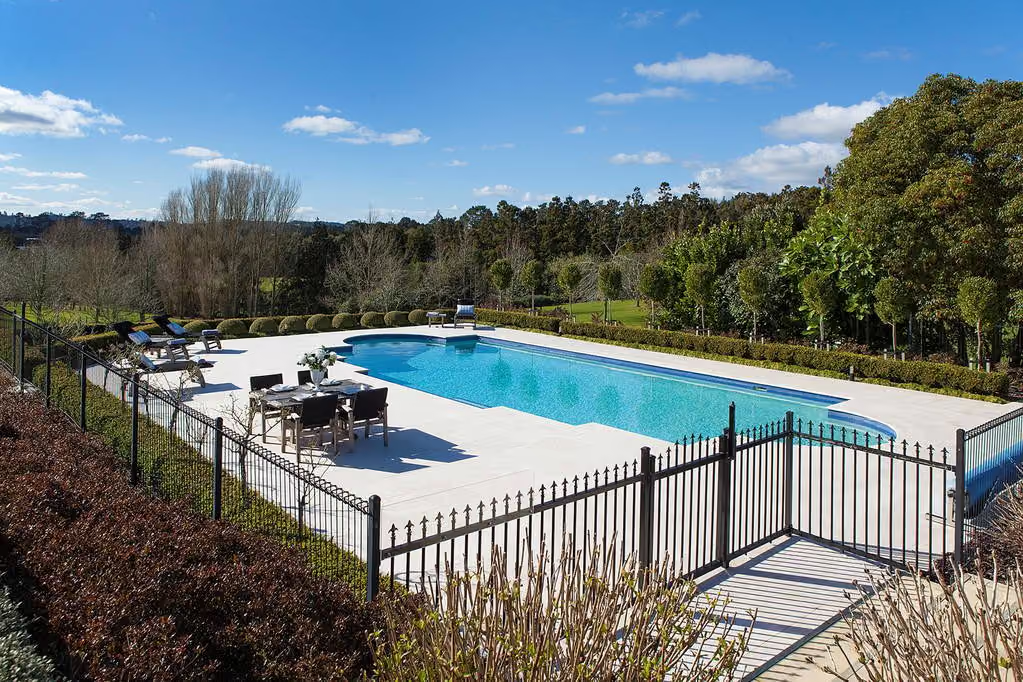
Sparkling Pools has worked on pools across Auckland, including residential renovation projects, equipment upgrades, ongoing maintenance and pool care for managed properties. Past projects show how the right approach can improve presentation, water quality and day-to-day usability. A well-maintained pool is easier to manage, more pleasant to use and better prepared for seasonal changes.
Trusted by Homeowners Across Auckland
Don't just take our word for it. Read what our clients have to say about our transparent communication, reliable service, and stunning pool transformations.
Related Blog Posts
Stay informed on pool care and renovations
Winter pool care essentials for Auckland
Pool Renovation Mistakes

Auckland Climate Pool Maintenance

Choosing Renovation Contractor
Pool Care Auckland Summer
Permits & Consents
Pool Renovation ROI
How Often to Test Pool Water
Pool Renovation Costs
Cost of Pool Service Auckland
Pool Renovation Planning Guide
Pool Lighting Buying Guide
Pool Cleaner Buying Guide
Pool Automation Buying Guide
Pool Heater Buying Guide
Pool Filter Buying Guide
Pool Pump Buying Guide
Best Equipment Auckland Climate
Auckland Water Quality
Auckland Pool Season
Pool Ownership Costs
Common Pool Mistakes
Pool Safety Laws
Pool Inspection Requirements
Pool Fence Compliance
.avif)
Auckland Pool Industry Trends
Auckland Pool Regulations
Pool Equipment Suppliers
Best Pool Service Areas
Pool Service Pricing Analysis
Company vs Independent
Best Pool Surface Materials
Pool Resurfacing Options
Pebble vs Plaster Surfaces
One-Time vs Ongoing Service
Full Service vs Chemicals Only
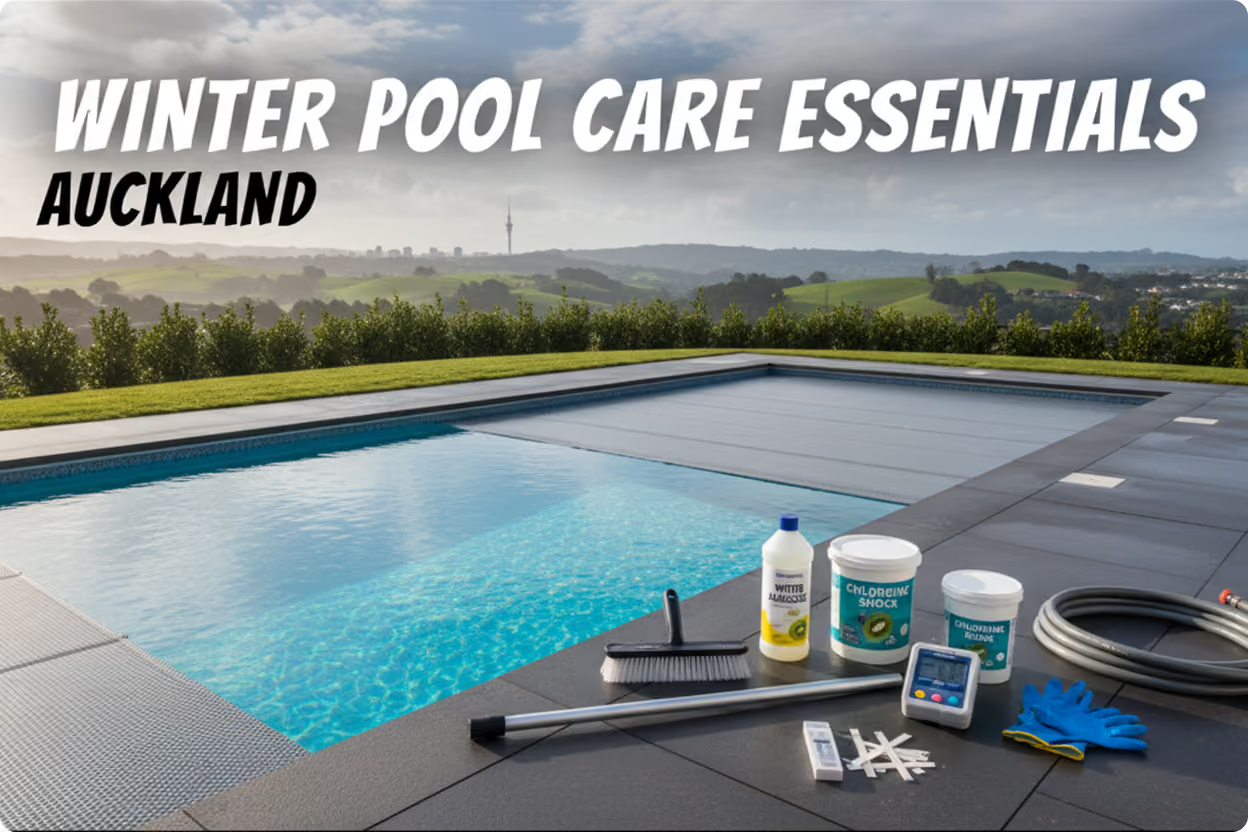
Pool Cover Types
Robotic vs Suction Cleaners
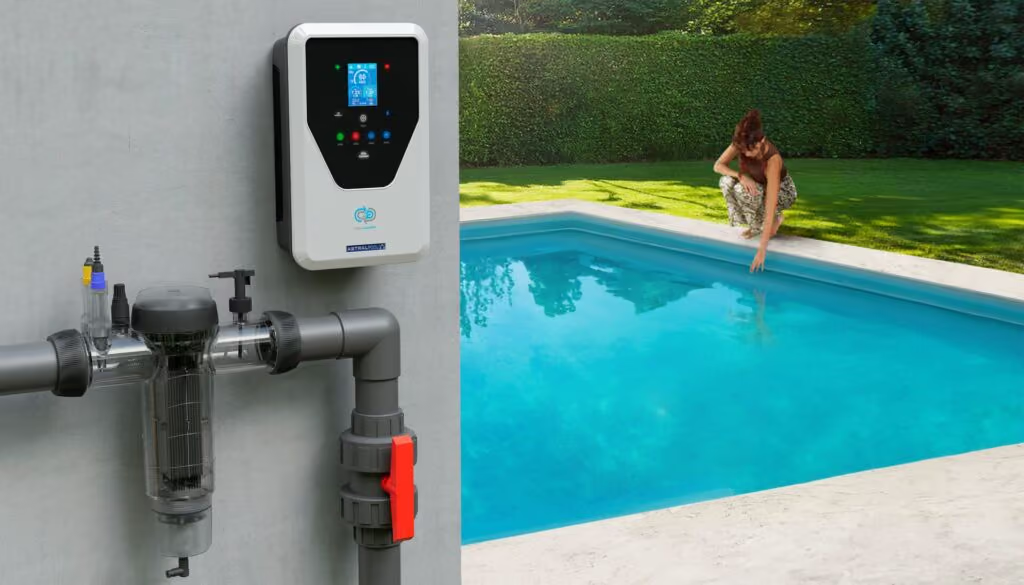
Mineral vs Saltwater
Gas vs Heat Pump
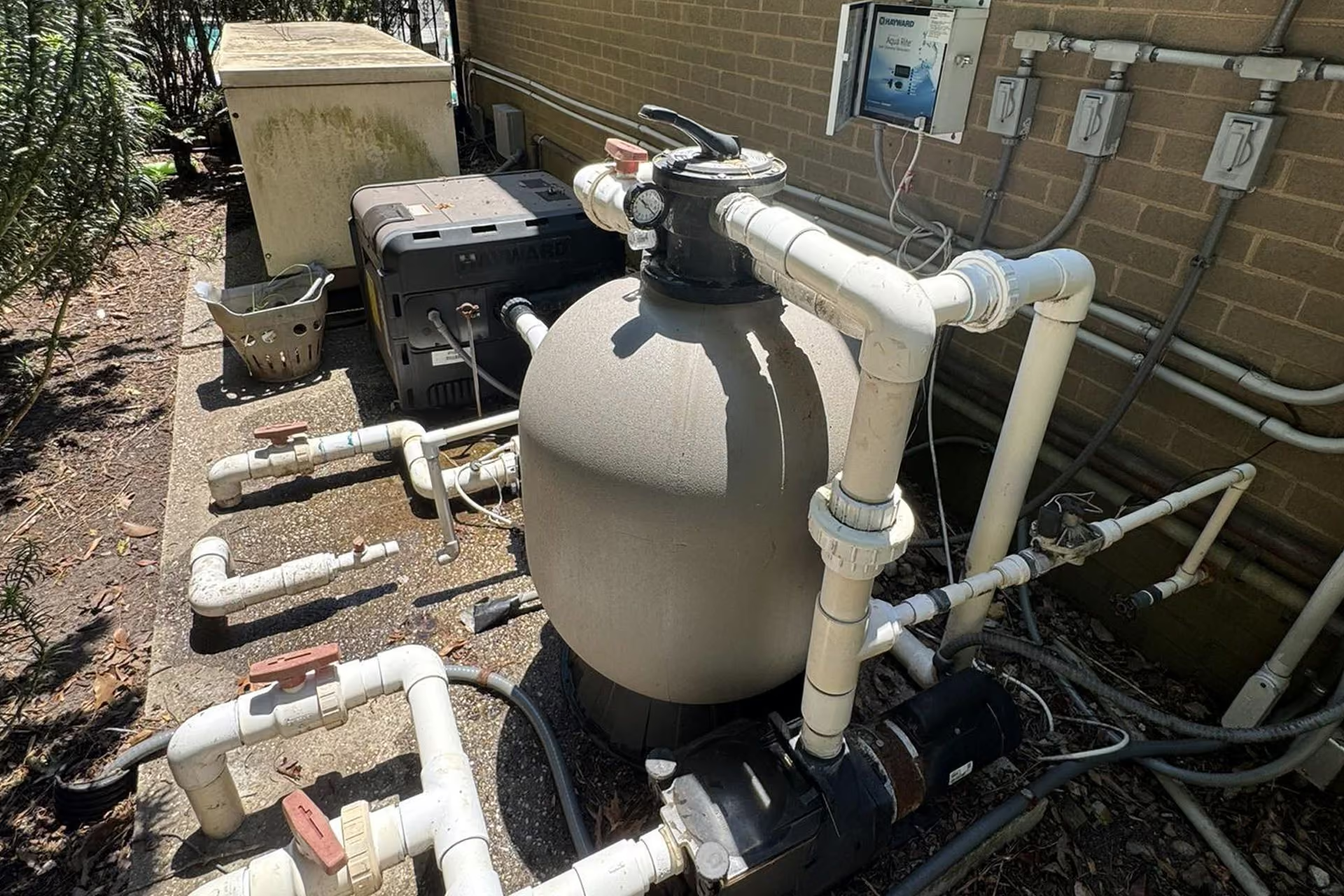
Pool Heater Types
Pool Winterizing Guide Auckland
Pool Opening Guide Summer
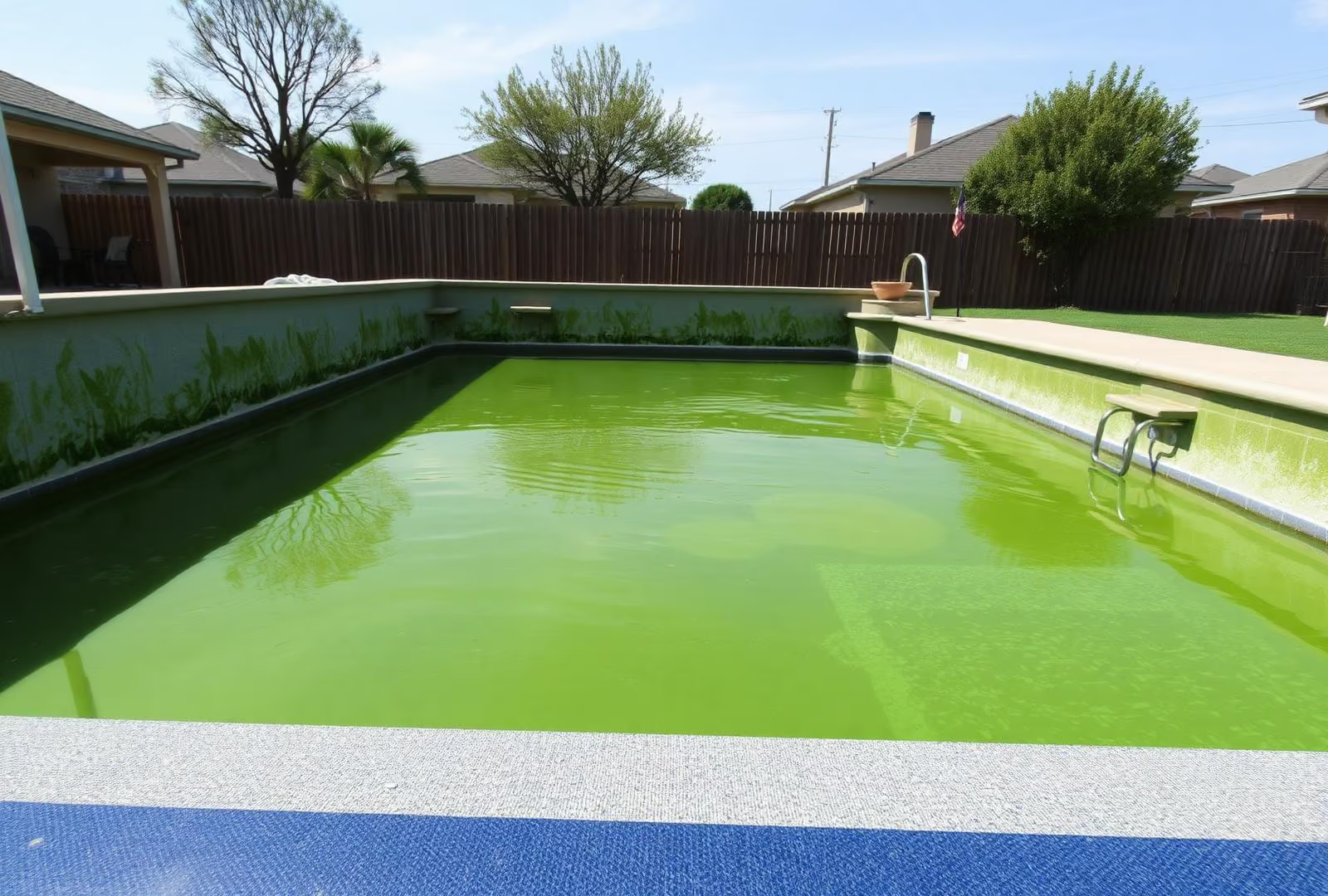
Pool Maintenance After Heavy Rain
Pool Maintenance Schedule
How Often to Run Pool Filter
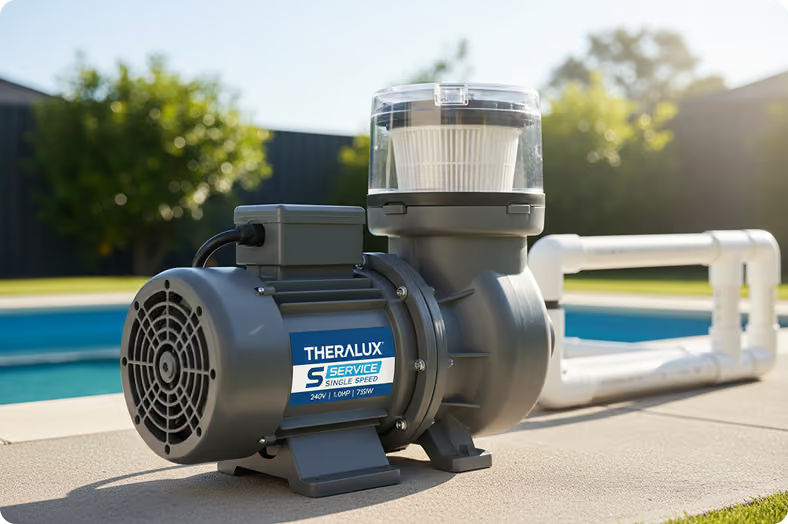
Pool Pump Maintenance Schedule
Pool Filter Cartridge Cleaning
Pool Equipment Maintenance Checklist
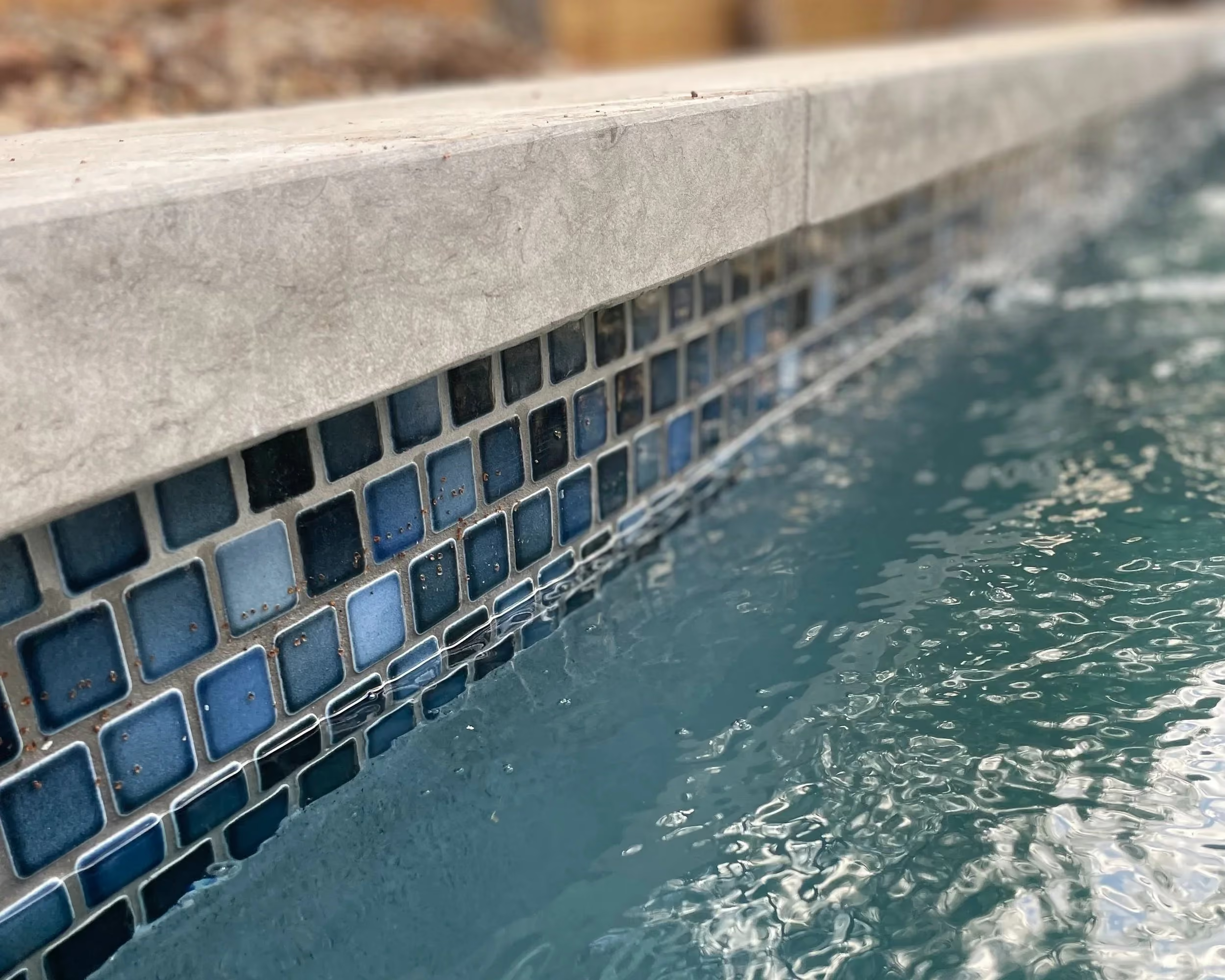
Pool Waterline Cleaning
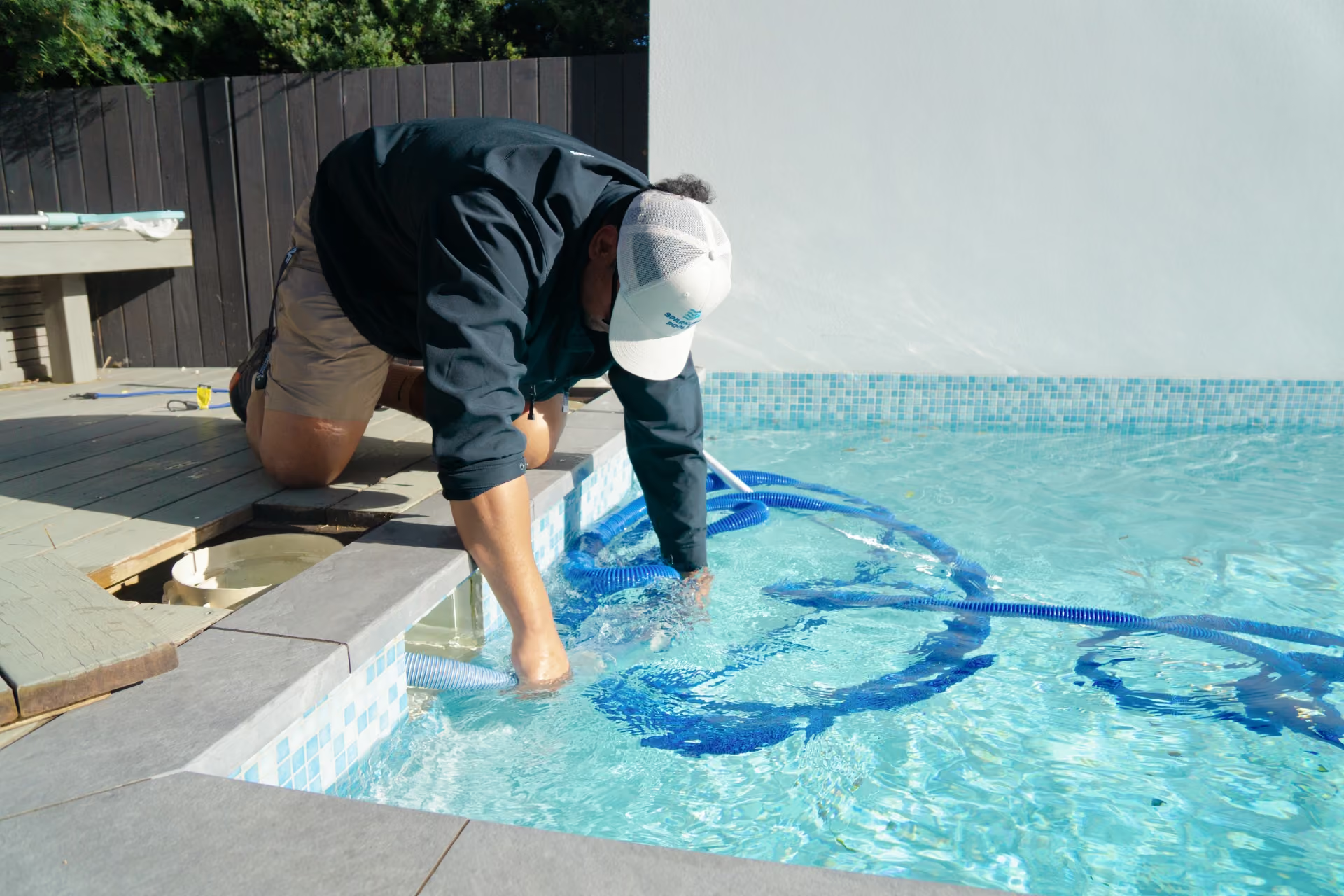
Pool Skimmer Basket Cleaning
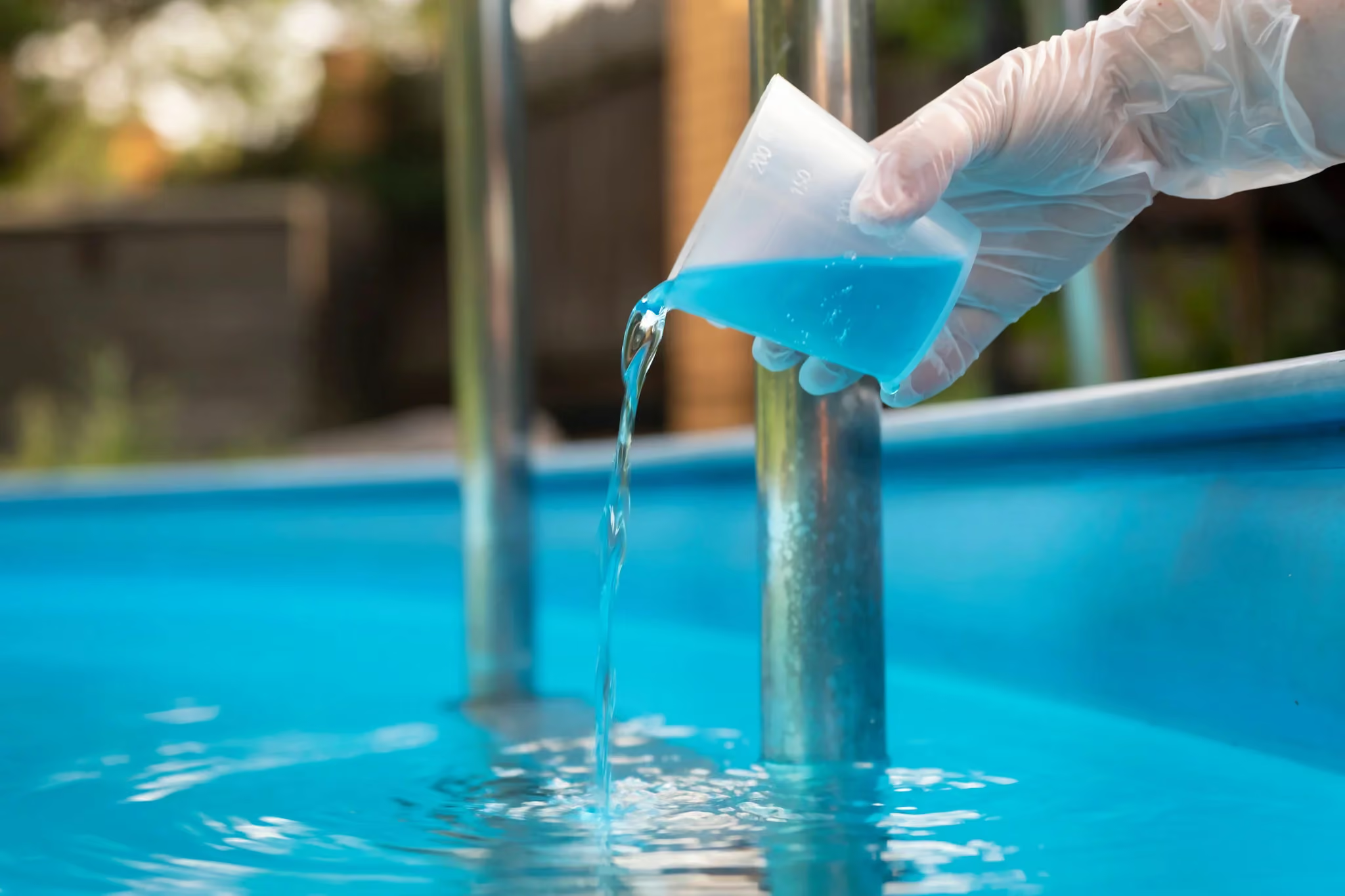
Pool Chlorine Levels
How Often Clean Pool Filter
How to Vacuum Pool
Pool Brushing Technique
Pool Chemical Dosing Chart
Pool Water Chemistry Basics
How to Balance Pool Chemistry
How to Test Pool Water
Pool Maintenance Tips
Complete Pool Maintenance Guide
Pool Service ROI
Pool Equipment Buy or Service
Pool Maintenance Time Requirements
DIY vs Professional
Pool Service Contract
Pool Service vs Pool Valet
Is Pool Service Worth It
Pool Service Guarantees
Pool Service Reviews
Pool Service Red Flags
Questions to Ask Pool Companies
How to Choose Pool Service Company
Hidden Costs DIY Maintenance
Pool Cleaning Prices Auckland
Cost of Pool Resurfacing
Cost of Pool Pump Replacement
Cost to Fix Green Pool
Pool Liner Wrinkles
Pool Cracks When to Worry
Pool Surface Stains
Pool Valve Leaking
Pool Automation Not Working
Pool Light Not Working
Pool Heater Not Heating
Pool Skimmer Not Working
High Pool Filter Pressure
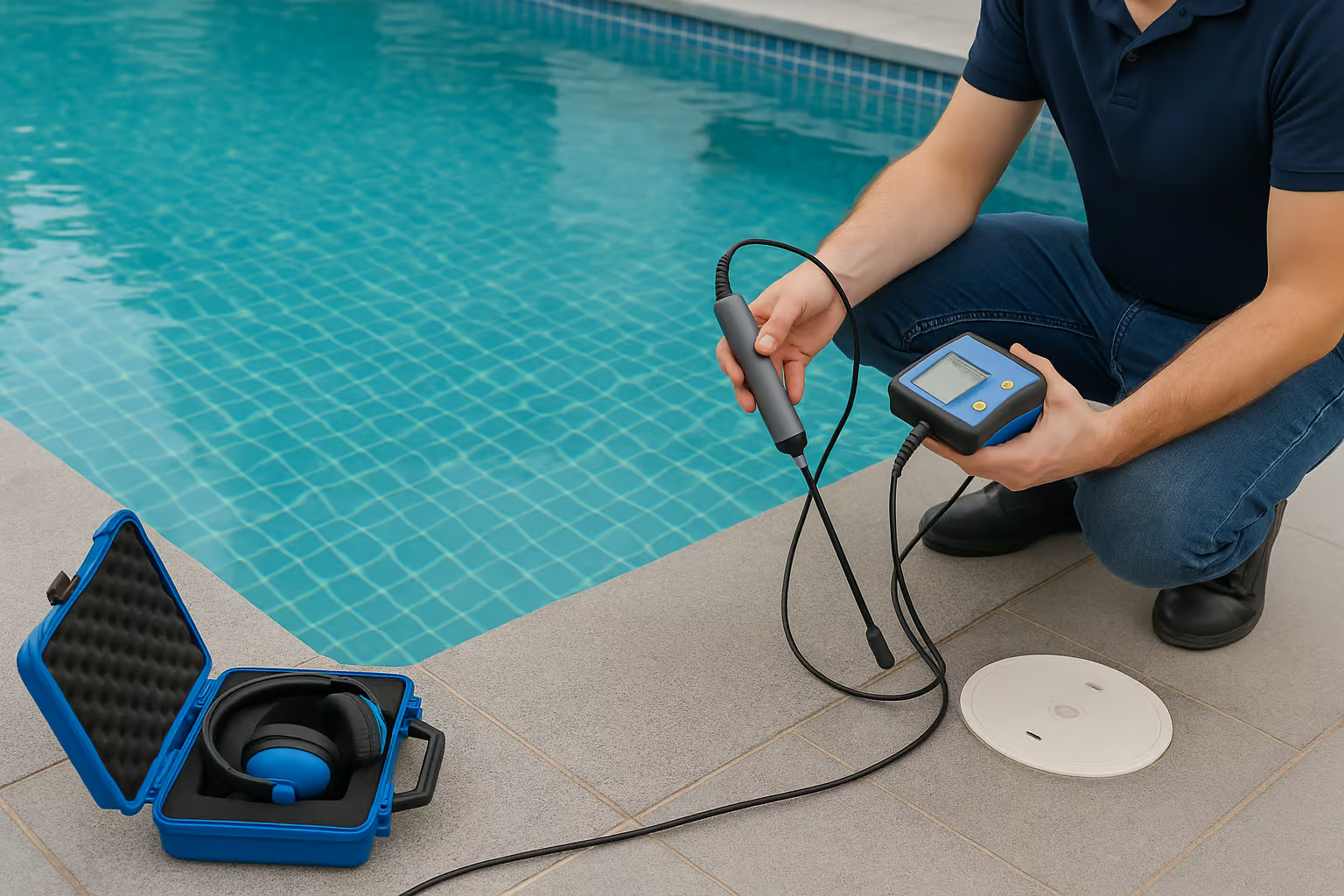
Pool Losing Water
Pool Filter Not Clearing Water
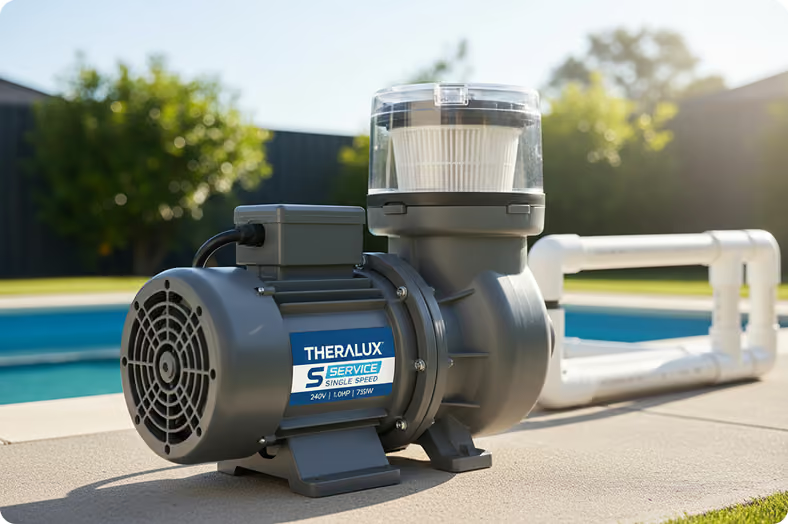
Pool Pump Leaking
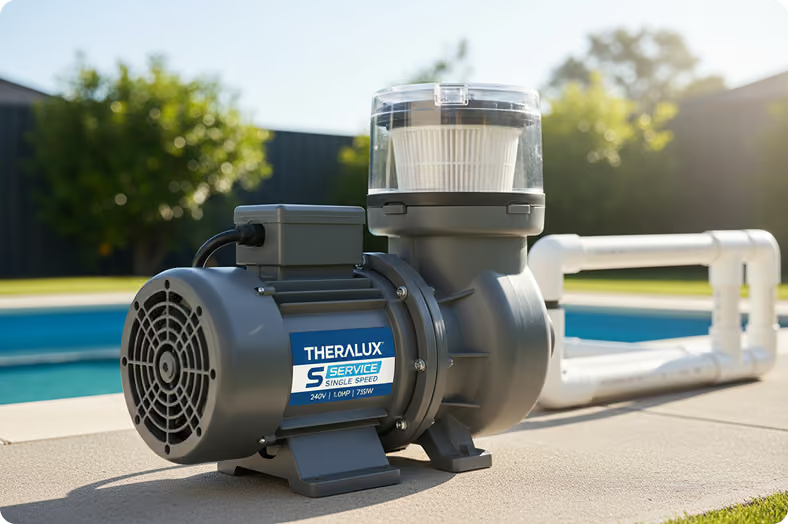
Pool Pump Not Pumping
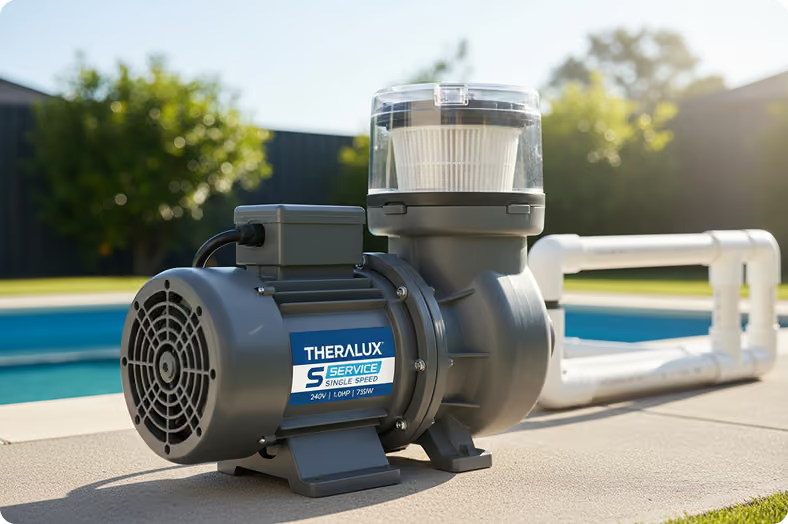
Pool Pump Losing Prime
Pool Pump Noisy
Pool Pump Not Working
Pool Water Foaming
Pool pH Too Low
Pool pH Too High
Green Pool After Rain
Pool Still Green After Shock
Pool Water Cloudy
How to Clear a Green Pool
Pool Care That Protects Your Investment
Good pool care protects more than appearance. Our pool specialists support the long-term condition of your swimming pool while keeping it ready for everyday use.