Pool Chlorine Levels

Why Auckland trusts our pool service expertise
Getting pool chlorine levels right is one of the most important parts of keeping your pool safe and clear. These key points cover the essentials, from target ranges to why levels drop and how to fix them.
Whether you are managing your pool yourself or looking for guidance before calling in a professional, these takeaways give you a clear starting point.
What you'll learn
What Chlorine Actually Does in Your Pool
Chlorine is the primary sanitiser in most residential pools. It kills bacteria, destroys algae, and breaks down organic matter, everything that builds up from swimmers, sunscreen, leaves, and rain.
When chlorine is added to pool water, it forms two compounds: free chlorine and combined chlorine. Free chlorine is the active sanitiser doing the work. Combined chlorine (also called chloramines) is the spent form, it has already reacted with contaminants and is largely ineffective. The sum of both is your total chlorine reading.
What matters most is your free chlorine level. That is the number to watch.
---
What Chlorine Levels Should Be
For a residential pool in New Zealand, the target ranges are:
- Free chlorine: 1.0-3.0 ppm (parts per million)
- Combined chlorine: below 0.5 ppm
- Total chlorine: free chlorine plus combined chlorine
These figures are the standard working range for a well-maintained pool. Staying within this band keeps the water safe for swimmers and protects your pool equipment and surfaces.
Why pH Affects Chlorine Effectiveness
Chlorine does not work in isolation. Its effectiveness depends heavily on your pool's pH level.
- At a pH of 7.2-7.6, chlorine is highly effective
- As pH rises above 7.8, chlorine becomes significantly less active, even if the reading looks fine on a test strip
- At pH 8.0 and above, a large portion of your chlorine is essentially inactive
This is one of the most common reasons a pool stays cloudy or develops algae despite regular chlorine dosing. The chlorine is there, but the pH is too high for it to work properly.
The Role of Cyanuric Acid (Stabiliser)
Cyanuric acid (CYA) is a stabiliser that protects chlorine from being broken down by UV sunlight. Without it, chlorine in an outdoor pool can be destroyed within a few hours on a sunny Auckland day.
The recommended range for cyanuric acid is 30-50 ppm. Above 80-100 ppm, the stabiliser starts to inhibit chlorine's ability to sanitise, a condition sometimes called chlorine lock. If your CYA is too high, the only reliable fix is a partial water change.
---
Why Chlorine Levels Drop
Chlorine demand in a pool is not constant. Several factors cause levels to fall faster than expected.
Sunlight
UV radiation from the sun breaks down free chlorine rapidly. On a clear summer day in Auckland, an unstabilised pool can lose most of its chlorine within a few hours. This is why outdoor pools need cyanuric acid and why chlorine levels often drop fastest over the weekend when the pool is in full sun and heavy use.
Heavy Swimmer Load
Every swimmer introduces organic matter, sweat, body oils, sunscreen, and other contaminants. Each of these reacts with free chlorine and consumes it. A pool used by a group of people will burn through chlorine much faster than one that sits unused.
Rain and Organic Matter
Rain dilutes pool water and can wash in organic debris from surrounding surfaces. Leaves, grass, and other organic material also consume chlorine as they decompose. After a storm or heavy rainfall, test your water and expect to need a top-up.
Algae Growth
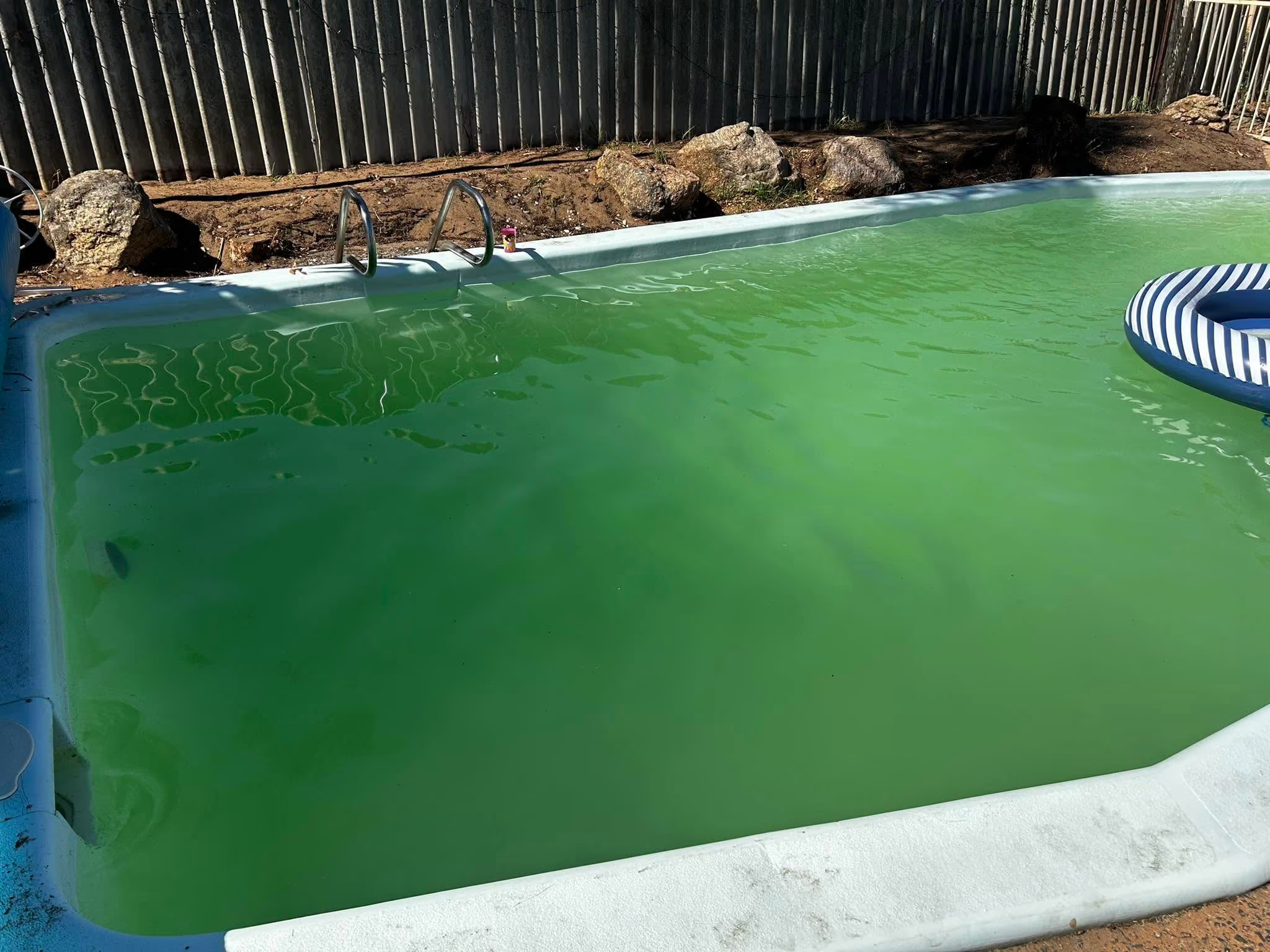
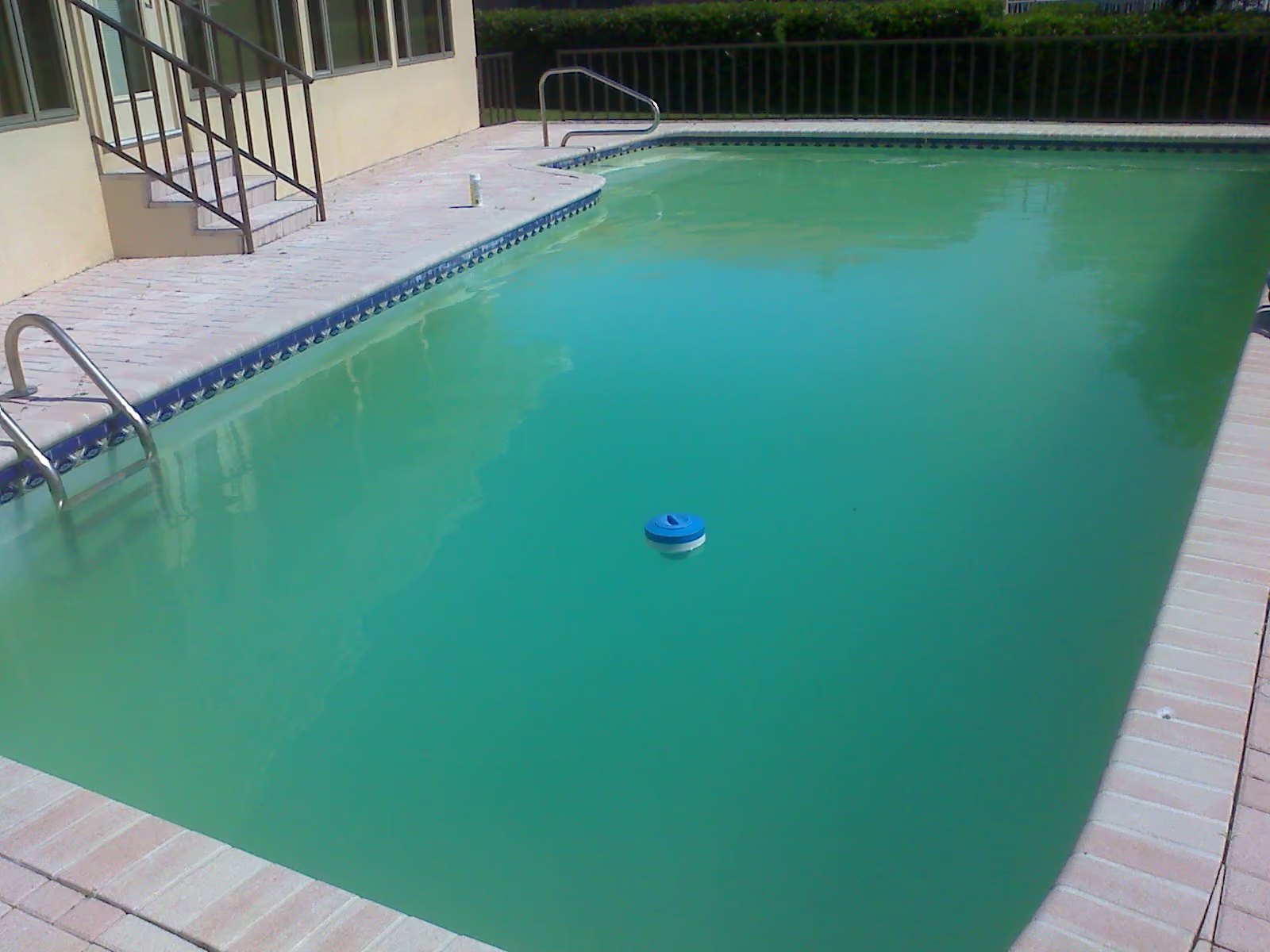
Algae consumes chlorine quickly. If your pool has gone green or is showing early signs of algae (a slightly cloudy or greenish tint), your chlorine is likely being overwhelmed. Simply adding more chlorine may not be enough, see the section on shocking below.
Incorrect pH or High Stabiliser
As covered above, high pH and excessive cyanuric acid both reduce chlorine's effectiveness. Your chlorine reading may look acceptable while the actual sanitising power is well below what it should be.
---
How to Test Your Chlorine Levels
Accurate testing is the foundation of good pool chemistry. There are two main options for home testing.
Test Strips
Test strips are quick and easy. Dip the strip in the water, wait the specified time, and compare the colour to the chart on the packaging. They give a reasonable indication of free chlorine and pH, but they are less precise than liquid test kits and can give misleading results if the strips are old or stored incorrectly.
Liquid Test Kits
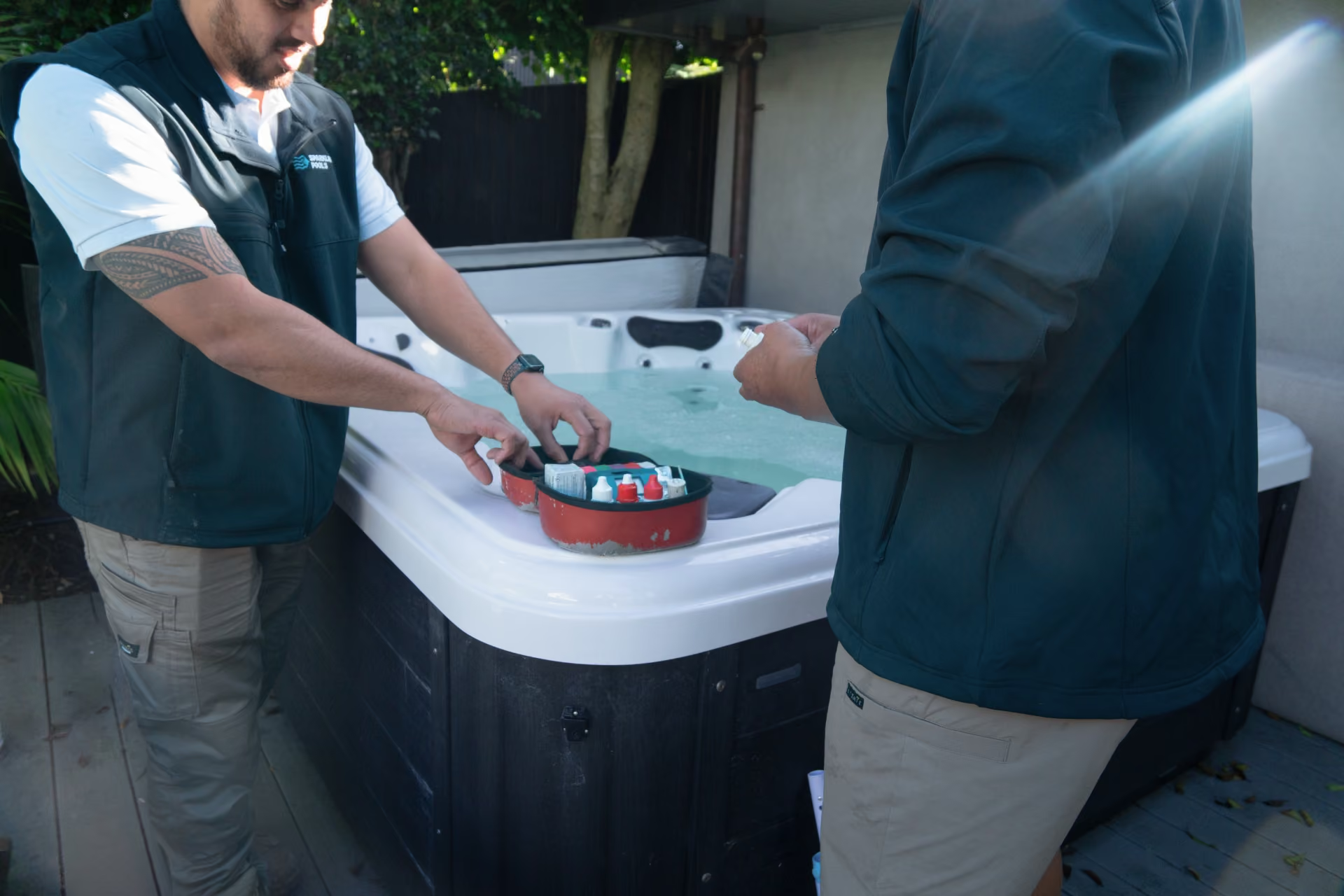
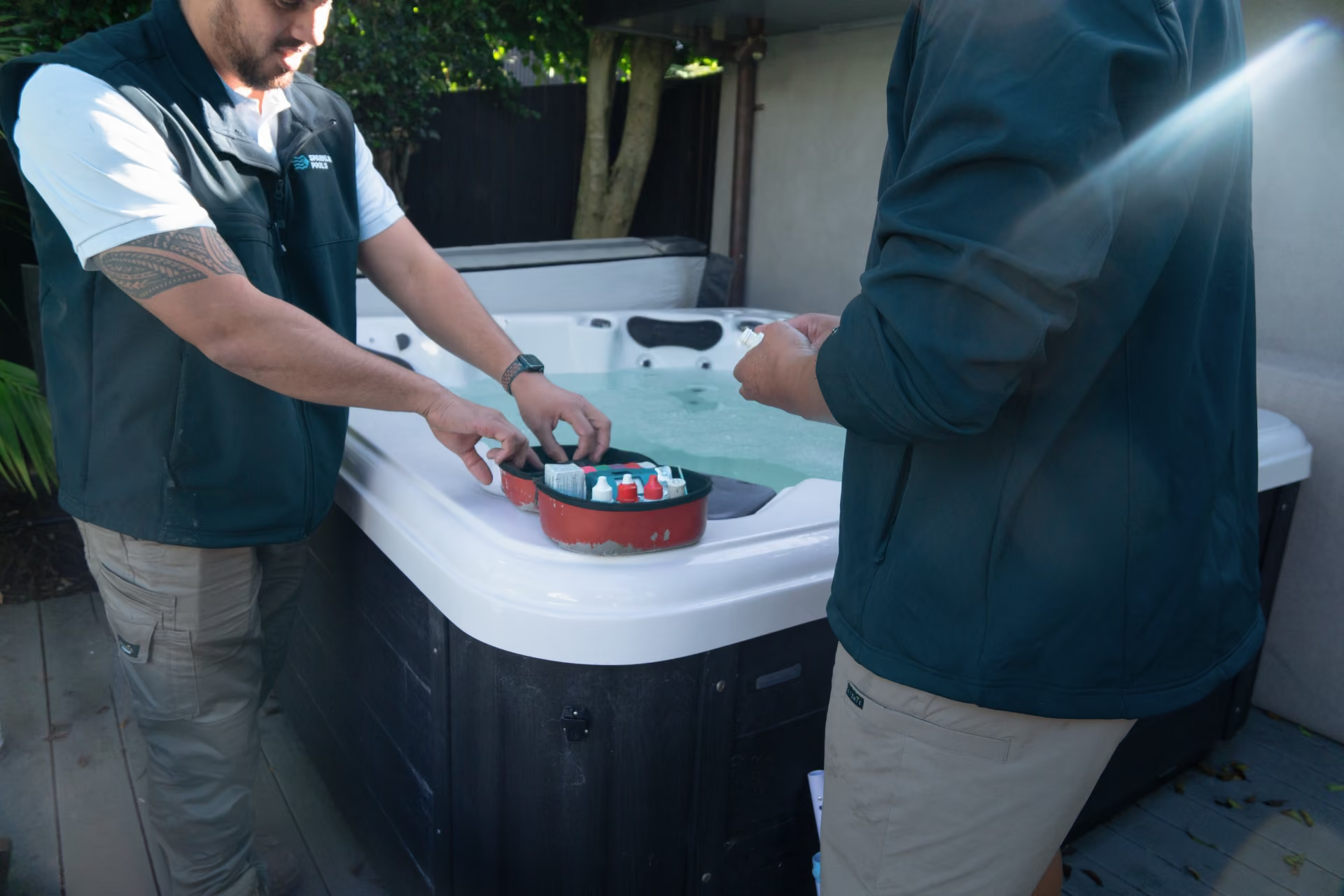
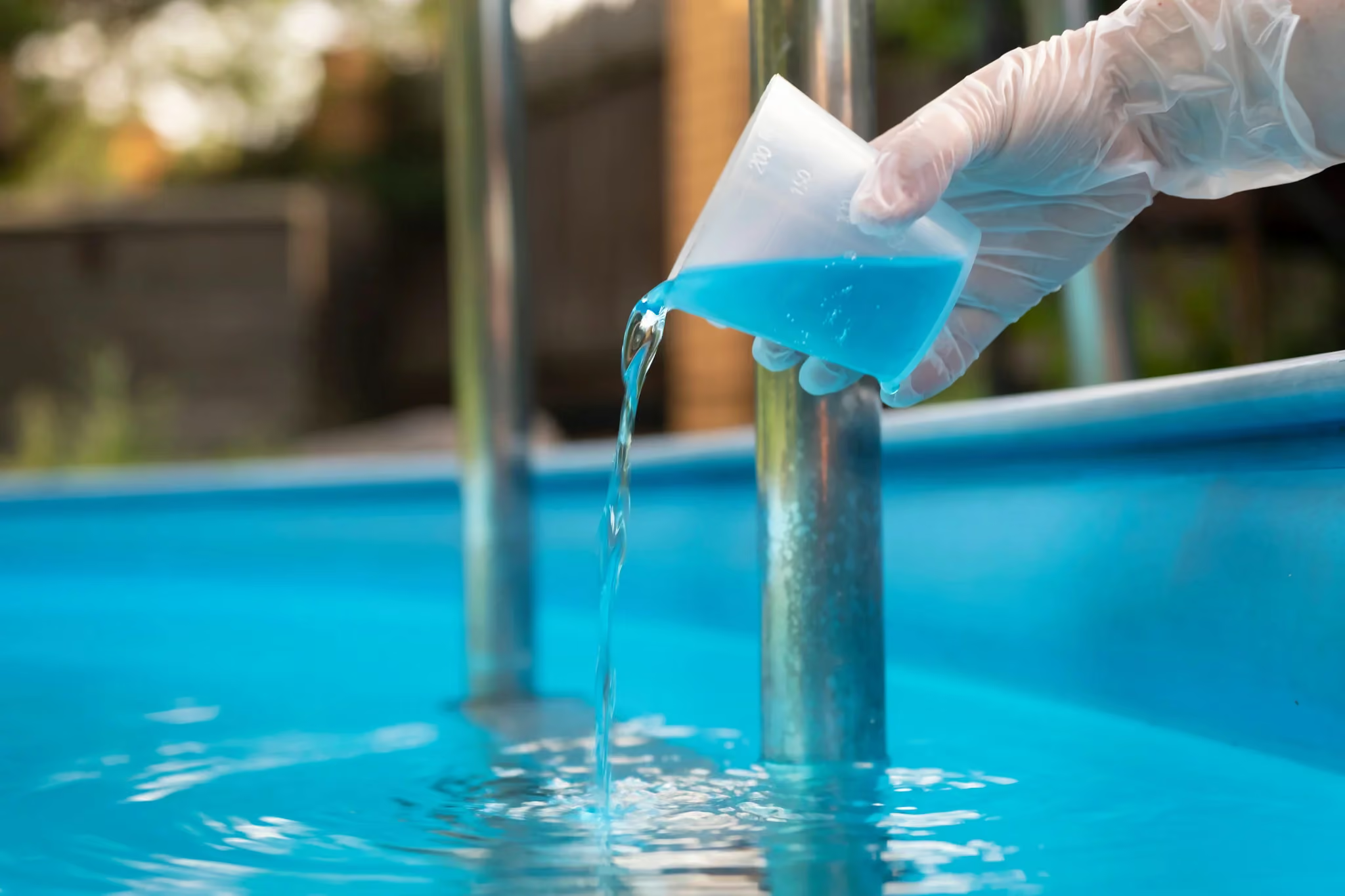
A DPD liquid test kit gives a more accurate reading of free and total chlorine. These kits use reagent drops added to a water sample, producing a colour change you compare against a reference. They take a little more time but are more reliable for ongoing management.
On-Site Professional Testing
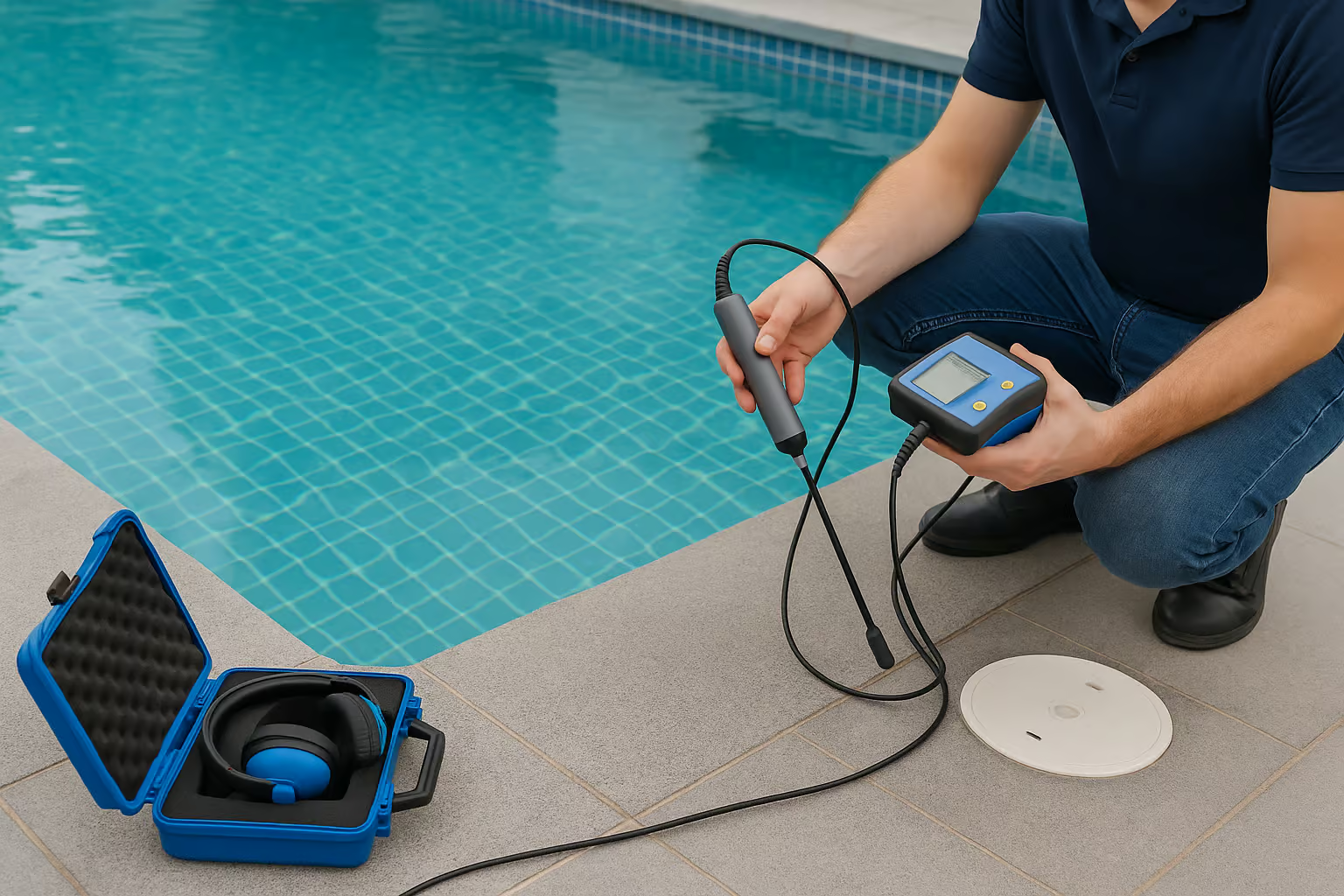
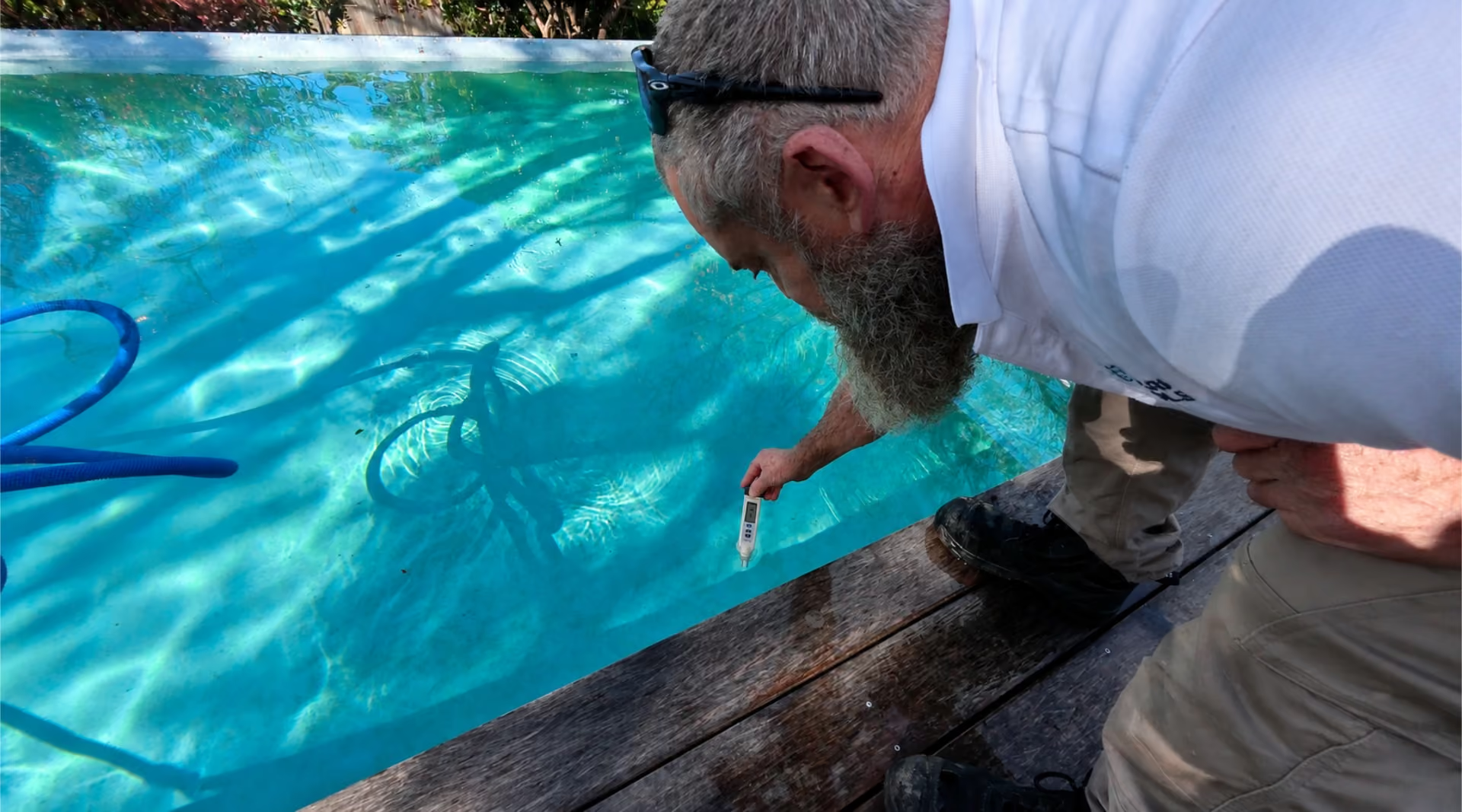
For a complete picture, including cyanuric acid, calcium hardness, total dissolved solids, and alkalinity, a professional water test is the most thorough option. Sparkling Pools carries out on-site water testing at your home across Auckland, testing everything on location and advising on what adjustments are needed.
---
How to Raise Low Chlorine Levels
If your free chlorine has dropped below 1.0 ppm, here is how to bring it back up.
Step 1: Test pH First
Before adding chlorine, check your pH. If it is above 7.6, bring it down first. Adding chlorine to high-pH water is largely wasted effort.
Step 2: Choose the Right Chlorine Product
Common chlorine products for residential pools include:
- Granular chlorine (calcium hypochlorite or sodium dichloro): Fast-acting, good for raising levels quickly
- Chlorine tablets (trichloro): Slow-dissolving, used in floaters or skimmer baskets for ongoing dosing
- Liquid chlorine (sodium hypochlorite): Fast-acting, no stabiliser added
Each product has a different chlorine concentration and stabiliser content. Follow the dosing instructions on the packaging based on your pool's volume.
Step 3: Shock the Pool if Needed
If your combined chlorine is above 0.5 ppm, or if the pool has gone cloudy or green, a shock treatment is required. Shocking means adding a large dose of chlorine, typically enough to raise the free chlorine level to 10 ppm or higher, to break down chloramines and kill algae or bacteria.
- Run the pump and filter during and after shocking
- Shock in the evening to reduce UV loss
- Retest after 24 hours before swimming
Step 4: Retest and Adjust
After dosing, wait for the chlorine to circulate fully, at least a few hours with the pump running, then retest. Adjust as needed until the free chlorine sits in the 1.0-3.0 ppm range.
---
How to Lower High Chlorine Levels
Chlorine above 5 ppm can irritate eyes and skin and is not safe for swimming. High levels are most common after a shock treatment or accidental overdose.
- Stop adding chlorine and allow levels to drop naturally through sunlight and use
- Run the pump to circulate and aerate the water
- Do not swim until levels return to below 3 ppm
- If you need to lower levels quickly, a chlorine neutraliser (sodium thiosulphate) can be used, follow dosing instructions carefully, as overdosing will drop chlorine too far
---
Keeping Chlorine Levels Stable: Ongoing Maintenance
Consistent chlorine levels come from consistent habits. A few practical steps make a real difference.
- Test your water at least twice a week during summer, and weekly in cooler months
- Maintain pH between 7.2 and 7.6, this is as important as the chlorine dose itself
- Keep cyanuric acid in the 30-50 ppm range, test it every few months and adjust with a partial drain if it climbs too high
- Run your pump long enough each day, circulation distributes chlorine evenly and prevents dead spots where algae can take hold
- Clean the pool regularly, removing leaves and debris reduces the organic load that consumes chlorine
- Shock after heavy use or storms, do not wait for the water to look cloudy before acting
---
When to Call a Professional
Most chlorine issues can be managed at home with regular testing and the right products. However, there are situations where it is worth getting professional help.
- Your chlorine levels keep dropping despite regular dosing and correct pH
- The pool has gone green and is not responding to shock treatment after 48 hours
- You are getting inconsistent test results and are unsure what to trust
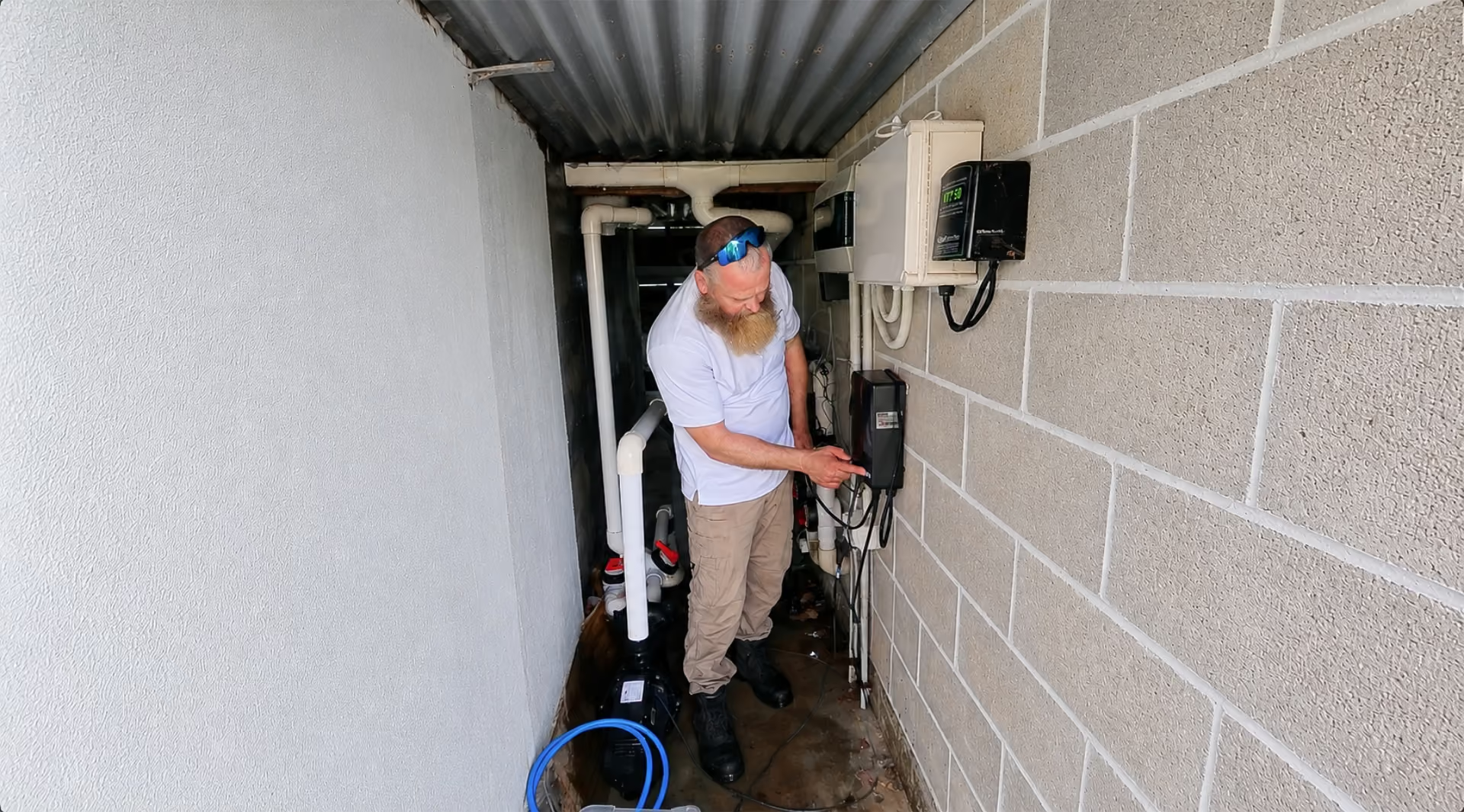
- You suspect your chlorinator is not producing correctly
- You want a full water analysis before opening the pool for summer or after a long period of no use
Sparkling Pools provides on-site water testing across Auckland and can advise on the right course of action based on your actual water chemistry, not a guess.
Pool resurfacing solutions
Restore your pool with durable plaster finishes

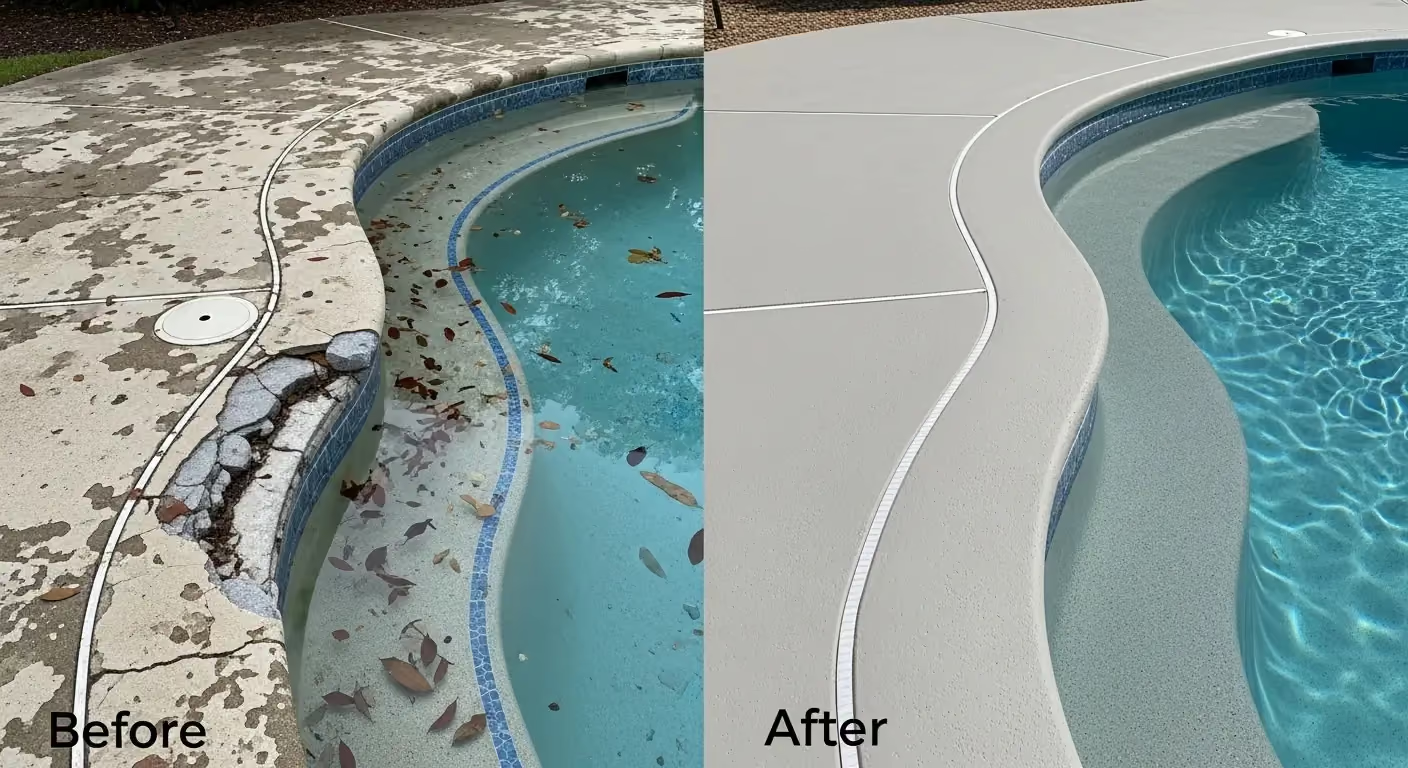
Work completed
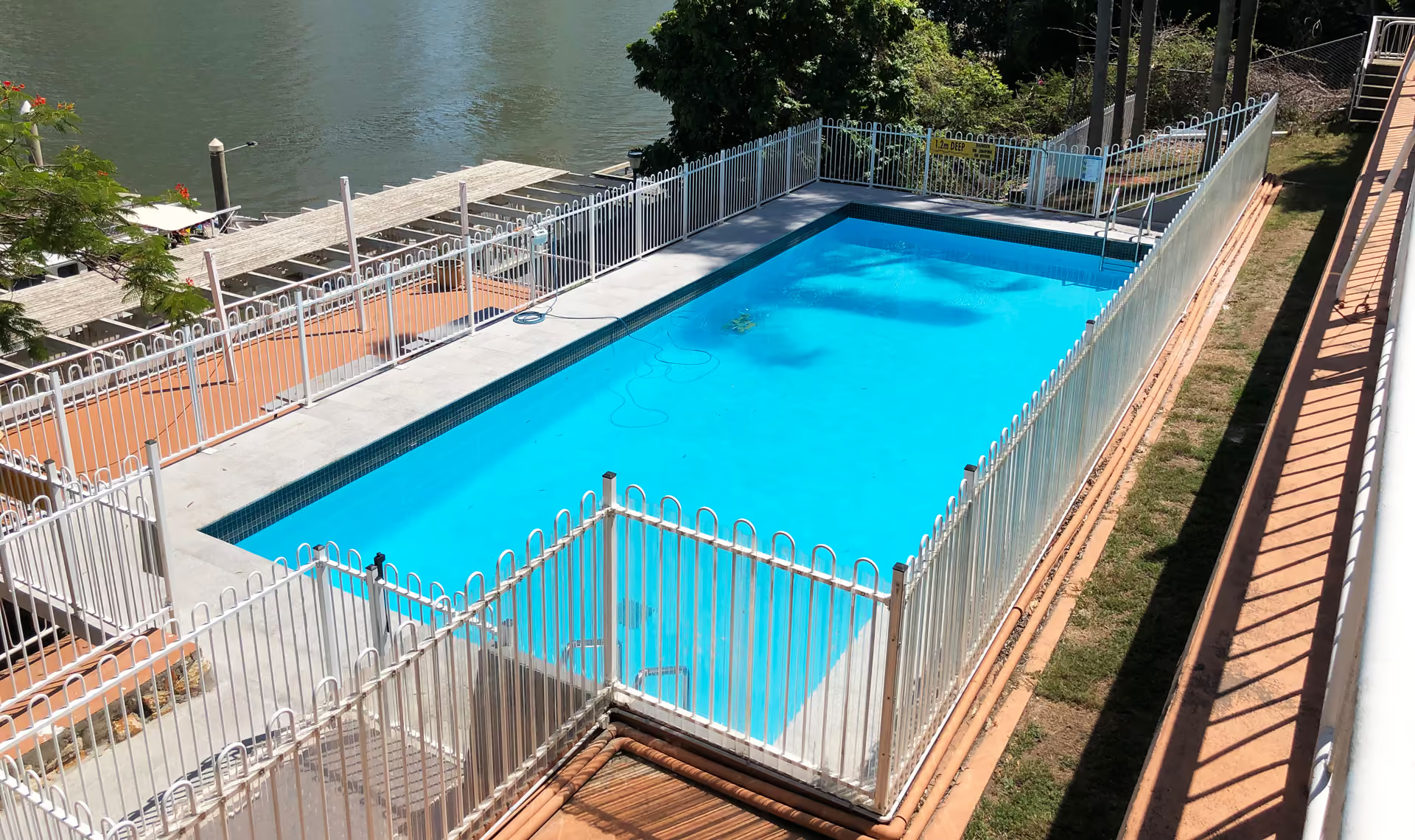
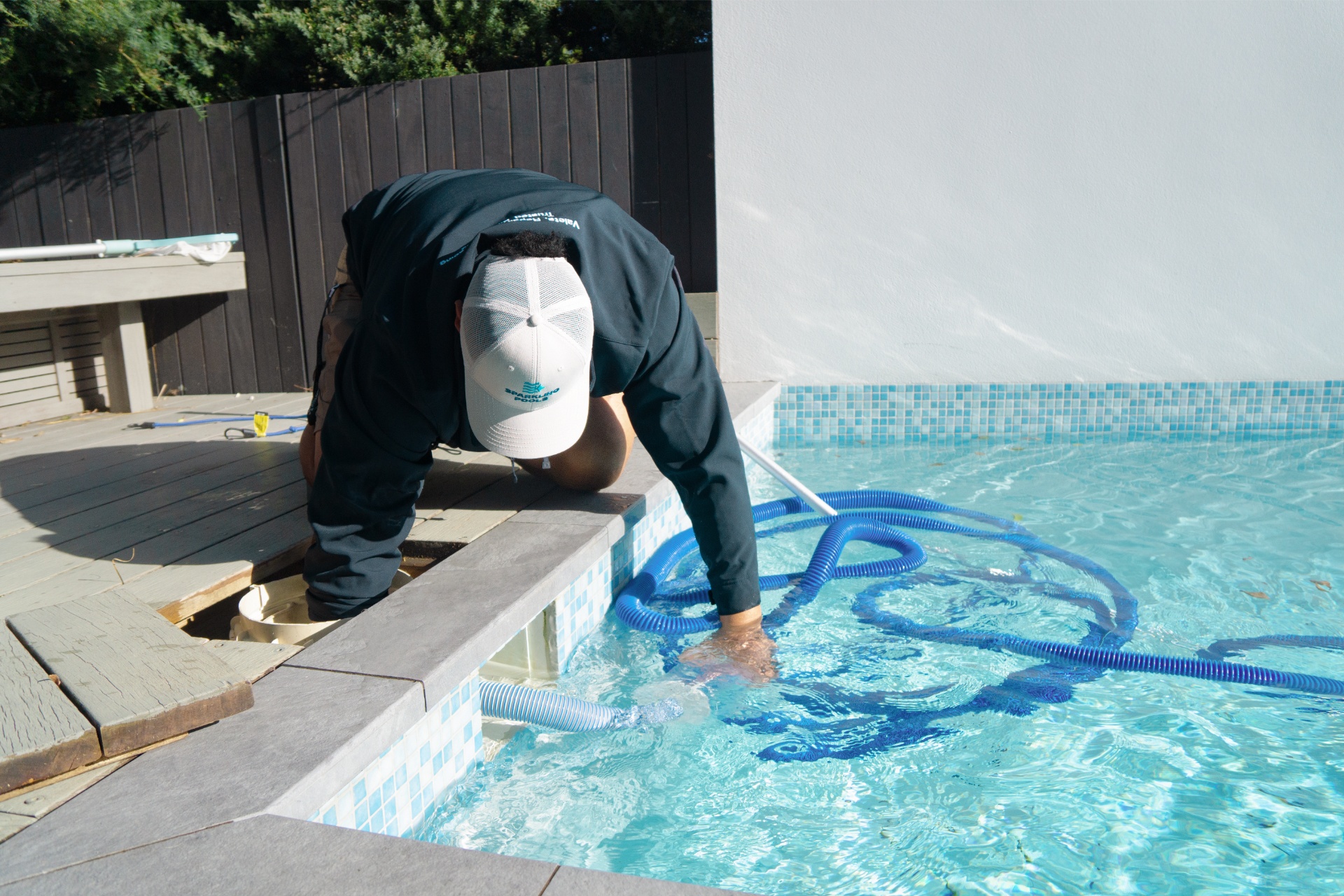
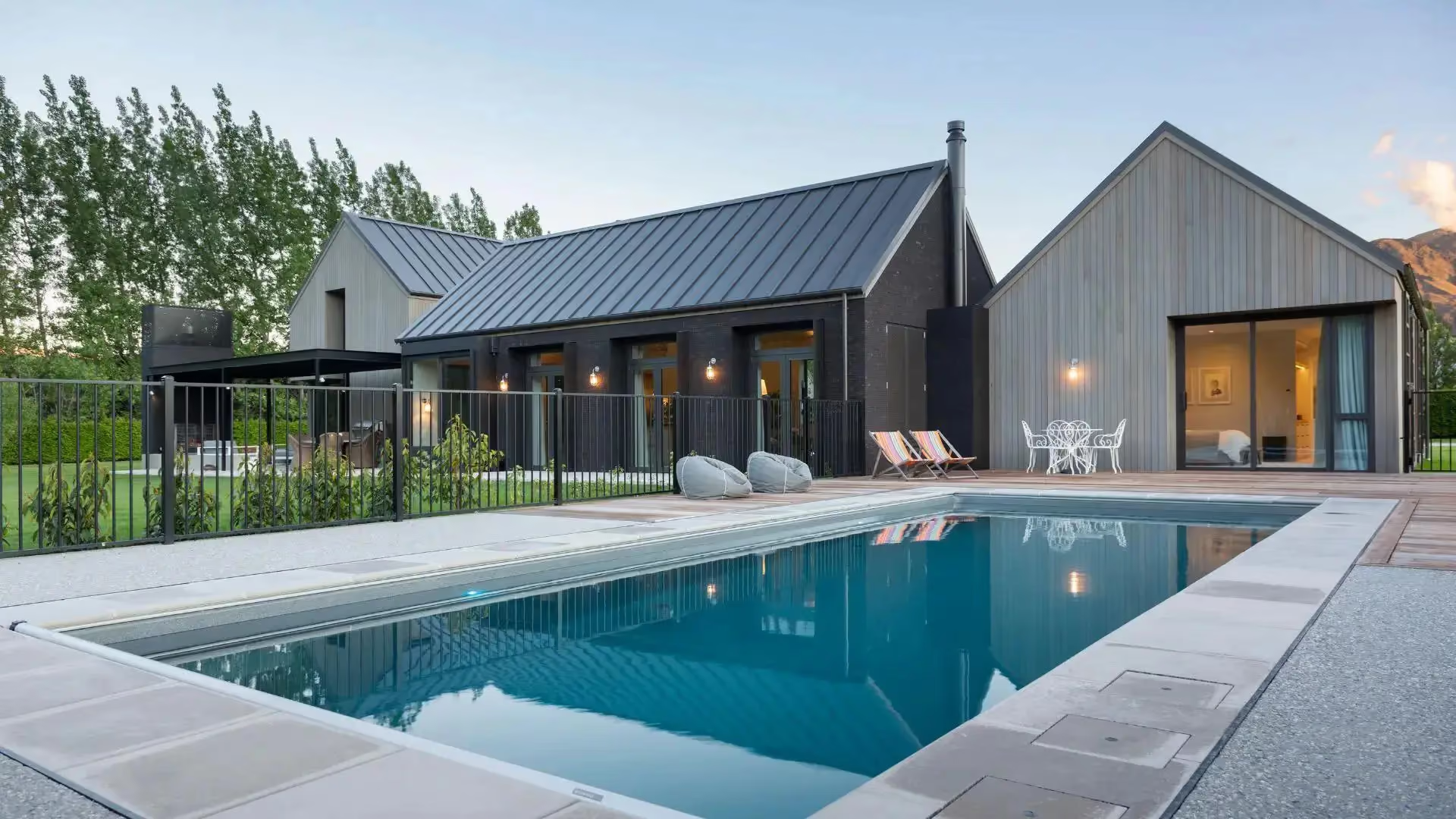
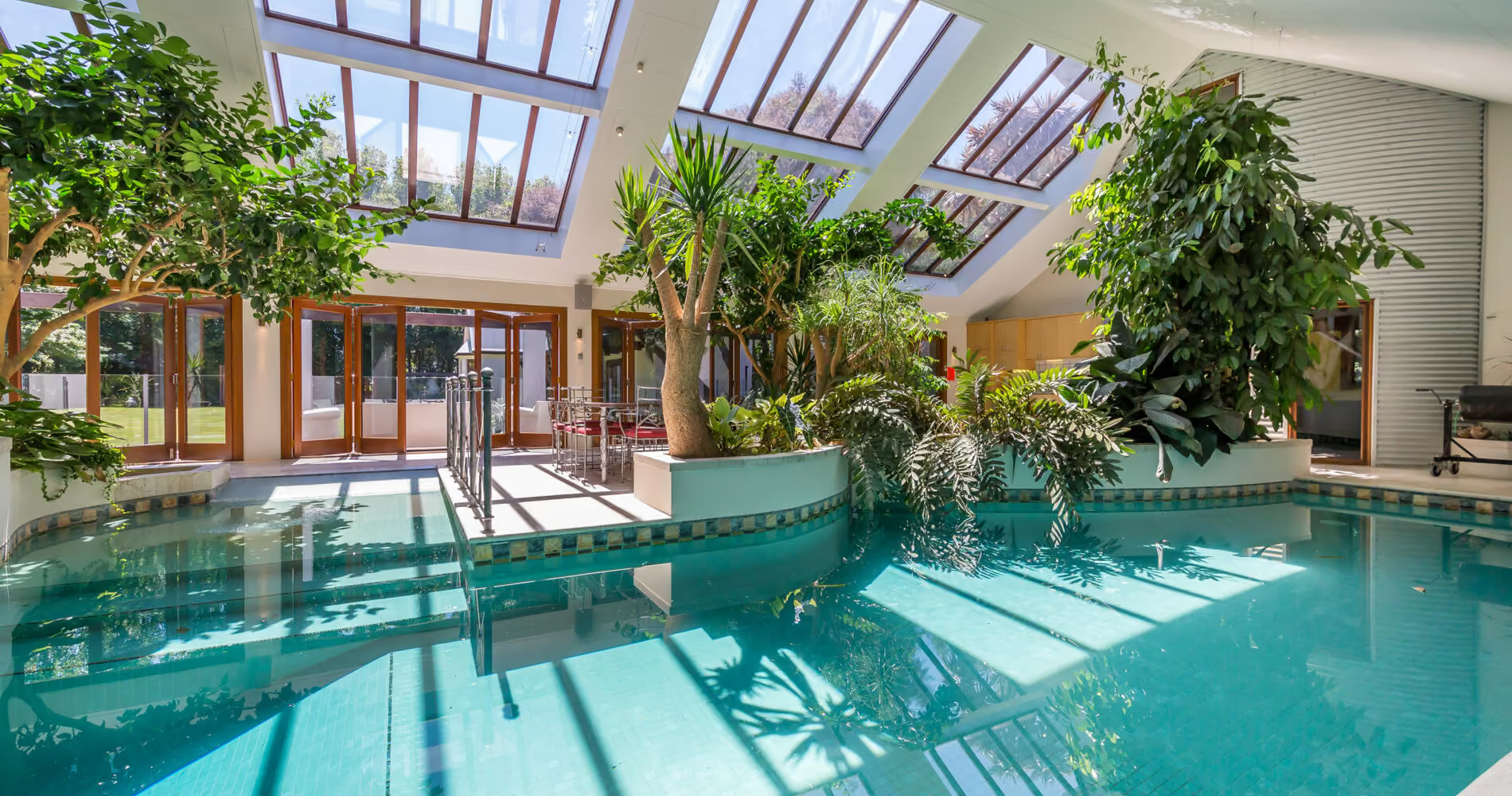
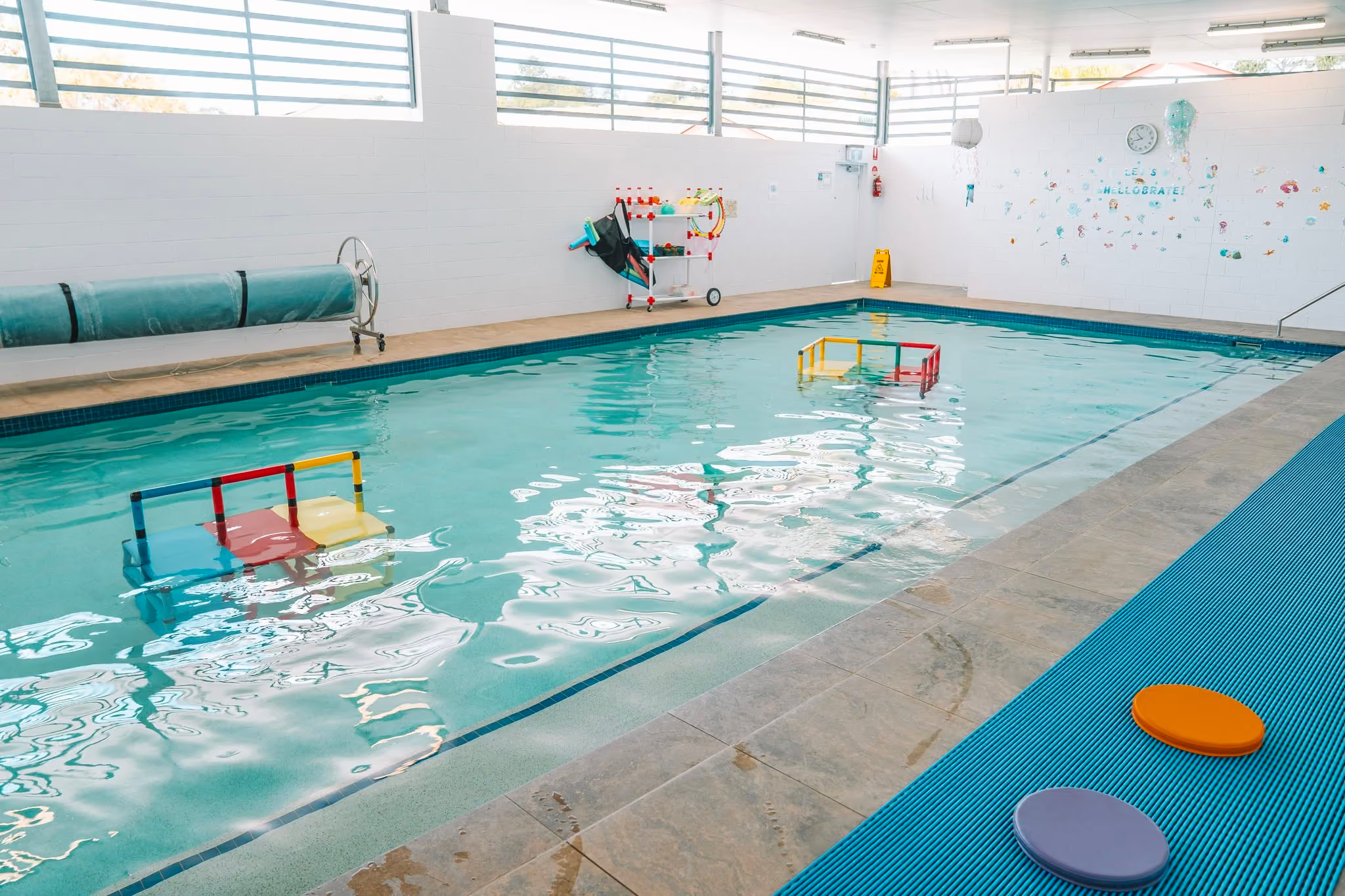
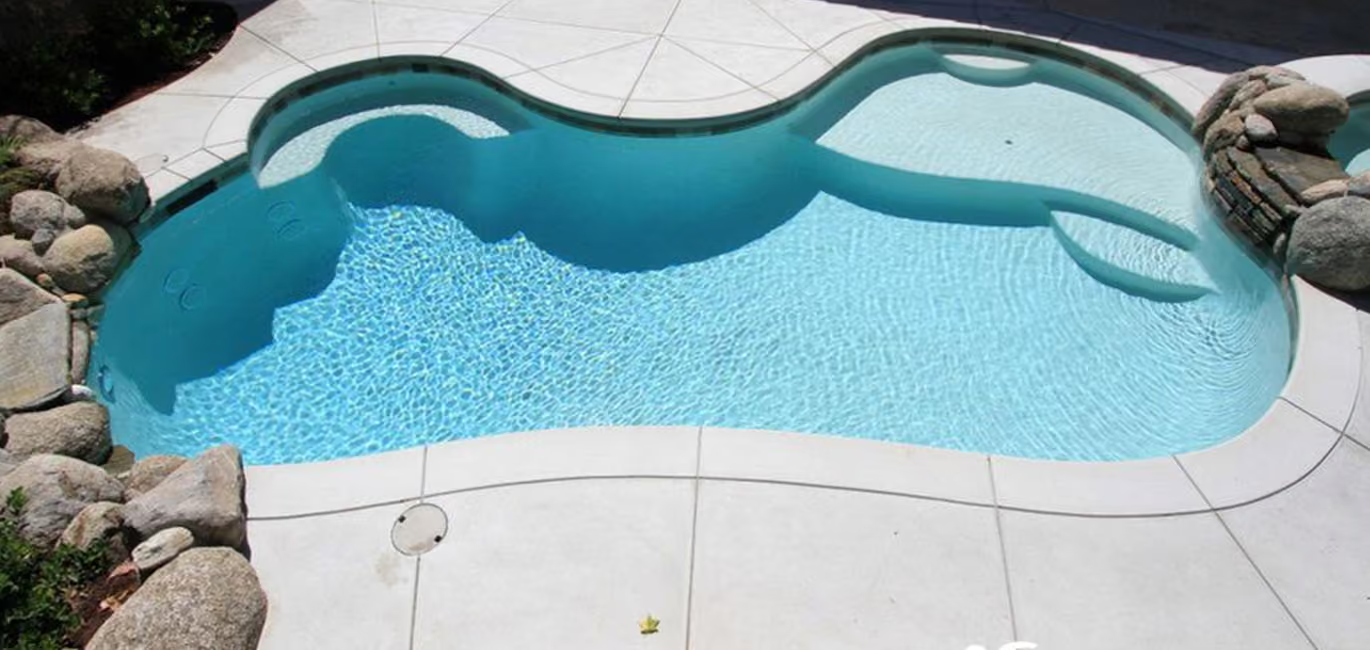
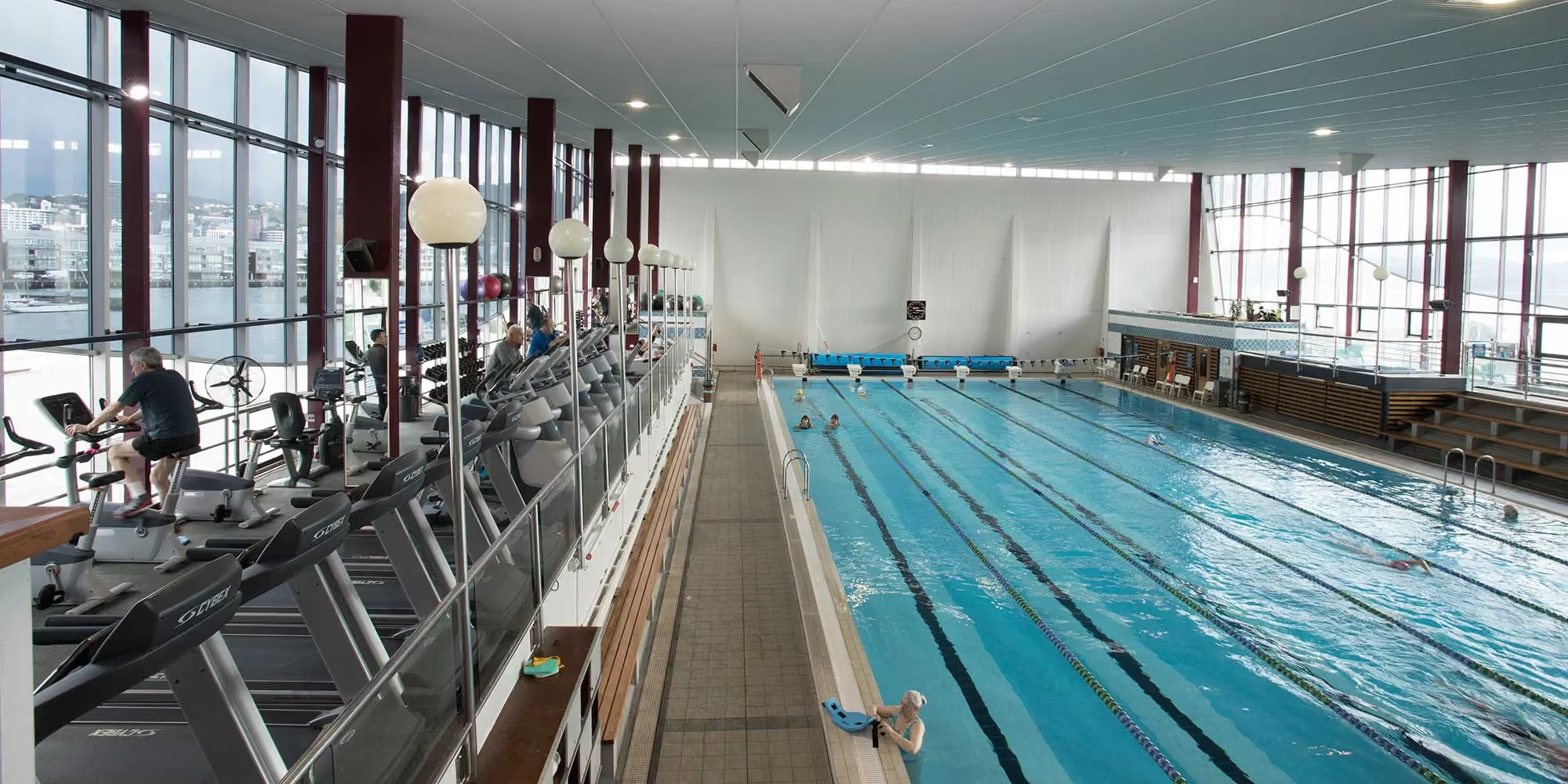
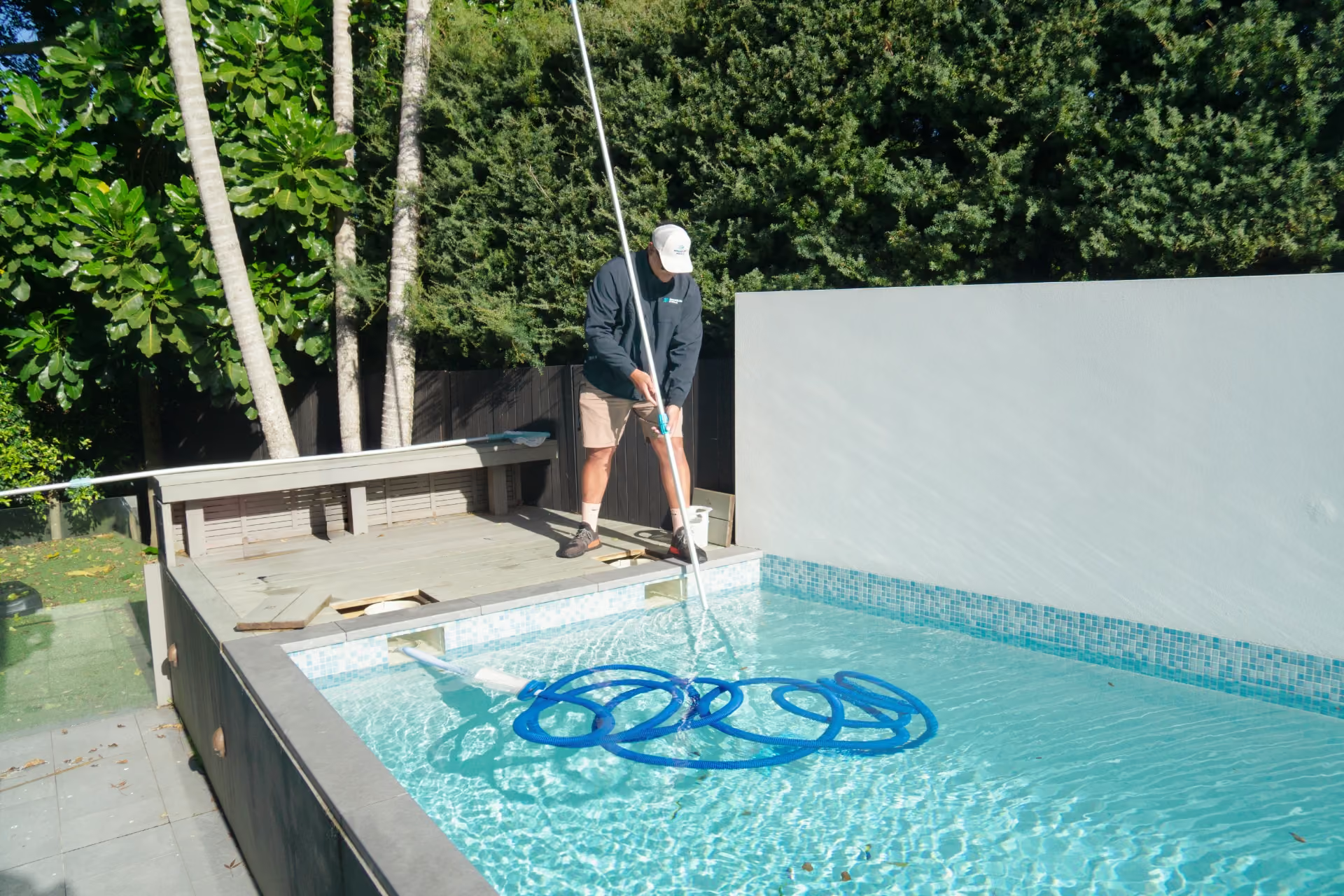
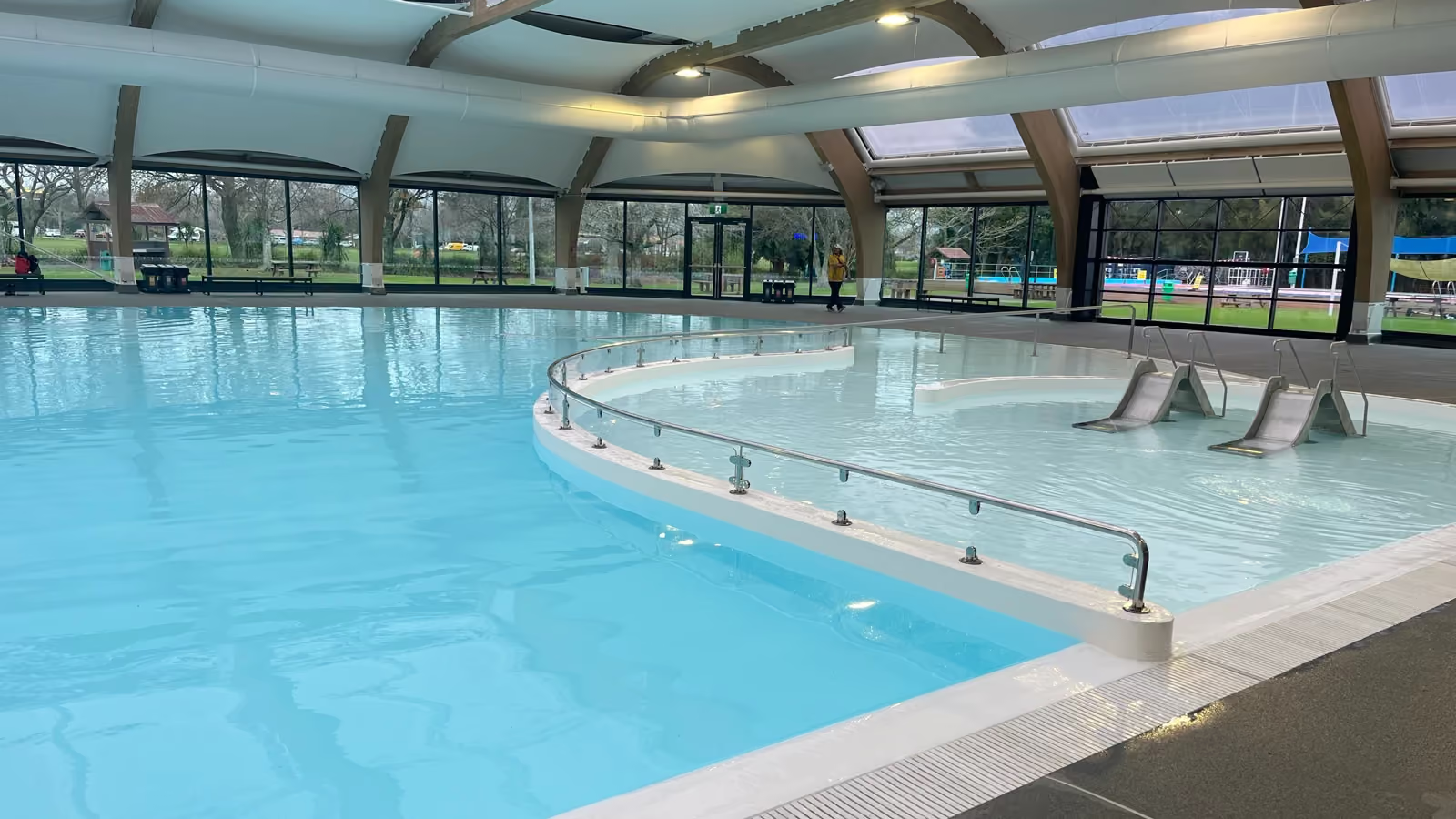
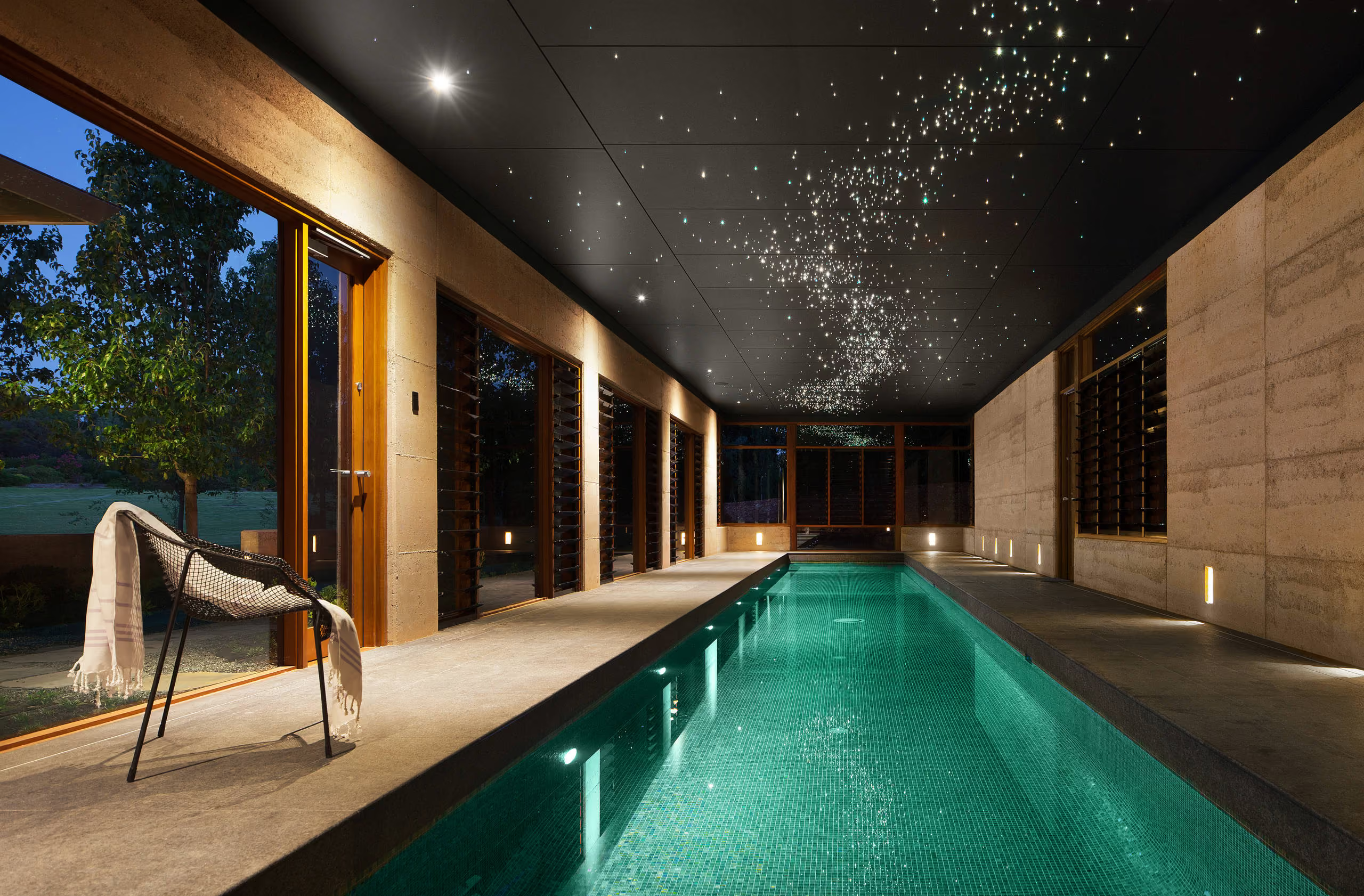
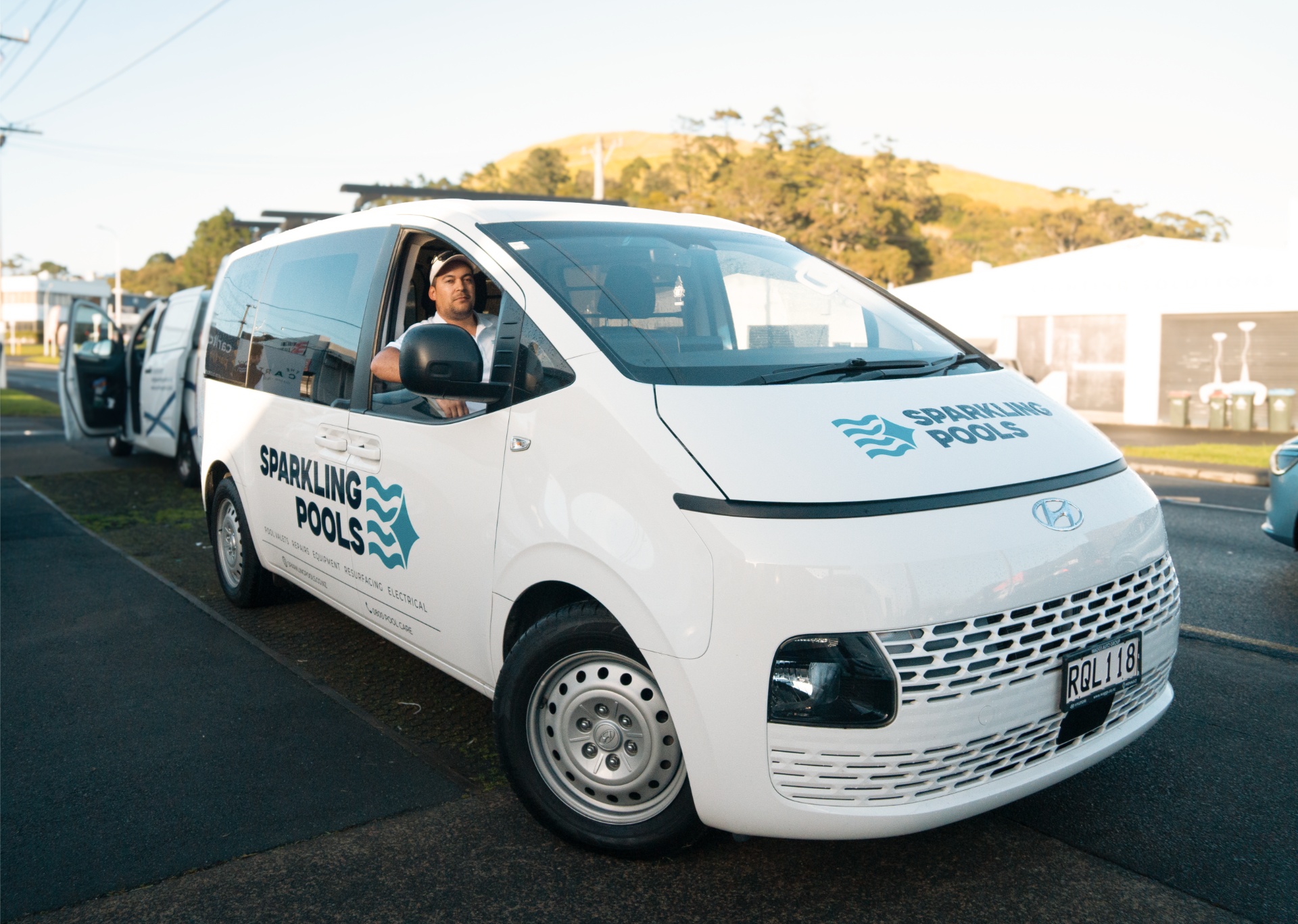
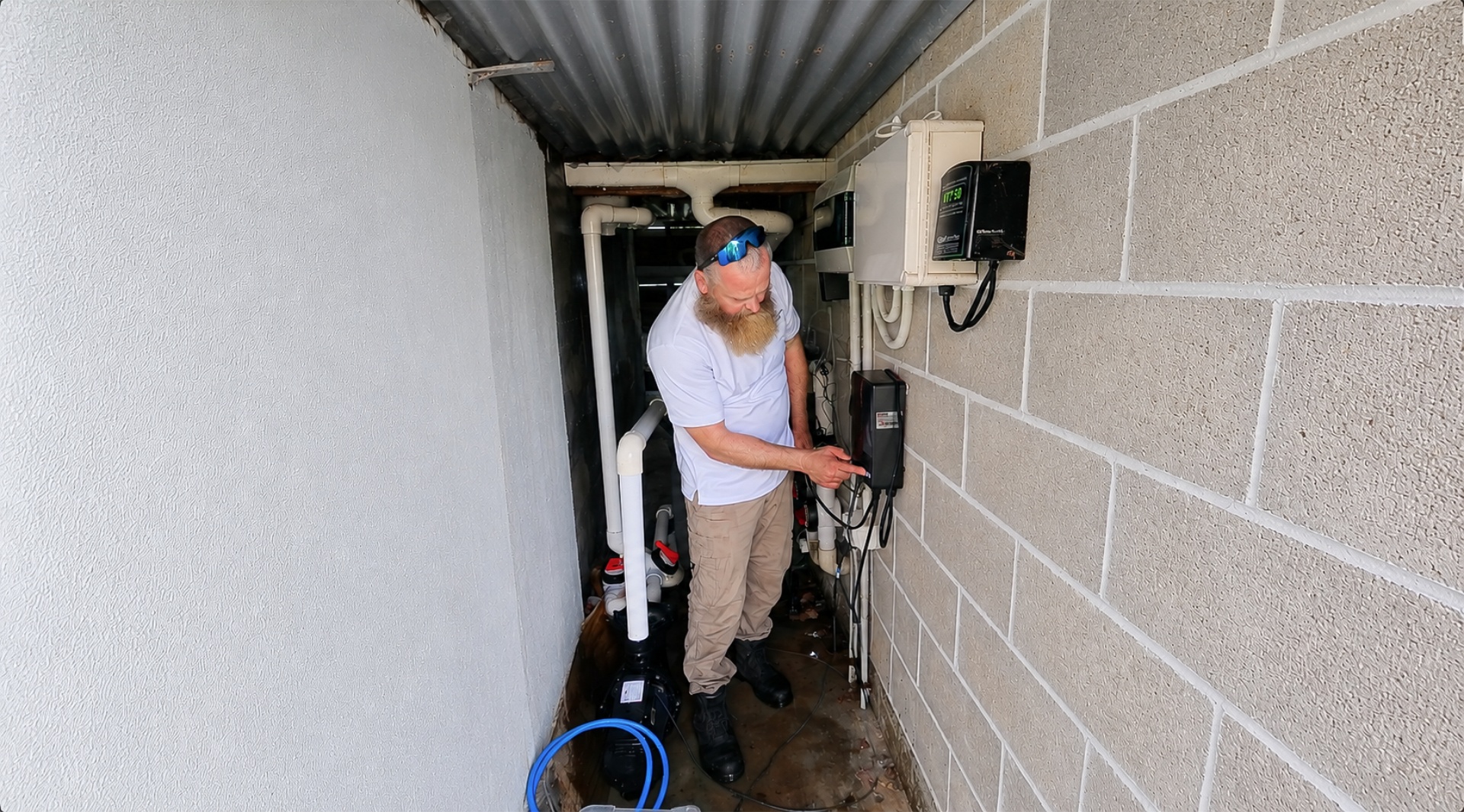
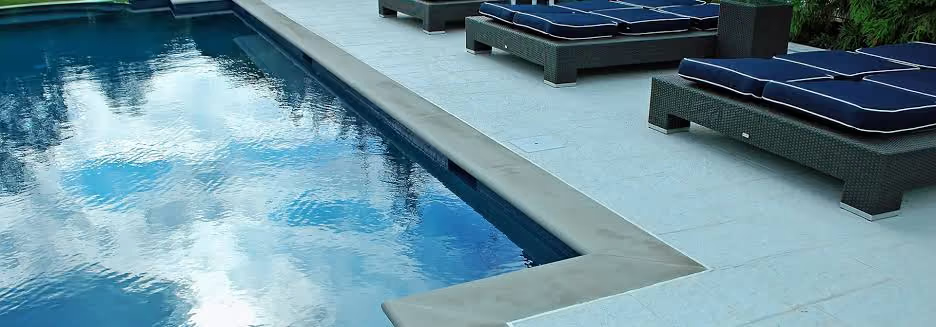
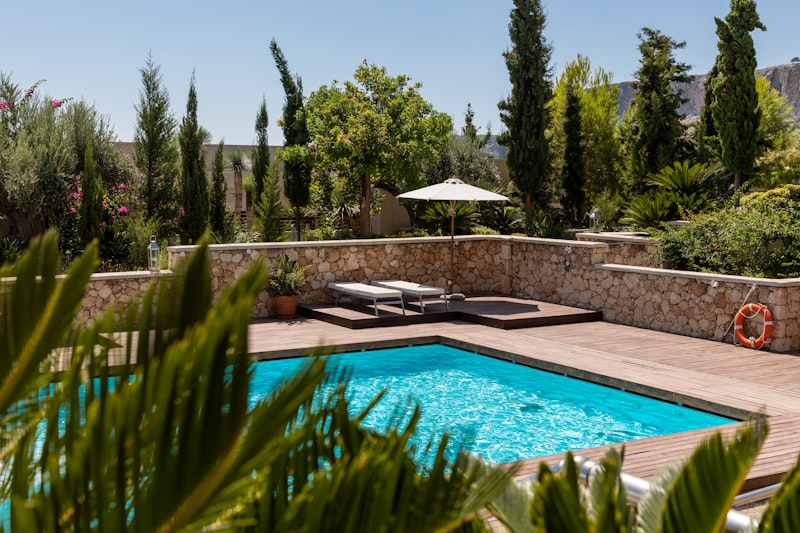
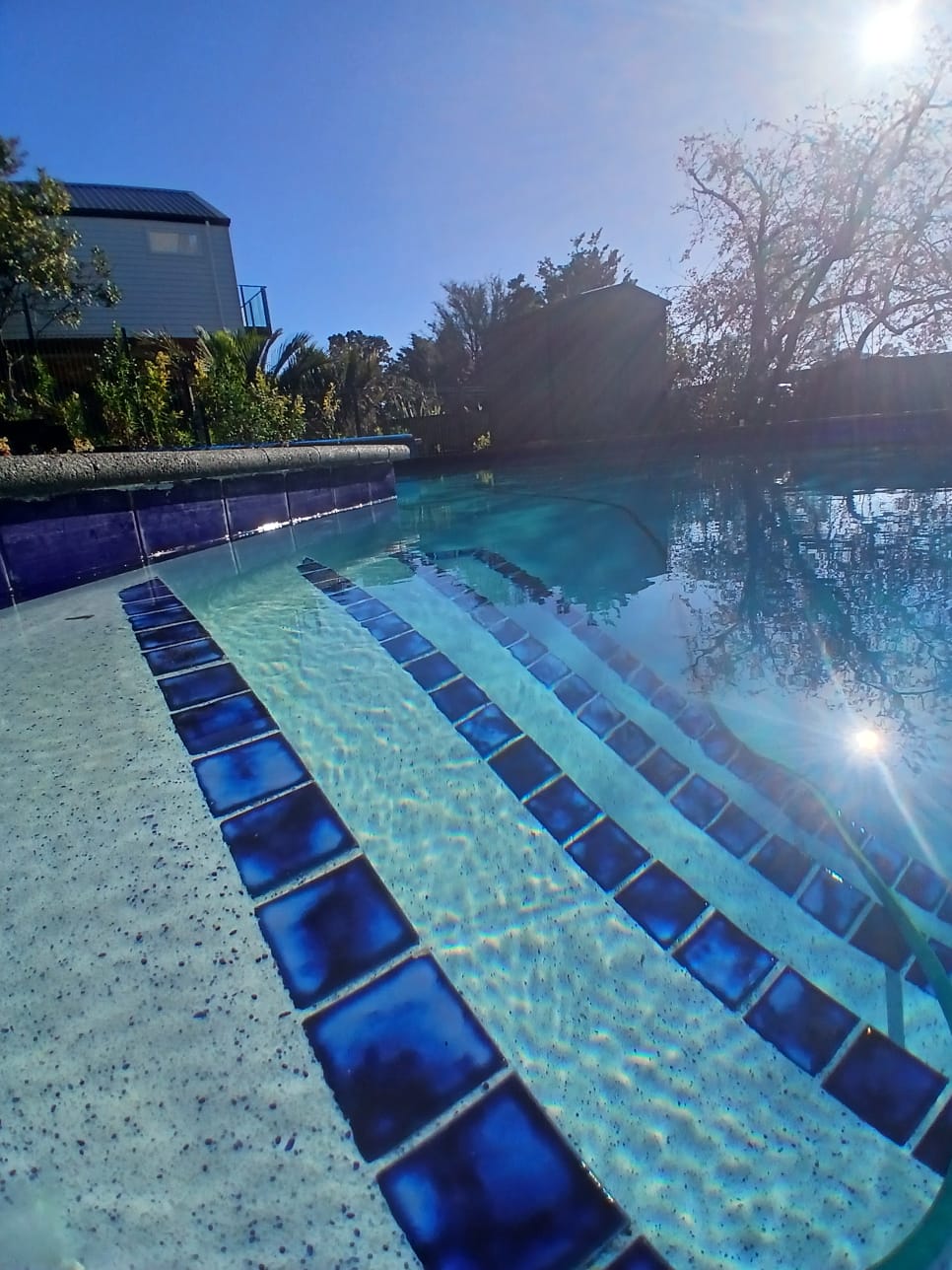
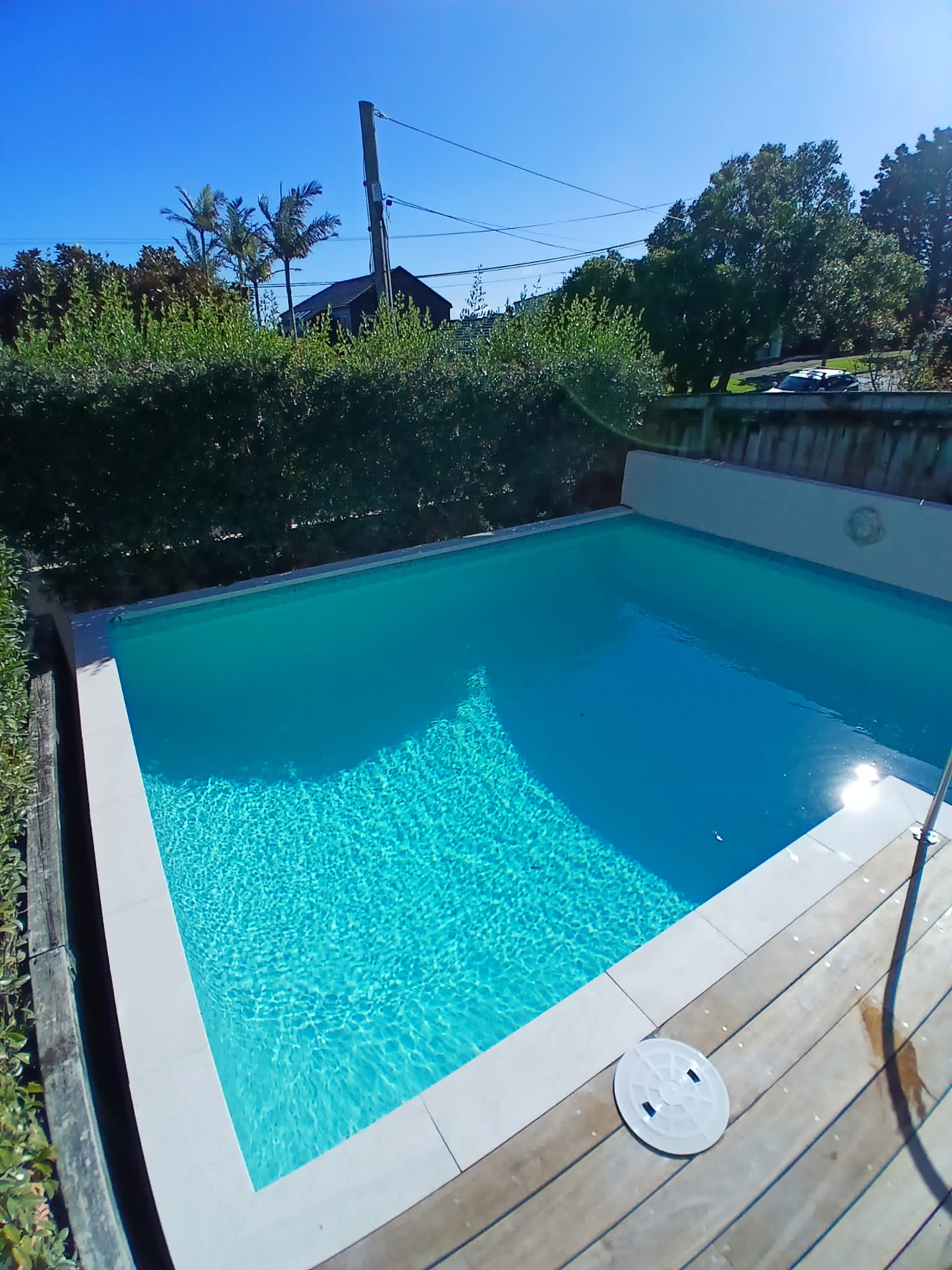
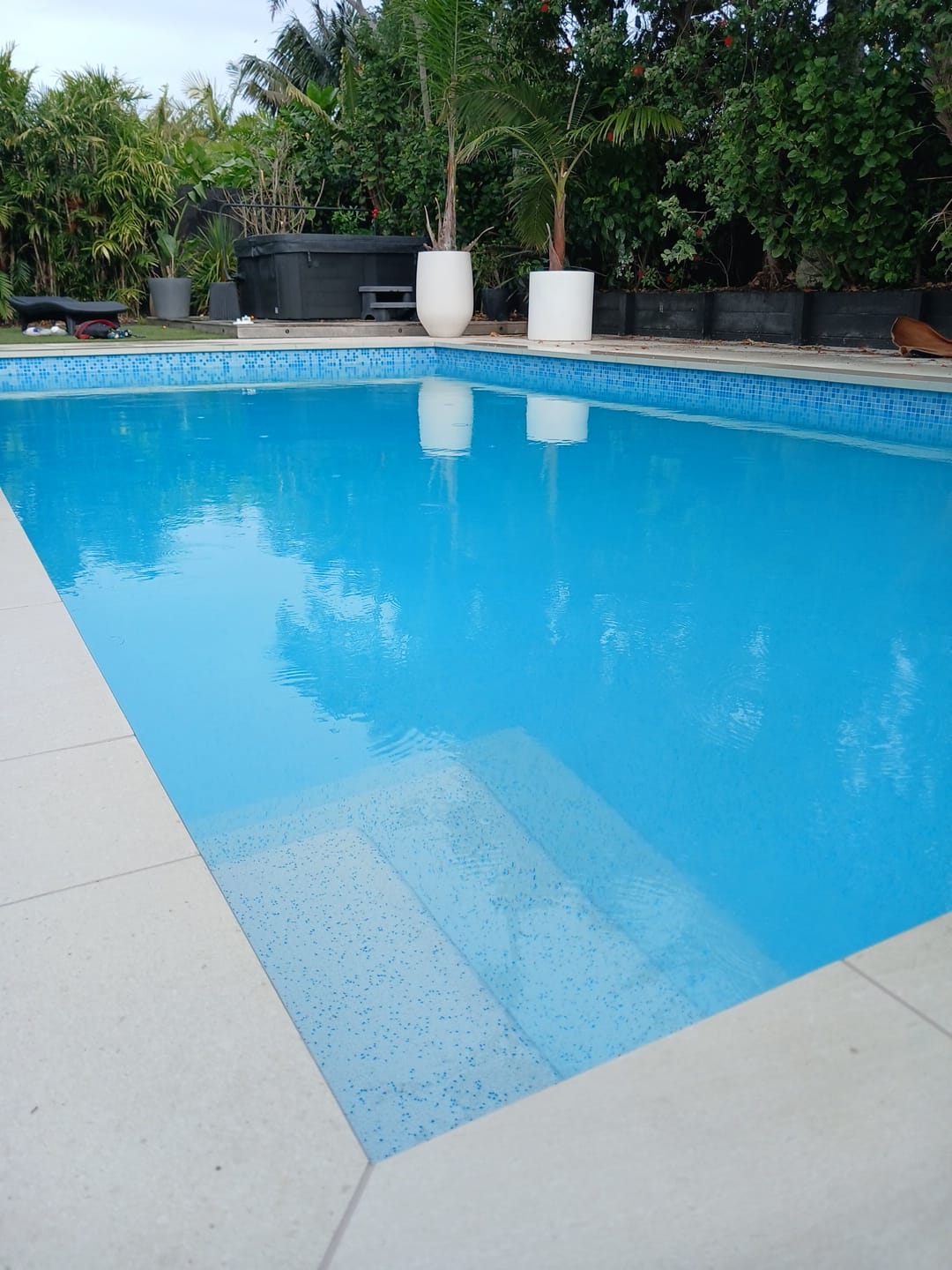
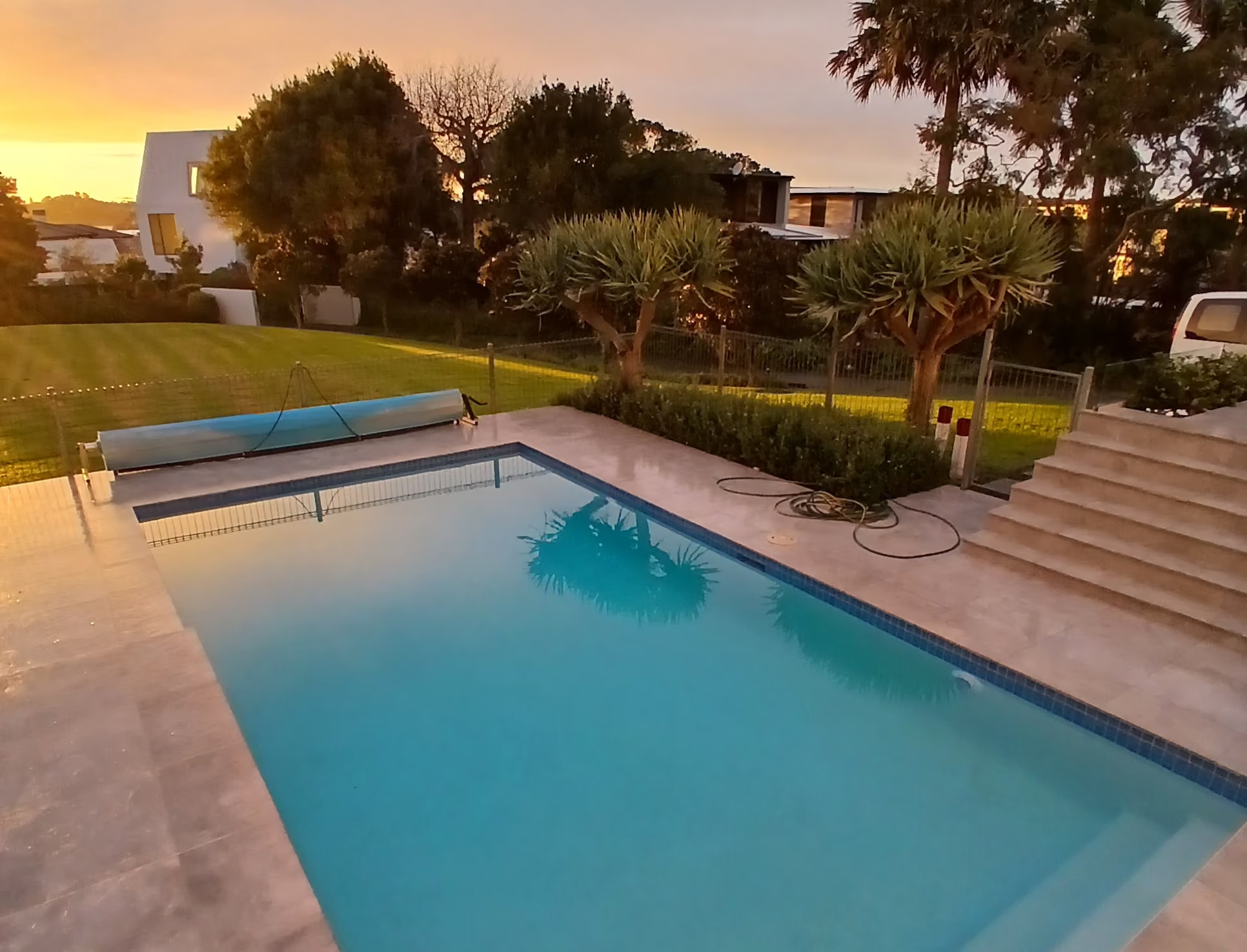
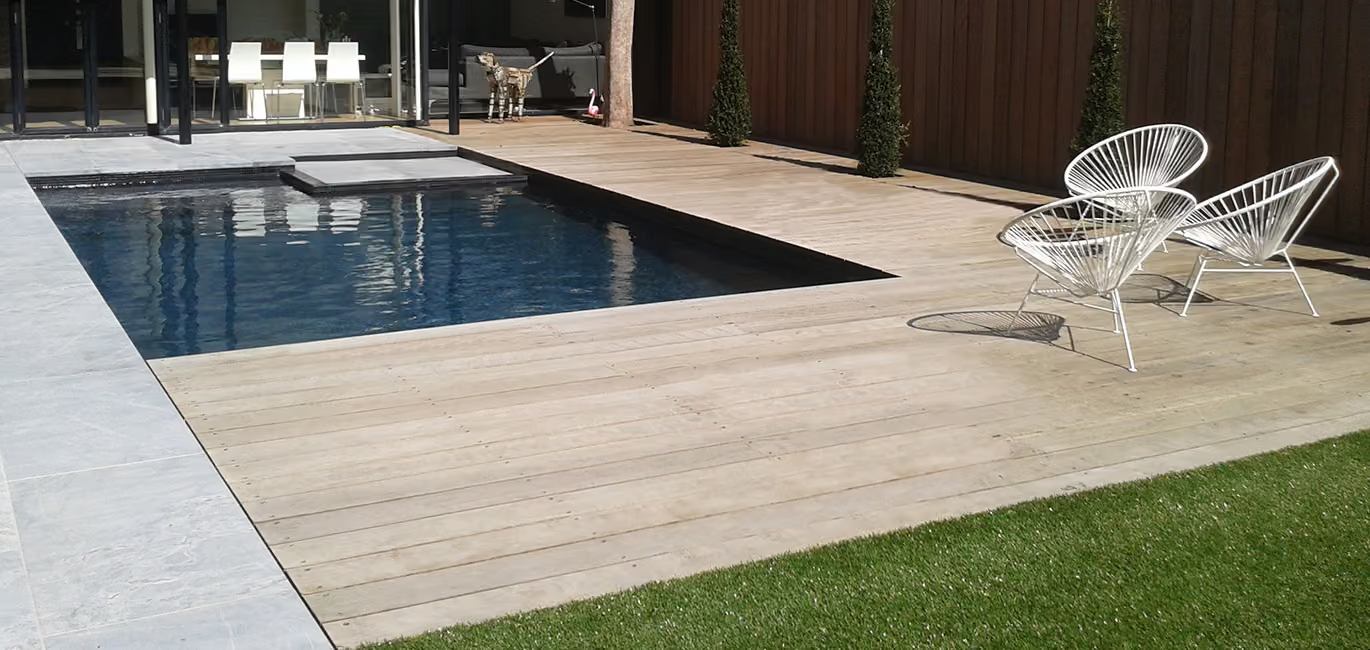
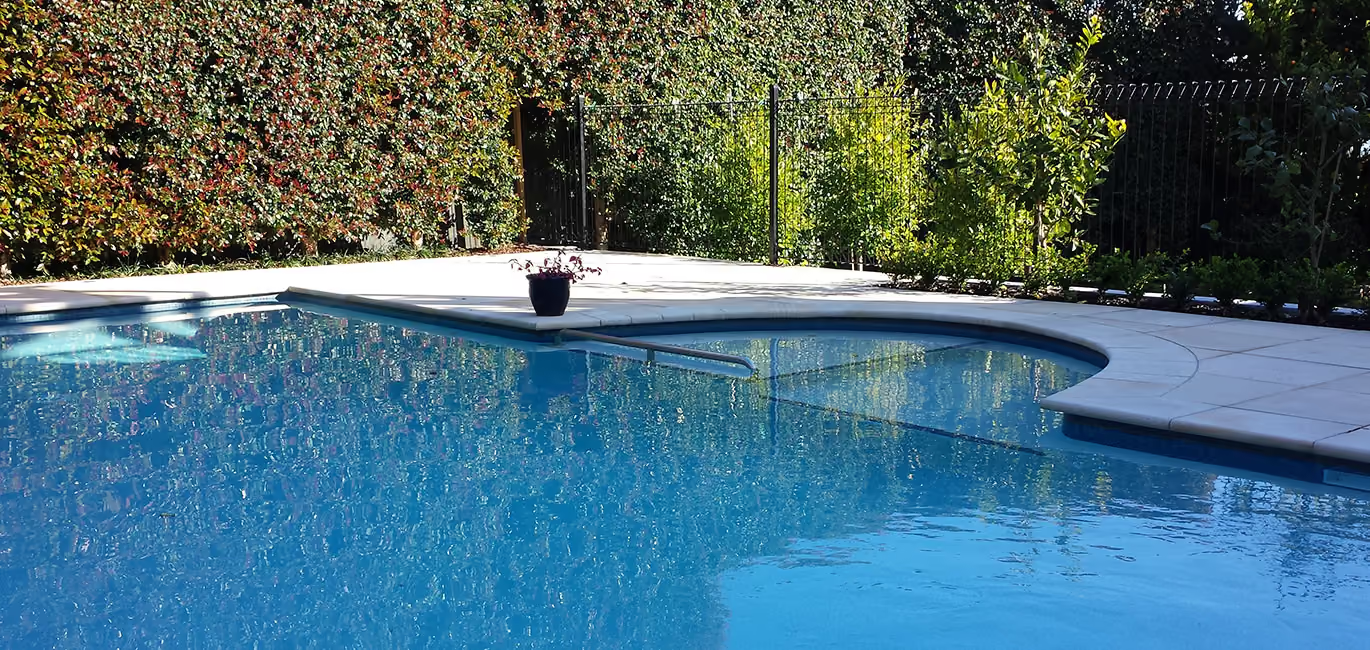
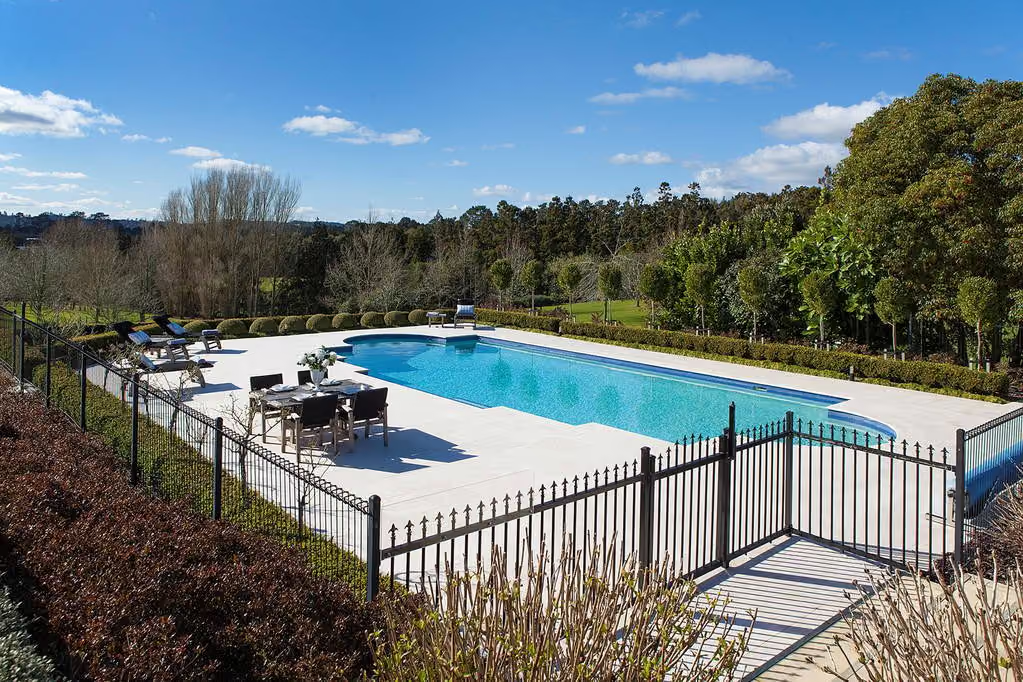
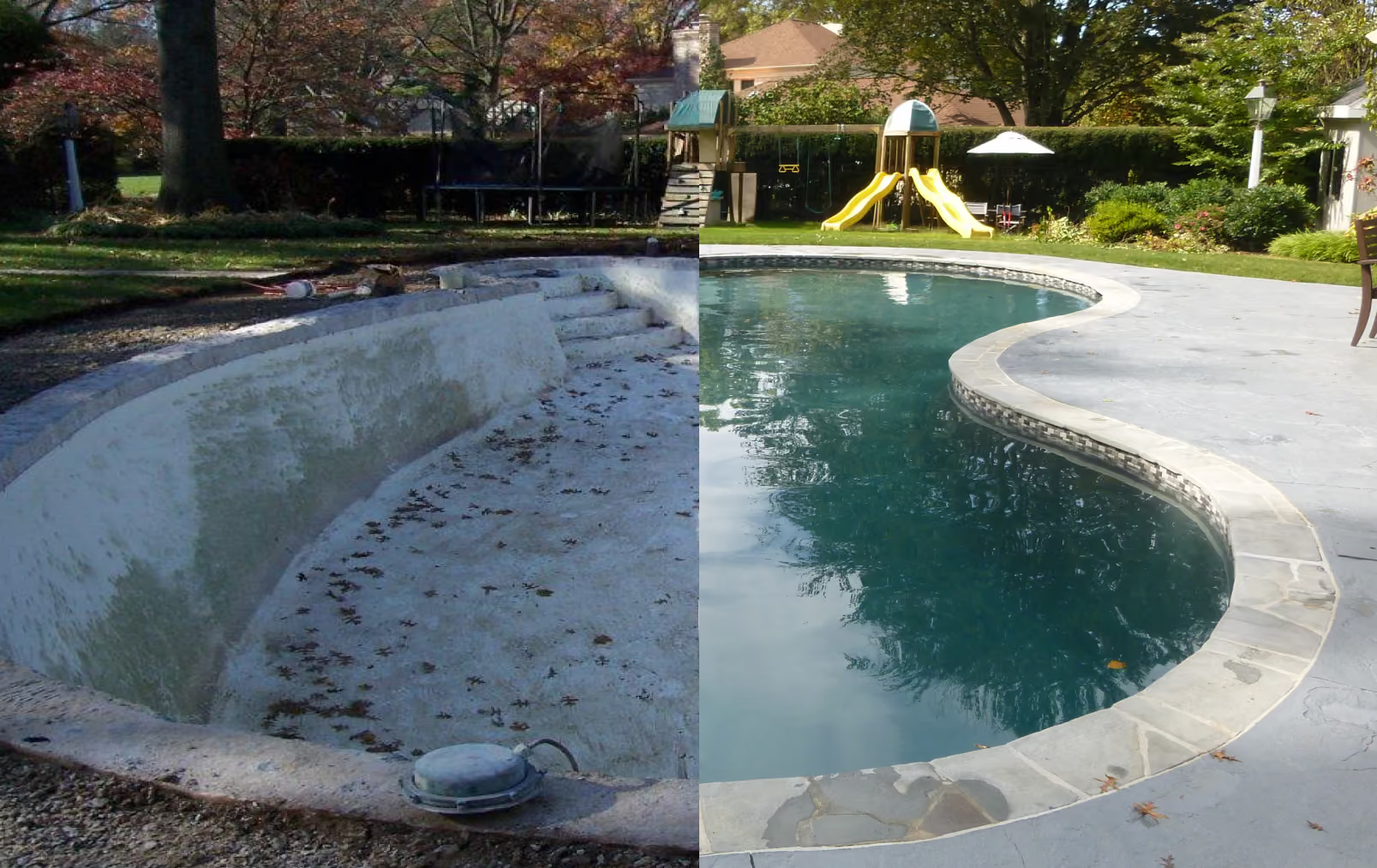
Sparkling Pools has worked on pools across Auckland, including residential renovation projects, equipment upgrades, ongoing maintenance and pool care for managed properties. Past projects show how the right approach can improve presentation, water quality and day-to-day usability. A well-maintained pool is easier to manage, more pleasant to use and better prepared for seasonal changes.
Trusted by Homeowners Across Auckland
Don't just take our word for it. Read what our clients have to say about our transparent communication, reliable service, and stunning pool transformations.
Related Blog Posts
Stay informed on pool care and renovations
Winter pool care essentials for Auckland
Pool Renovation Mistakes

Auckland Climate Pool Maintenance
Choosing Renovation Contractor
Pool Care Auckland Summer
Permits & Consents
Pool Renovation ROI
How Often to Test Pool Water
Pool Renovation Costs
Cost of Pool Service Auckland
Pool Renovation Planning Guide
Pool Lighting Buying Guide
Pool Cleaner Buying Guide
Pool Automation Buying Guide
Pool Heater Buying Guide
Pool Filter Buying Guide
Pool Pump Buying Guide
Best Equipment Auckland Climate
Auckland Water Quality
Auckland Pool Season
Pool Ownership Costs
Common Pool Mistakes
Pool Safety Laws
Pool Inspection Requirements
Pool Fence Compliance
.avif)
Auckland Pool Industry Trends
Auckland Pool Regulations
Pool Equipment Suppliers
Best Pool Service Areas
Pool Service Pricing Analysis
Company vs Independent
Best Pool Surface Materials
Pool Resurfacing Options
Pebble vs Plaster Surfaces
One-Time vs Ongoing Service
Full Service vs Chemicals Only
Pool Cover Types
Robotic vs Suction Cleaners
Mineral vs Saltwater
Gas vs Heat Pump
Pool Heater Types
Pool Winterizing Guide Auckland
Pool Opening Guide Summer
Pool Maintenance After Heavy Rain
Pool Maintenance Schedule
How Often to Run Pool Filter
Pool Pump Maintenance Schedule
Pool Filter Cartridge Cleaning
Pool Equipment Maintenance Checklist
Pool Waterline Cleaning
Pool Skimmer Basket Cleaning
Pool Chlorine Levels
How Often Clean Pool Filter
How to Vacuum Pool
Pool Brushing Technique
Pool Chemical Dosing Chart
Pool Water Chemistry Basics
How to Balance Pool Chemistry
How to Test Pool Water
Pool Maintenance Tips
Complete Pool Maintenance Guide
Pool Service ROI
Pool Equipment Buy or Service
Pool Maintenance Time Requirements
DIY vs Professional
Pool Service Contract
Pool Service vs Pool Valet
Is Pool Service Worth It
Pool Service Guarantees
Pool Service Reviews
Pool Service Red Flags
Questions to Ask Pool Companies
How to Choose Pool Service Company
Hidden Costs DIY Maintenance
Pool Cleaning Prices Auckland
Cost of Pool Resurfacing
Cost of Pool Pump Replacement
Cost to Fix Green Pool
Pool Liner Wrinkles
Pool Cracks When to Worry
Pool Surface Stains
Pool Valve Leaking
Pool Automation Not Working
Pool Light Not Working
Pool Heater Not Heating
Pool Skimmer Not Working
High Pool Filter Pressure
Pool Losing Water
Pool Filter Not Clearing Water
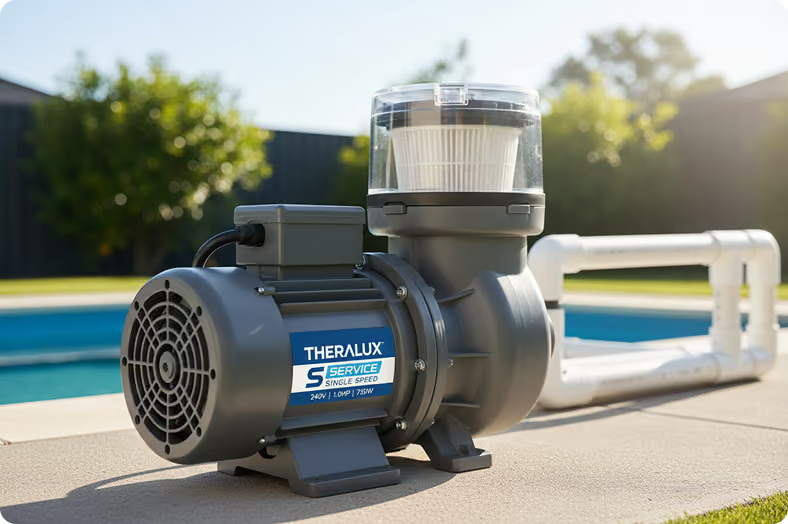
Pool Pump Leaking
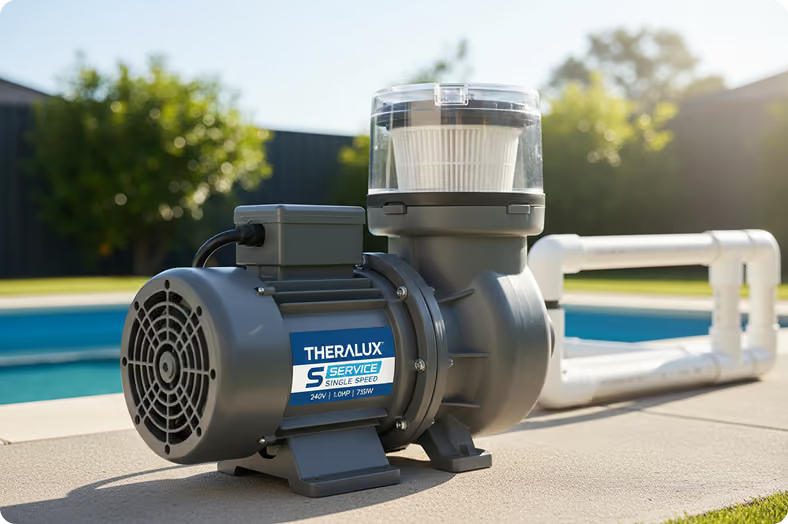
Pool Pump Not Pumping
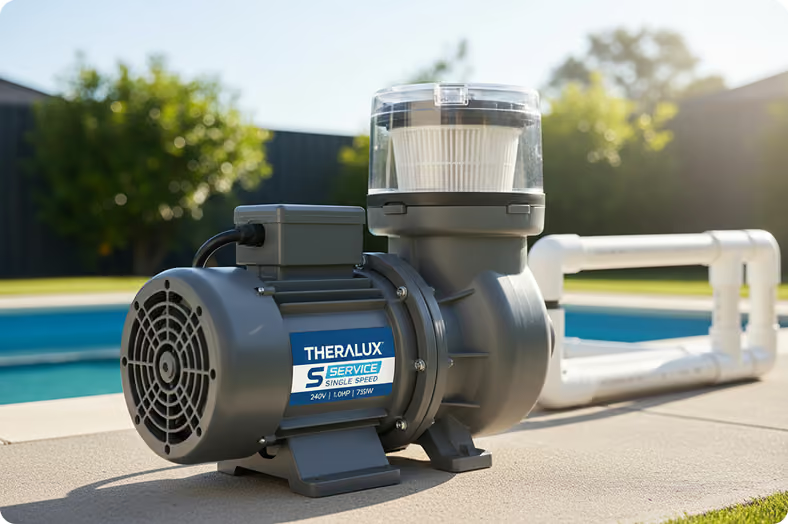
Pool Pump Losing Prime
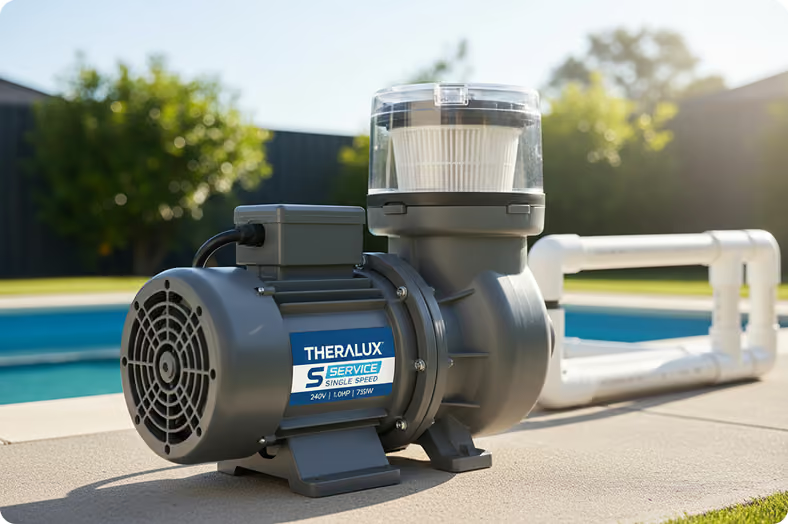
Pool Pump Noisy
Pool Pump Not Working
Pool Water Foaming
Pool pH Too Low
Pool pH Too High
Green Pool After Rain
Pool Still Green After Shock
Pool Water Cloudy
How to Clear a Green Pool
Pool Care That Protects Your Investment
Good pool care protects more than appearance. Our pool specialists support the long-term condition of your swimming pool while keeping it ready for everyday use.