Pool Heater Types

Why Auckland trusts our pool service expertise
Choosing a pool heater comes down to how you use your pool, your property setup, and whether you prioritise upfront cost or ongoing running costs. Each heater type has genuine strengths, and the right choice varies from one pool to the next.
Here are the key points to understand before making a decision.
What you'll learn
The Short Answer
The right pool heater depends on how you use your pool, your budget, and your Auckland property setup. Heat pumps are the most popular choice for year-round heating, they're efficient and cost-effective to run. Gas heaters heat water quickly and suit pools used occasionally or on demand. Solar heating has low running costs but depends on roof space and sunlight availability.
All three options work in Auckland. The best fit comes down to your priorities.
---
How Each Type Works
Heat Pump Pool Heaters
A heat pump doesn't generate heat directly. Instead, it extracts warmth from the surrounding air and transfers it to your pool water. This process makes heat pumps significantly more energy-efficient than gas, they use a small amount of electricity to move a large amount of heat.
Heat pumps work best when the ambient air temperature is above a certain threshold. In Auckland's mild climate, they can operate effectively for much of the year, including through winter in many cases.
Key characteristics:
- Efficient to run over time
- Slower to heat a pool from cold compared to gas
- Requires electricity connection
- Works best with consistent, regular use
- Suited to pools that are heated regularly rather than occasionally
Gas Pool Heaters
Gas heaters burn natural gas or LPG to heat pool water directly. They can raise water temperature quickly, regardless of the outside air temperature.
This makes gas heaters well suited to pools that aren't heated continuously, for example, a pool used on weekends or for occasional entertaining. The trade-off is higher running costs compared to a heat pump over the same period.
Key characteristics:
- Heats water quickly
- Performance is not affected by air temperature
- Higher running costs than heat pumps for continuous use
- Requires gas connection (natural gas or LPG)
- Good for on-demand or infrequent heating
Solar Pool Heating
Solar heating uses roof-mounted panels or matting to capture heat from the sun and circulate it through pool water. There are no fuel costs once installed, and the system uses your existing pool pump to circulate water.
The limitation is that solar heating is dependent on sunlight. Output varies by season, time of day, and weather. In Auckland, solar heating can extend the swimming season meaningfully, particularly in spring and autumn, but it's unlikely to maintain comfortable water temperatures through winter on its own.
Key characteristics:
- Very low running costs
- Requires adequate north-facing roof space
- Output varies with weather and season
- Can extend the swimming season in Auckland
- Often used to supplement another heating method
---
Comparing the Three Options
Running Costs
Heat pumps generally have the lowest ongoing running costs for pools that are heated regularly. Gas heaters cost more to run over time but are cost-effective when used infrequently. Solar heating has minimal running costs but requires the right conditions to perform.
Upfront Cost
All three options involve an upfront equipment and installation cost. Solar heating can have a higher installation cost depending on the roof setup and panel area required. Gas heaters vary depending on whether natural gas is already connected to the property. Heat pumps sit in the mid-range for most residential installations.
Exact pricing depends on your pool size, property setup, and the specific equipment chosen. A pool specialist can provide a quote based on your situation.
Heating Speed
Gas heaters heat pool water the fastest. Heat pumps take longer to raise the temperature from cold but maintain it efficiently once the pool is up to temperature. Solar heating is the slowest and most variable.
Reliability in Auckland's Climate
Auckland's mild, humid climate suits heat pumps well. Winters are relatively mild compared to much of New Zealand, which means heat pumps can operate effectively for more of the year. Gas heaters are unaffected by climate. Solar heating performs well in Auckland's warmer months but is less reliable in winter.
---
Which Type Suits Which Pool?
Pools Used Year-Round
A heat pump is usually the most practical and cost-effective choice for pools that are heated regularly throughout the year. The efficiency gains add up over time, and Auckland's climate supports heat pump performance across most seasons.
Pools Used Occasionally or On Demand
If the pool is only heated for weekends, holidays, or specific events, a gas heater may be more practical. The ability to heat quickly means you're not running the system continuously between uses.
Pools Looking to Reduce Running Costs
Solar heating is worth considering as a supplement to an existing heater, or as a primary option for pools used mainly in the warmer months. It works best when there's good north-facing roof space available and the pool is used during daylight hours.
Larger or Commercial Pools
Larger pools require more heating capacity. Heat pumps and gas heaters both scale to larger installations. A pool specialist can advise on the right unit size for your pool volume and usage pattern.
---
What to Consider Before Choosing
Before selecting a heater, it's worth thinking through a few practical questions:
- How often will you heat the pool? Regular use favours a heat pump. Occasional use may suit gas.
- Do you have natural gas connected? If not, LPG is an option for gas heaters, but running costs differ.
- Is there suitable roof space for solar? North-facing, unshaded roof area is needed for effective solar heating.
- What's your pool volume? Larger pools need appropriately sized equipment.
- What's your priority, upfront cost or running cost? These often pull in different directions.
---
Installation and Safety
All pool heater installations should be carried out by a qualified professional. Gas heater installation involves gas fitting work, which must be done by a licensed gasfitter in New Zealand. Heat pump and solar installations also require correct sizing, plumbing connections, and in the case of heat pumps, electrical work.
Incorrect installation can affect performance, void warranties, and in the case of gas, create safety risks. Always use a qualified installer.
---
Maintenance
All three heater types benefit from regular maintenance:
- Heat pumps should be checked periodically for coil condition, refrigerant levels, and airflow clearance around the unit.
- Gas heaters require periodic servicing of burners, heat exchangers, and gas connections.
- Solar systems need the panels or matting inspected for damage, and the flow valves checked seasonally.
Keeping your pool water chemistry balanced also protects heater components. Unbalanced water, particularly low pH or high chlorine, can corrode heat exchangers and reduce the lifespan of any heater type.
---
Getting the Right Advice
Choosing a pool heater is a meaningful investment. The right choice depends on your pool, your property, and how you use the pool, not just the sticker price of the unit. A pool specialist can assess your setup and recommend the most practical option for your situation.
Pool resurfacing solutions
Restore your pool with durable plaster finishes

Work completed
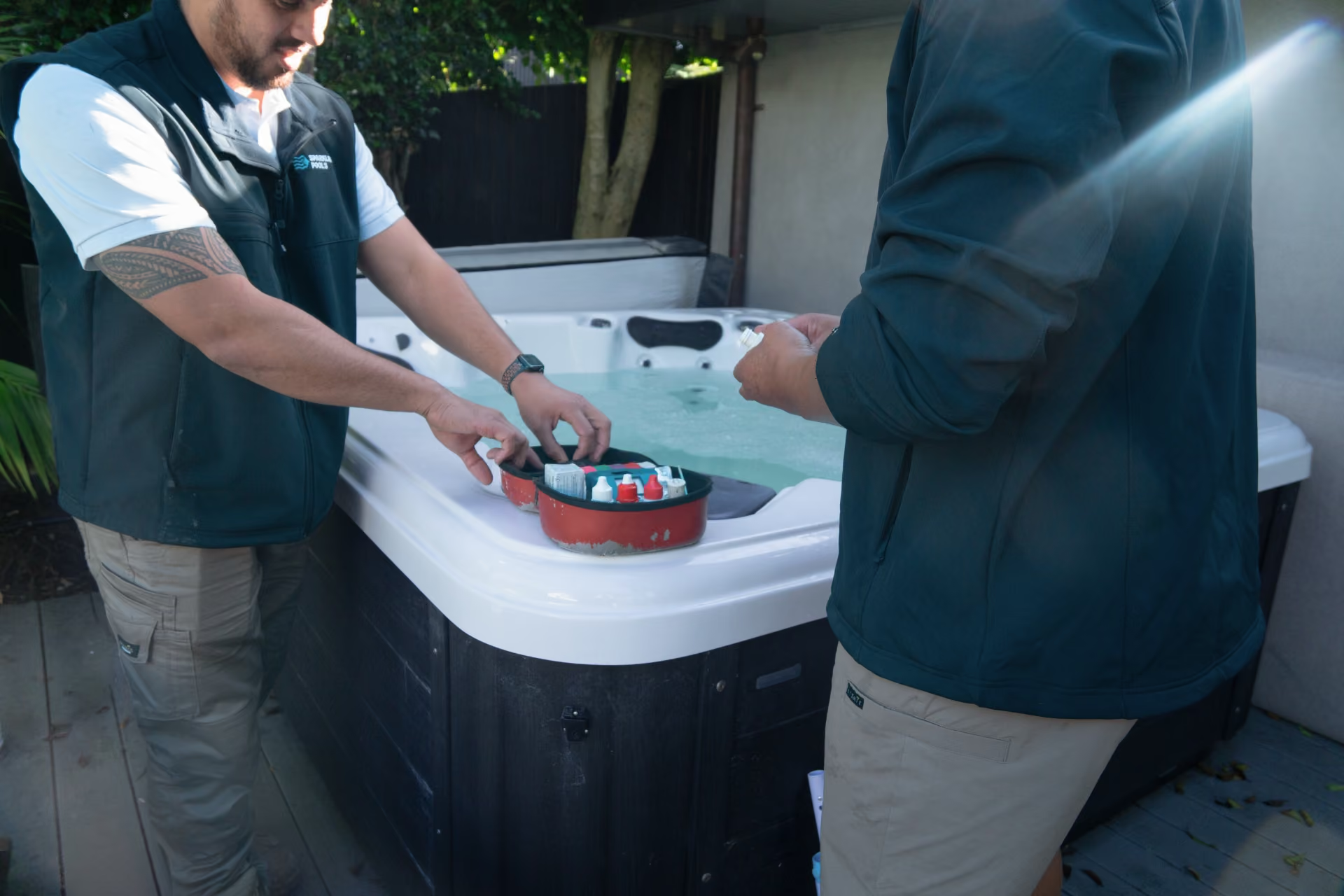
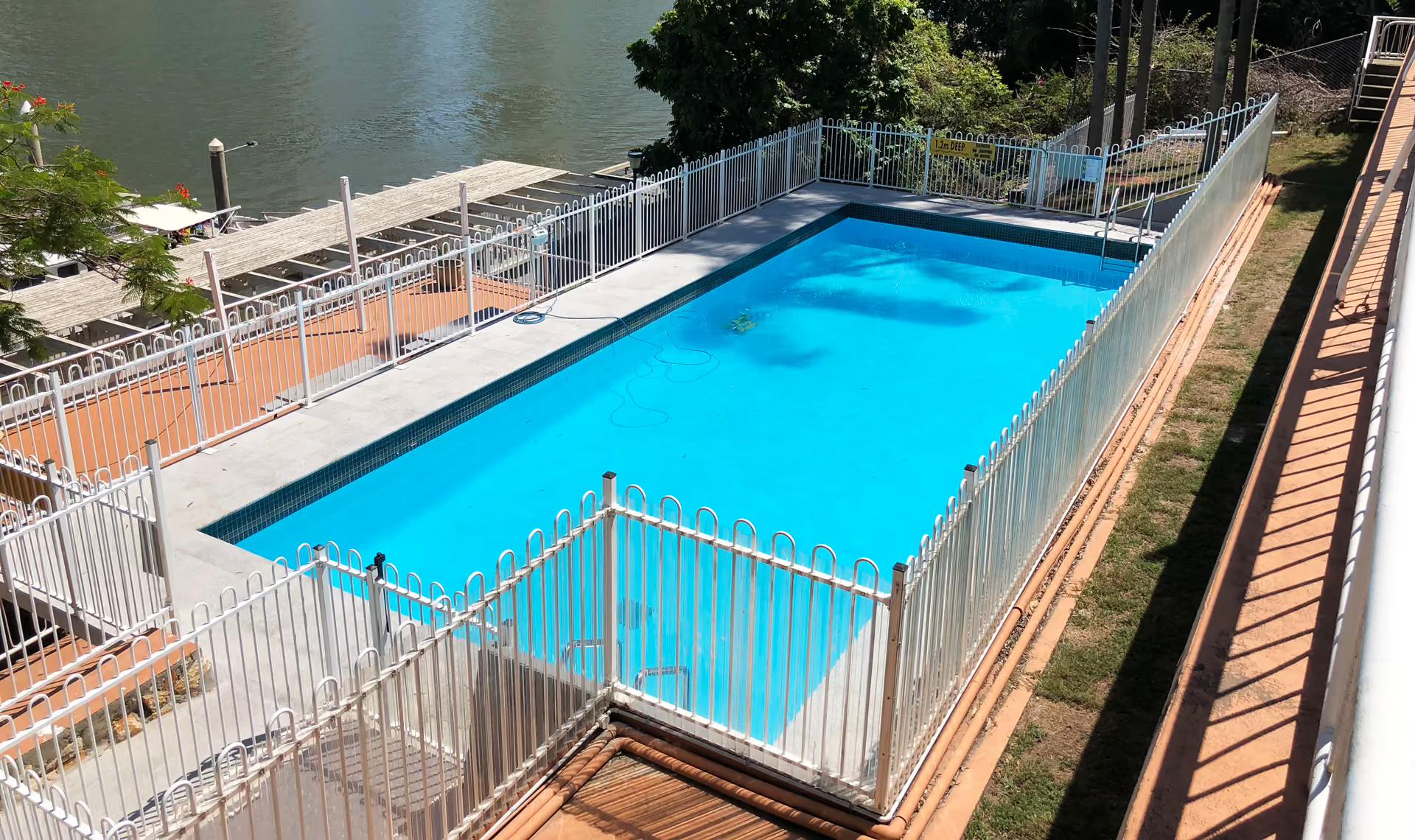
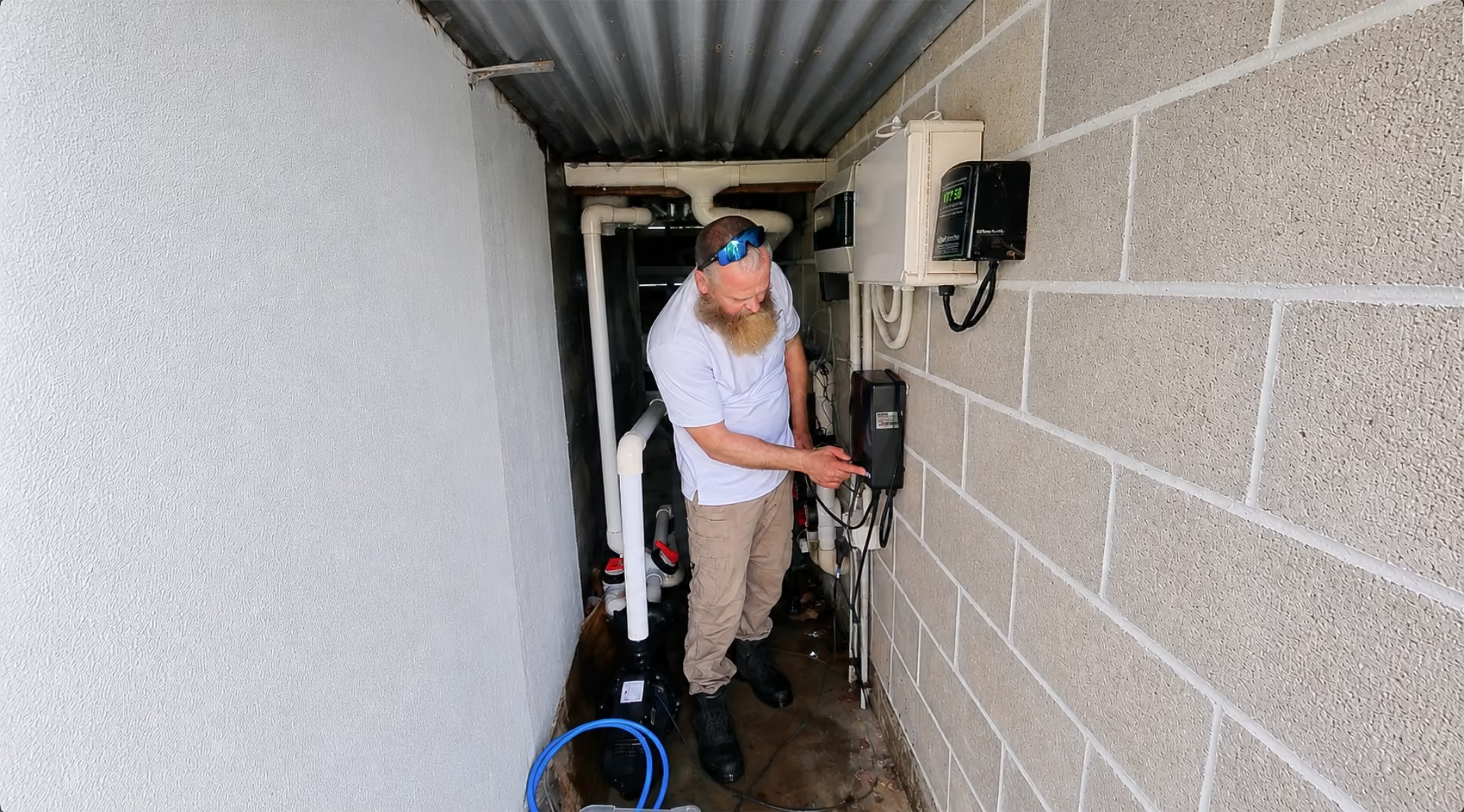
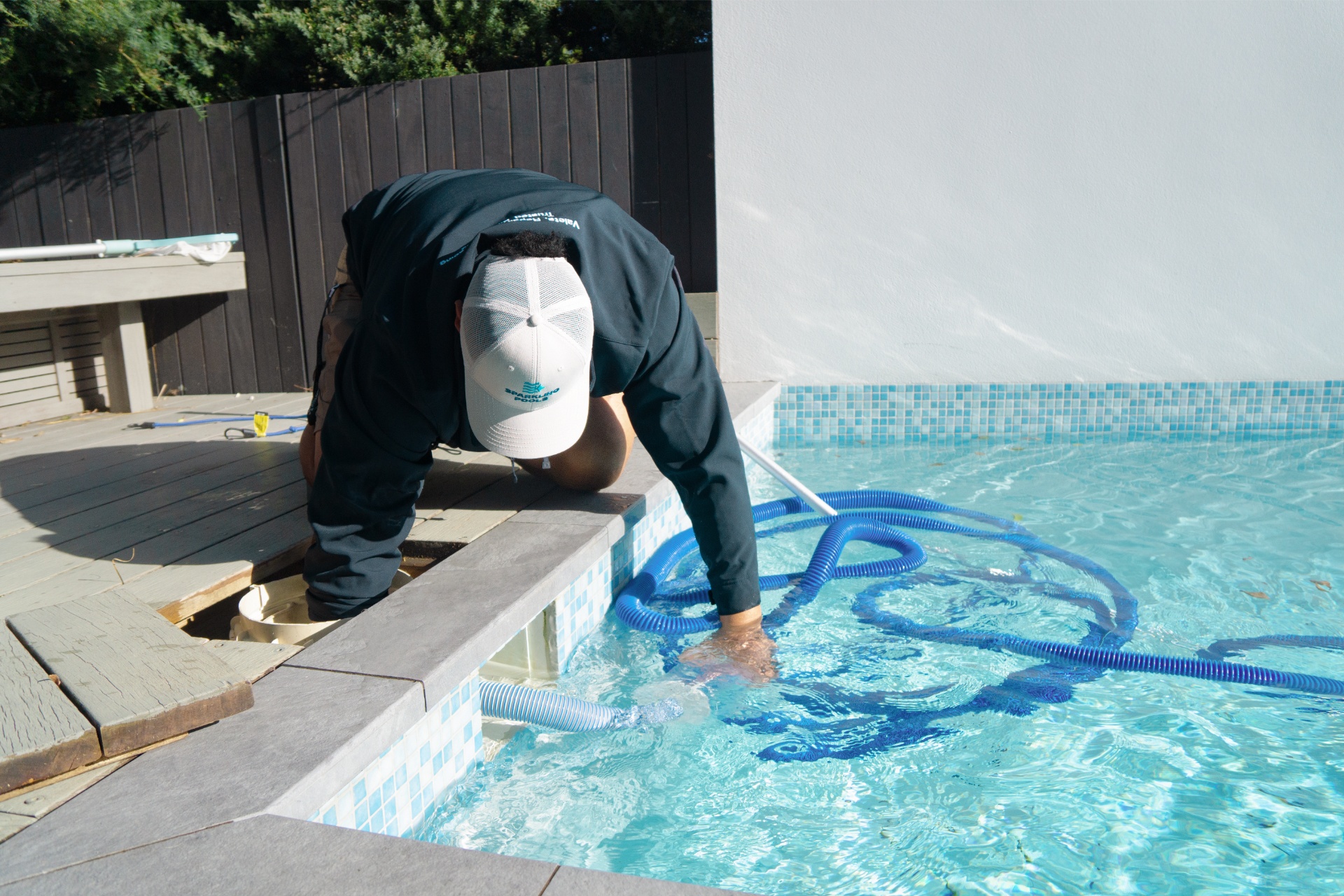
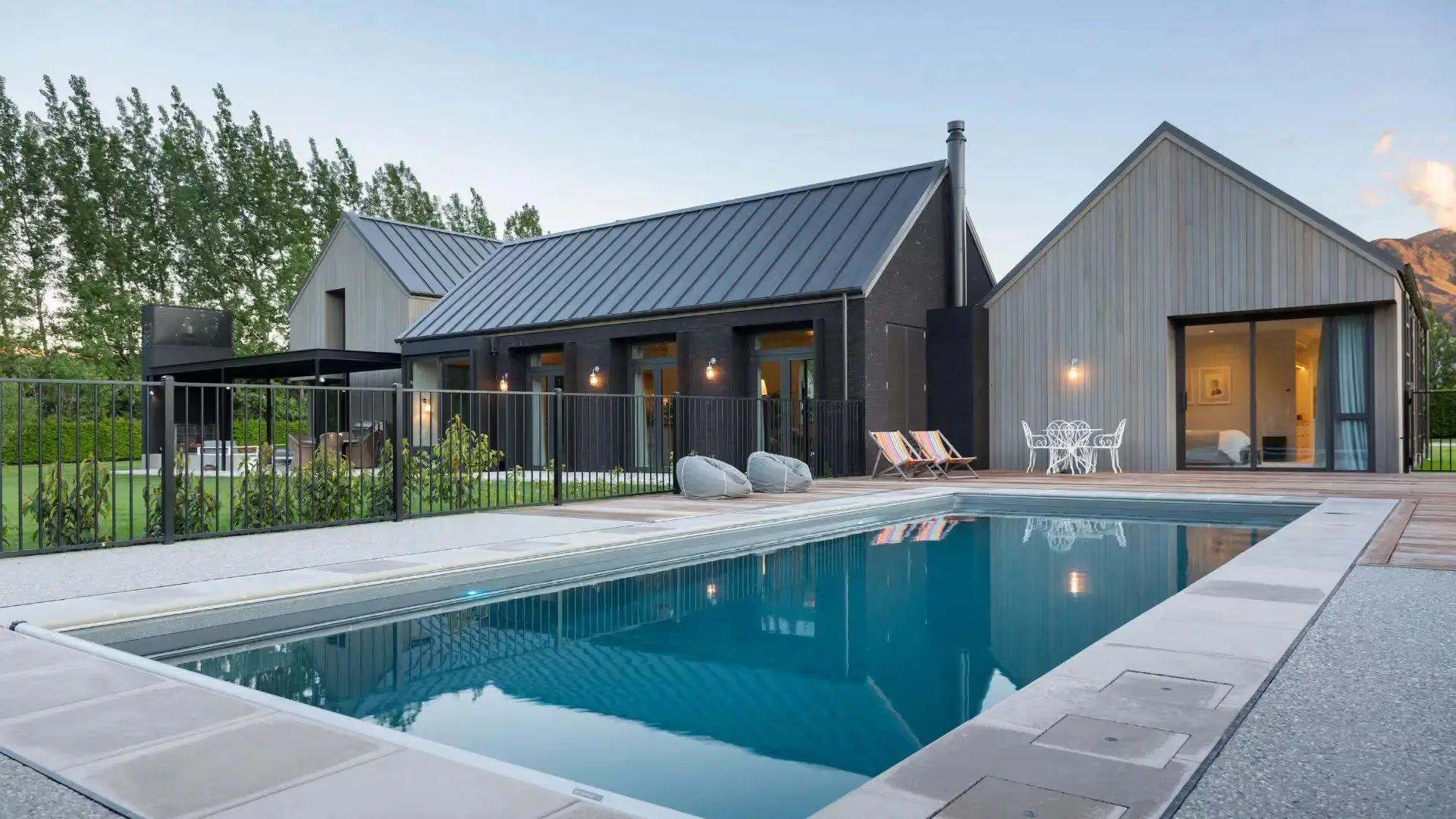
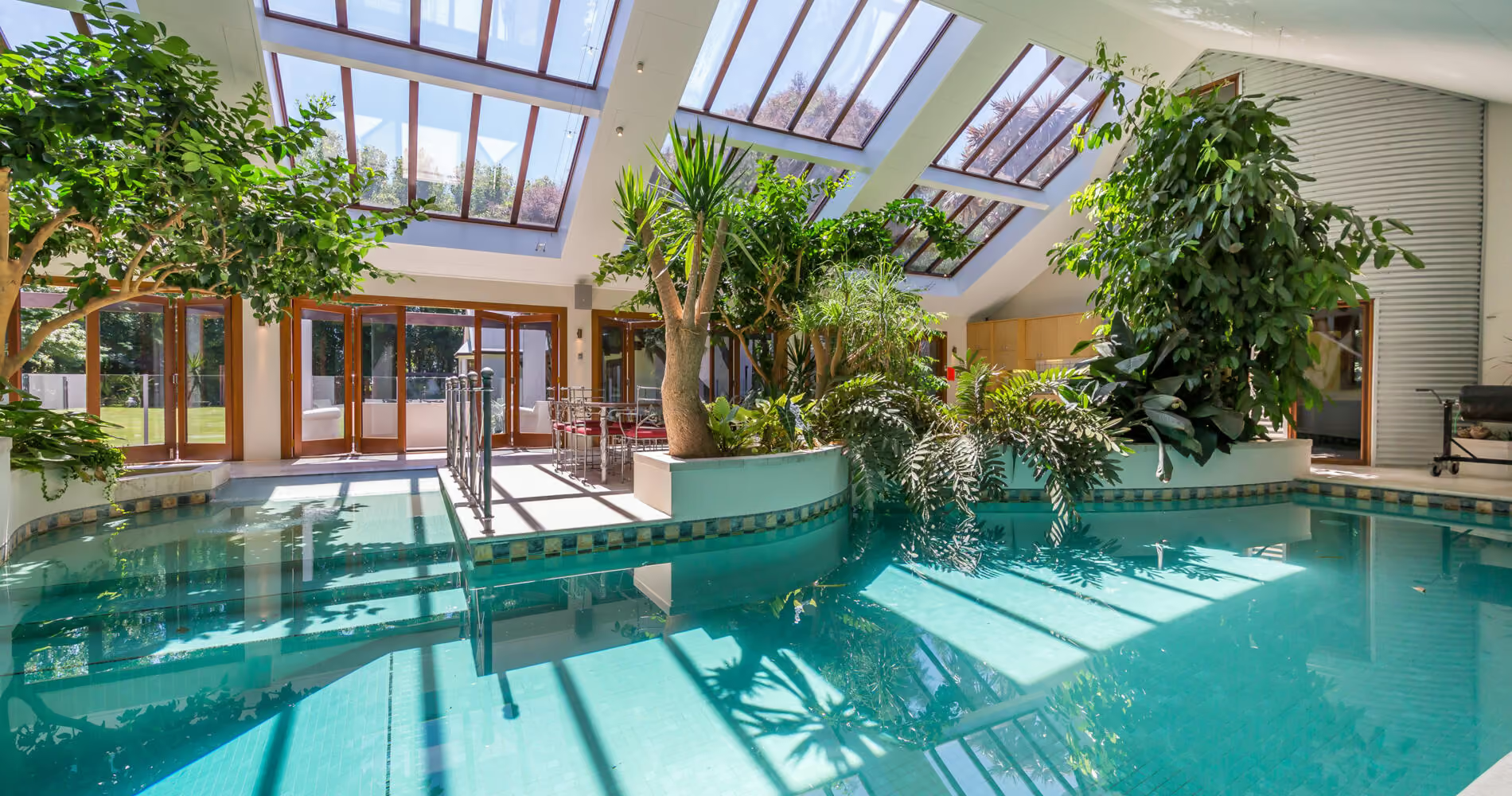
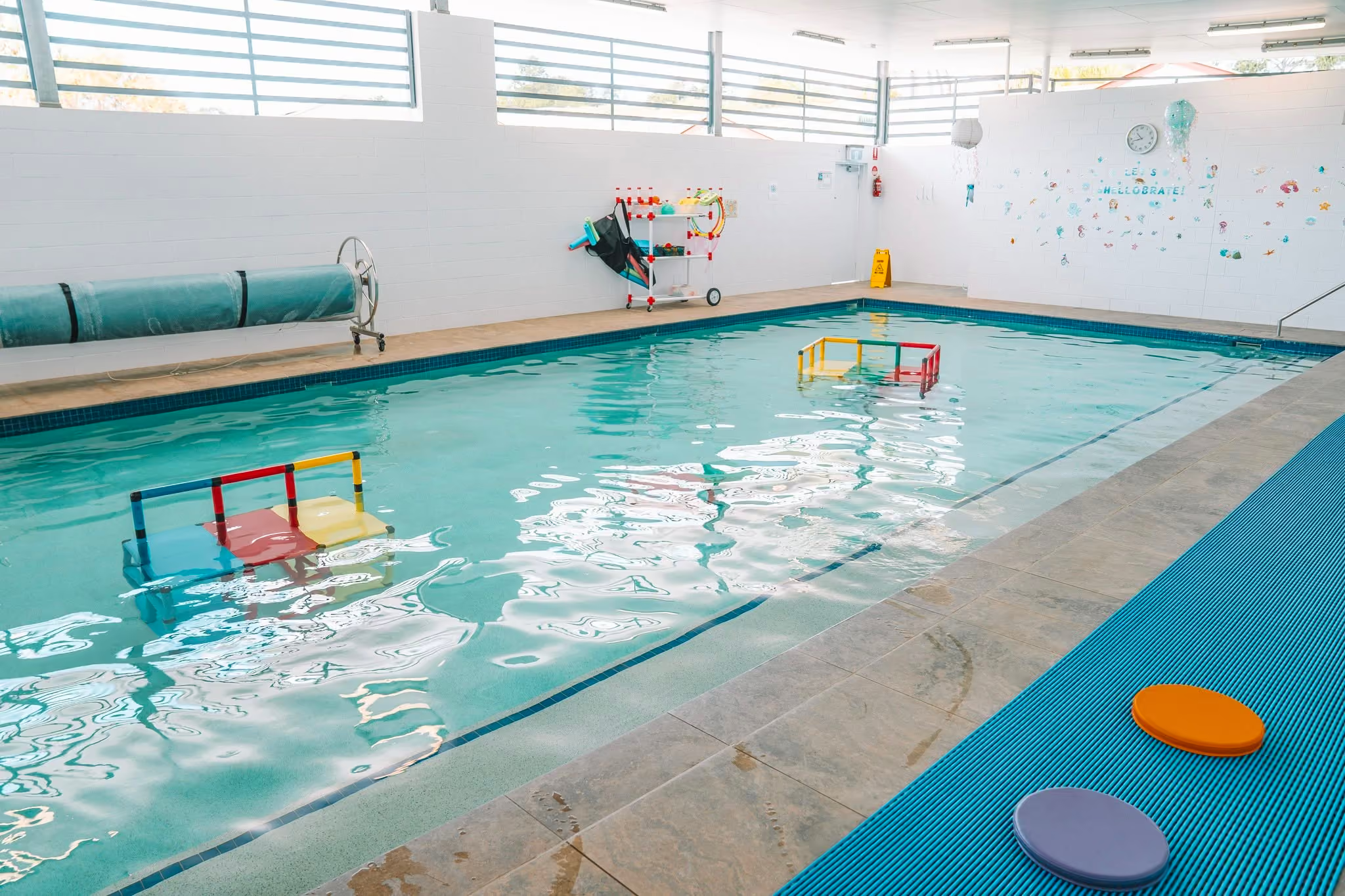
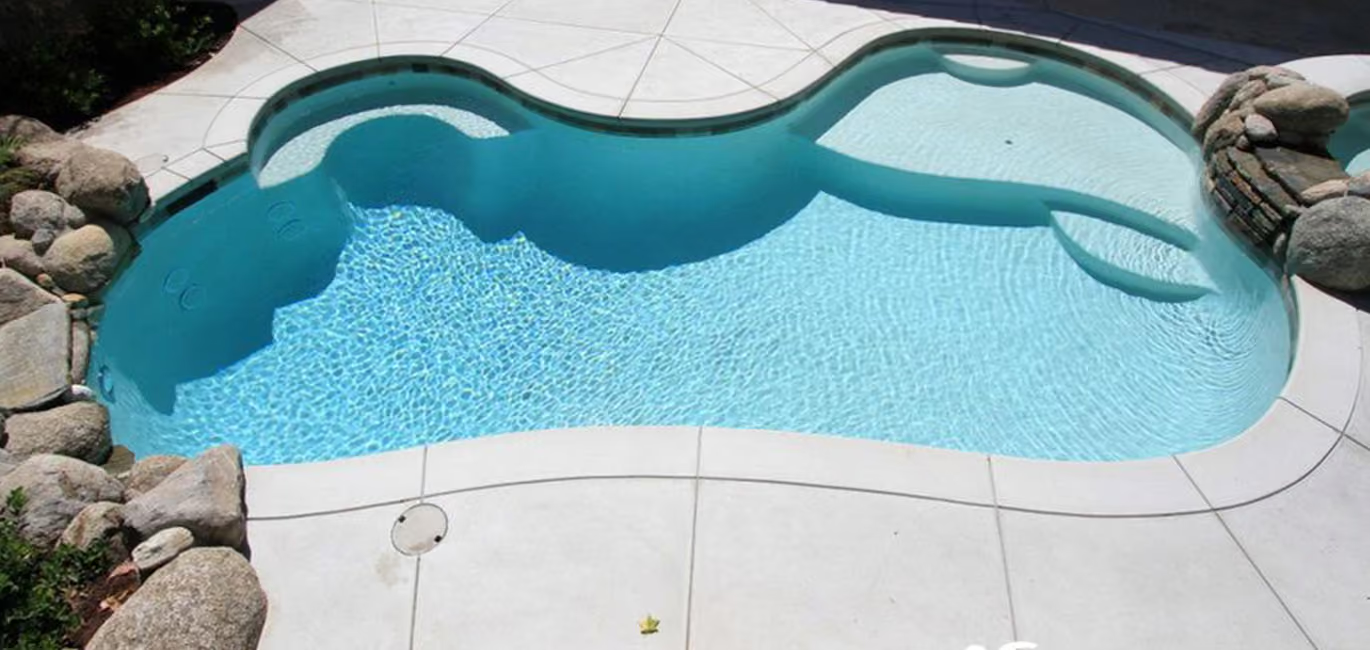
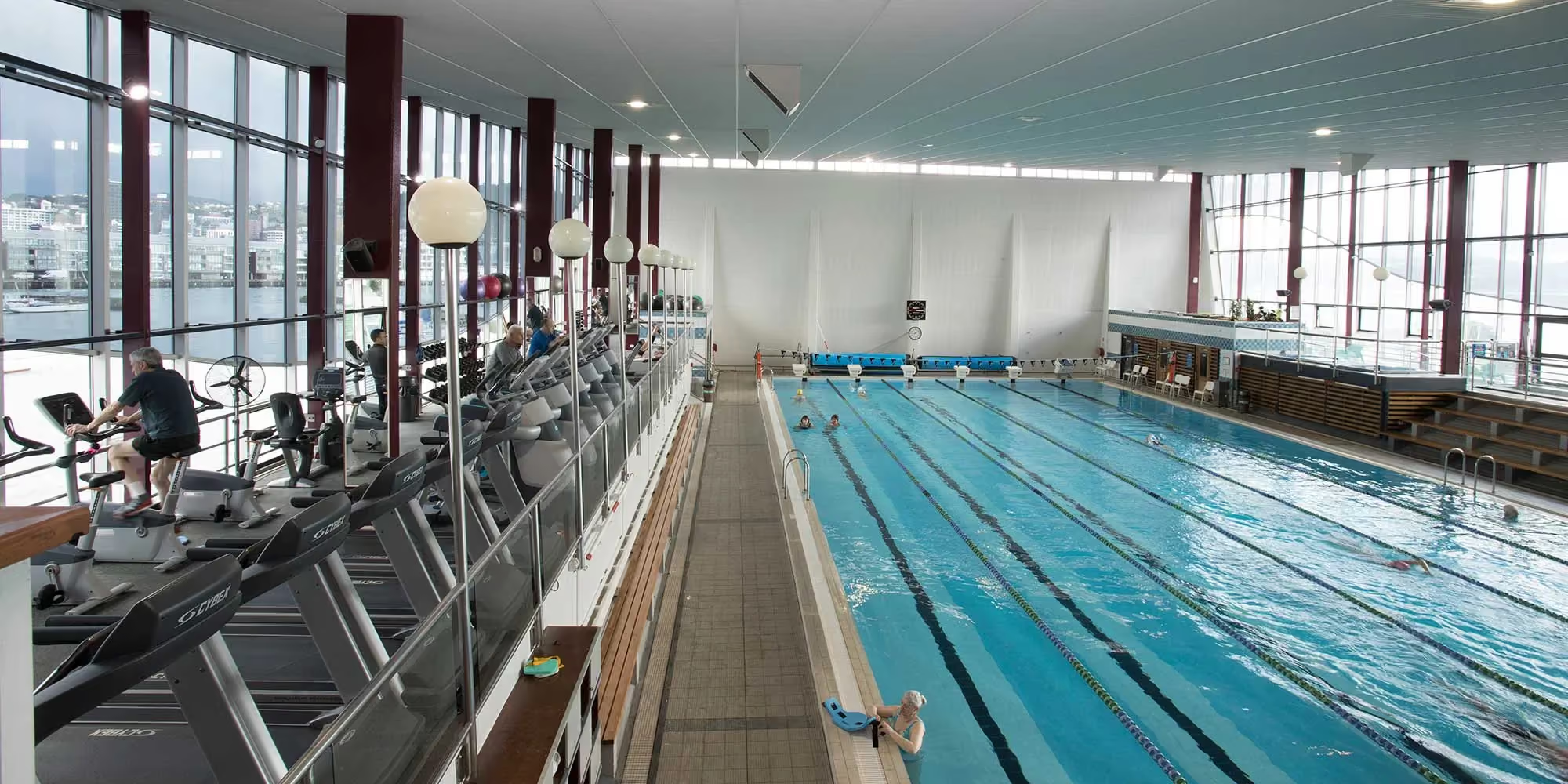
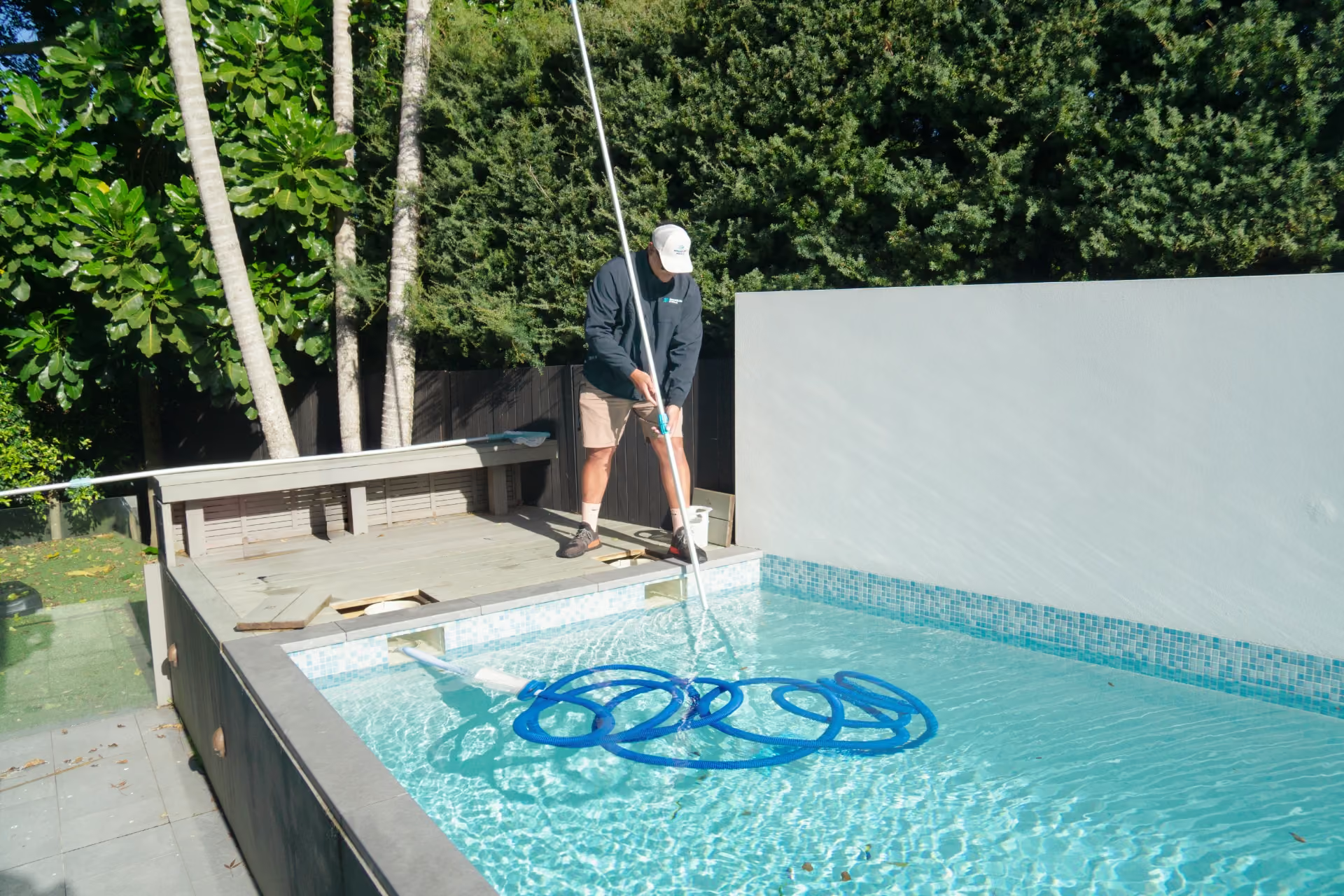
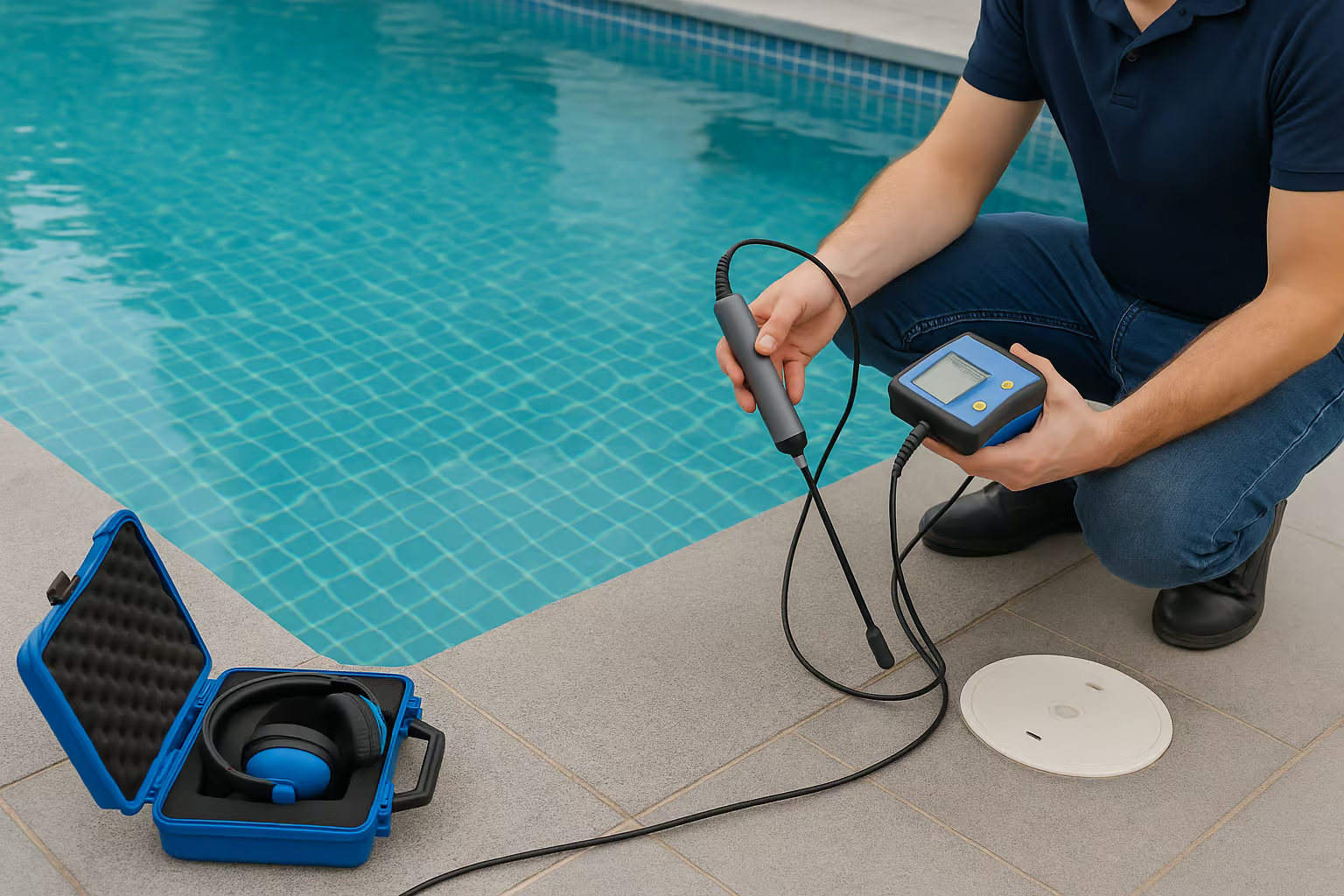
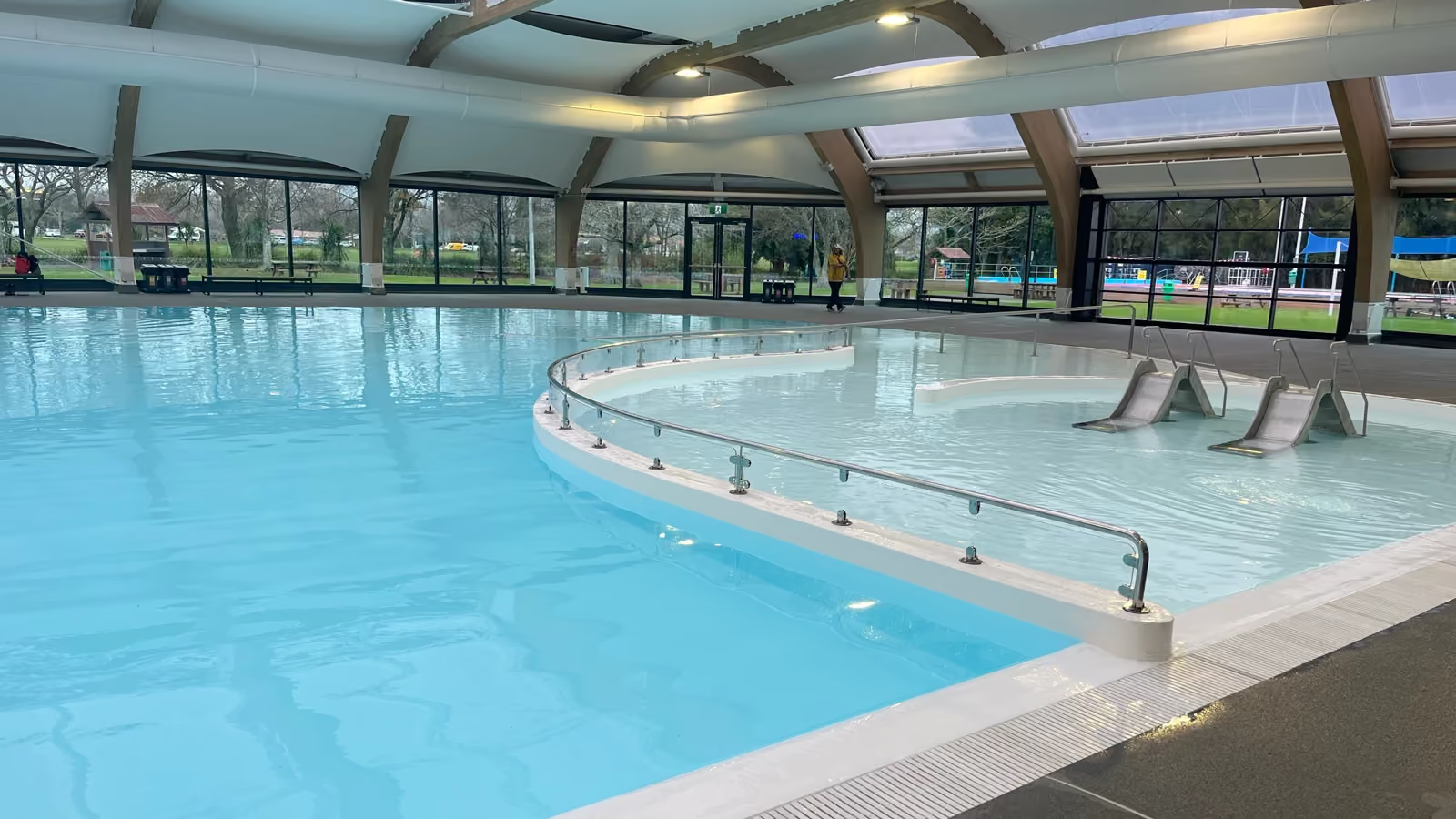
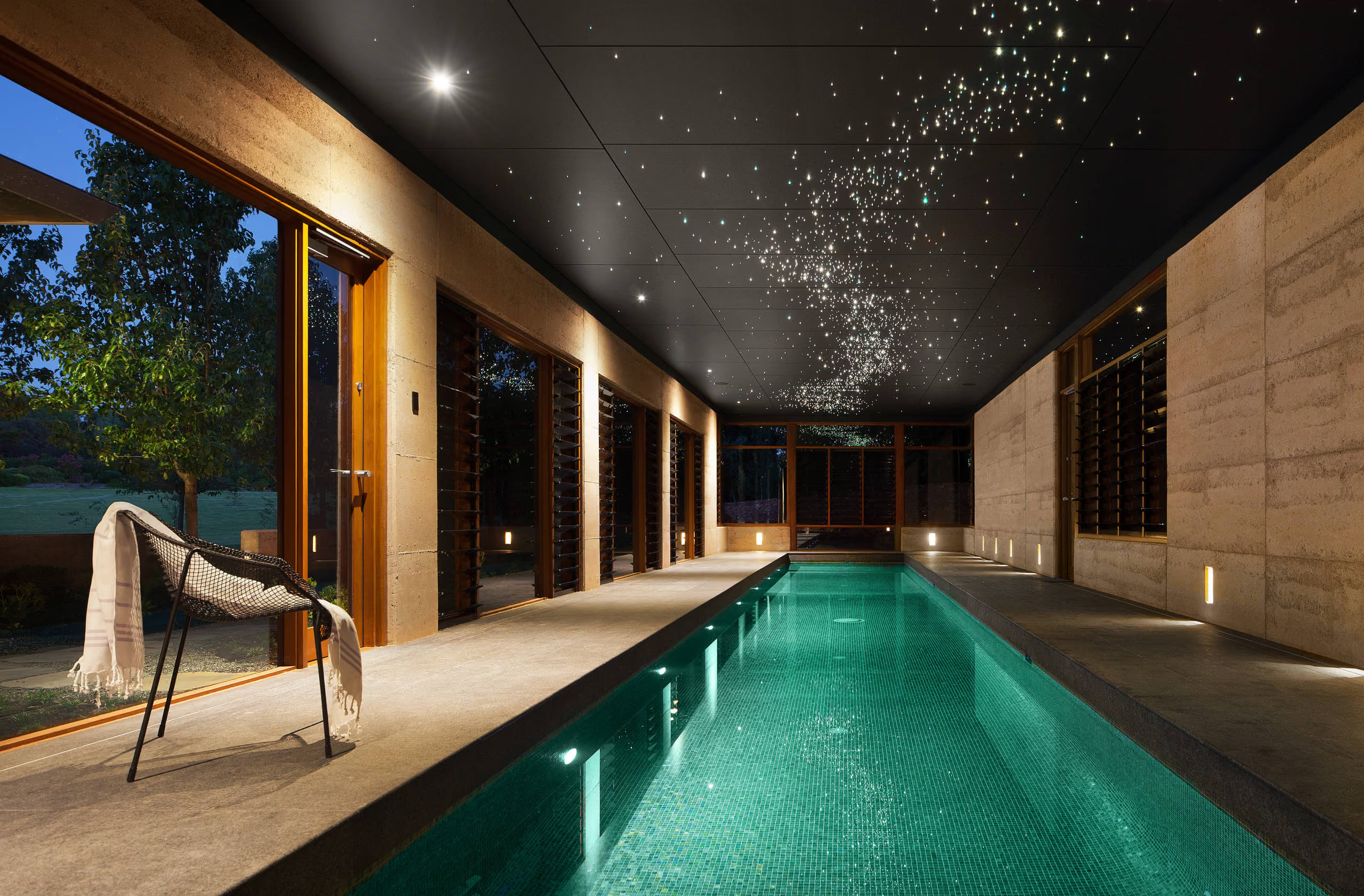
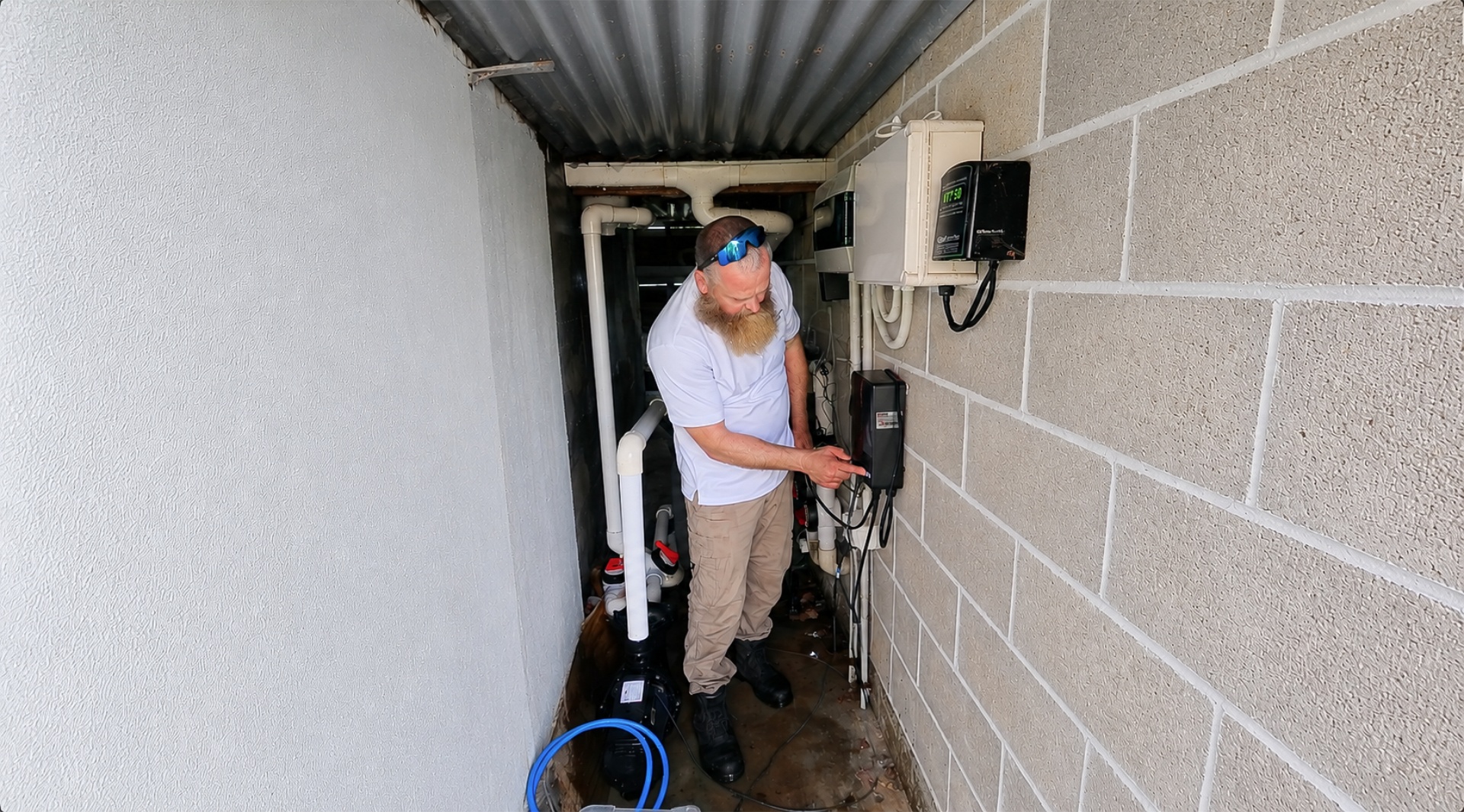
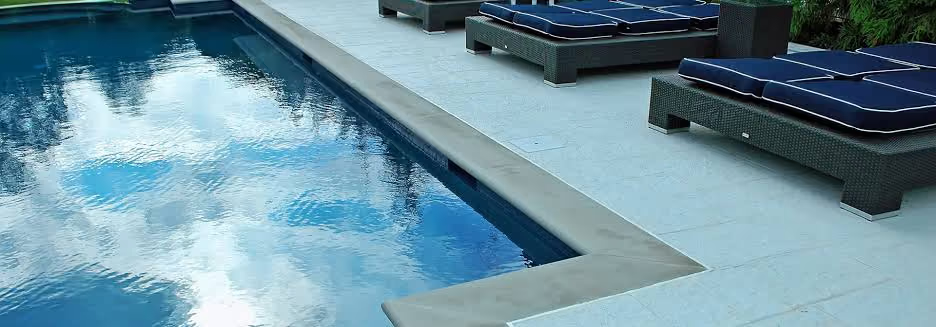
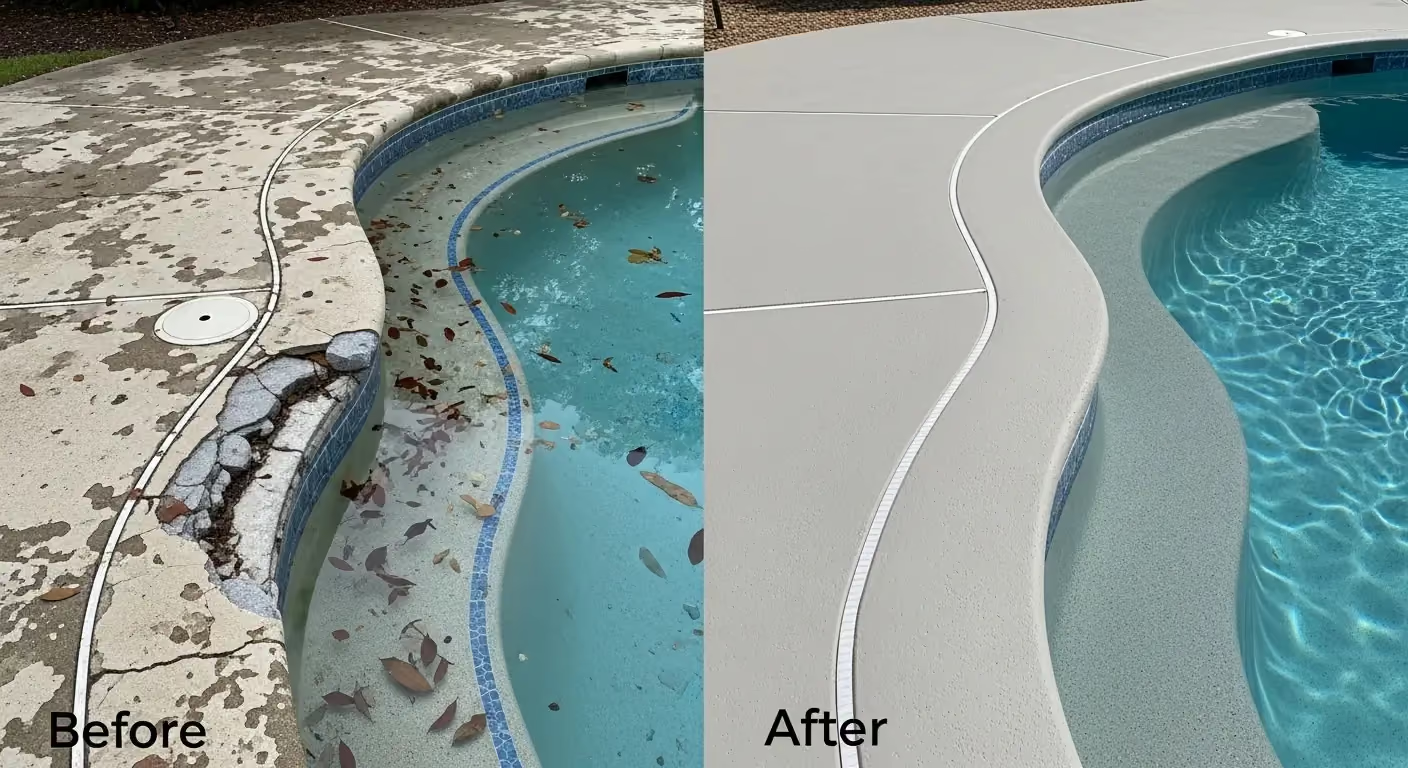
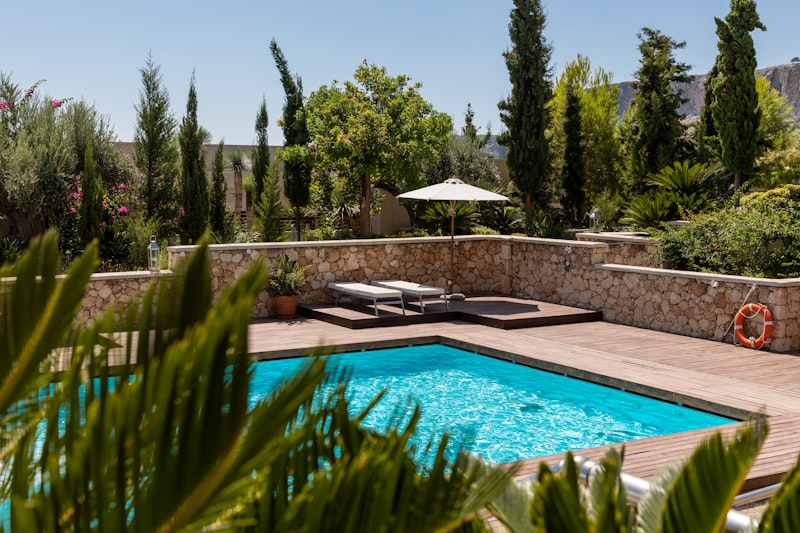
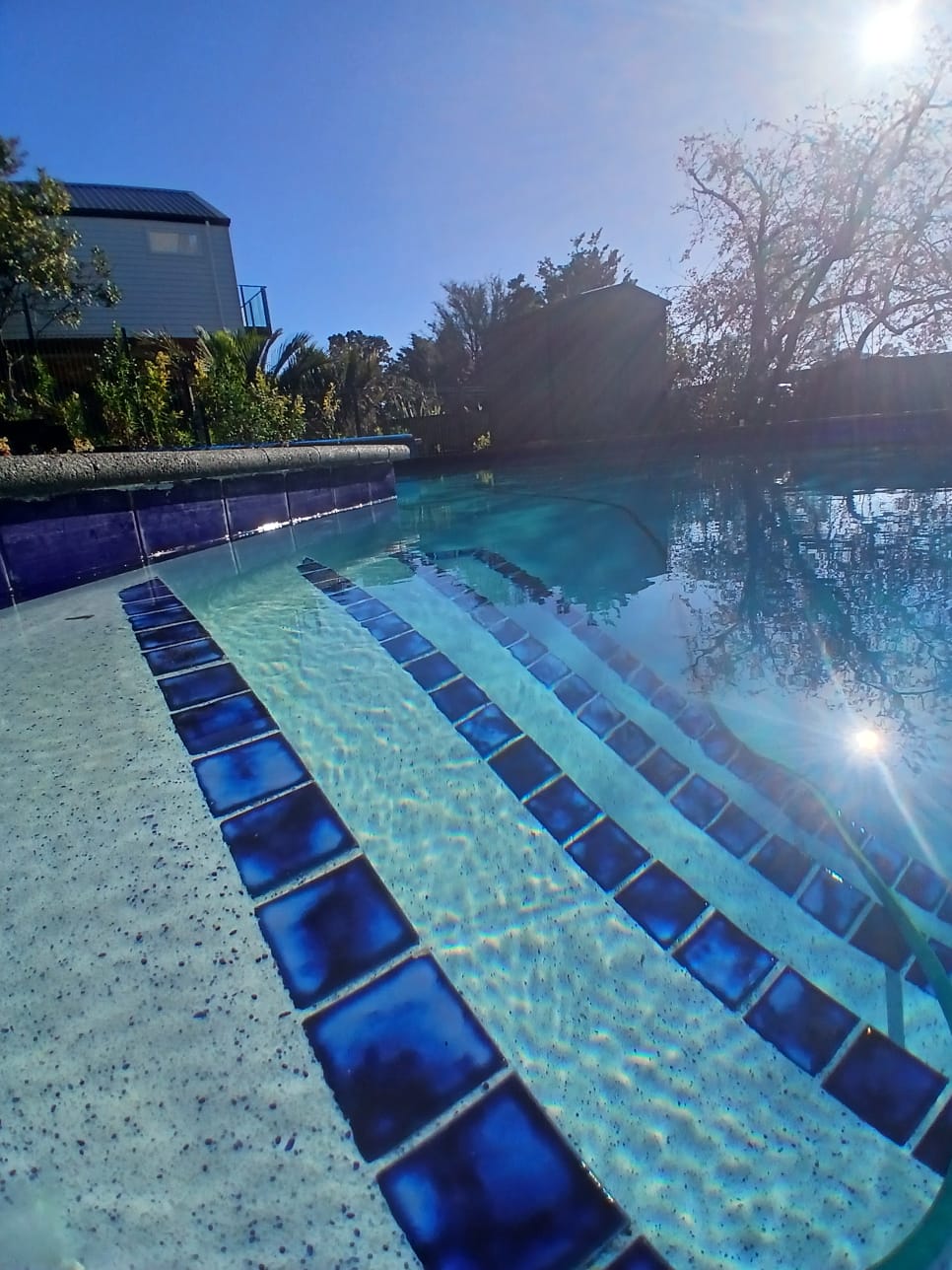
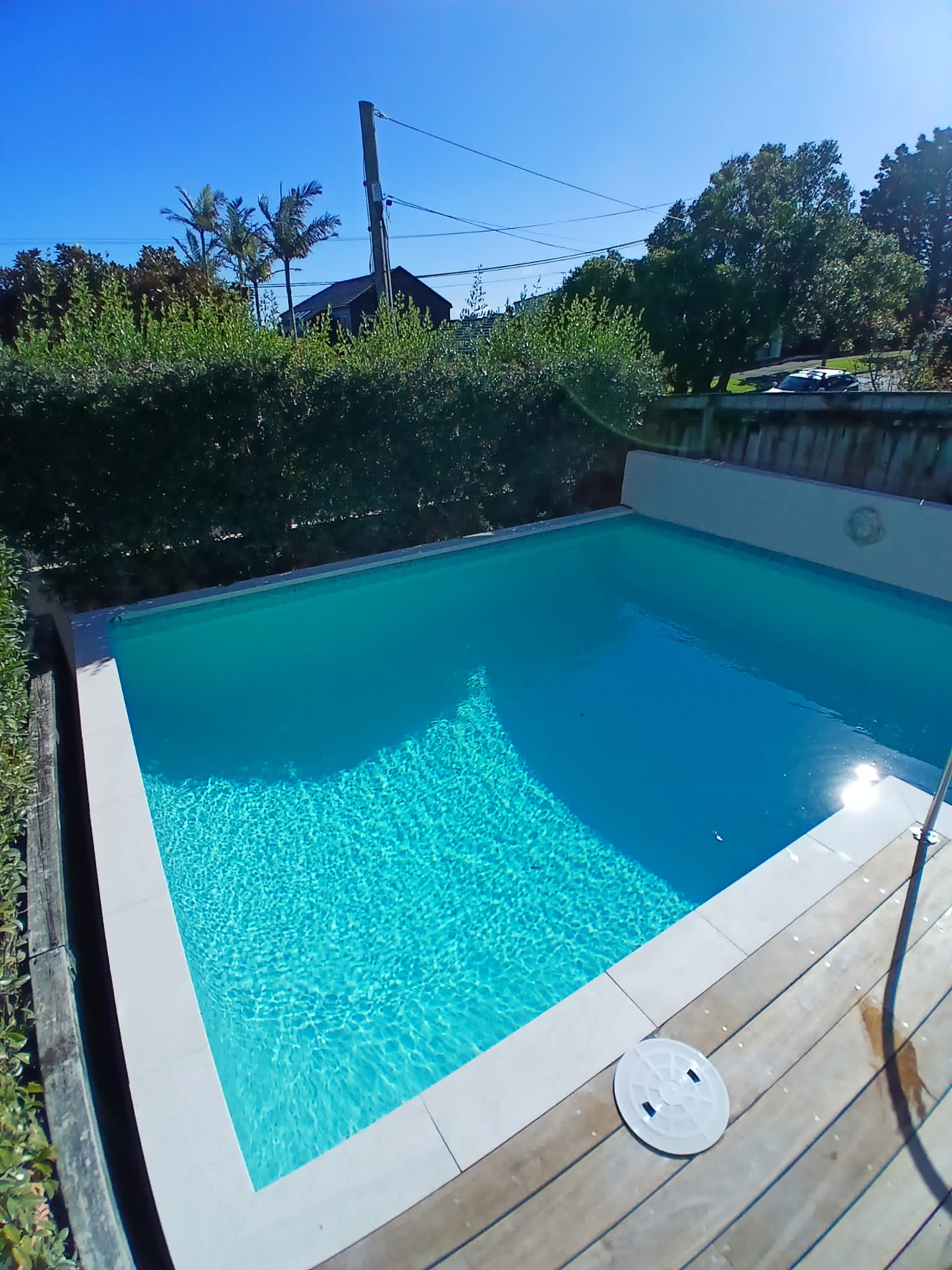
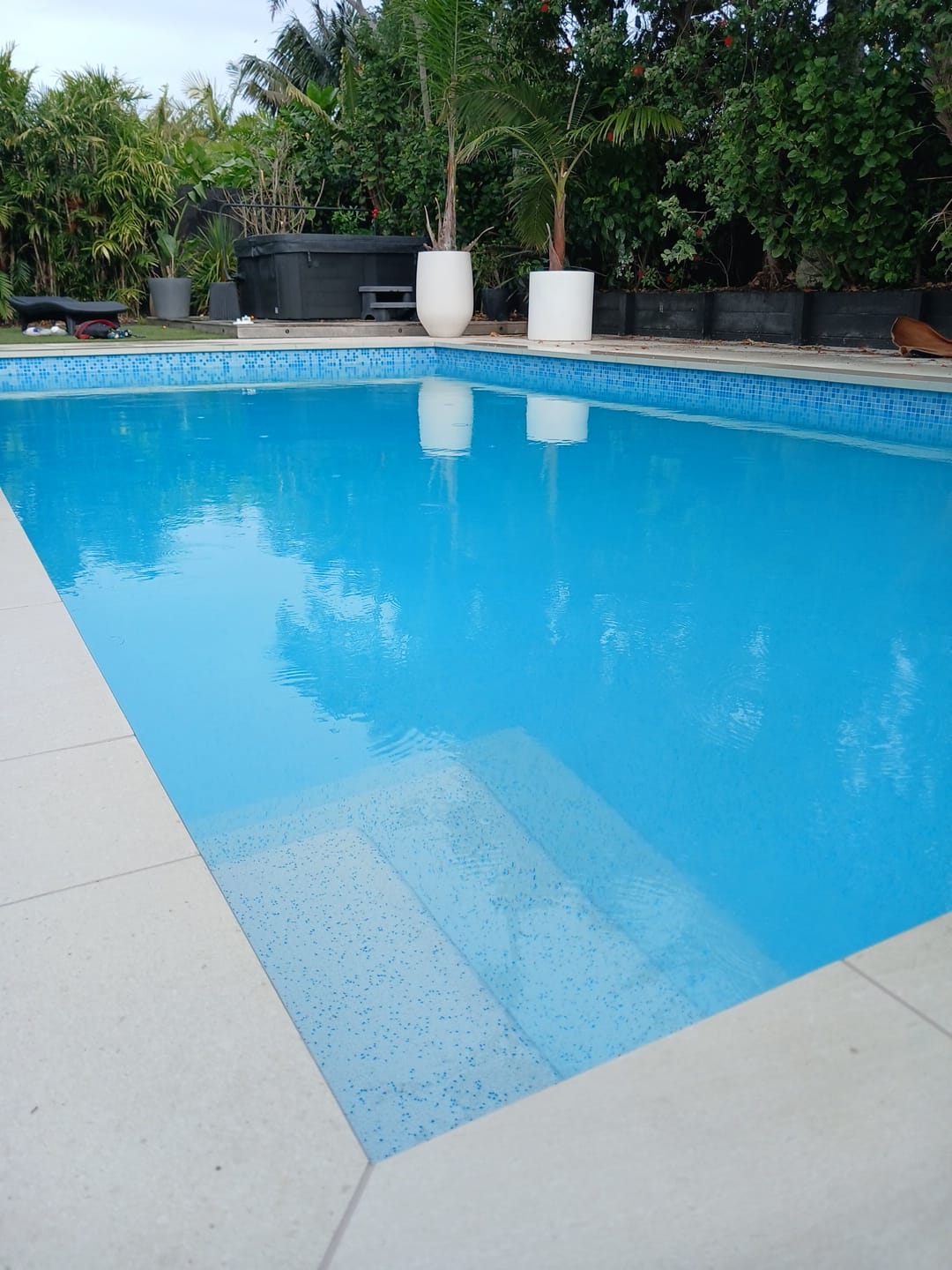
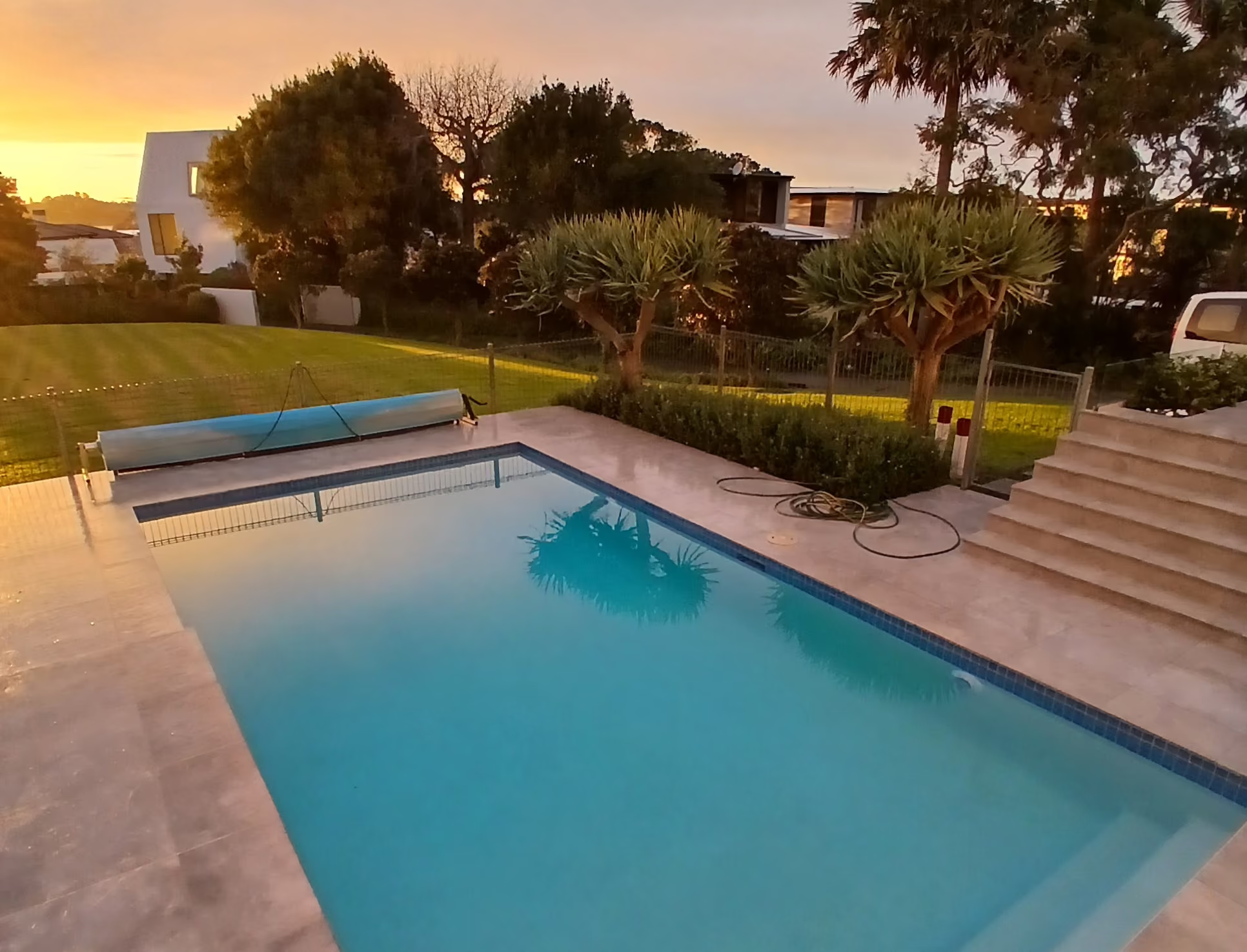
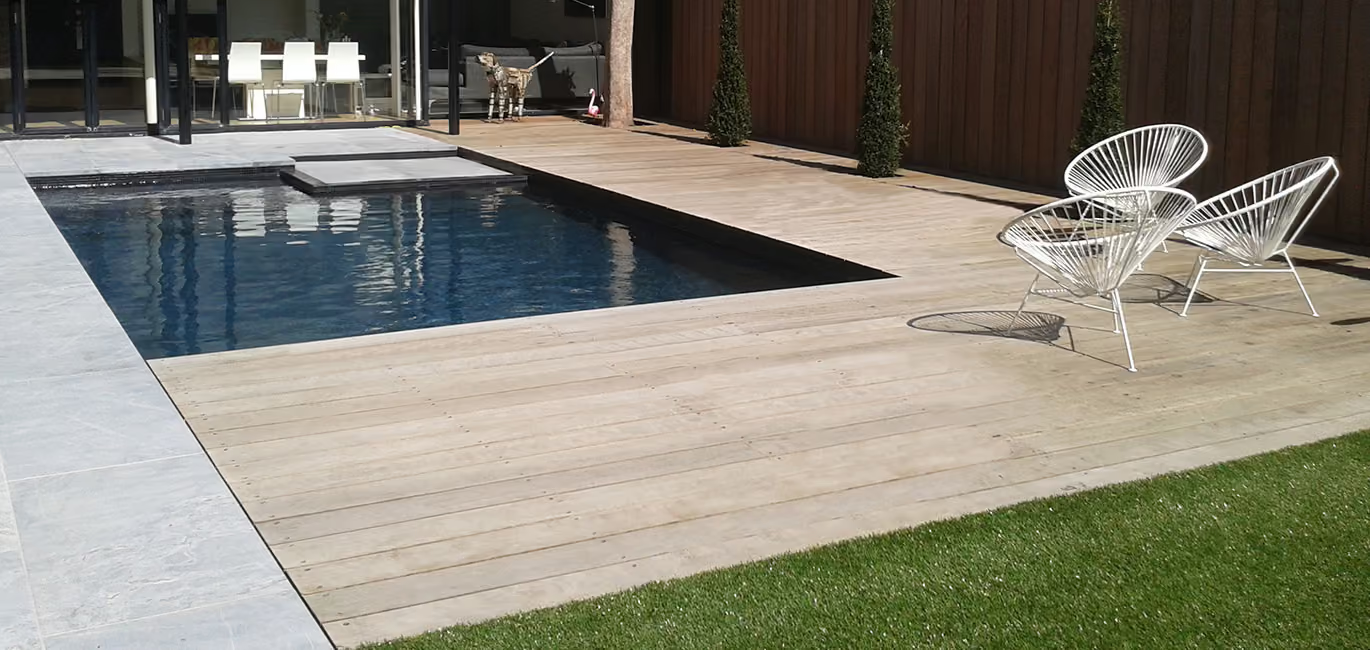
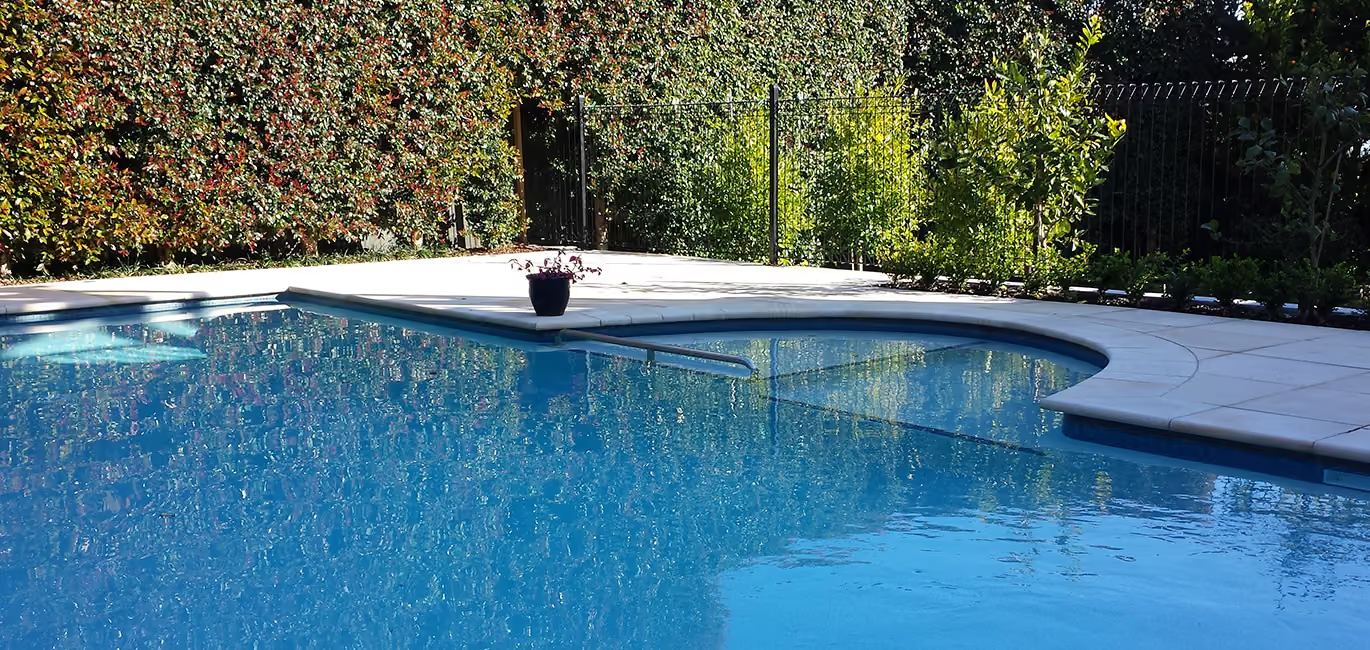
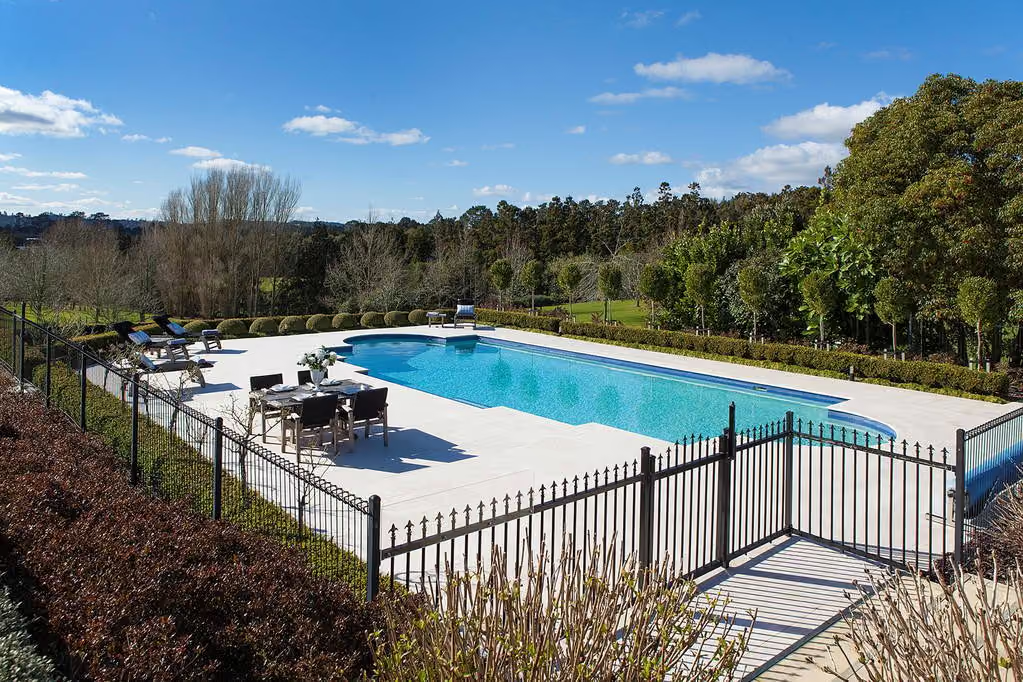
Sparkling Pools has worked on pools across Auckland, including residential renovation projects, equipment upgrades, ongoing maintenance and pool care for managed properties. Past projects show how the right approach can improve presentation, water quality and day-to-day usability. A well-maintained pool is easier to manage, more pleasant to use and better prepared for seasonal changes.
Trusted by Homeowners Across Auckland
Don't just take our word for it. Read what our clients have to say about our transparent communication, reliable service, and stunning pool transformations.
Related Blog Posts
Stay informed on pool care and renovations
Winter pool care essentials for Auckland
Pool Renovation Mistakes

Auckland Climate Pool Maintenance

Choosing Renovation Contractor
Pool Care Auckland Summer
Permits & Consents
Pool Renovation ROI
How Often to Test Pool Water
Pool Renovation Costs
Cost of Pool Service Auckland
Pool Renovation Planning Guide
Pool Lighting Buying Guide
Pool Cleaner Buying Guide
Pool Automation Buying Guide
Pool Heater Buying Guide
Pool Filter Buying Guide
Pool Pump Buying Guide
Best Equipment Auckland Climate
Auckland Water Quality
Auckland Pool Season
Pool Ownership Costs
Common Pool Mistakes
Pool Safety Laws
Pool Inspection Requirements
Pool Fence Compliance
.avif)
Auckland Pool Industry Trends
Auckland Pool Regulations
Pool Equipment Suppliers
Best Pool Service Areas
Pool Service Pricing Analysis
Company vs Independent
Best Pool Surface Materials
Pool Resurfacing Options
Pebble vs Plaster Surfaces
One-Time vs Ongoing Service
Full Service vs Chemicals Only
Pool Cover Types
Robotic vs Suction Cleaners
Mineral vs Saltwater
Gas vs Heat Pump
Pool Heater Types
Pool Winterizing Guide Auckland
Pool Opening Guide Summer
Pool Maintenance After Heavy Rain
Pool Maintenance Schedule
How Often to Run Pool Filter
Pool Pump Maintenance Schedule
Pool Filter Cartridge Cleaning
Pool Equipment Maintenance Checklist
Pool Waterline Cleaning
Pool Skimmer Basket Cleaning
Pool Chlorine Levels
How Often Clean Pool Filter
How to Vacuum Pool
Pool Brushing Technique
Pool Chemical Dosing Chart
Pool Water Chemistry Basics
How to Balance Pool Chemistry
How to Test Pool Water
Pool Maintenance Tips
Complete Pool Maintenance Guide
Pool Service ROI
Pool Equipment Buy or Service
Pool Maintenance Time Requirements
DIY vs Professional
Pool Service Contract
Pool Service vs Pool Valet
Is Pool Service Worth It
Pool Service Guarantees
Pool Service Reviews
Pool Service Red Flags
Questions to Ask Pool Companies
How to Choose Pool Service Company
Hidden Costs DIY Maintenance
Pool Cleaning Prices Auckland
Cost of Pool Resurfacing
Cost of Pool Pump Replacement
Cost to Fix Green Pool
Pool Liner Wrinkles
Pool Cracks When to Worry
Pool Surface Stains
Pool Valve Leaking
Pool Automation Not Working
Pool Light Not Working
Pool Heater Not Heating
Pool Skimmer Not Working
High Pool Filter Pressure
Pool Losing Water
Pool Filter Not Clearing Water
Pool Pump Leaking
Pool Pump Not Pumping
Pool Pump Losing Prime
Pool Pump Noisy
Pool Pump Not Working
Pool Water Foaming
Pool pH Too Low
Pool pH Too High
Green Pool After Rain
Pool Still Green After Shock
Pool Water Cloudy
How to Clear a Green Pool
Pool Care That Protects Your Investment
Good pool care protects more than appearance. Our pool specialists support the long-term condition of your swimming pool while keeping it ready for everyday use.