Pool Pump Not Pumping

Why Auckland trusts our pool service expertise
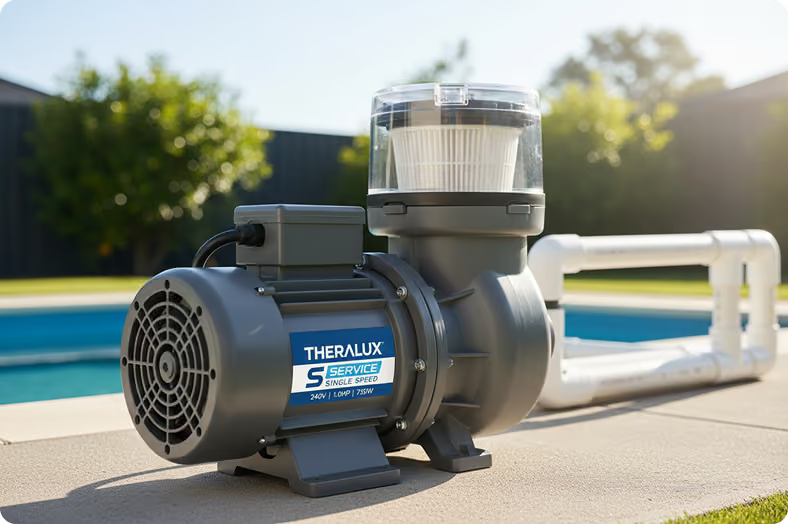
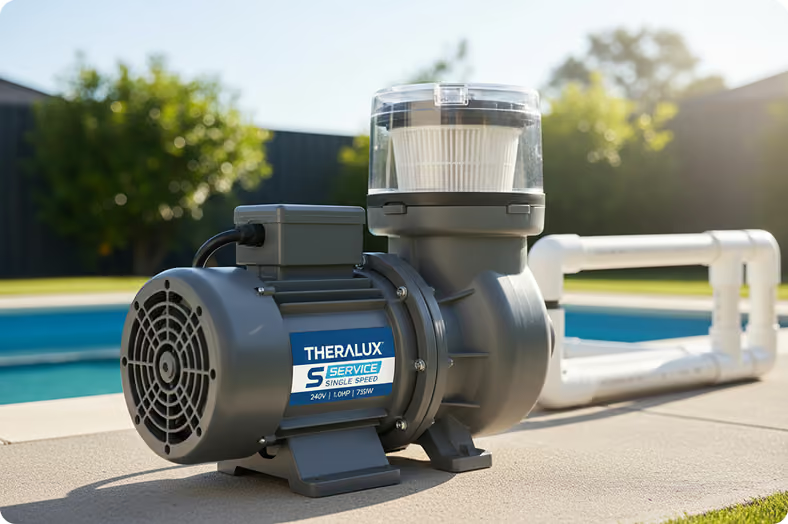
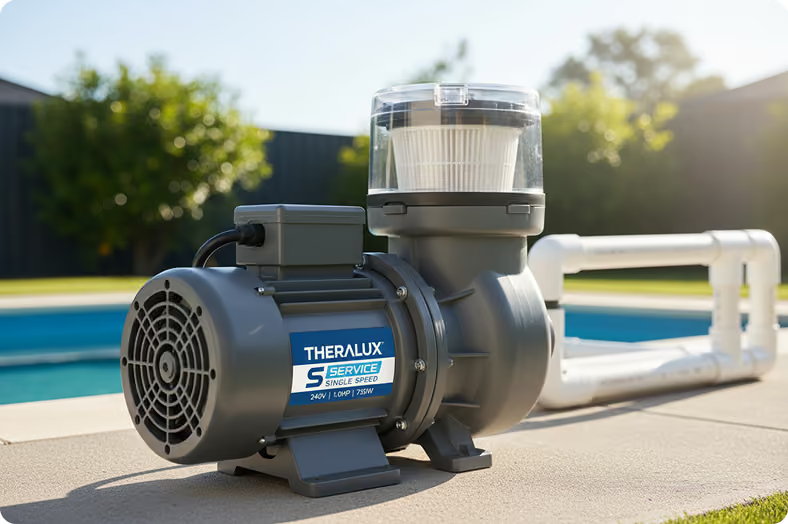
A pool pump that runs but doesn't move water is usually caused by a lost prime, a blocked basket, or an air leak on the suction side. Most of these can be checked and resolved without specialist tools.
Some faults, including motor noise, repeated tripping of the circuit breaker, or persistent priming failure, need a qualified technician. Working through the checks below will help you identify which situation you're dealing with.
What you'll learn
What It Usually Means
A pool pump that runs but fails to move water is one of the more common equipment faults pool owners encounter. The motor may sound like it's working, but water isn't circulating, or flow is noticeably reduced.
This is almost always a priming or blockage issue. In most cases, the pump has lost its prime, meaning air has entered the system and the pump can no longer draw water effectively. Less commonly, there's a blockage somewhere in the line, or a mechanical fault inside the pump itself.
Understanding which of these is happening will tell you whether it's something you can sort yourself or whether a technician needs to step in.
---
What You Can Safely Check Yourself
Before calling anyone, work through these checks in order. They're safe to do without any specialist tools or electrical knowledge.
1. Check the Skimmer and Pump Baskets
A clogged skimmer basket or pump strainer basket is the most common reason a pump loses flow. Debris builds up and restricts water getting to the pump.
- Turn the pump off at the switch before opening anything
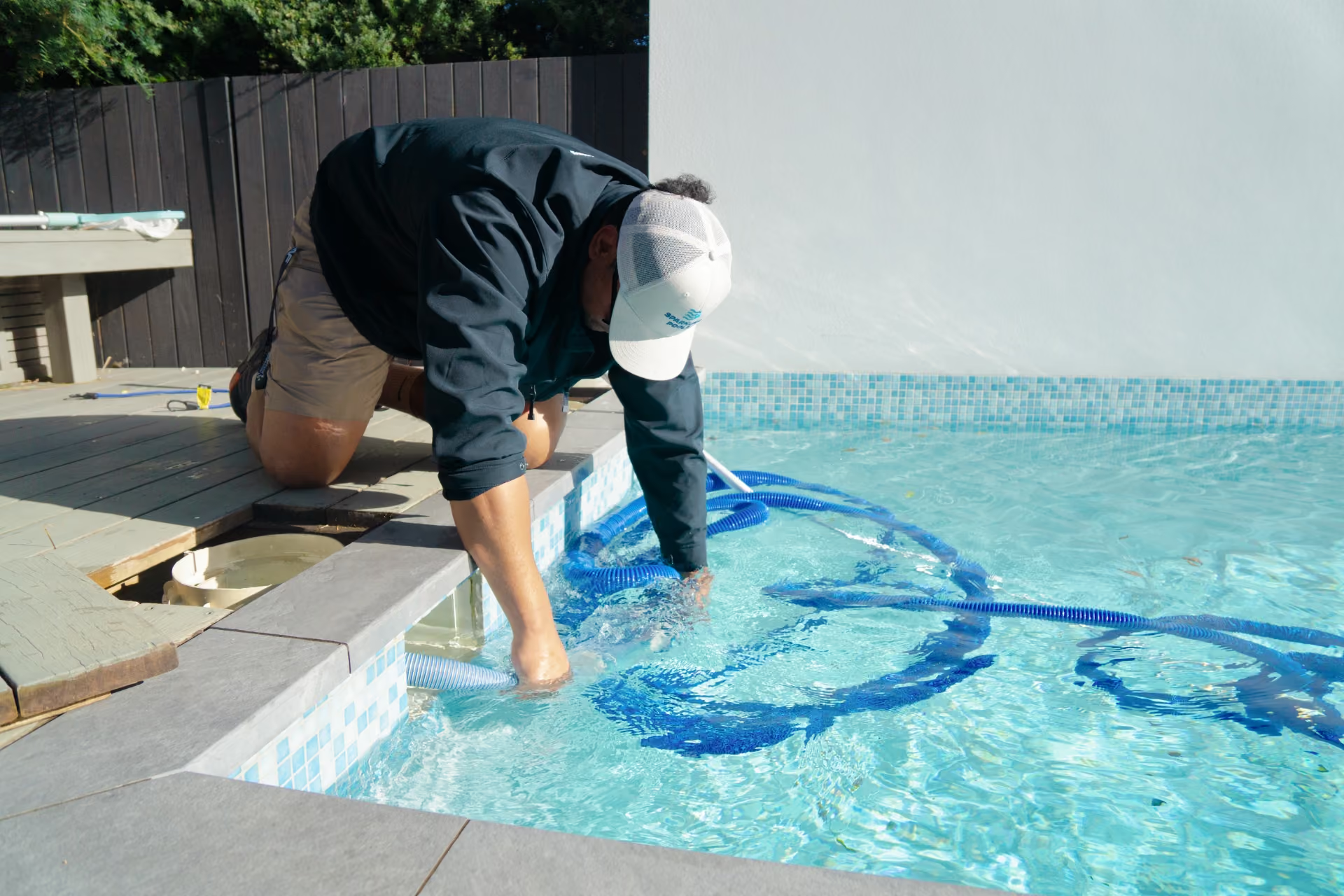
- Remove and empty the skimmer basket
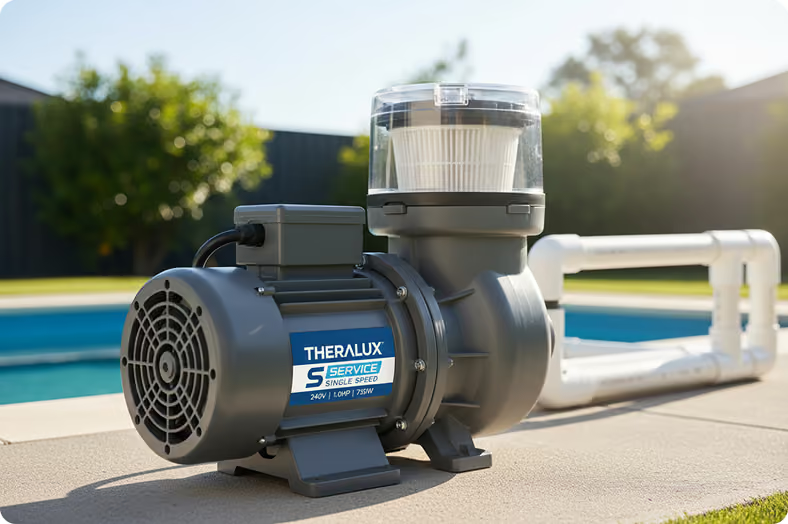
- Remove and empty the pump strainer basket (the clear or opaque lid on the pump housing)
- Check for any debris lodged in the basket housing itself
- Reinstall both baskets securely before restarting
If either basket was heavily blocked, this may be all that's needed.
2. Check for Air Leaks
Air entering the suction side of the pump is the most frequent cause of lost prime. Signs include:
- Bubbles returning through the pool return jets
- The pump strainer basket appearing partially empty or full of air rather than water
- The pump making a gurgling or sucking sound
Common air entry points to inspect:
- Pump lid O-ring, the rubber seal under the strainer basket lid. If it's cracked, dried out, or not seated properly, air gets in. Remove the lid, inspect the O-ring, and apply a small amount of O-ring lubricant if it looks dry. Replace it if it's damaged.
- Suction line fittings, check visible joints and unions on the suction side (the pipe going into the pump) for cracks or loose connections
- Skimmer weir and lid, make sure the skimmer lid is seated properly and the water level in the pool is high enough to cover the skimmer inlet
3. Check the Pool Water Level
If the water level has dropped below the skimmer inlet, the pump will draw air instead of water. This is a simple fix, top up the pool to the correct level (mid-skimmer is the general guide) and re-prime the pump.
4. Re-prime the Pump
If the pump has lost its prime, you'll need to re-prime it manually:
1. Turn the pump off
2. Open the pump strainer lid
3. Fill the strainer housing with water using a hose
4. Replace the lid firmly, making sure the O-ring is seated
5. Turn the pump back on
6. Watch the strainer basket, it should fill with water within a minute or two as the pump draws water through
If the basket fills with water and stays full, the pump has re-primed successfully. If it empties again quickly or stays full of air, there's likely an air leak that needs to be found and fixed first.
5. Check the Filter Pressure
A very high pressure reading on your filter gauge can restrict flow enough to make it seem like the pump isn't working. A dirty or blocked filter, particularly a sand filter that needs backwashing, or a cartridge filter that needs cleaning, can cause this.
- Check your filter pressure gauge
- If pressure is elevated, backwash a sand or DE filter, or clean a cartridge filter
- Restart the pump and check whether flow improves
6. Check the Multiport Valve Setting
If your filter has a multiport valve, make sure it's set to Filter and not accidentally left on Recirculate, Waste, or a mid-position. A valve that's between settings can block flow entirely.
---
What Needs a Technician
Some pump faults are not safe or practical to diagnose or fix without proper training and equipment. Stop troubleshooting and contact a pool technician if:
- The pump motor is making a grinding, screeching, or loud humming noise, this can indicate a failing motor bearing or a seized impeller, both of which require professional repair or motor replacement
- The pump trips the circuit breaker repeatedly, this is an electrical fault and should not be reset and retried without a technician checking the cause
- You've re-primed the pump multiple times and it won't hold prime, a persistent priming failure often points to a cracked pipe, a failing shaft seal, or a suction-side leak underground that requires proper diagnosis
- There's visible water leaking from the pump body, a leaking shaft seal or cracked pump housing needs professional attention
- The impeller is blocked, the impeller is the internal rotating component that moves water. Clearing a blocked impeller involves disassembling the pump wet end, which is straightforward for a technician but easy to get wrong without experience
- The pump is old and has failed repeatedly, repeated failures often mean the pump is nearing end of life. A technician can advise whether repair or replacement makes more sense
Sparkling Pools provides equipment diagnosis and repair across Auckland. If you've worked through the checks above and the pump still isn't performing, it's worth having a technician look at it rather than continuing to run the pump in a compromised state.
---
Preventing Pump Problems
Most pump faults are avoidable with a consistent maintenance routine.
- Clean the skimmer and pump baskets weekly, or more often during autumn when leaf fall is heavy. A blocked basket is the single most common cause of pump problems.
- Check the pump lid O-ring every few months, keep it lubricated and replace it at the first sign of cracking or deformation
- Maintain the correct water level, top up the pool regularly, especially during Auckland's drier summer months when evaporation is higher
- Keep the filter clean, backwash or clean the filter cartridge on schedule to prevent pressure buildup that strains the pump
- Have the pump serviced periodically, a technician can inspect the shaft seal, impeller, and motor condition before a small issue becomes a breakdown
- Don't run the pump dry, if you notice the pump has lost prime, turn it off promptly. Running a pump without water causes rapid wear to the shaft seal and impeller
---
When to Book a Service
If your pump is more than a few years old and you're noticing reduced flow, unusual noise, or repeated priming issues, it's worth booking a service check rather than waiting for a full failure. Catching wear early is almost always cheaper than an emergency repair or full pump replacement.
Sparkling Pools has been servicing pool equipment across Auckland since 1992. Contact the team on 09 570 4797 or at info@sparklingpools.co.nz if you'd like a technician to take a look.
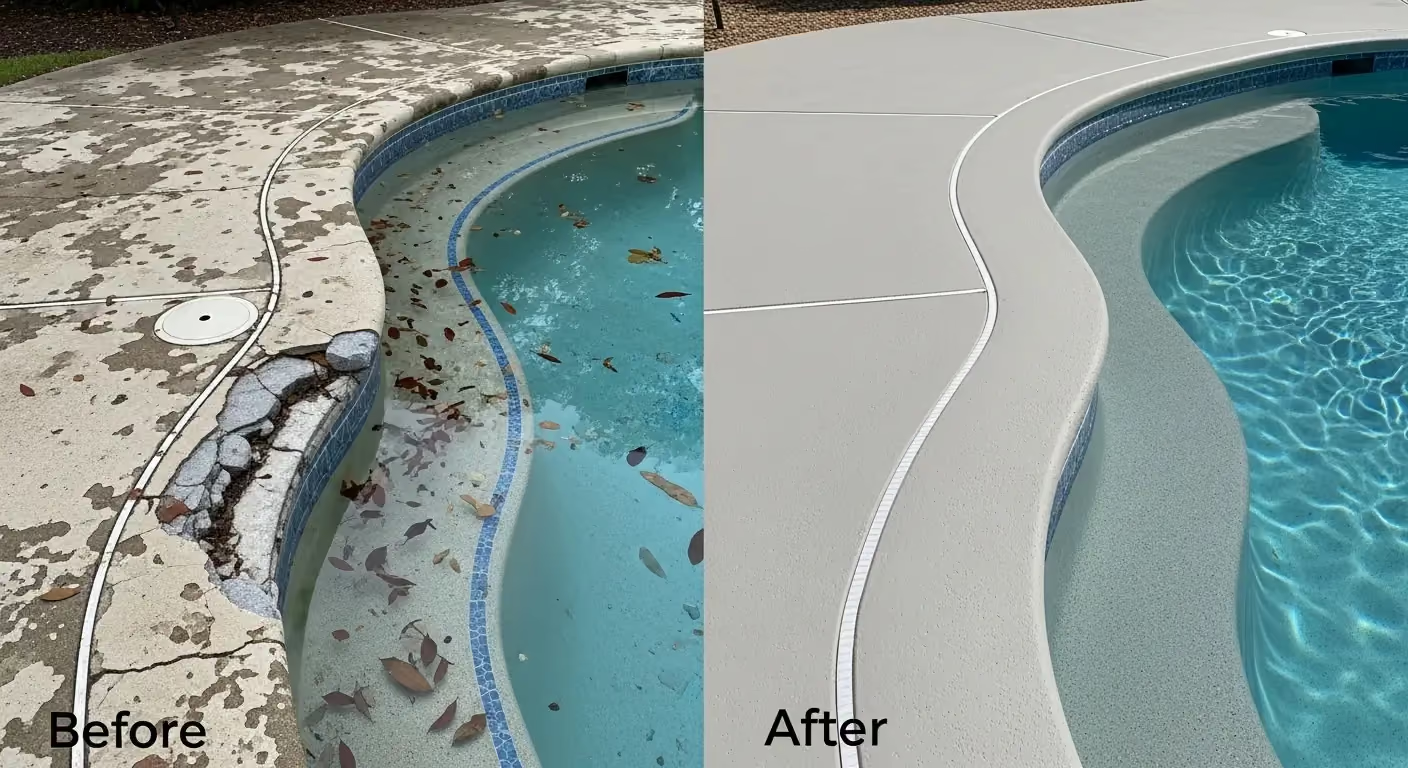
Pool resurfacing solutions
Restore your pool with durable plaster finishes
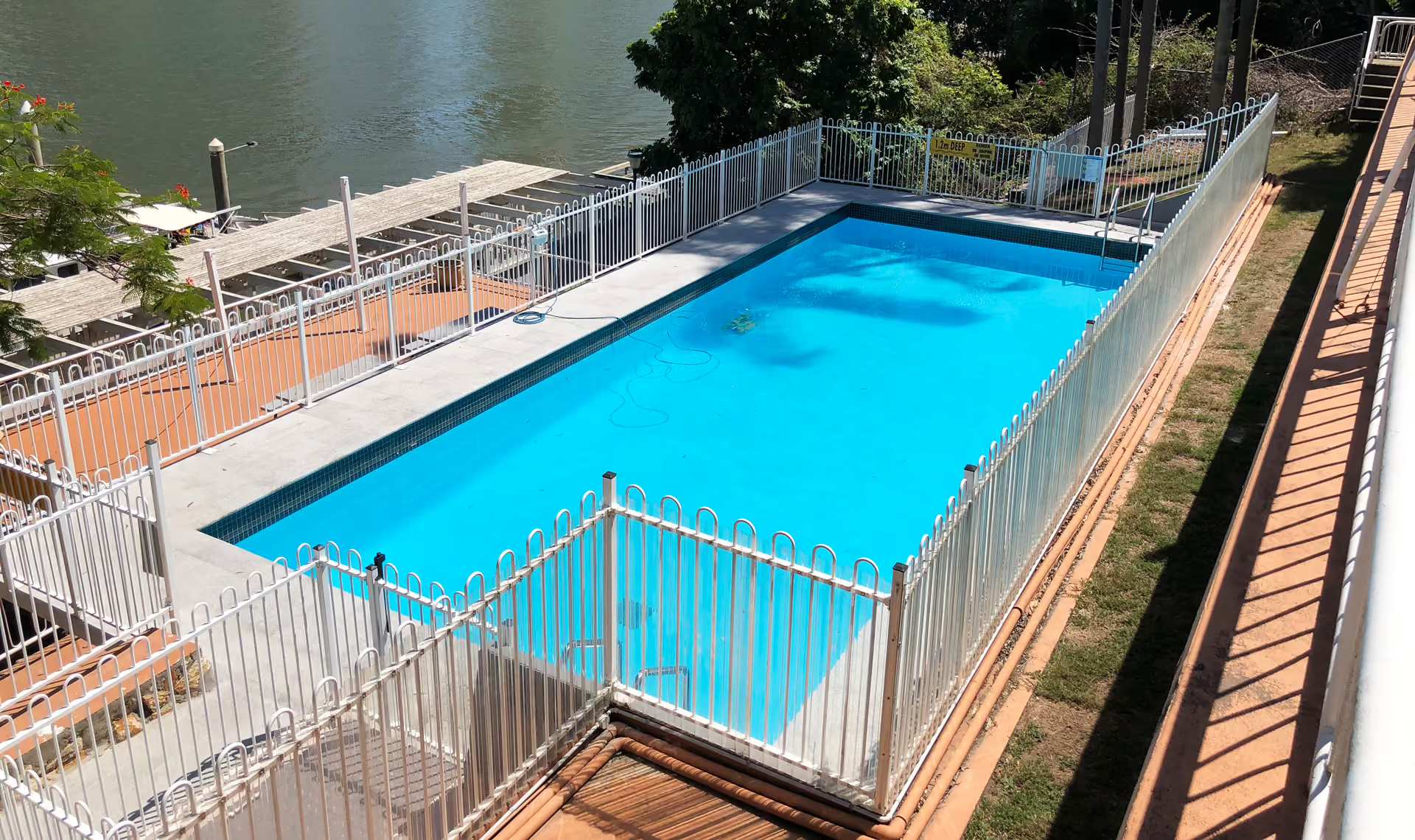
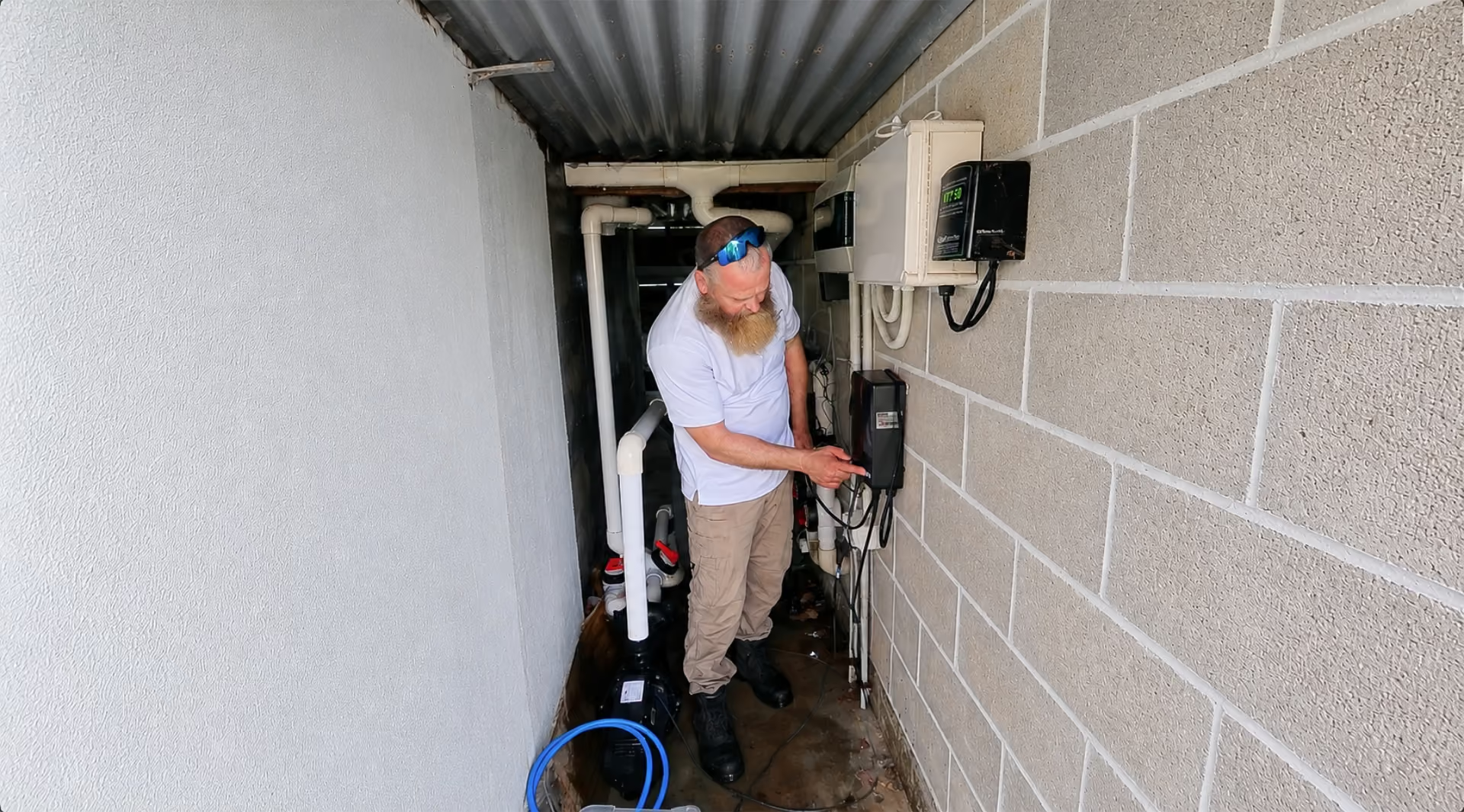
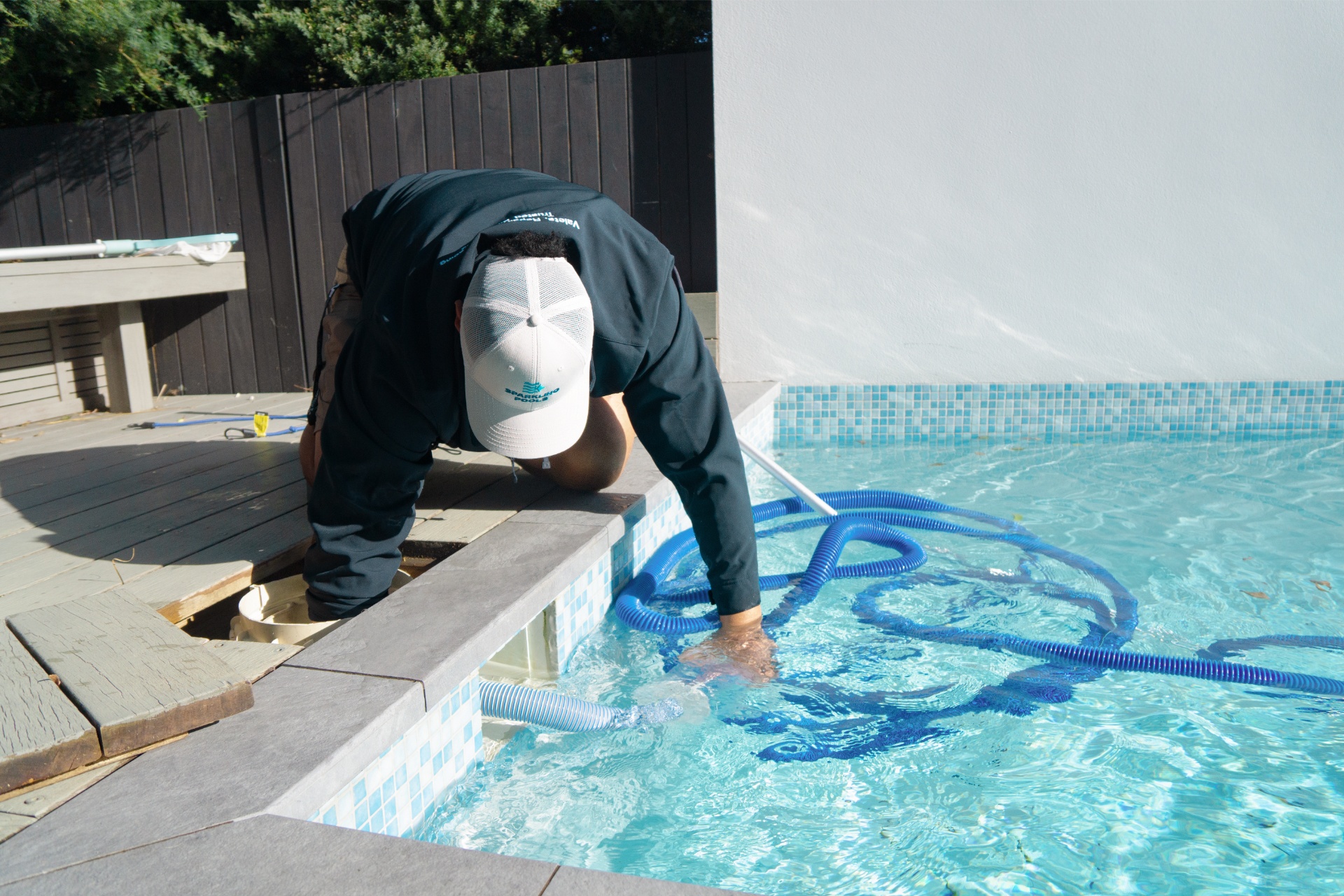
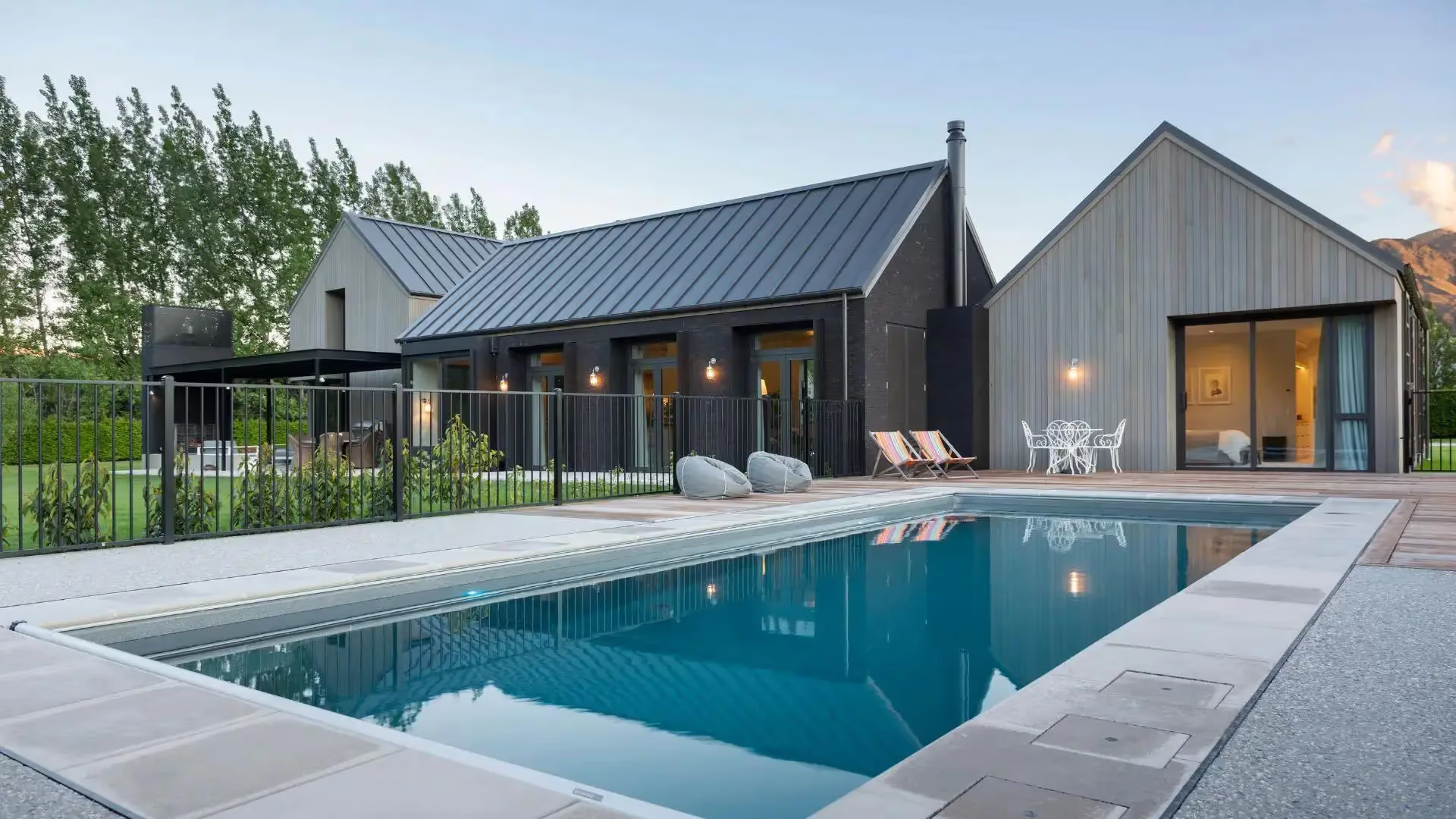
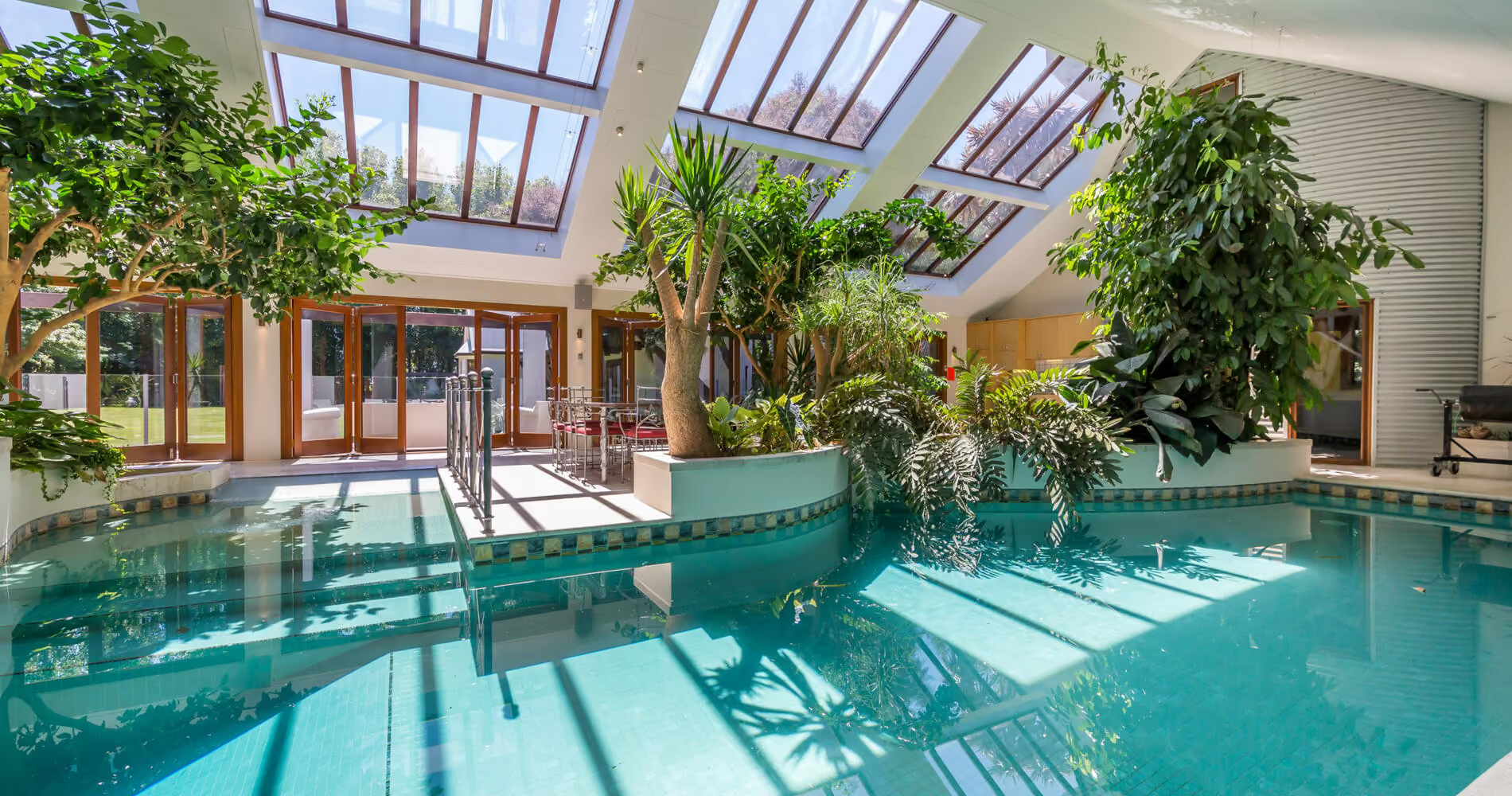
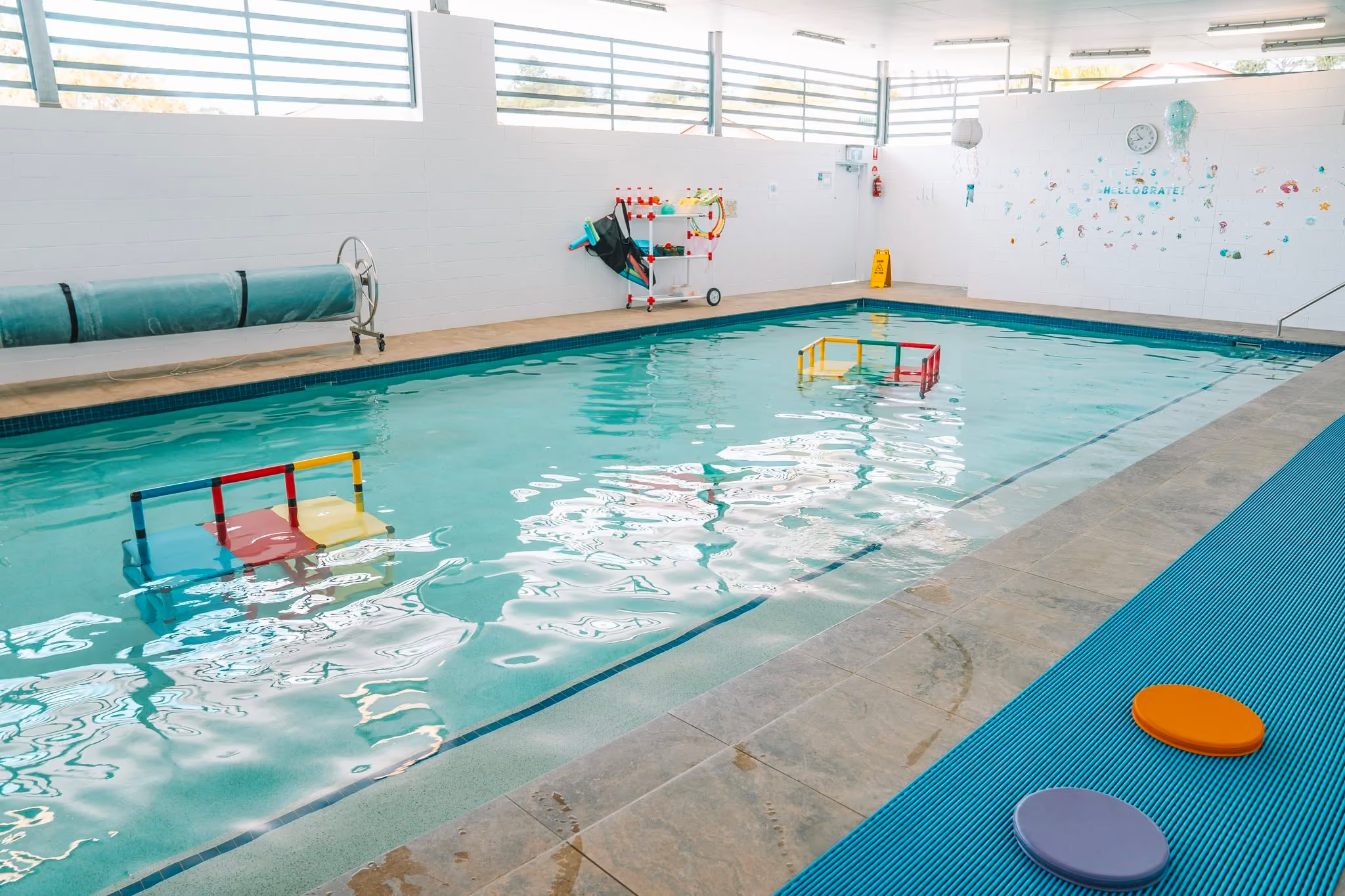
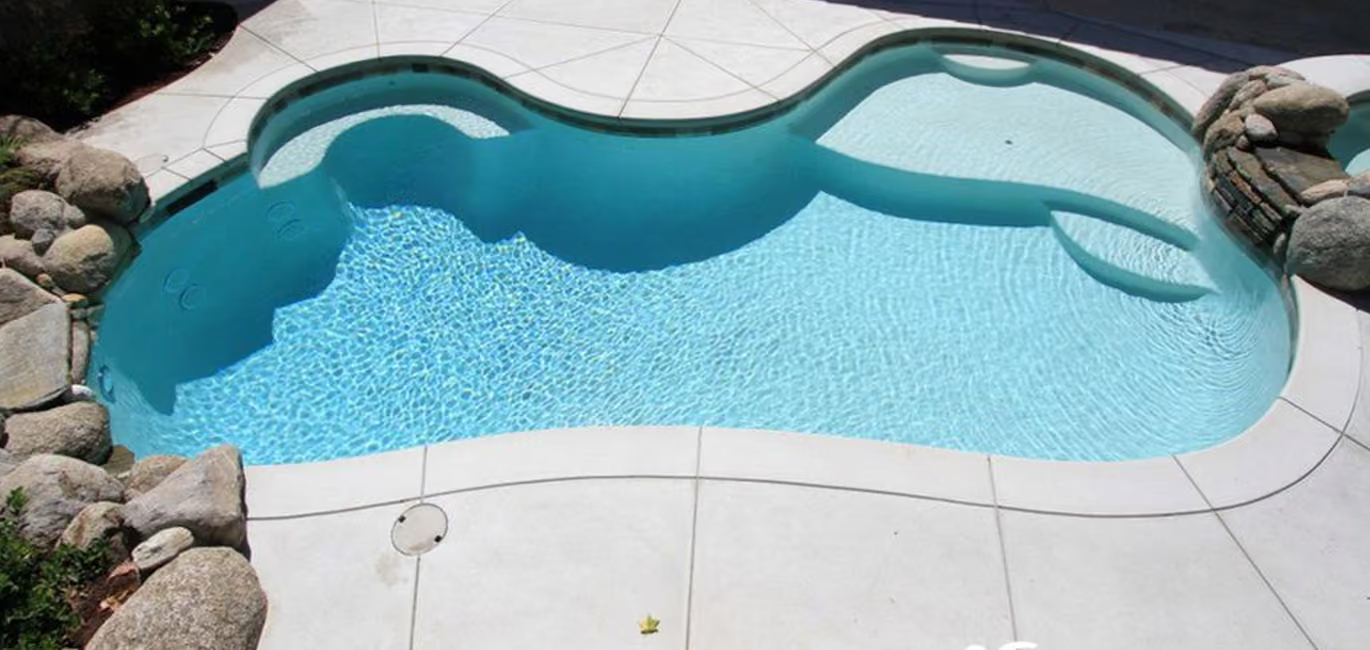
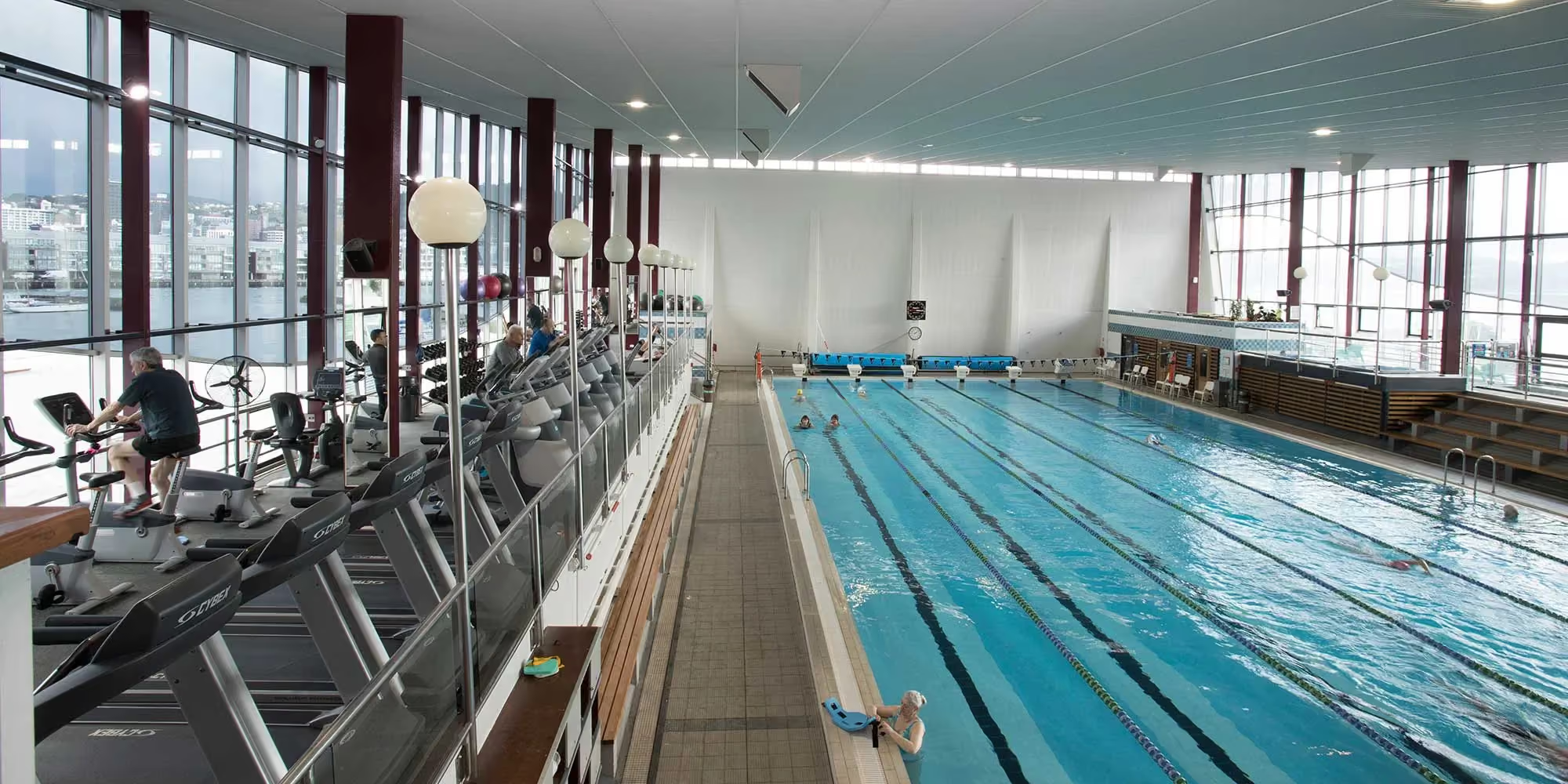


Work completed
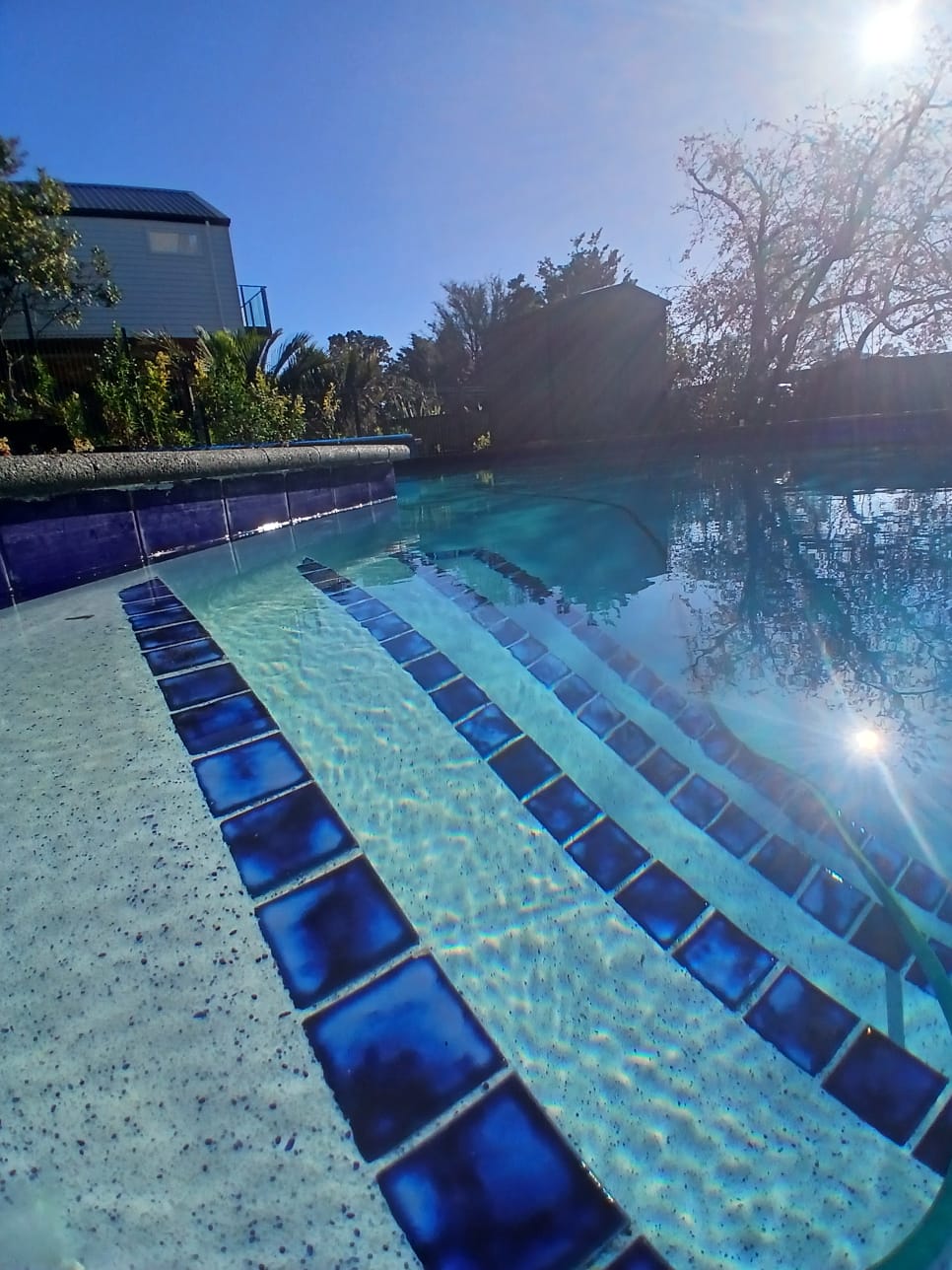
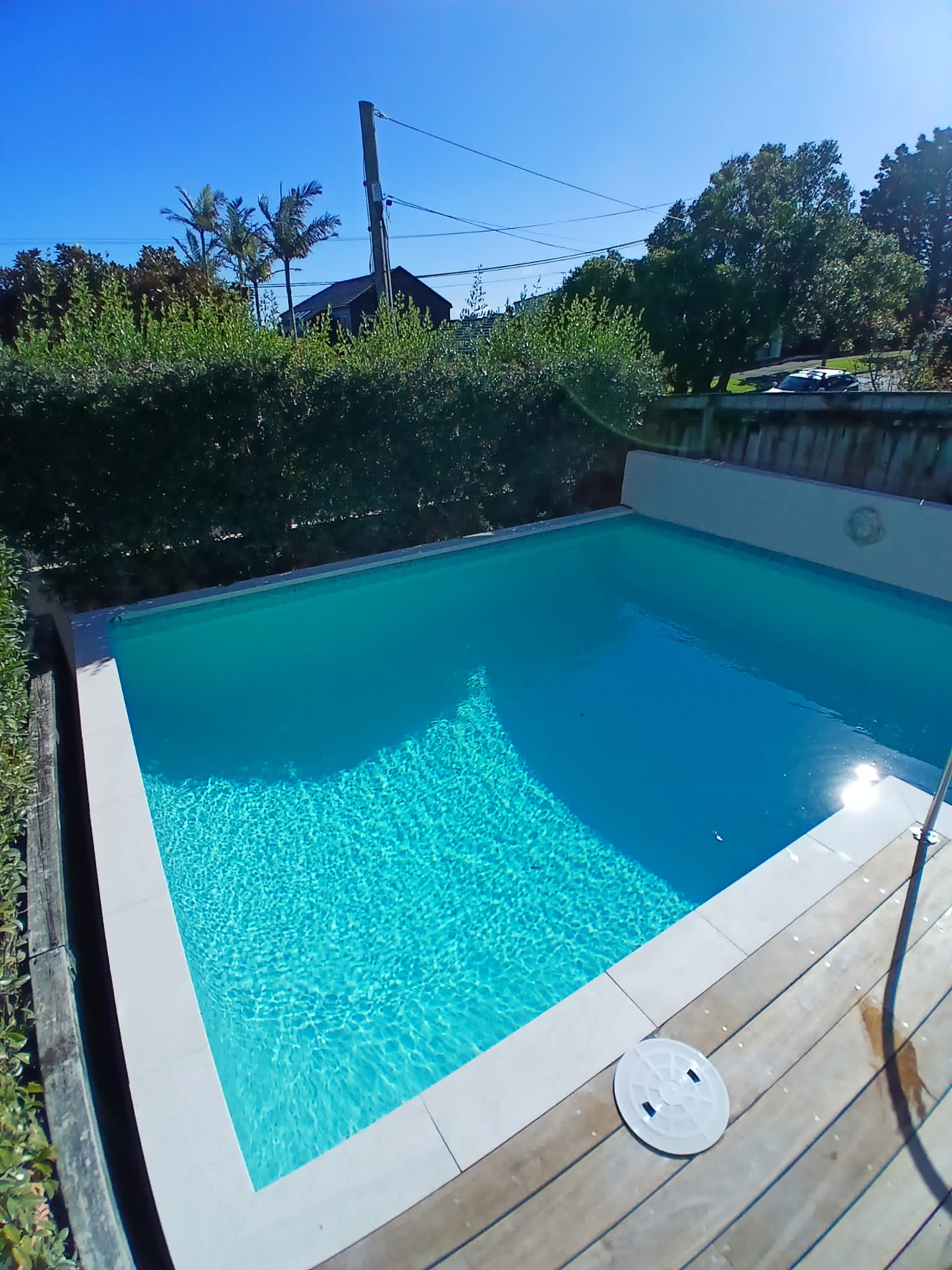
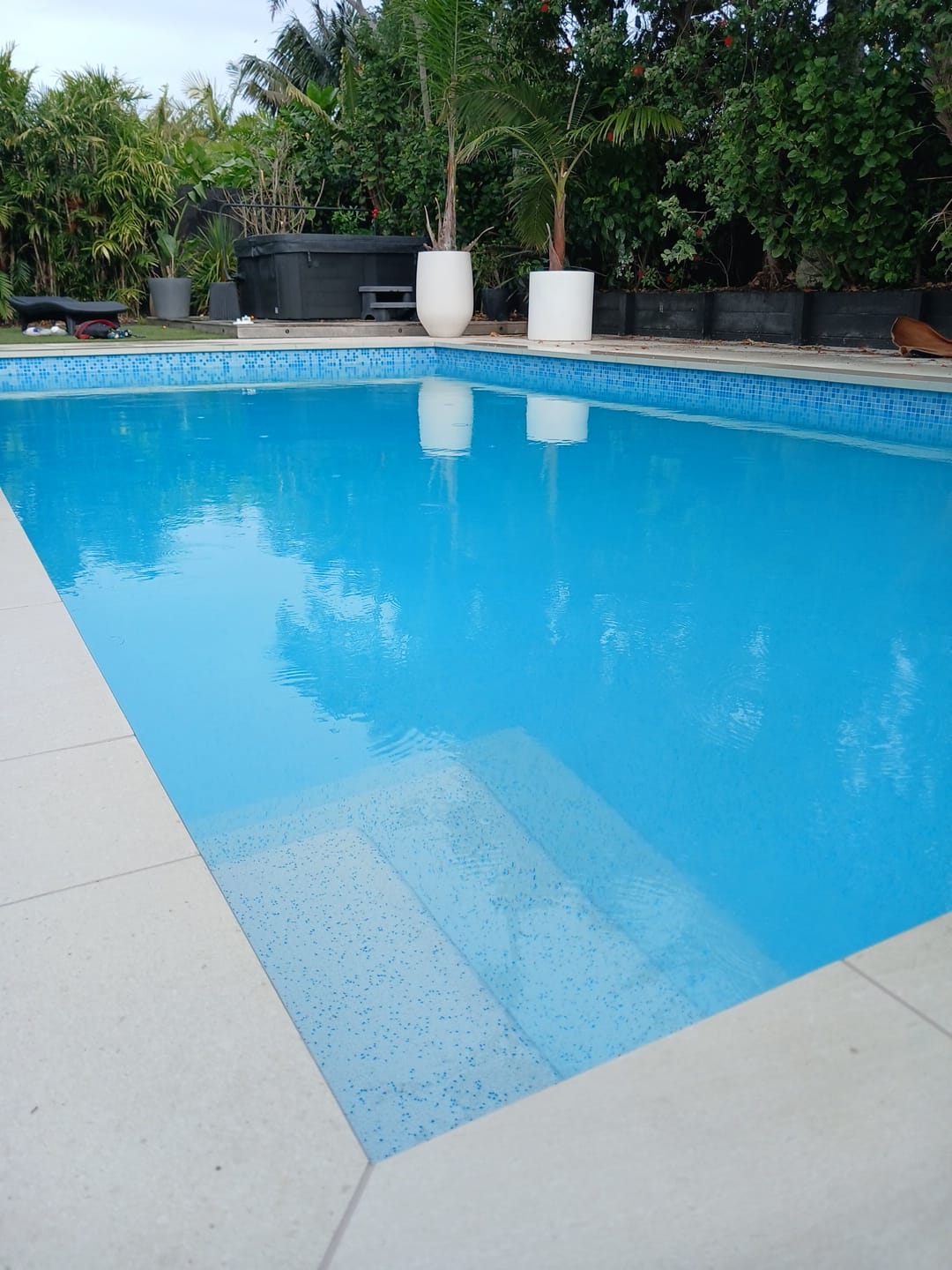
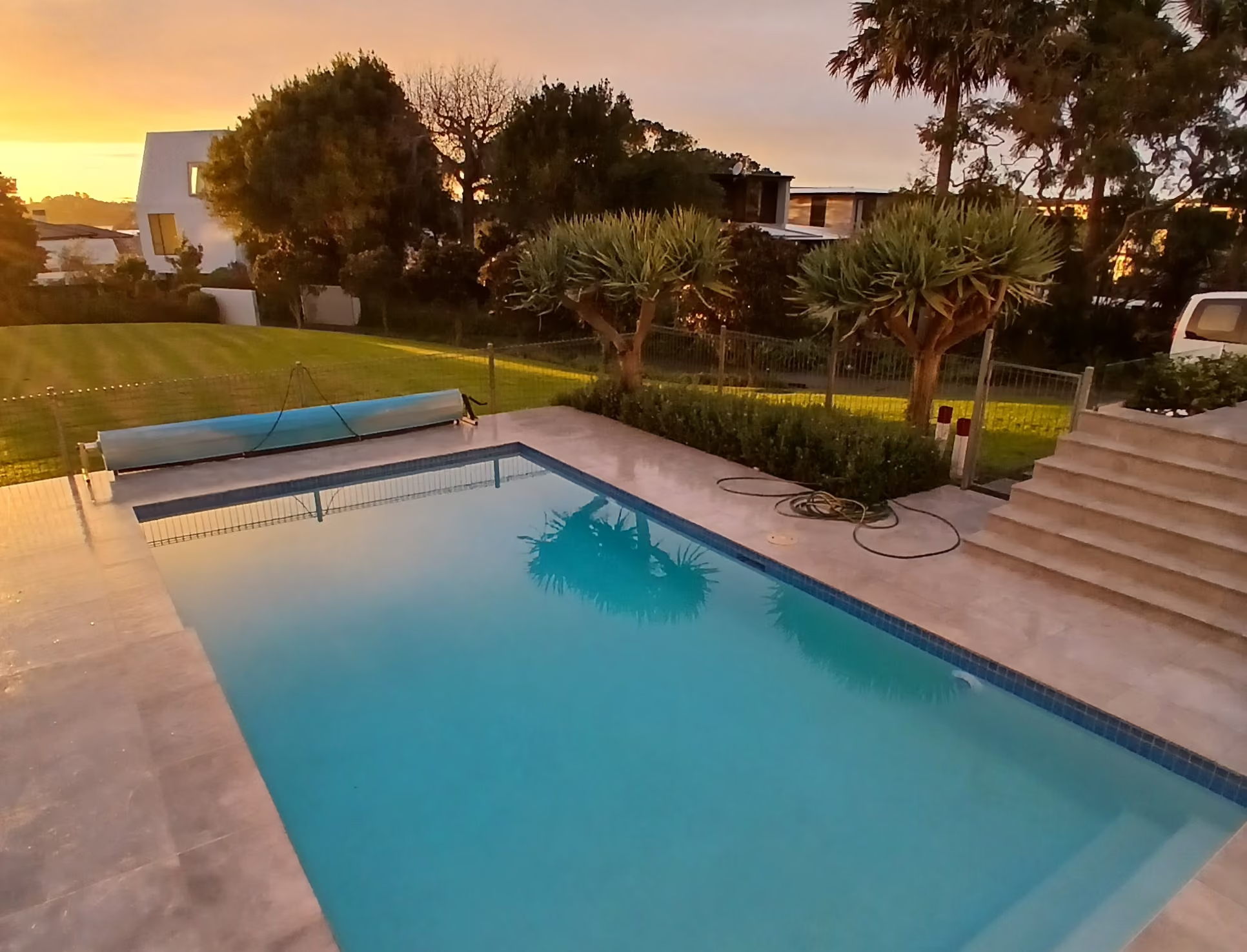
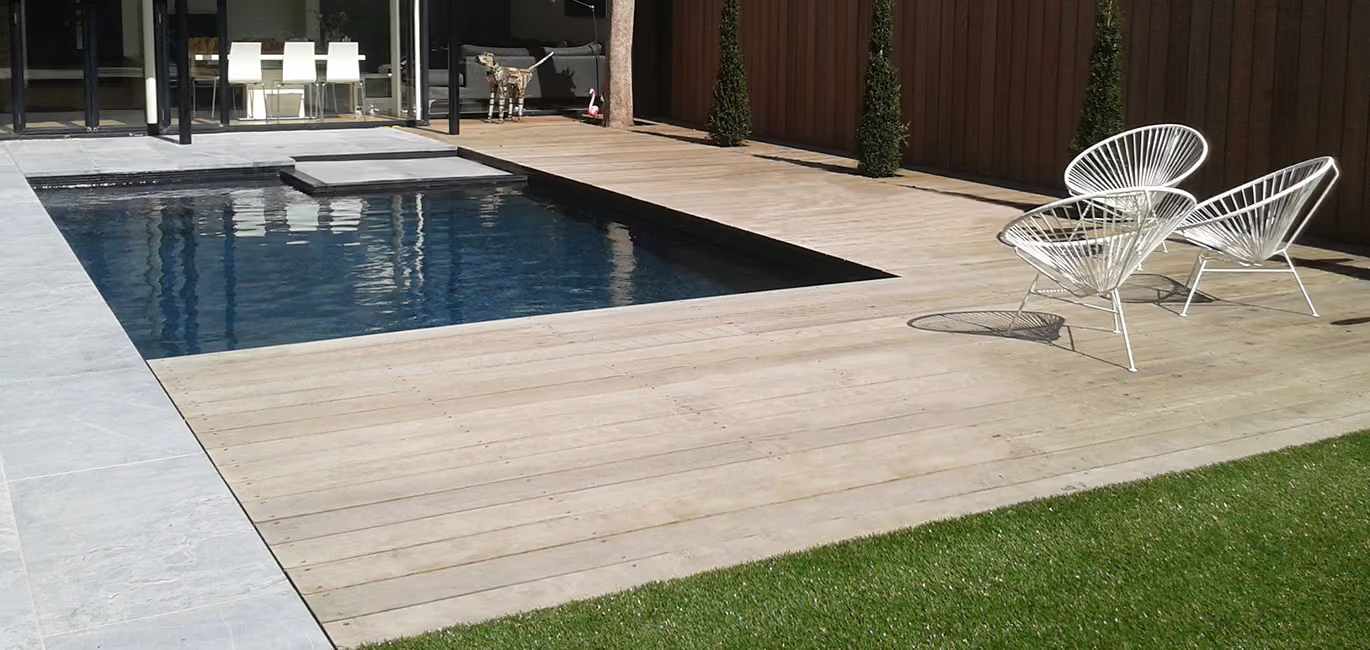
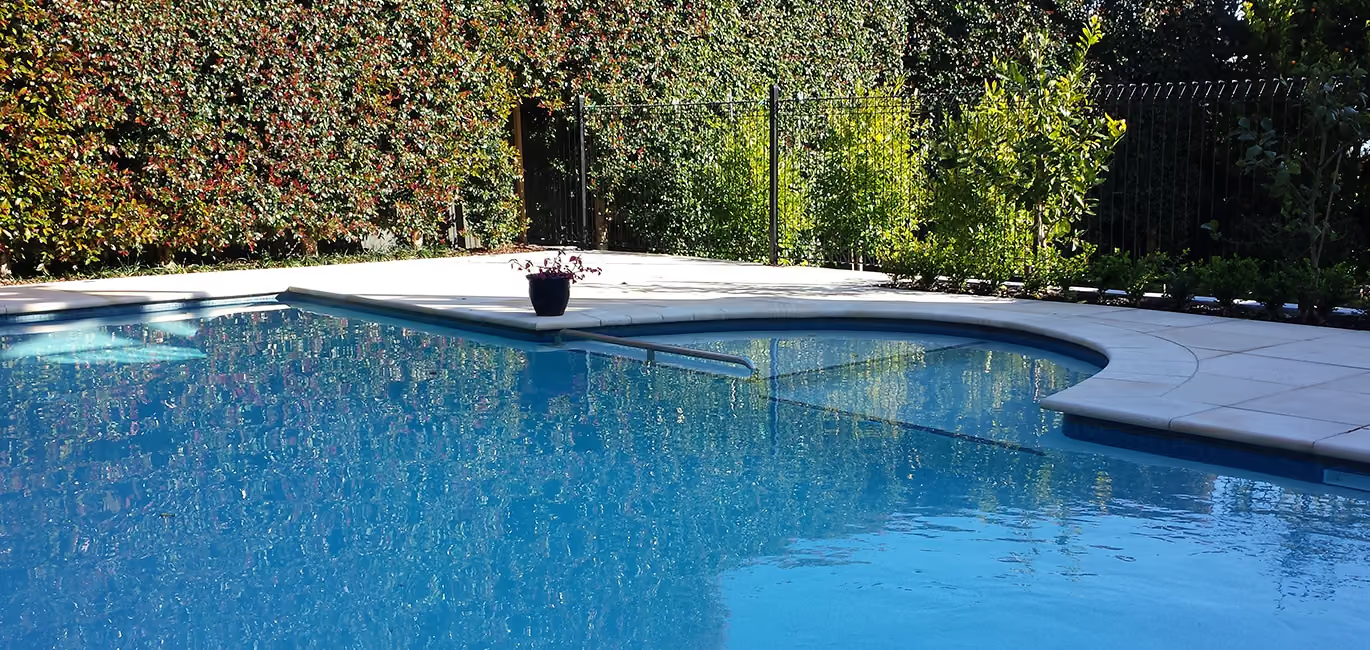
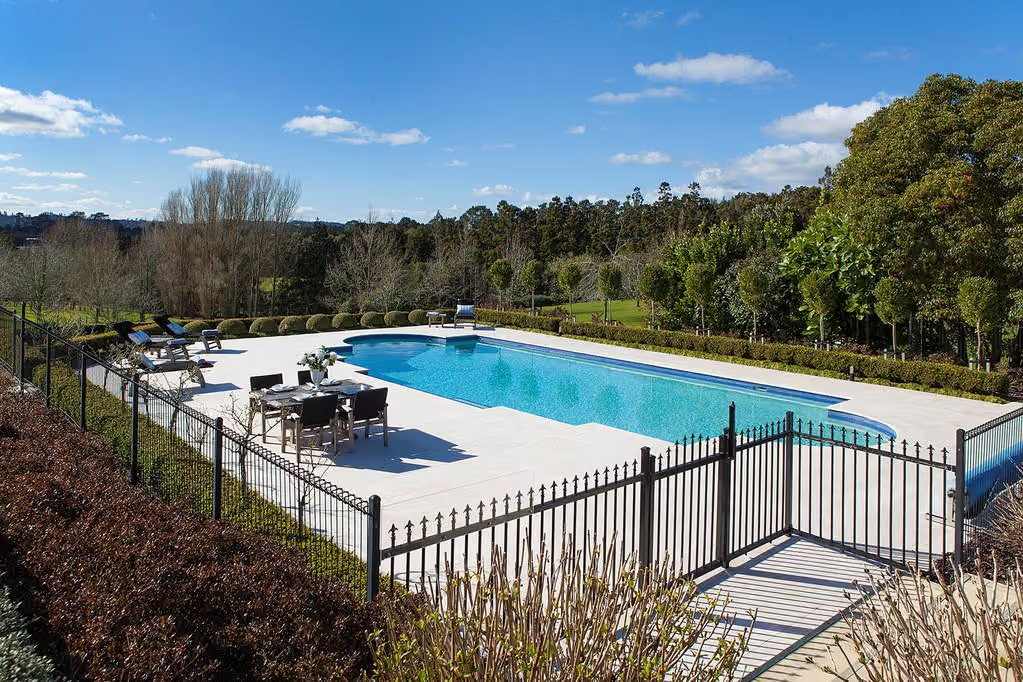
Sparkling Pools has worked on pools across Auckland, including residential renovation projects, equipment upgrades, ongoing maintenance and pool care for managed properties. Past projects show how the right approach can improve presentation, water quality and day-to-day usability. A well-maintained pool is easier to manage, more pleasant to use and better prepared for seasonal changes.
Trusted by Homeowners Across Auckland
Don't just take our word for it. Read what our clients have to say about our transparent communication, reliable service, and stunning pool transformations.
Related Blog Posts
Stay informed on pool care and renovations
Winter pool care essentials for Auckland
Pool Renovation Mistakes

Auckland Climate Pool Maintenance
Choosing Renovation Contractor
Pool Care Auckland Summer
Permits & Consents

Pool Renovation ROI
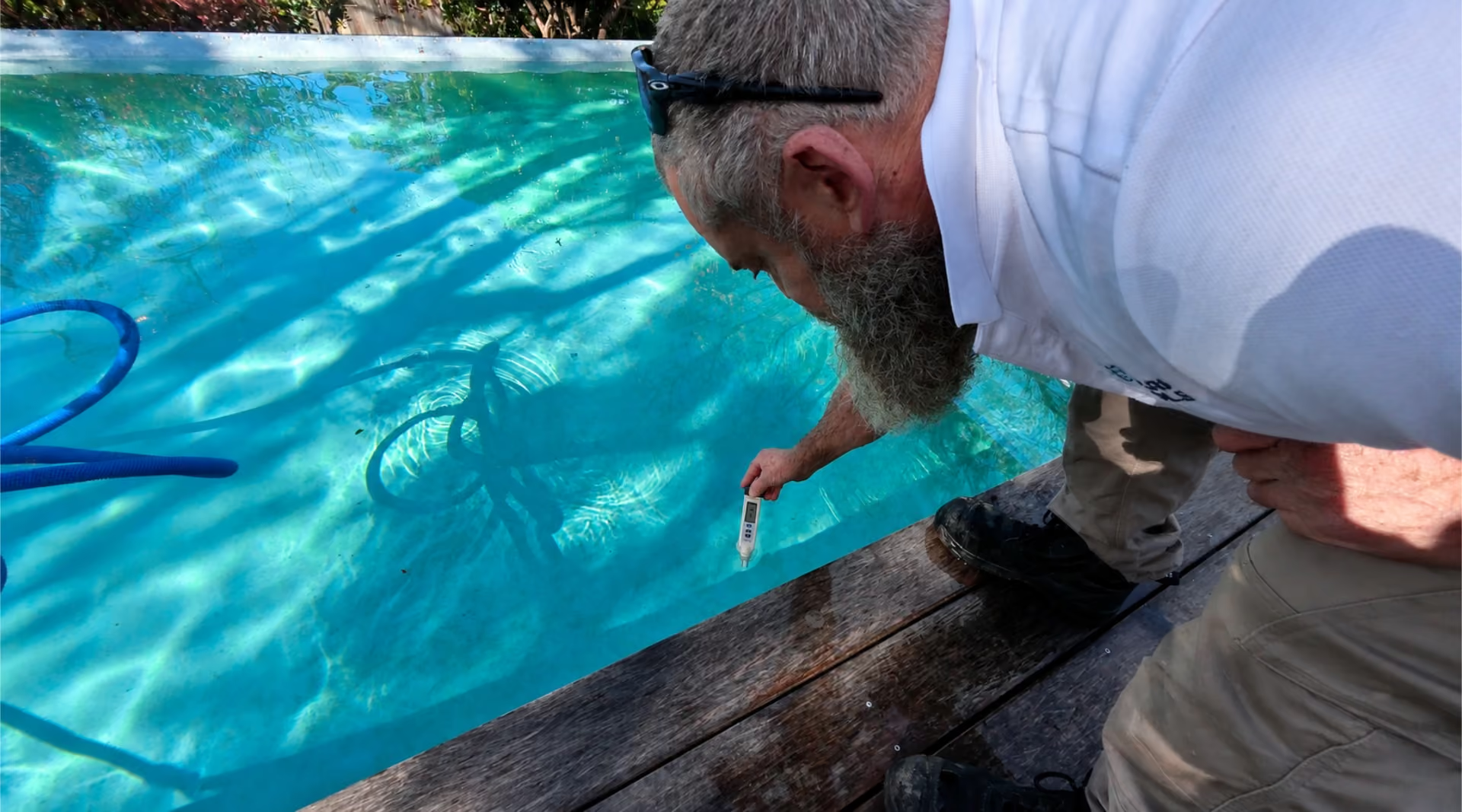
How Often to Test Pool Water
Pool Renovation Costs
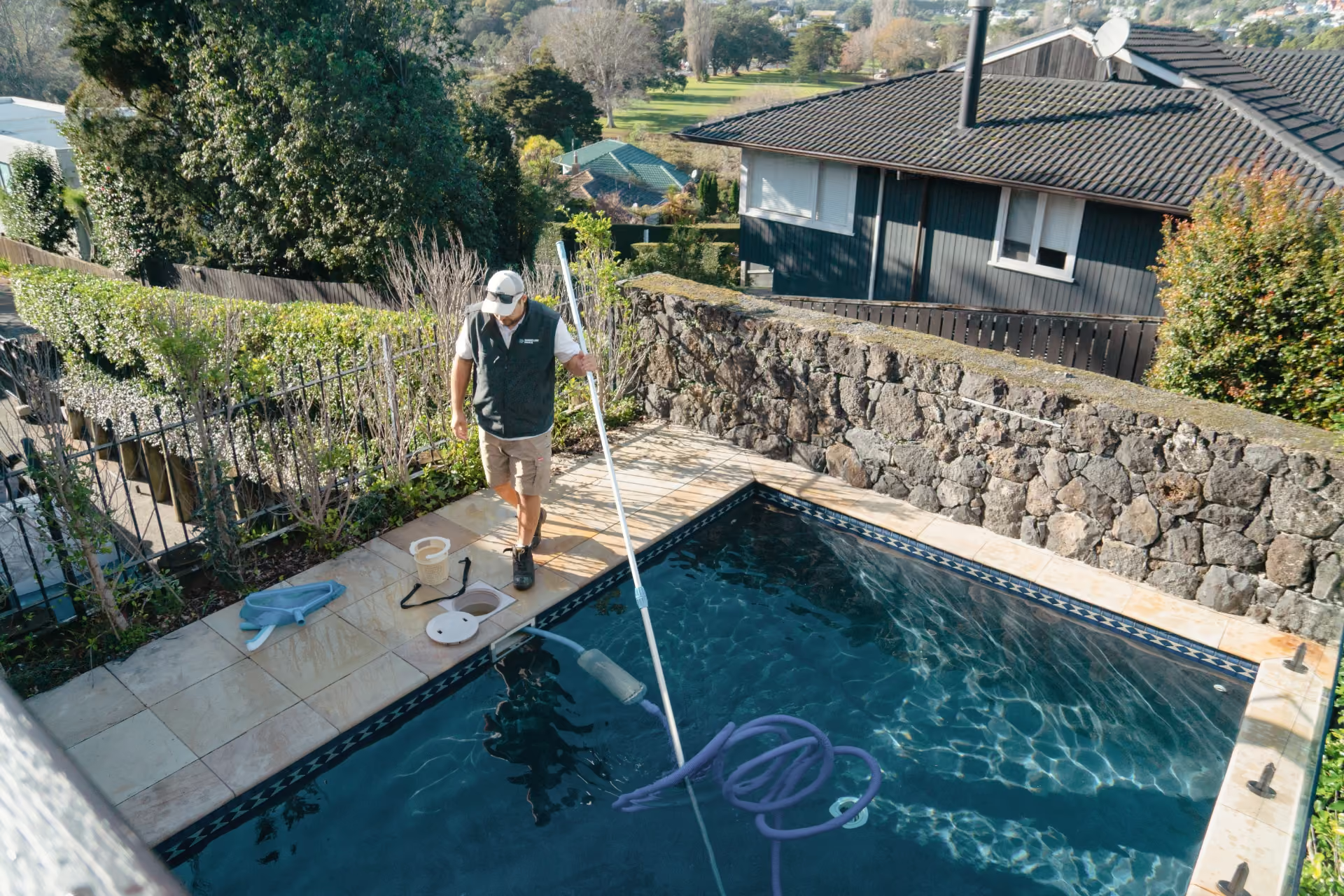
Cost of Pool Service Auckland
Pool Renovation Planning Guide
Pool Lighting Buying Guide
Pool Cleaner Buying Guide
Pool Automation Buying Guide
Pool Heater Buying Guide
Pool Filter Buying Guide
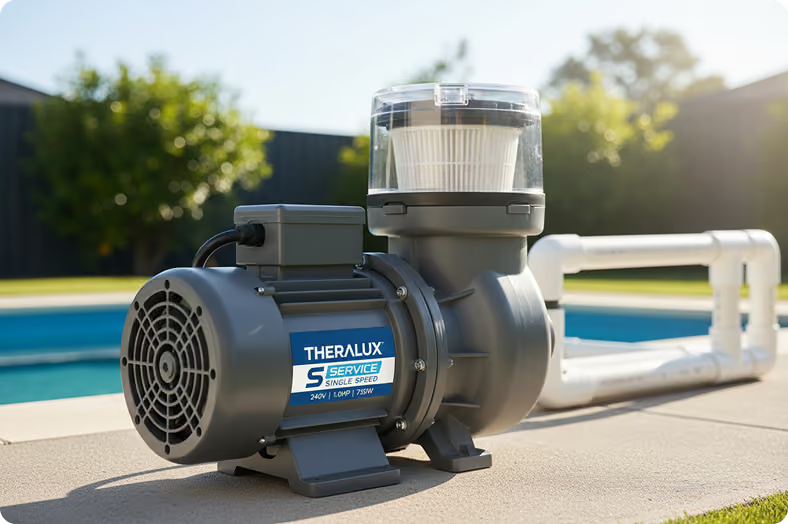
Pool Pump Buying Guide
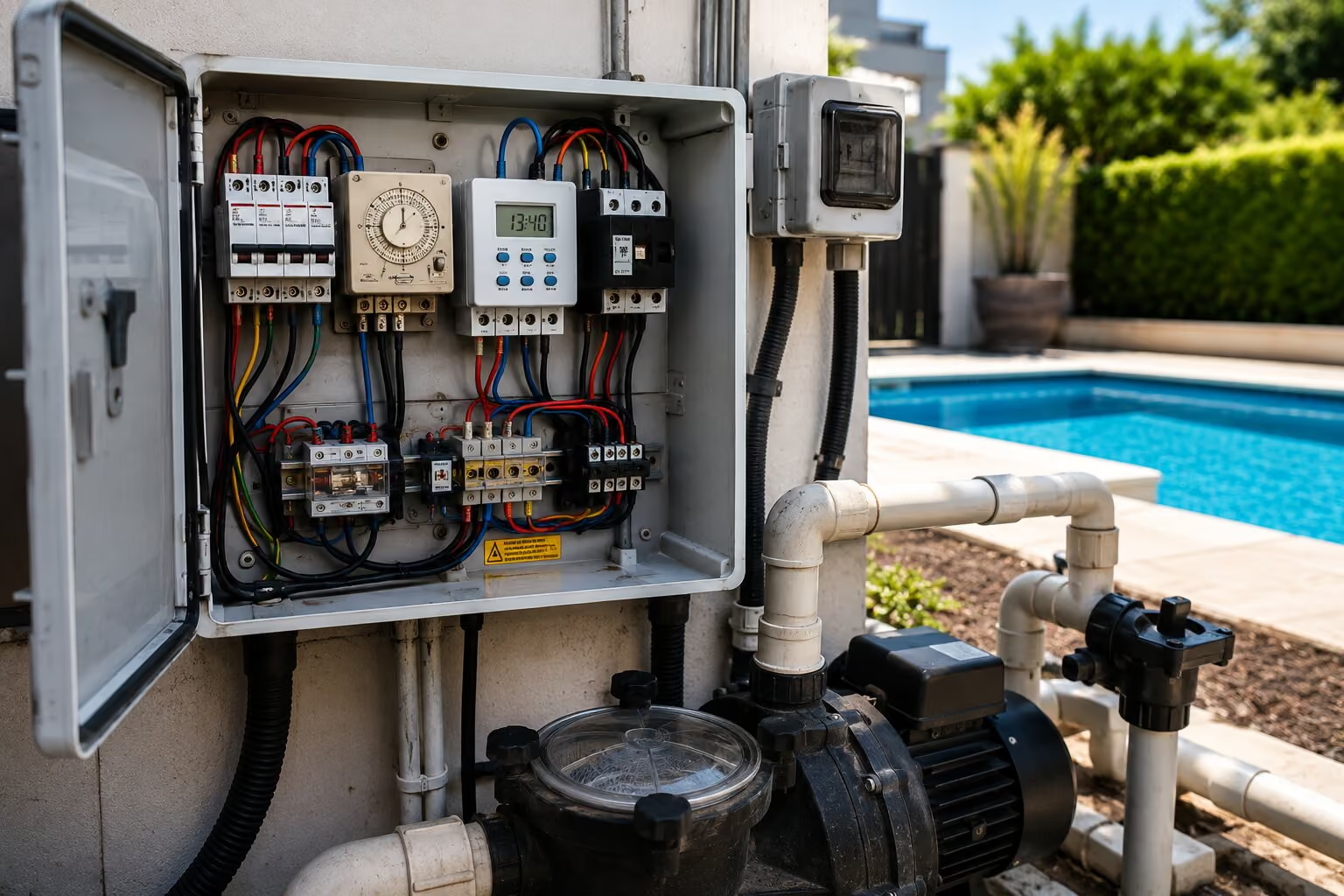
Best Equipment Auckland Climate
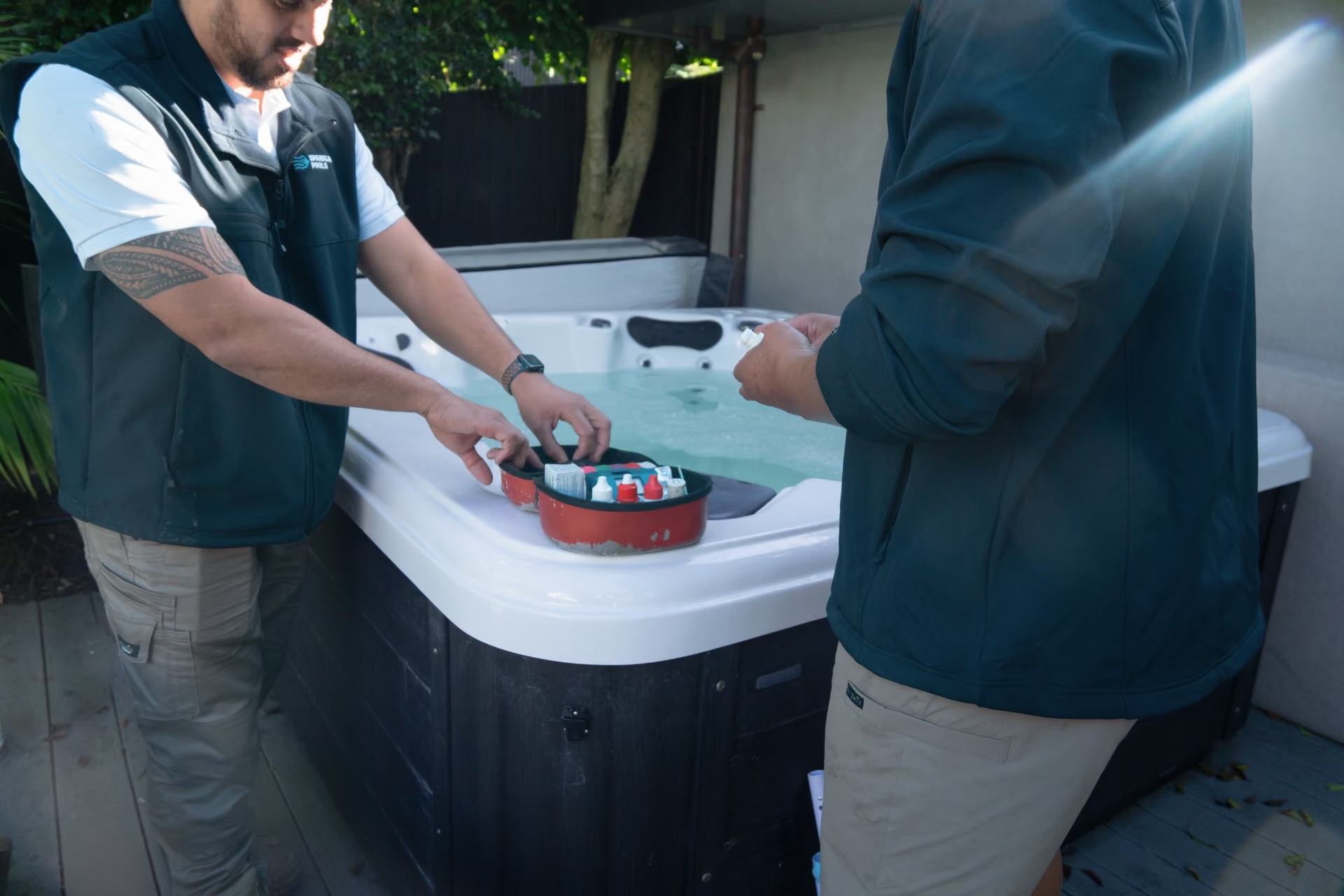
Auckland Water Quality
Auckland Pool Season
Pool Ownership Costs
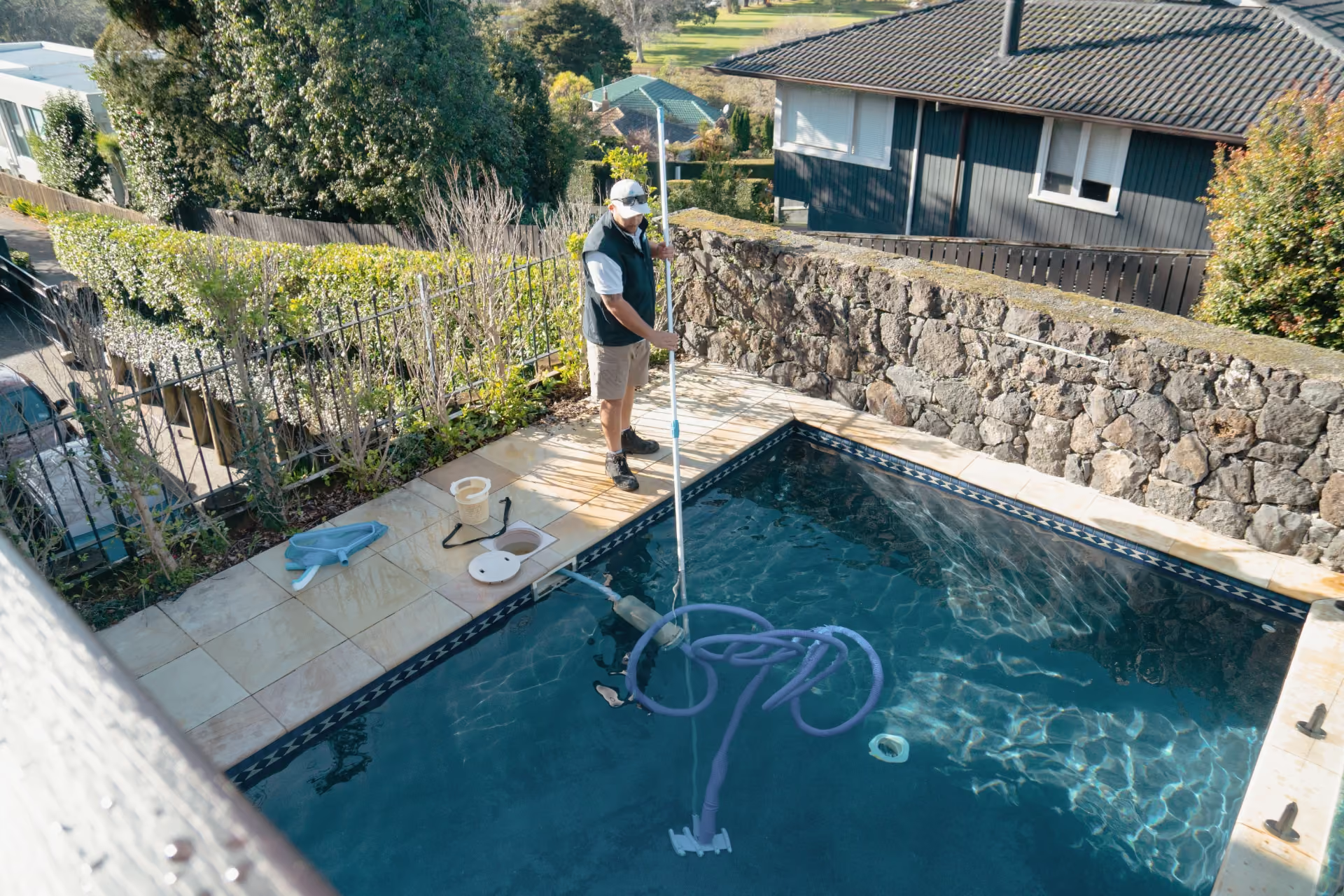
Common Pool Mistakes
Pool Safety Laws
Pool Inspection Requirements
Pool Fence Compliance
.avif)
Auckland Pool Industry Trends
Auckland Pool Regulations
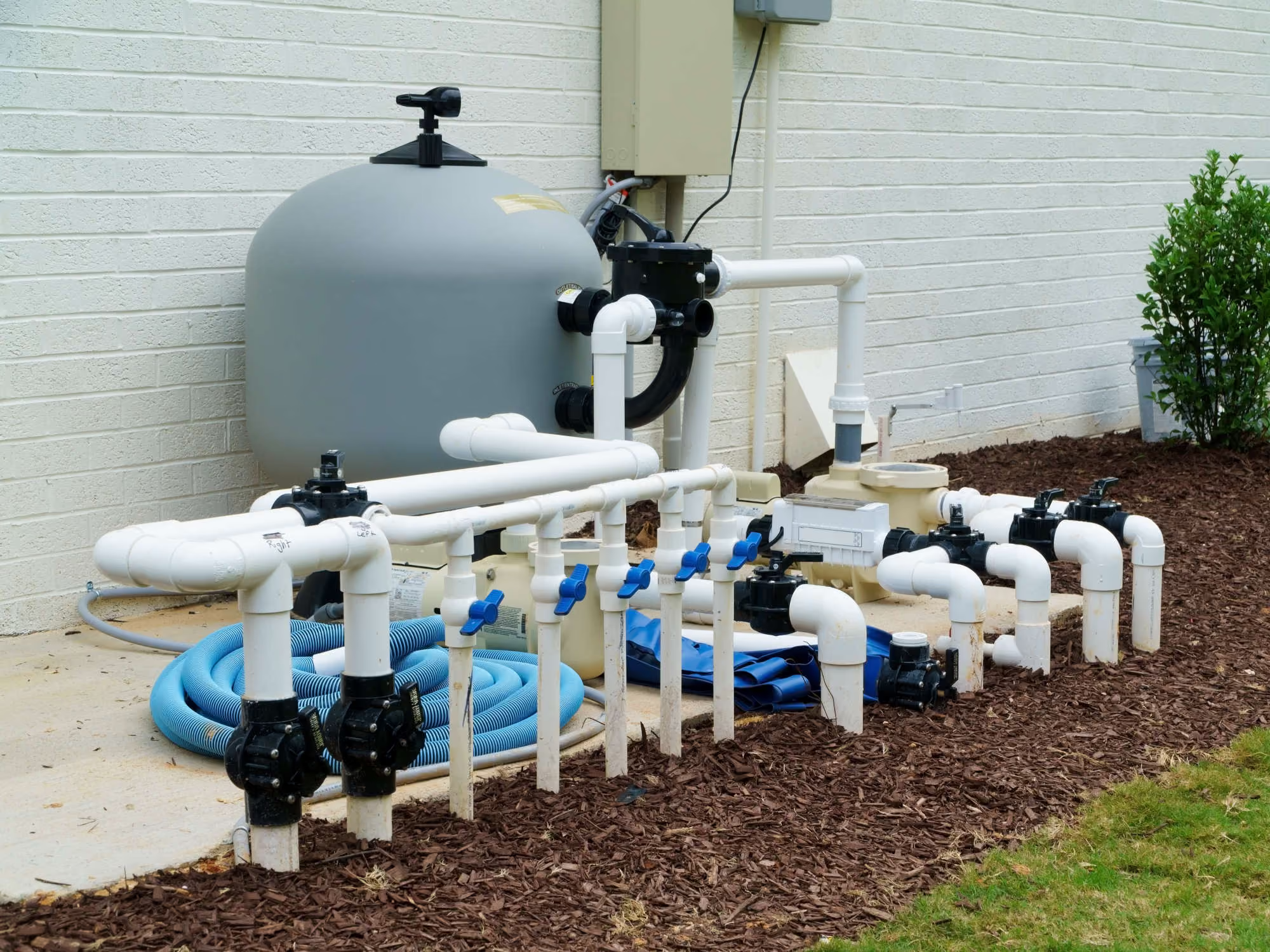
Pool Equipment Suppliers
Best Pool Service Areas
Pool Service Pricing Analysis
Company vs Independent
Best Pool Surface Materials
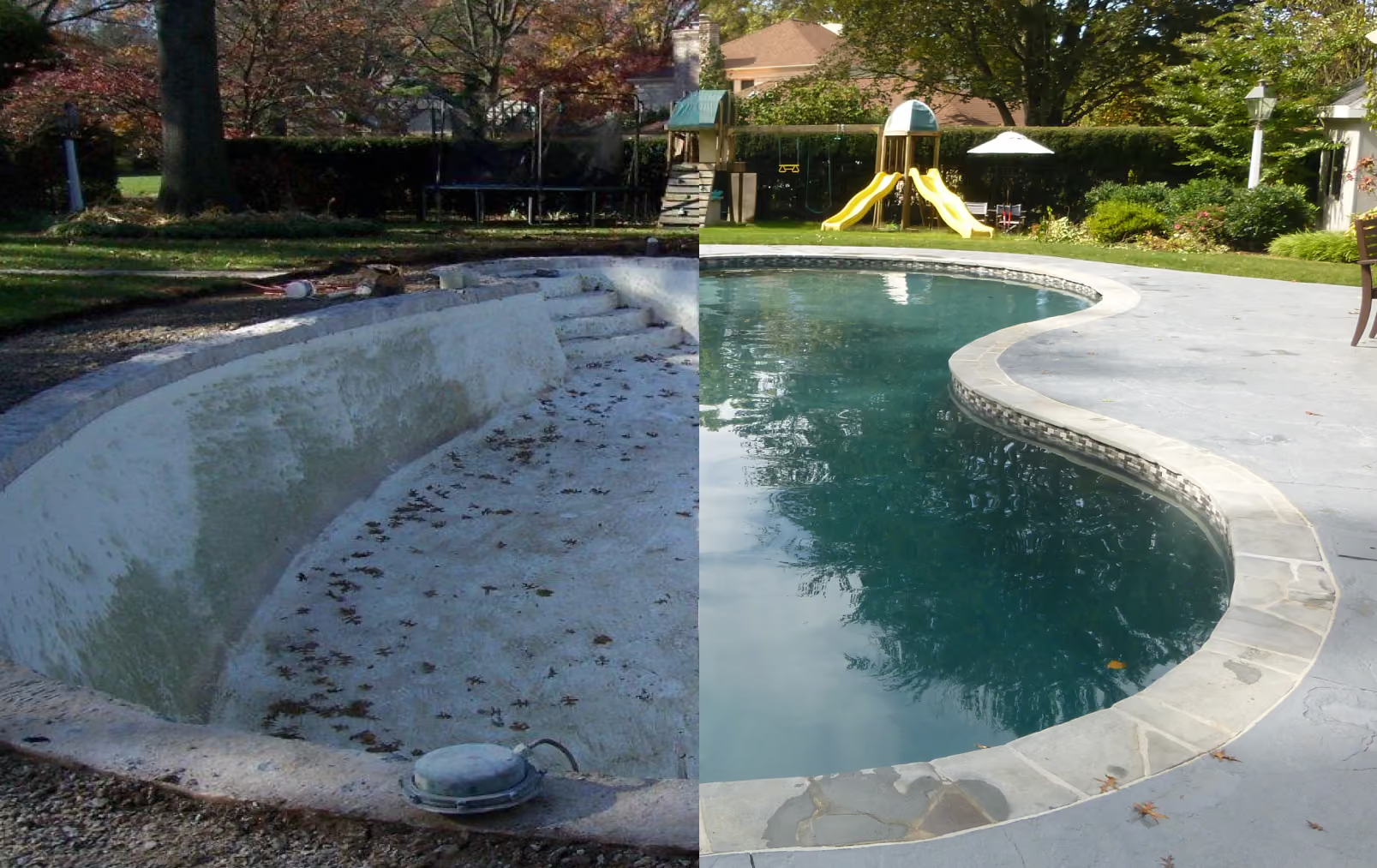
Pool Resurfacing Options
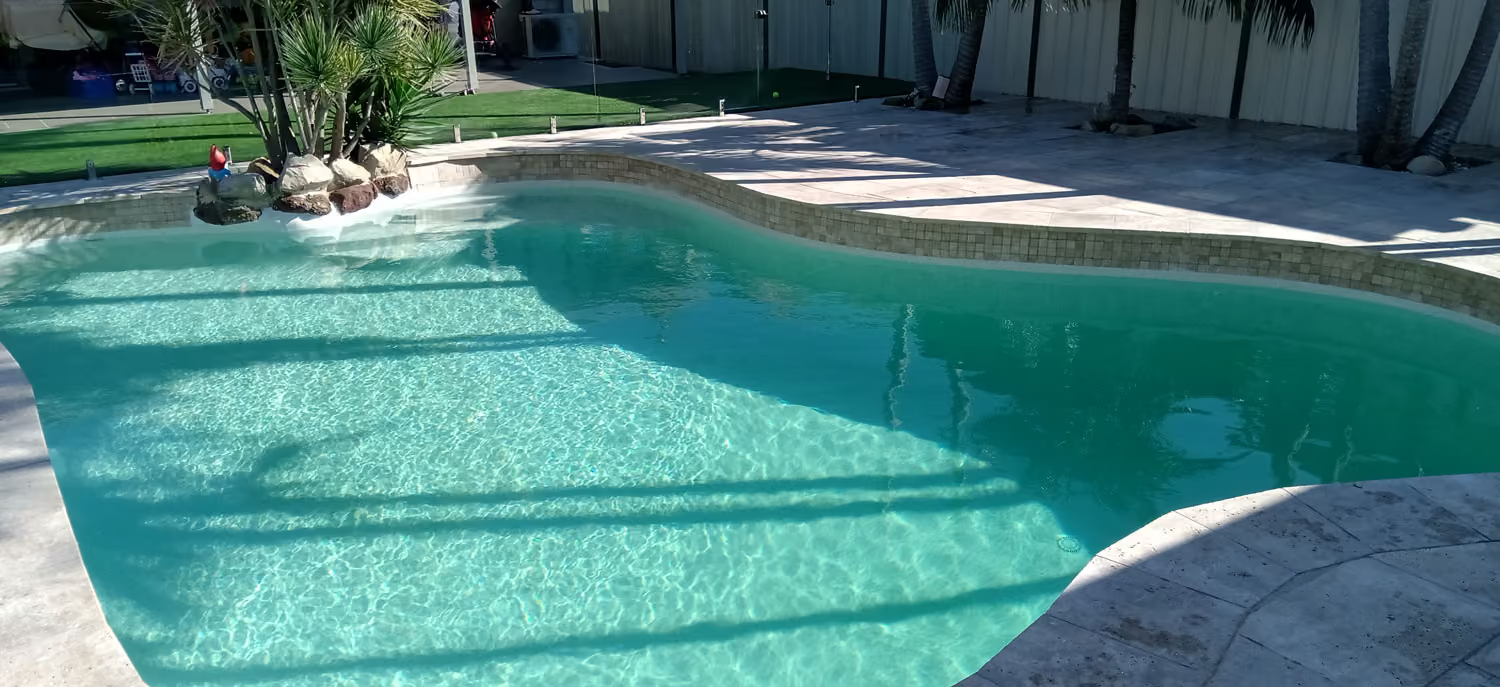
Pebble vs Plaster Surfaces
One-Time vs Ongoing Service
Full Service vs Chemicals Only
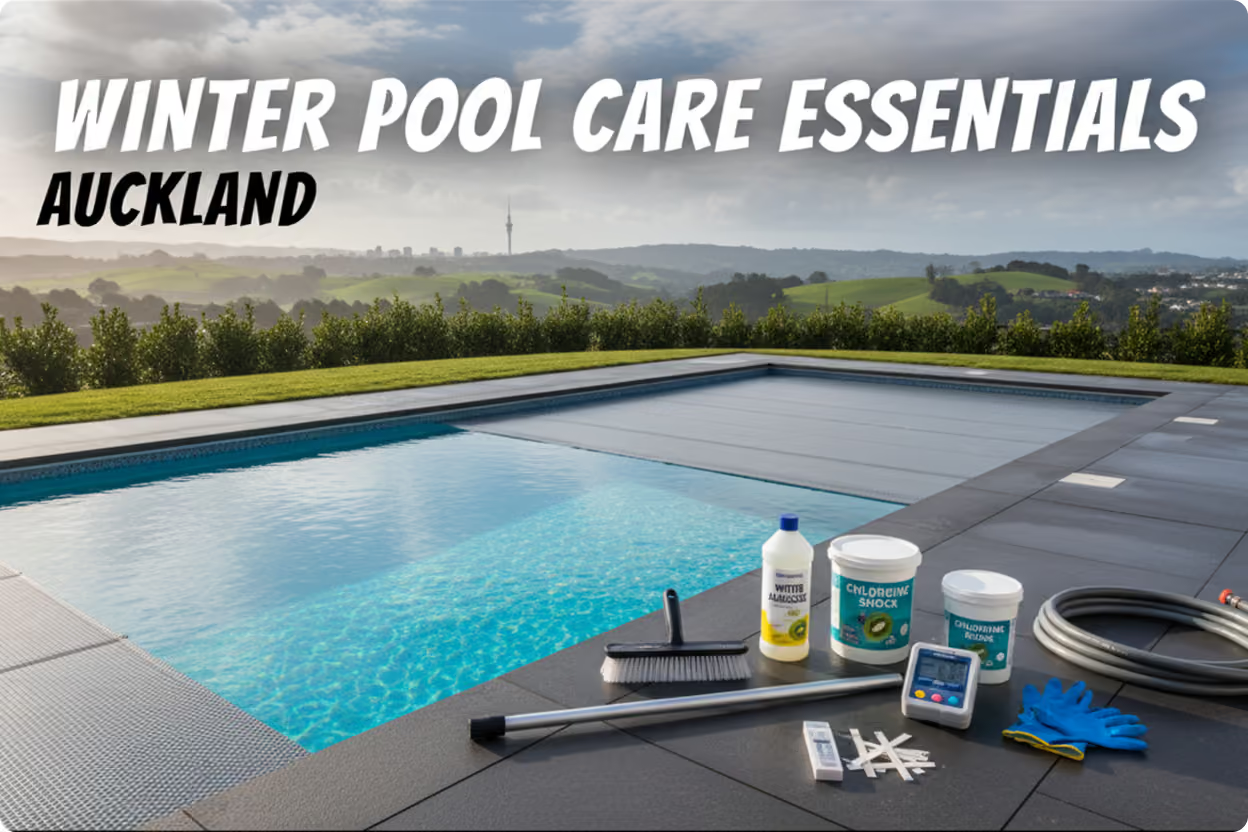
Pool Cover Types
Robotic vs Suction Cleaners
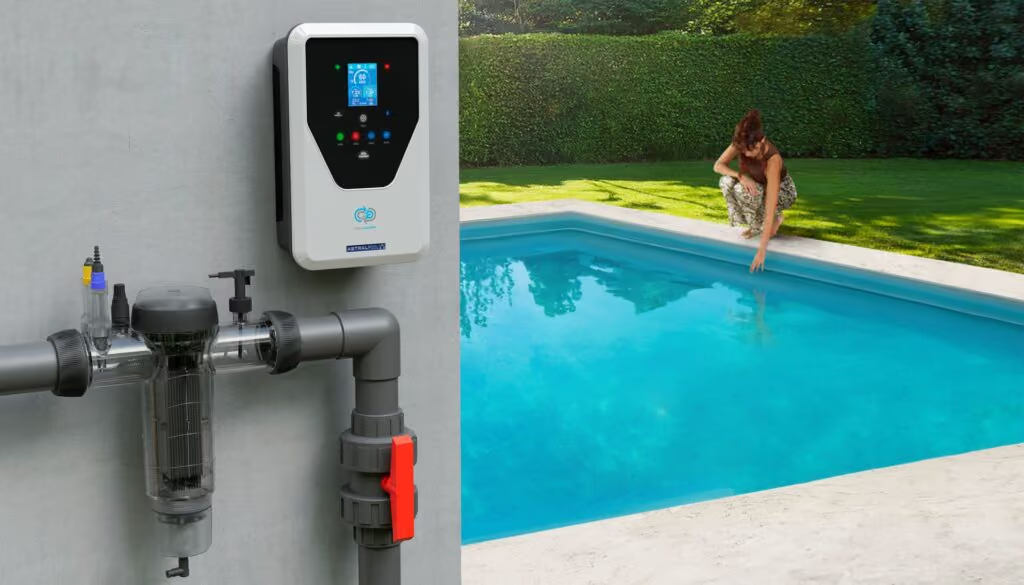
Mineral vs Saltwater
Gas vs Heat Pump
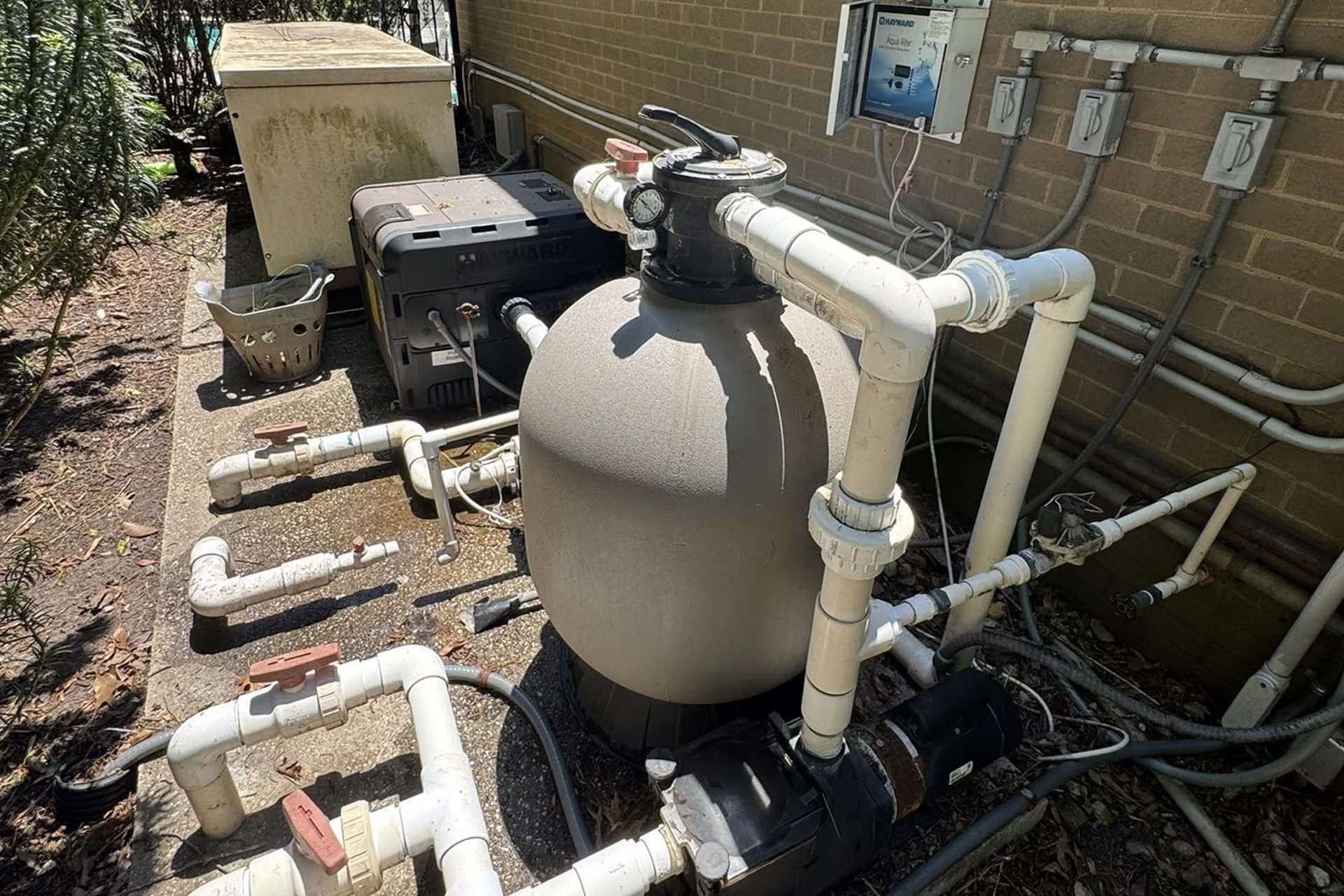
Pool Heater Types
Pool Winterizing Guide Auckland
Pool Opening Guide Summer
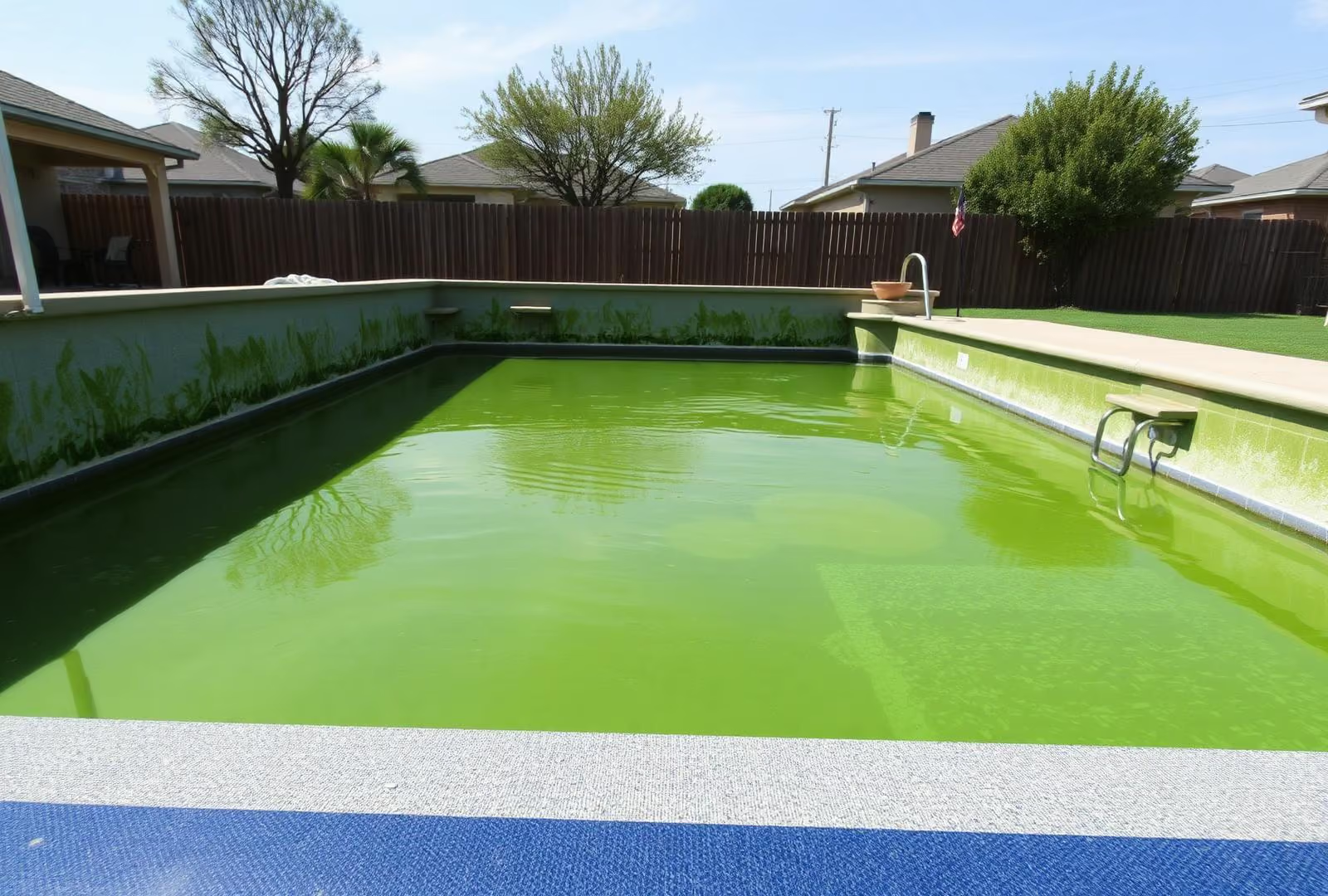
Pool Maintenance After Heavy Rain
Pool Maintenance Schedule
How Often to Run Pool Filter
Pool Pump Maintenance Schedule
Pool Filter Cartridge Cleaning
Pool Equipment Maintenance Checklist
Pool Waterline Cleaning
Pool Skimmer Basket Cleaning
Pool Chlorine Levels
How Often Clean Pool Filter
How to Vacuum Pool
Pool Brushing Technique
Pool Chemical Dosing Chart
Pool Water Chemistry Basics
How to Balance Pool Chemistry
How to Test Pool Water
Pool Maintenance Tips
Complete Pool Maintenance Guide
Pool Service ROI
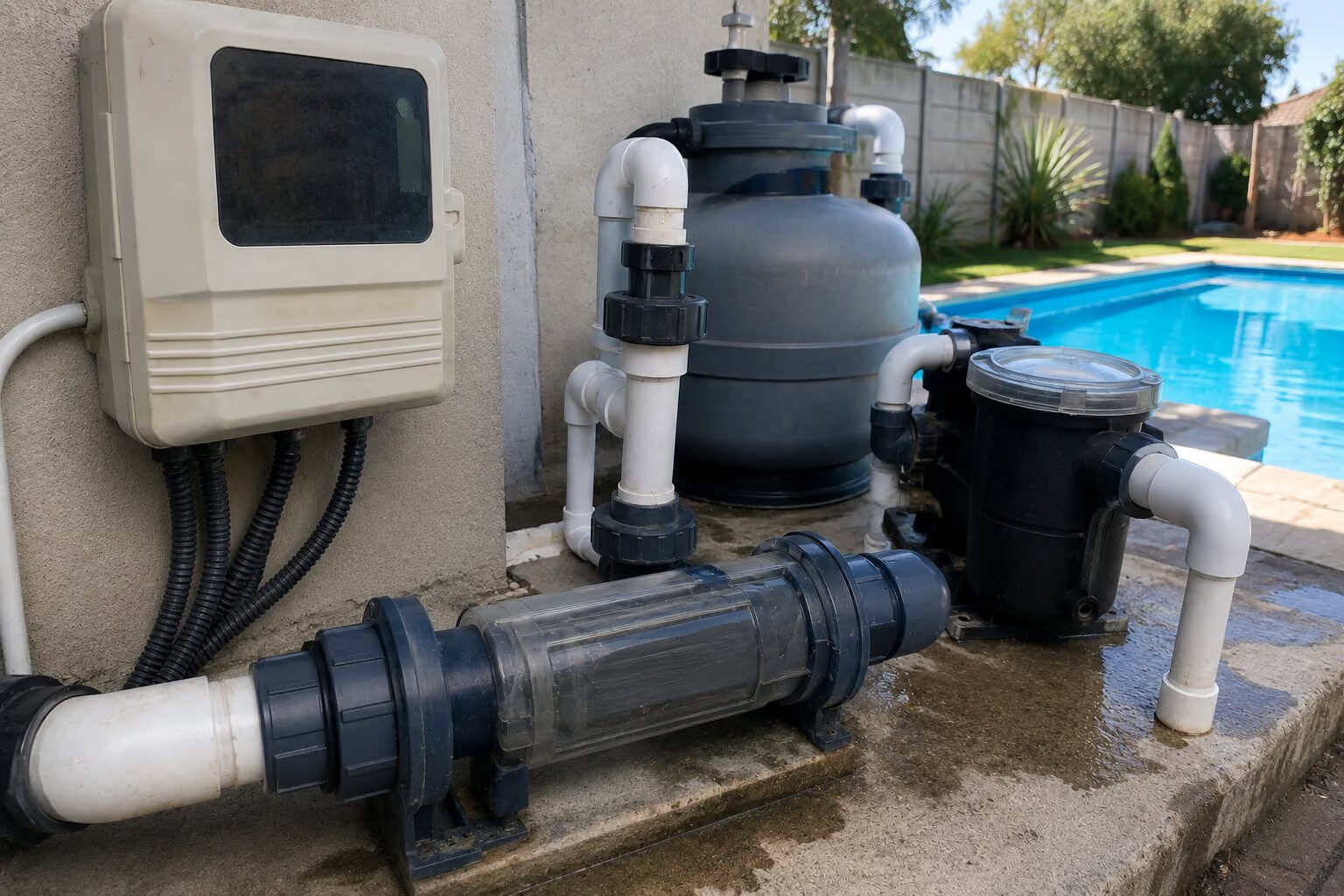
Pool Equipment Buy or Service
Pool Maintenance Time Requirements
DIY vs Professional
Pool Service Contract
Pool Service vs Pool Valet
Is Pool Service Worth It
Pool Service Guarantees
Pool Service Reviews
Pool Service Red Flags
Questions to Ask Pool Companies
How to Choose Pool Service Company
Hidden Costs DIY Maintenance
Pool Cleaning Prices Auckland
Cost of Pool Resurfacing
Cost of Pool Pump Replacement
Cost to Fix Green Pool
Pool Liner Wrinkles
Pool Cracks When to Worry
Pool Surface Stains
Pool Valve Leaking
Pool Automation Not Working
Pool Light Not Working
Pool Heater Not Heating
Pool Skimmer Not Working
High Pool Filter Pressure
Pool Losing Water
Pool Filter Not Clearing Water
Pool Pump Leaking
Pool Pump Not Pumping
Pool Pump Losing Prime
Pool Pump Noisy
Pool Pump Not Working
Pool Water Foaming
Pool pH Too Low
Pool pH Too High
Green Pool After Rain
Pool Still Green After Shock
Pool Water Cloudy
How to Clear a Green Pool
Pool Care That Protects Your Investment
Good pool care protects more than appearance. Our pool specialists support the long-term condition of your swimming pool while keeping it ready for everyday use.