Auckland Pool Regulations

Why Auckland trusts our pool service expertise
Pool owners in Auckland are required by law to meet specific fencing and safety standards. These rules exist to protect young children and apply to all residential pools, including spa pools and above-ground pools.
The key obligations cover pool barrier design, gate and latch requirements, three-yearly council inspections, and building consent for new installations. Staying on top of these requirements helps you avoid fines and keeps your pool area safe.
What you'll learn
Why Pool Regulations Matter in Auckland
Owning a pool in Auckland comes with legal responsibilities. New Zealand has national rules around pool fencing and safety that apply to all residential pools, and local councils, including Auckland Council, enforce them.
Not meeting these requirements can result in fines, enforcement notices, or liability if someone is injured. Understanding what is required helps you stay compliant and, more importantly, keeps people safe.
---
The Fencing of Swimming Pools Act 1987
The primary legislation governing residential pool safety in New Zealand is the Fencing of Swimming Pools Act 1987. This Act requires that all residential pools capable of holding water to a depth of 400mm or more must be fenced to restrict access by young children.
The Act applies to:
- In-ground pools
- Above-ground pools
- Spa pools
- Any pool on a residential property
The fence must meet specific requirements set out in the Act and the associated New Zealand Standard (NZS 8500:2006).
---
Key Fencing Requirements
The fencing requirements under the Act and NZS 8500:2006 cover several areas. Here is a summary of the main points:
Fence Height
- The fence must be at least 1.2 metres high on the outside face
- There must be no footholds or handholds that would allow a child to climb the fence
Gates and Latches
- All gates must be self-closing and self-latching
- The latch must be on the pool side of the gate, positioned so a child cannot reach it
- Gates must open away from the pool
Gaps and Openings
- Vertical gaps in the fence must be no more than 100mm wide
- Horizontal rails or openings that could act as footholds must be avoided
The Barrier Must Be Continuous
- The fence must completely enclose the pool area
- Walls of a house can form part of the barrier in some circumstances, but any doors opening into the pool area must be self-closing and fitted with an alarm or compliant latch
---
Building Act 2004 and Auckland Council Requirements
Under the Building Act 2004, pool owners are required to have their pool fencing inspected by their local council every three years. Auckland Council administers this requirement for all properties within the Auckland region.
What the Inspection Covers
Auckland Council inspectors check that:
- The pool barrier meets the requirements of the Fencing of Swimming Pools Act
- Gates and latches are functioning correctly
- No changes have been made to the barrier that reduce its effectiveness
- The pool area is free of objects that could be used to climb the fence
What Happens If You Fail an Inspection
If your pool barrier does not comply, Auckland Council will issue a notice requiring you to fix the issues within a set timeframe. Continued non-compliance can result in fines.
---
Building Consent for New Pools
If you are installing a new pool or making significant changes to an existing one, you will likely need a building consent from Auckland Council before work begins.
Building consent is generally required for:
- Installing a new in-ground pool
- Installing a new above-ground pool with a capacity above a certain threshold
- Making structural changes to an existing pool
- Installing or altering pool fencing
Your pool installer or builder should be able to advise on consent requirements for your specific project. It is worth checking with Auckland Council directly if you are unsure.
---
Spa Pools and Portable Pools
Spa pools and portable pools are also covered by the Fencing of Swimming Pools Act if they can hold water to a depth of 400mm or more.
For spa pools, a lockable, child-resistant cover that meets the requirements of NZS 8500:2006 may be accepted as an alternative to a fence in some cases. This is worth confirming with Auckland Council, as the rules around covers can be specific.
Portable pools that are emptied after each use and stored away are generally exempt, but if a portable pool is left filled and unattended, the fencing requirements apply.
---
Common Compliance Issues
Auckland Council inspections regularly identify the same issues. Being aware of these can help you avoid a failed inspection:
- Gates that do not self-close or self-latch properly, hinges and latches wear over time and need regular checking
- Objects left near the fence, garden furniture, toys, or equipment stored near the fence can provide a climbing aid
- Vegetation growing on or near the fence, plants can create footholds or obscure gaps
- Gaps that have widened over time, ground movement or fence wear can increase gaps beyond the permitted 100mm
- Doors from the house into the pool area, these must meet specific requirements and are a common point of failure
---
Keeping Your Pool Area Compliant Year-Round
Compliance is not just about passing the three-yearly inspection. Pool barriers need to be maintained and checked regularly.
A few practical habits help:
- Check gate latches and hinges every few months
- Keep the pool area clear of furniture and equipment that could be used to climb the fence
- Trim any vegetation growing near or on the fence
- Check for gaps or damage after storms or significant ground movement
- Make sure any doors from the house into the pool area are always kept closed and latched
---
Where to Get More Information
For the most current and specific requirements, the best sources are:
- Auckland Council, for local consent and inspection requirements
- Ministry of Business, Innovation and Employment (MBIE), for national building and fencing legislation
- Standards New Zealand, for NZS 8500:2006
If you are unsure whether your pool barrier is compliant, having it checked before your scheduled inspection is a sensible step. A pool professional or building inspector can identify issues before they become enforcement matters.
Pool resurfacing solutions
Restore your pool with durable plaster finishes


Work completed
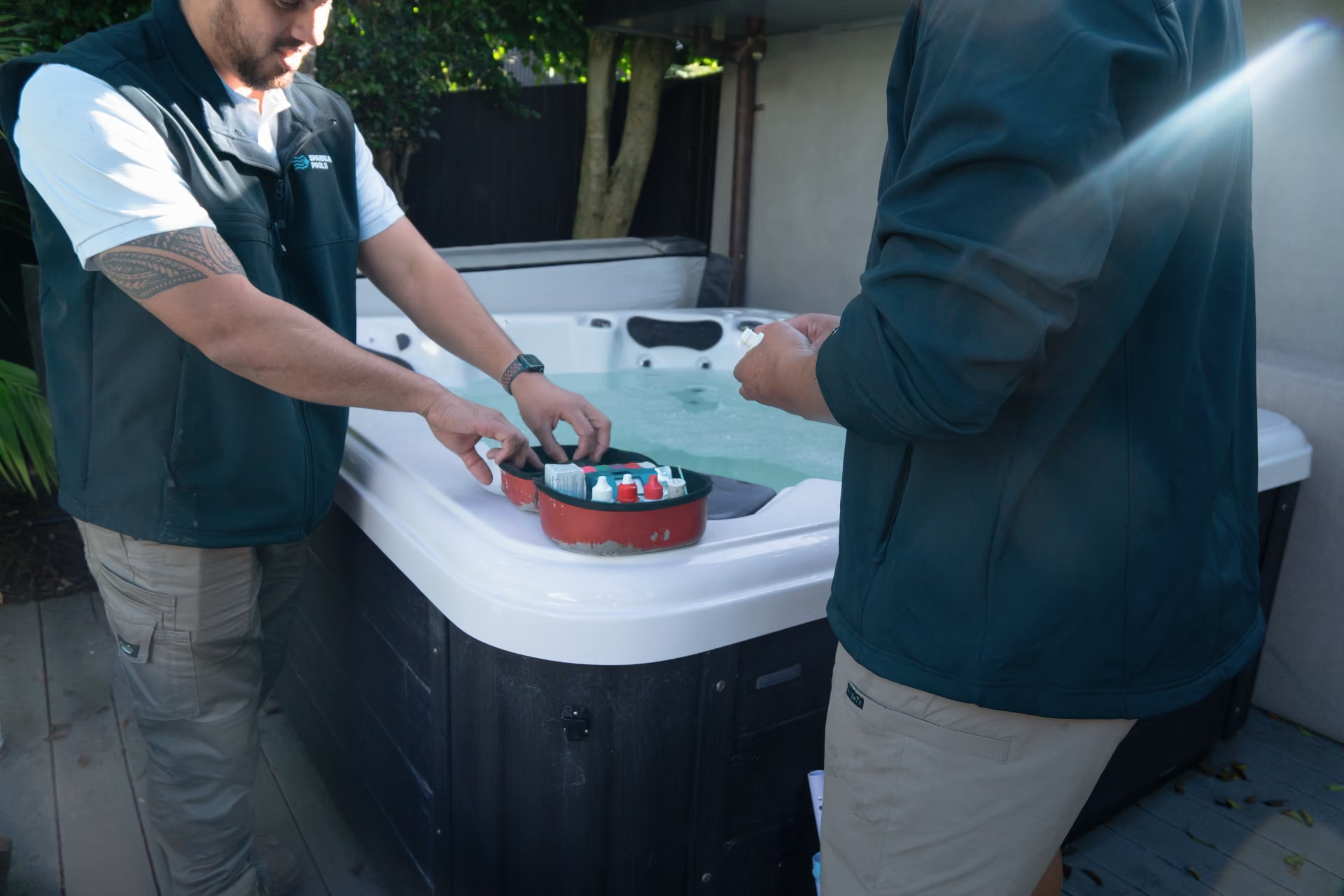
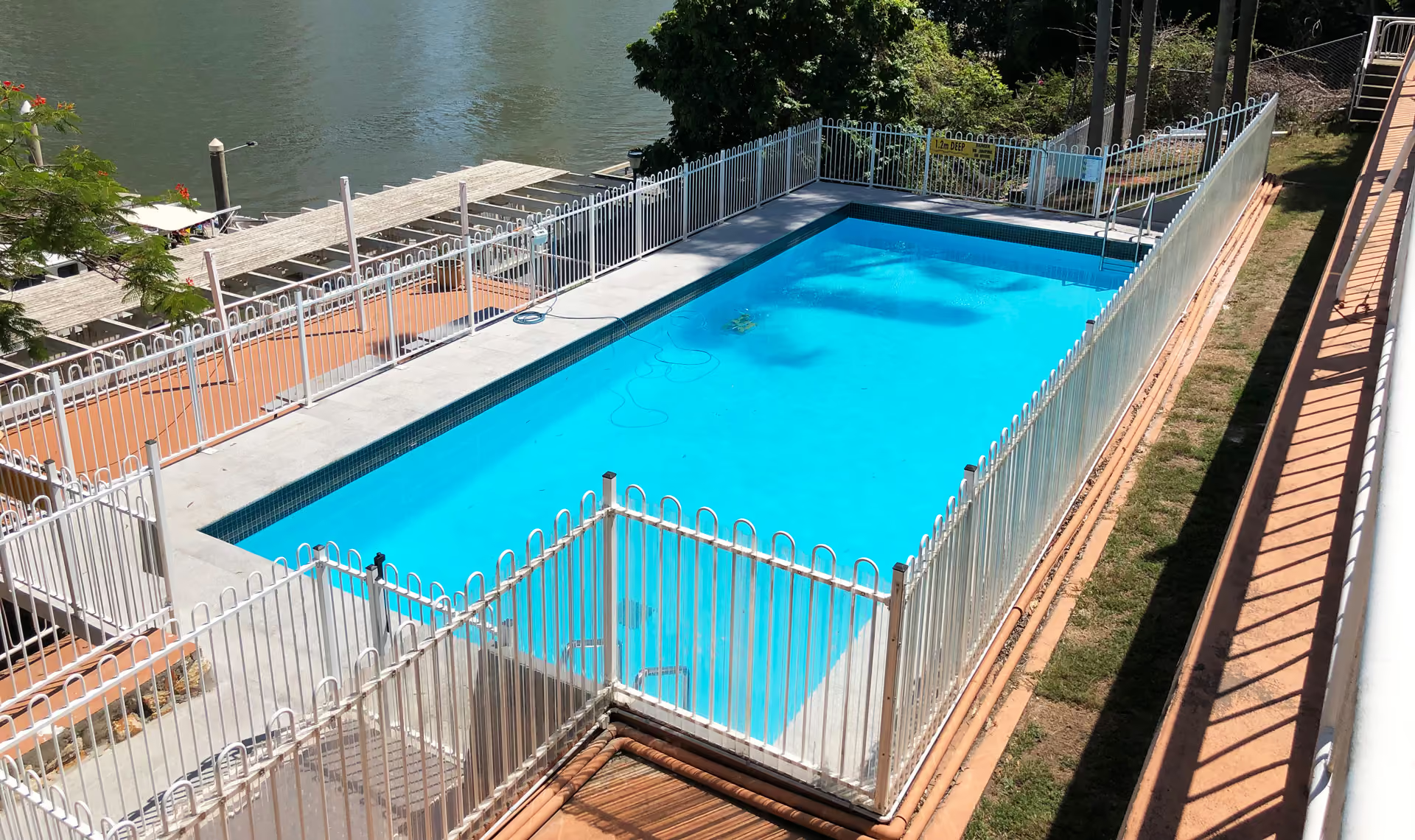
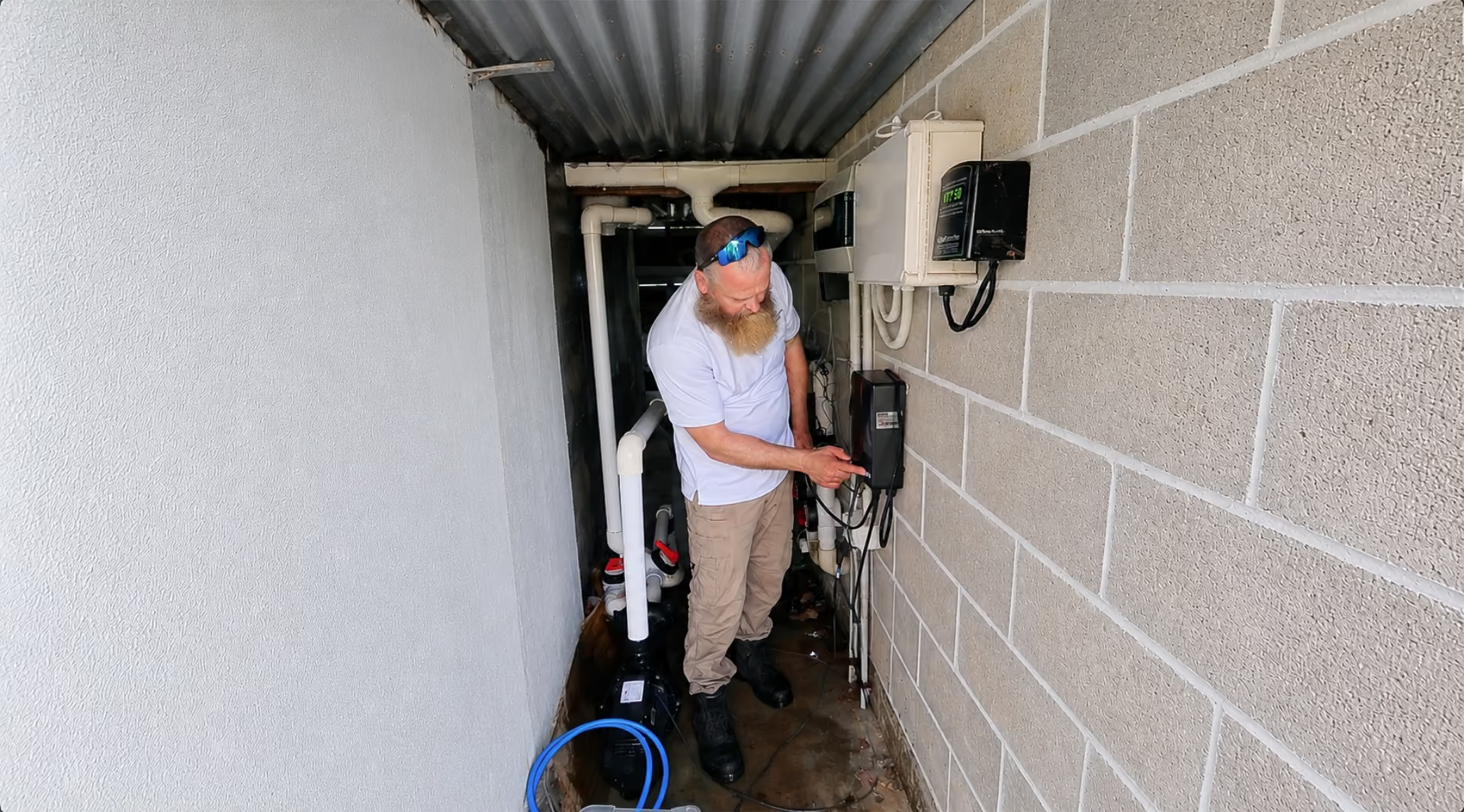
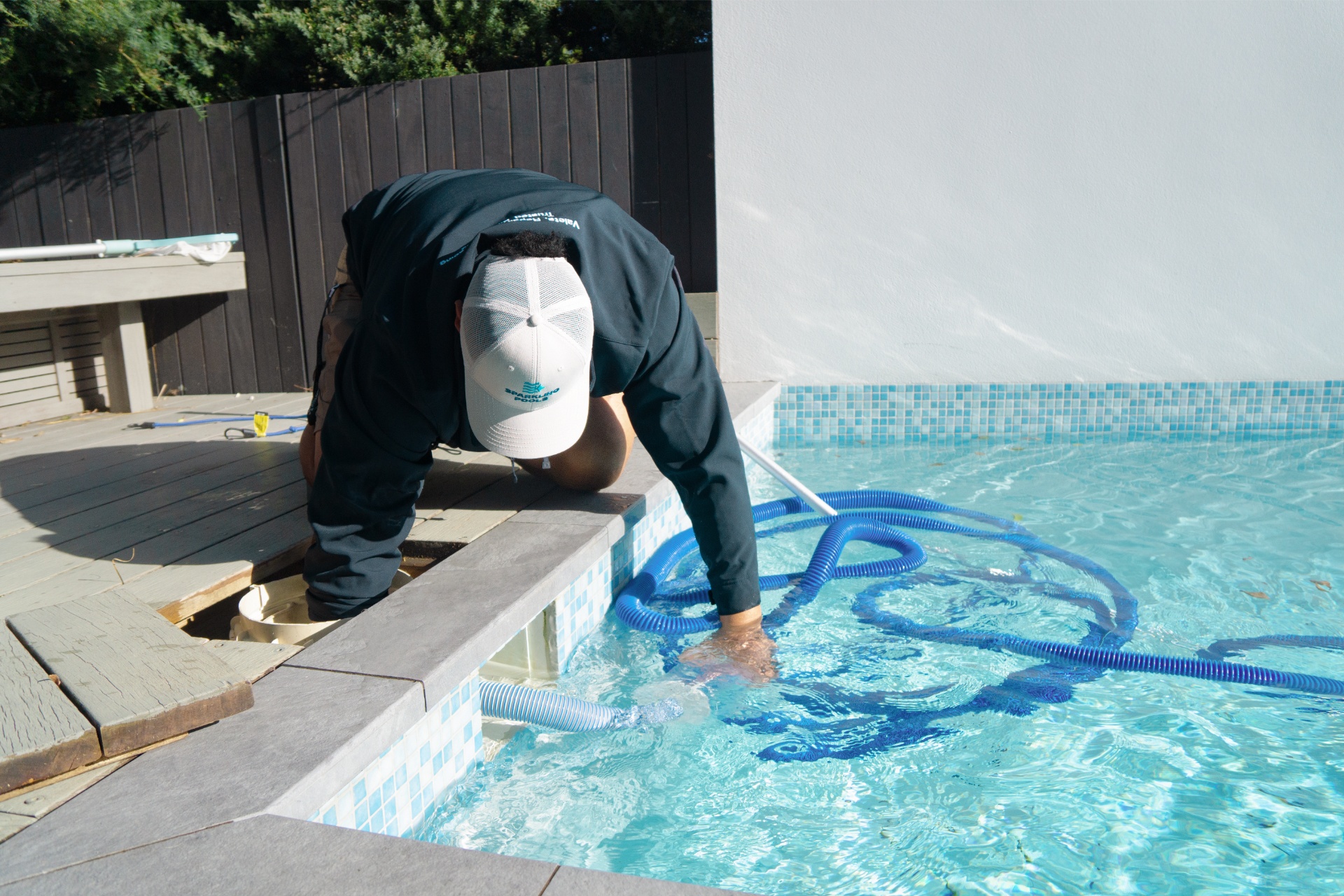
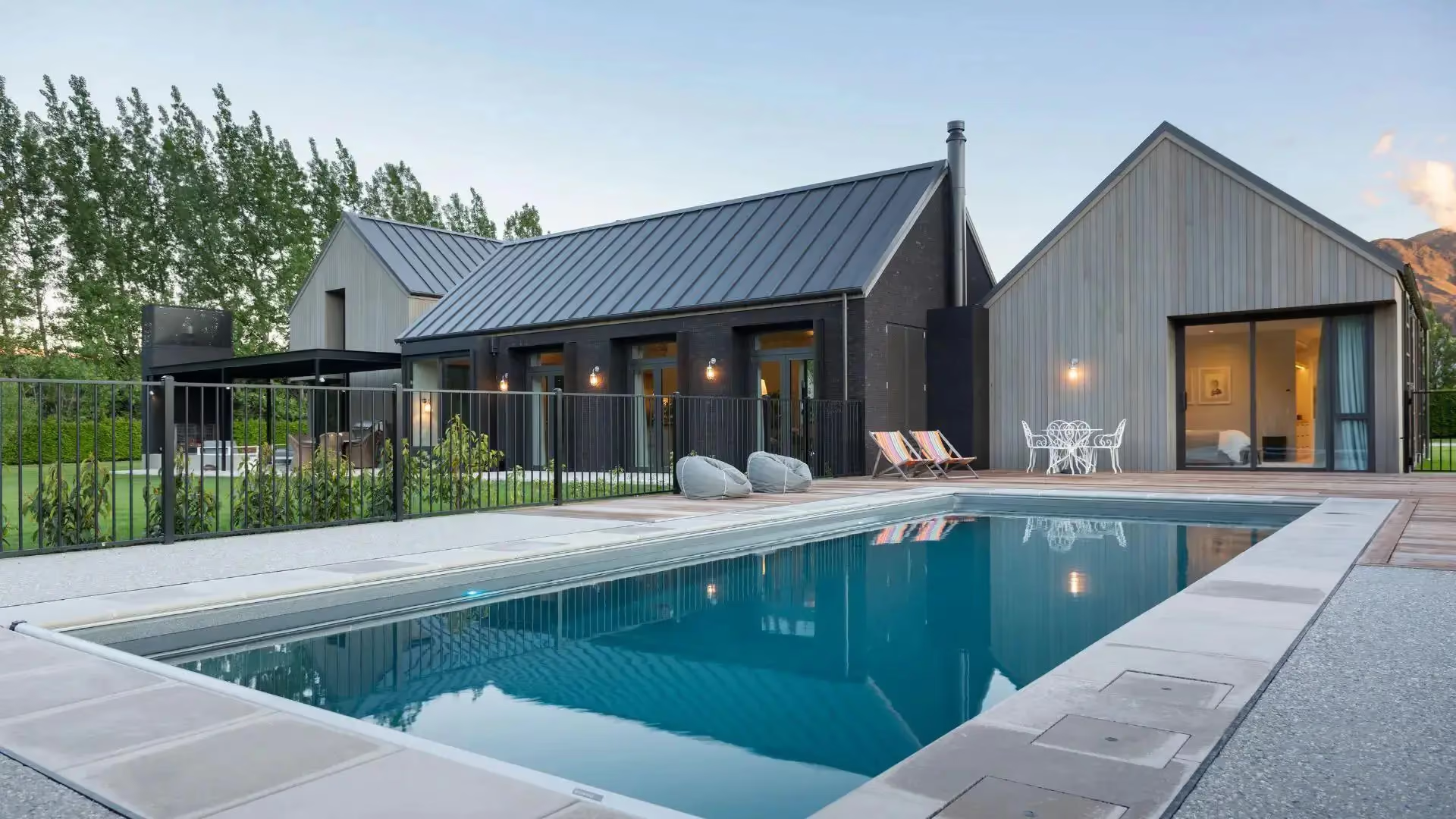
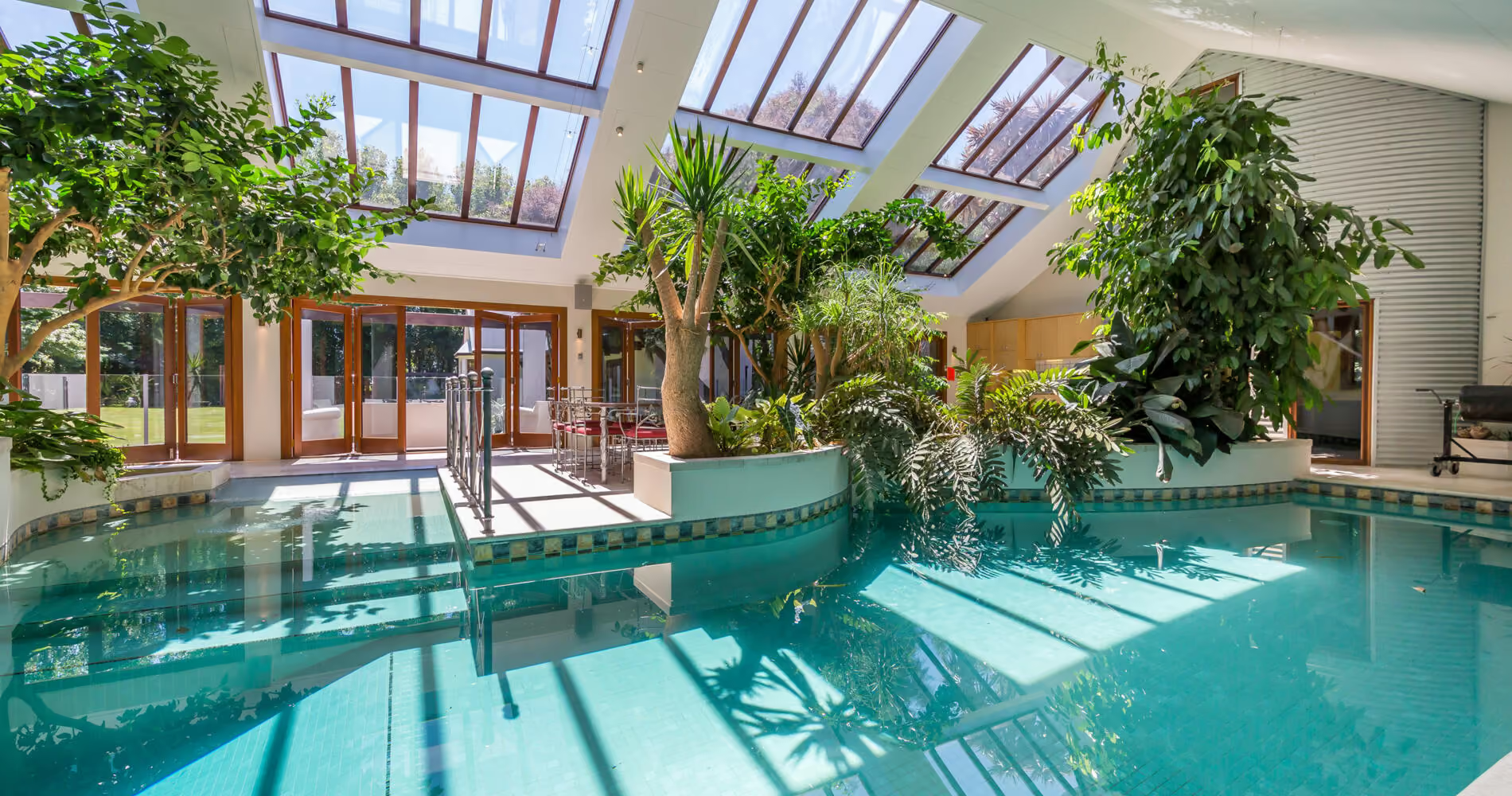
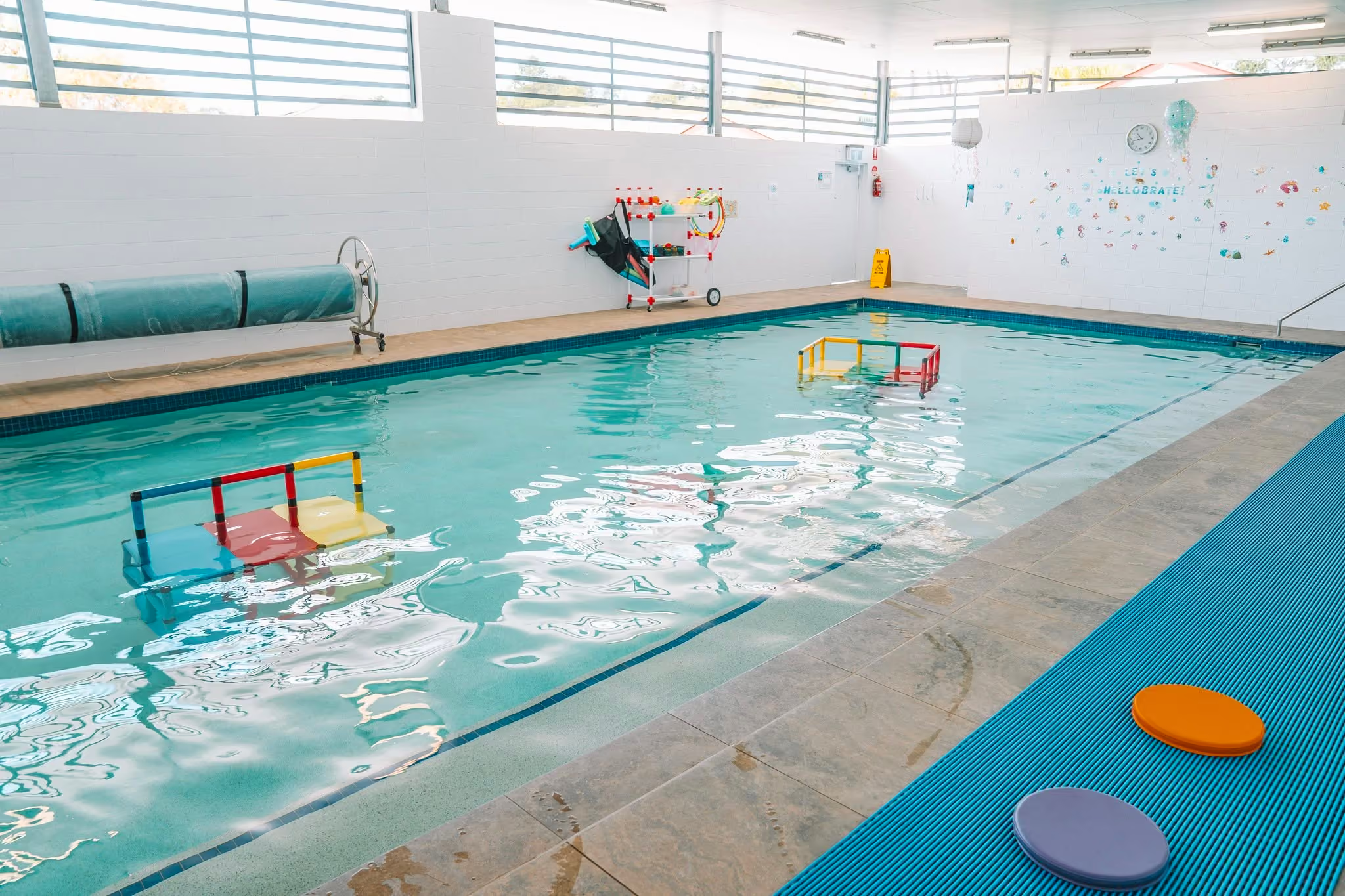
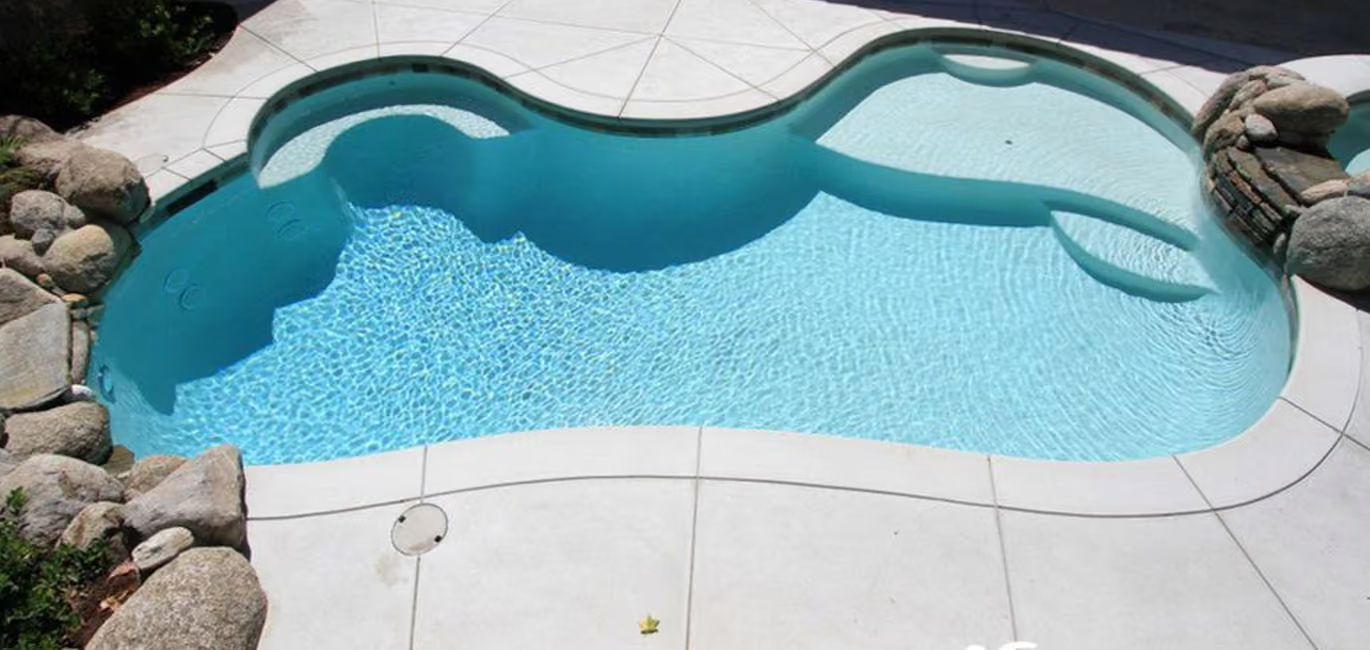
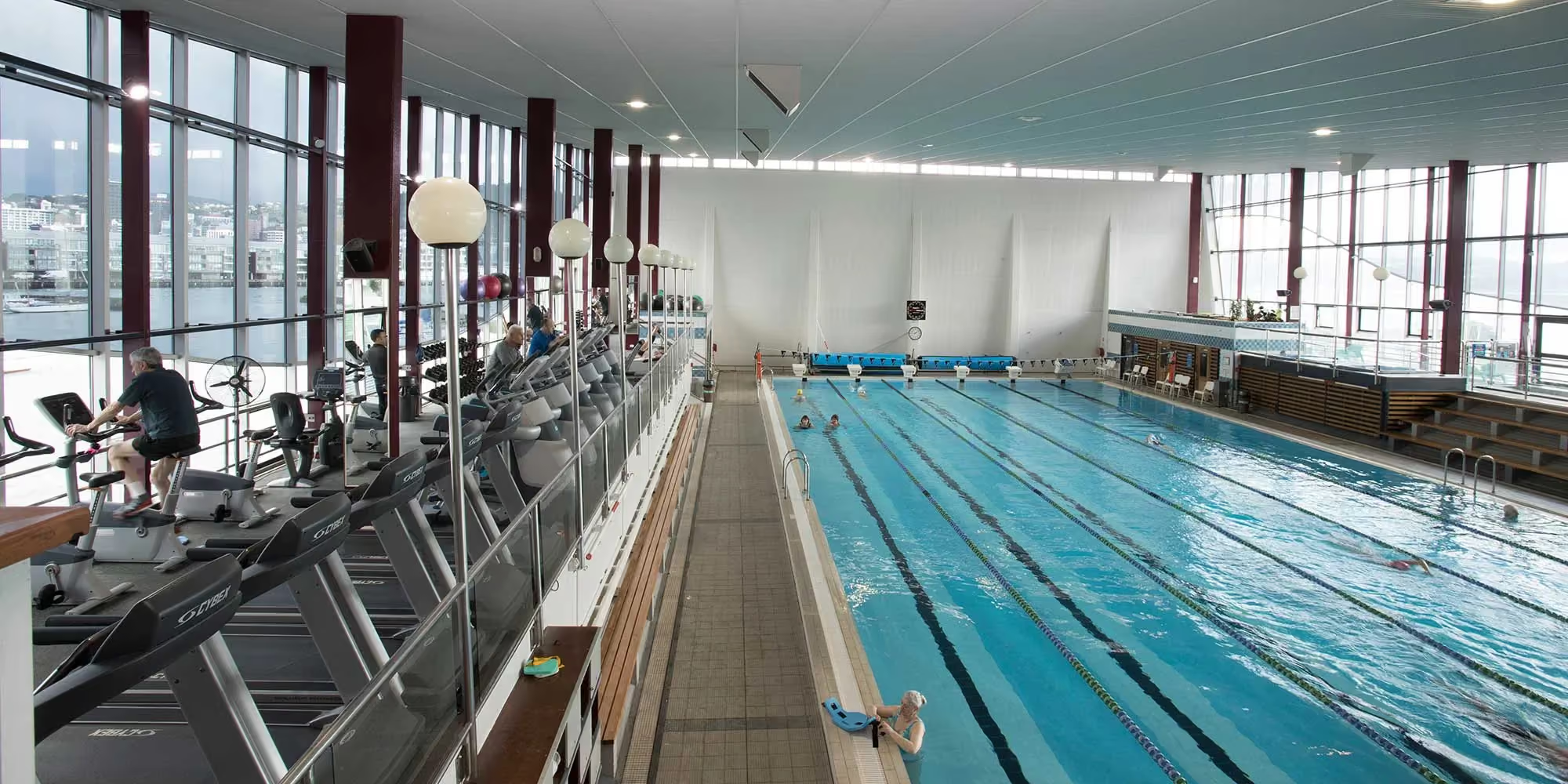
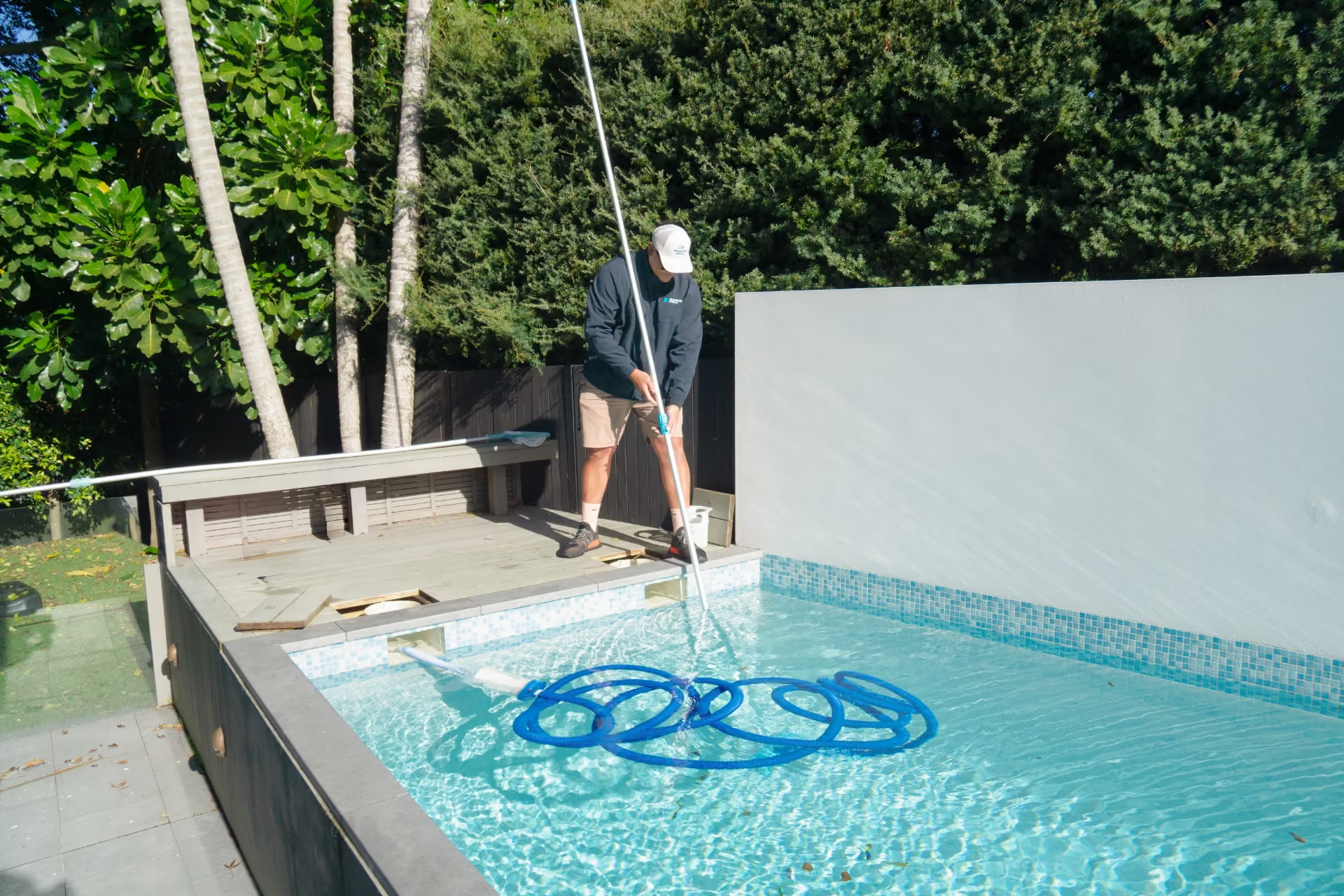
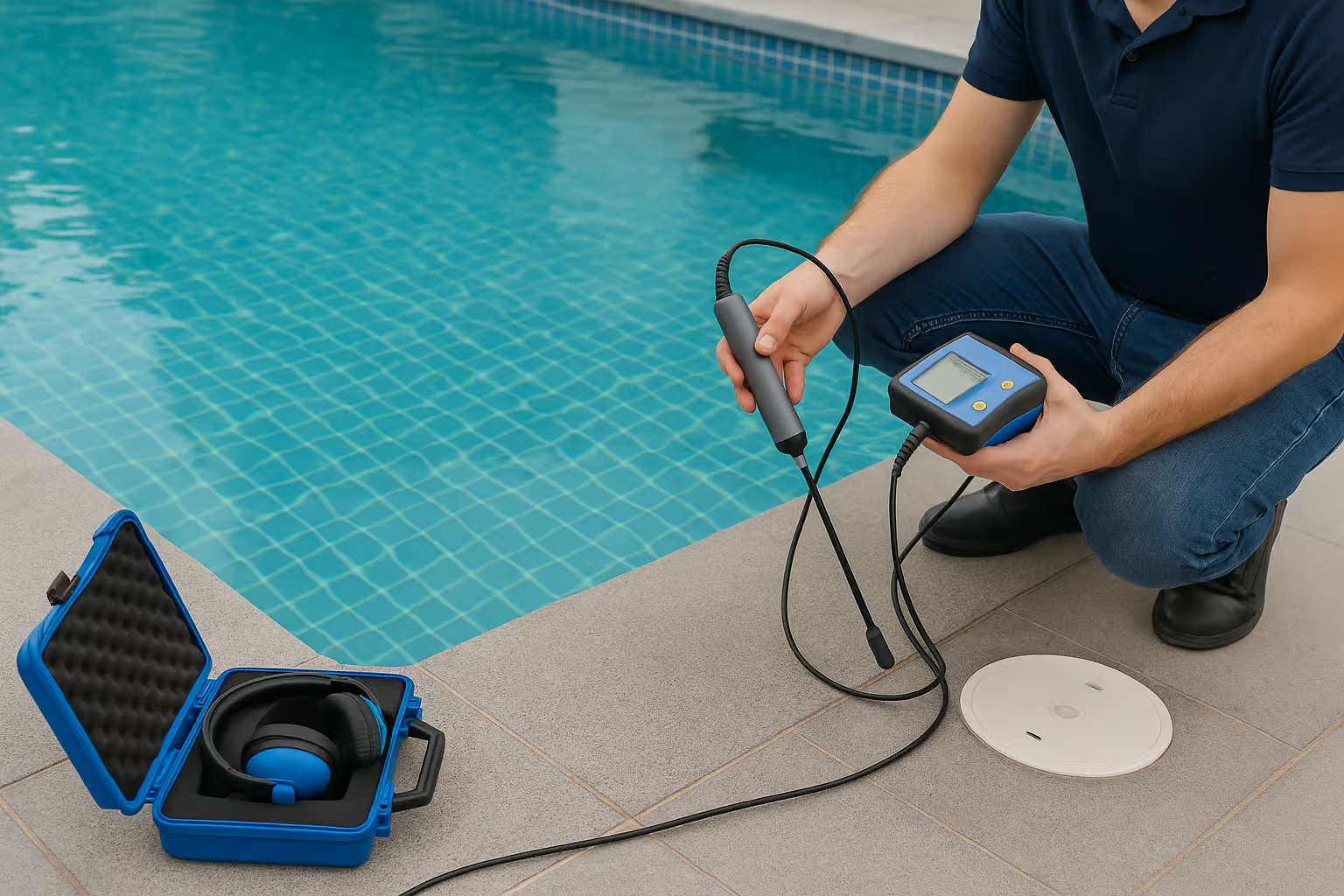
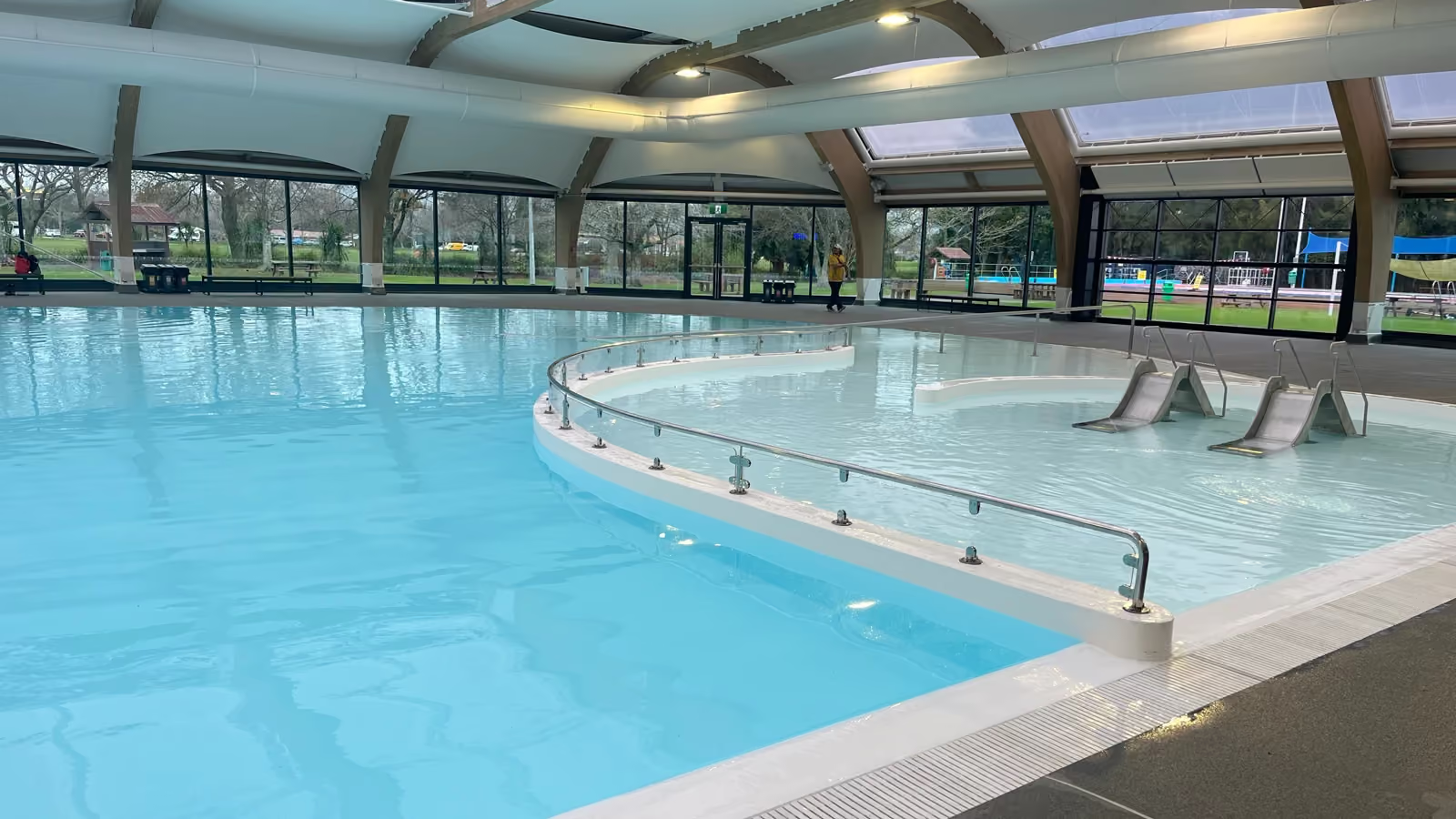
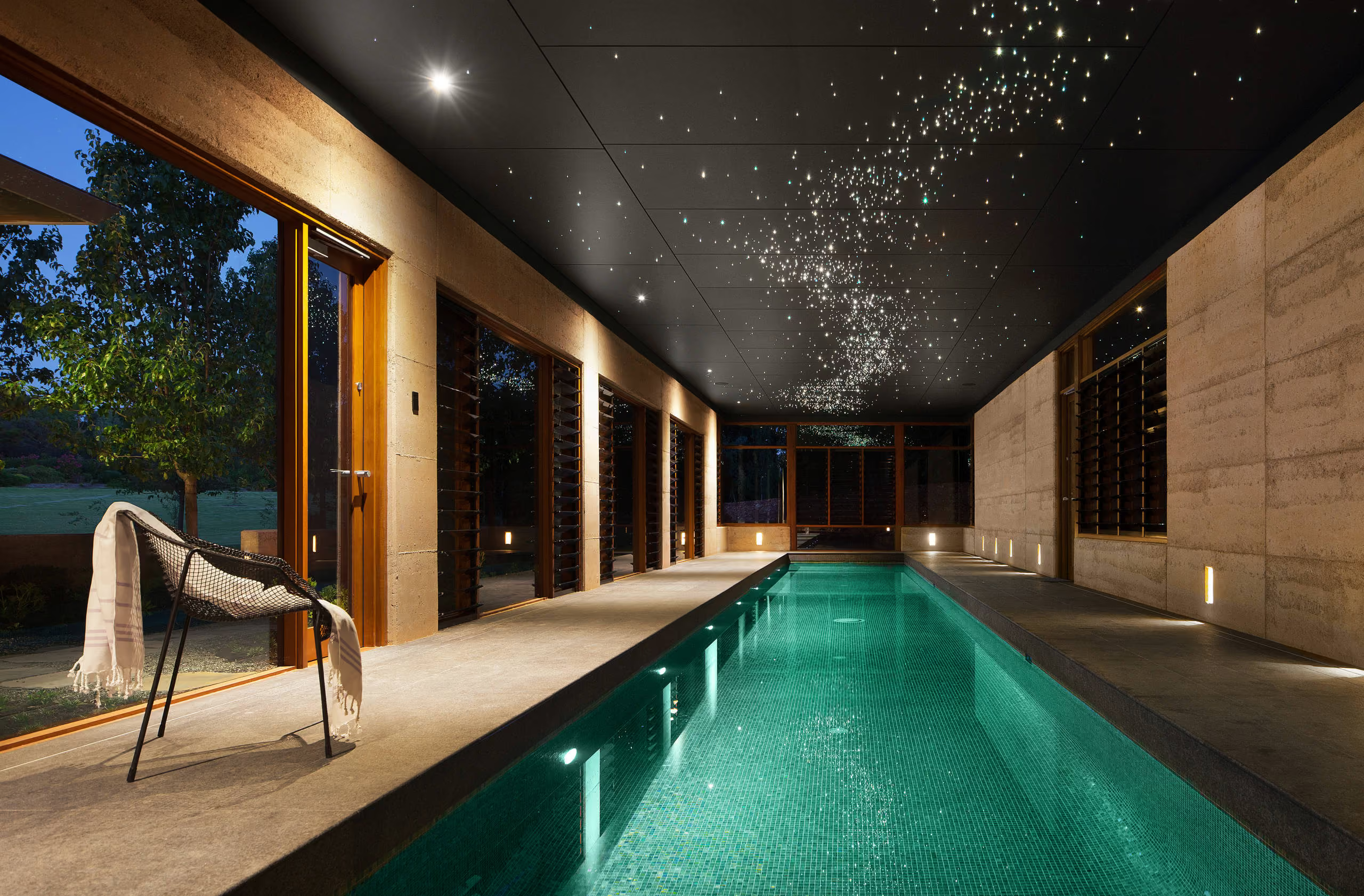
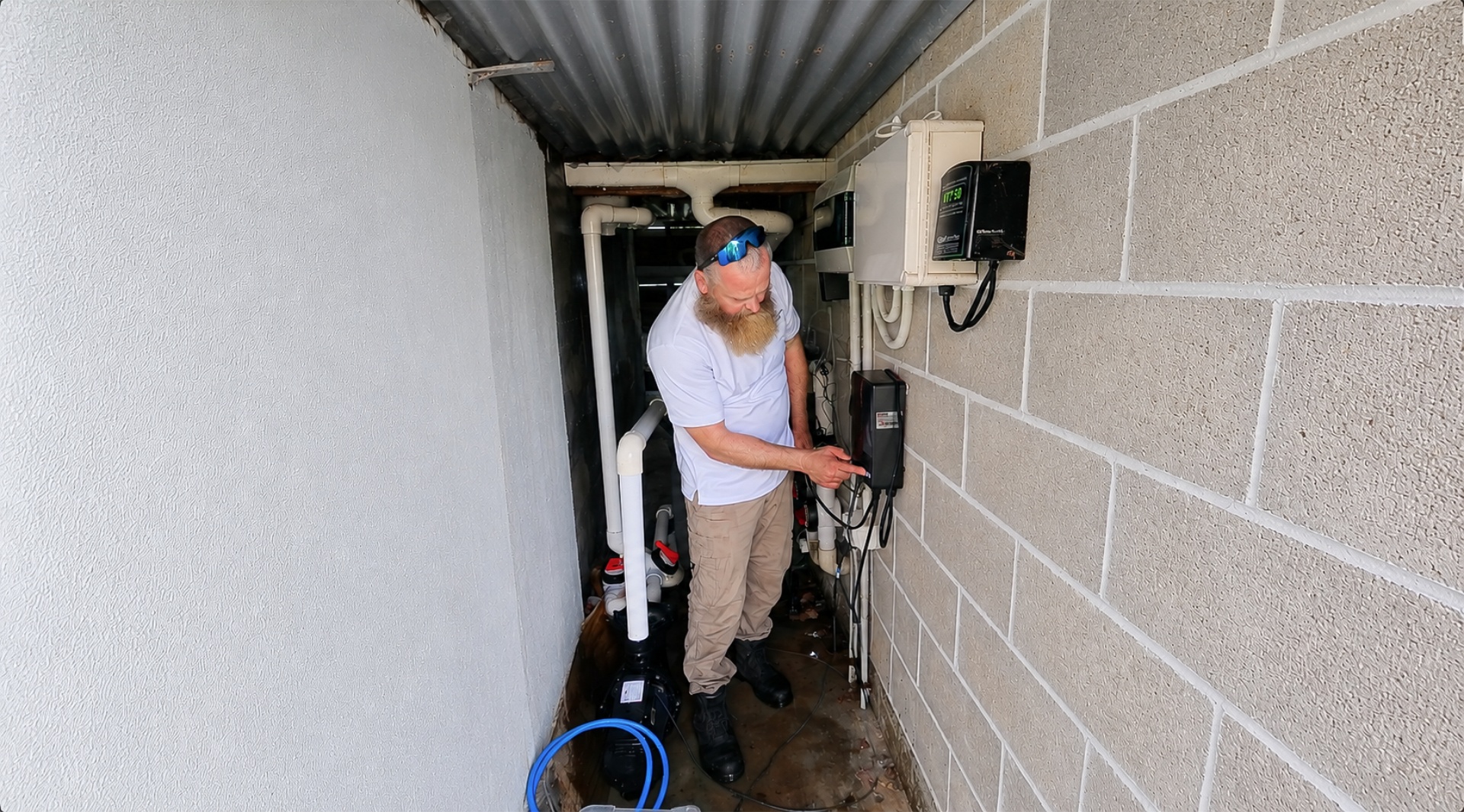
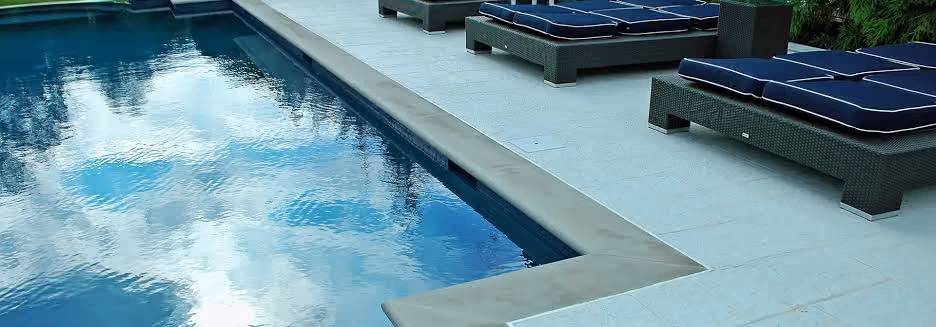
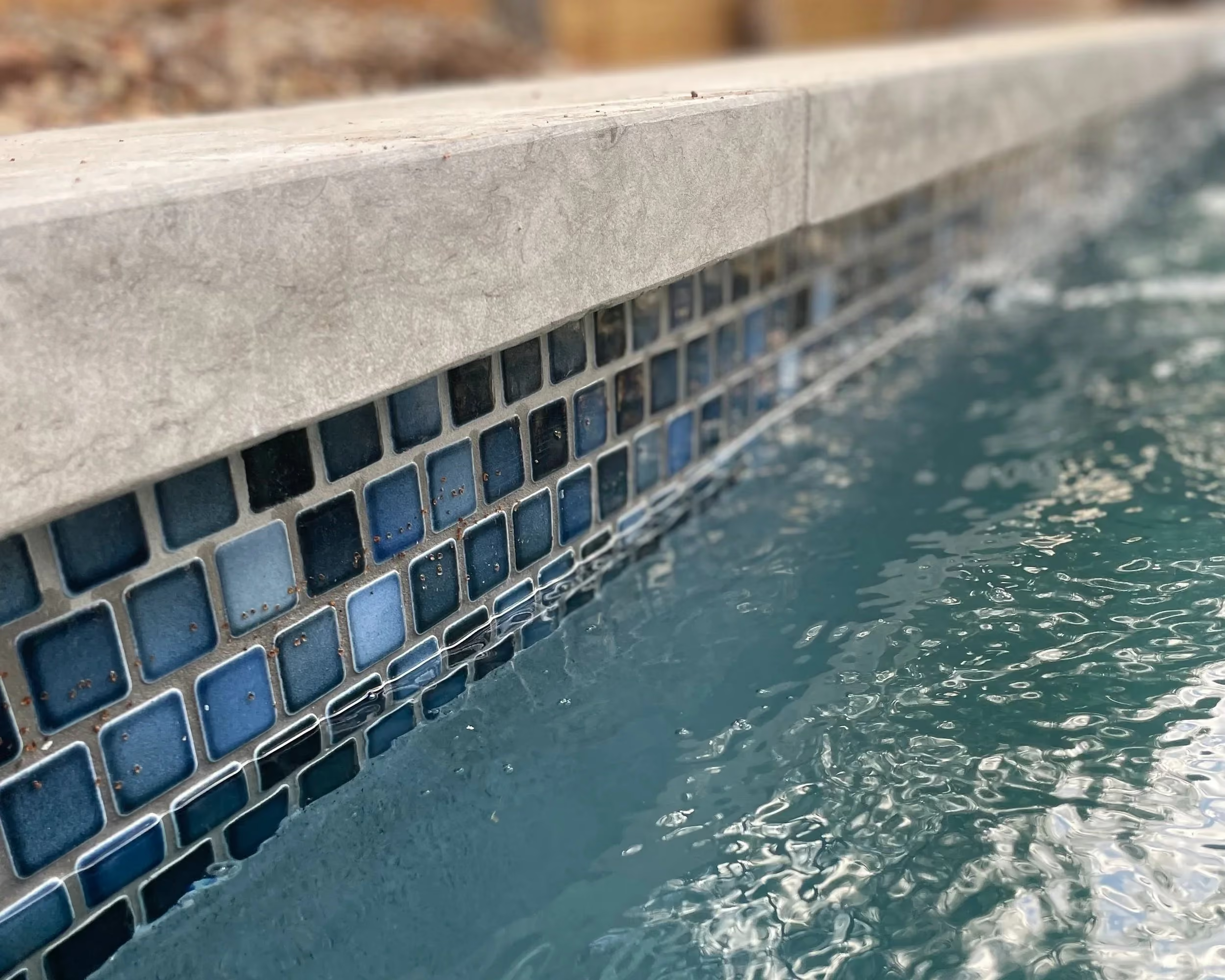
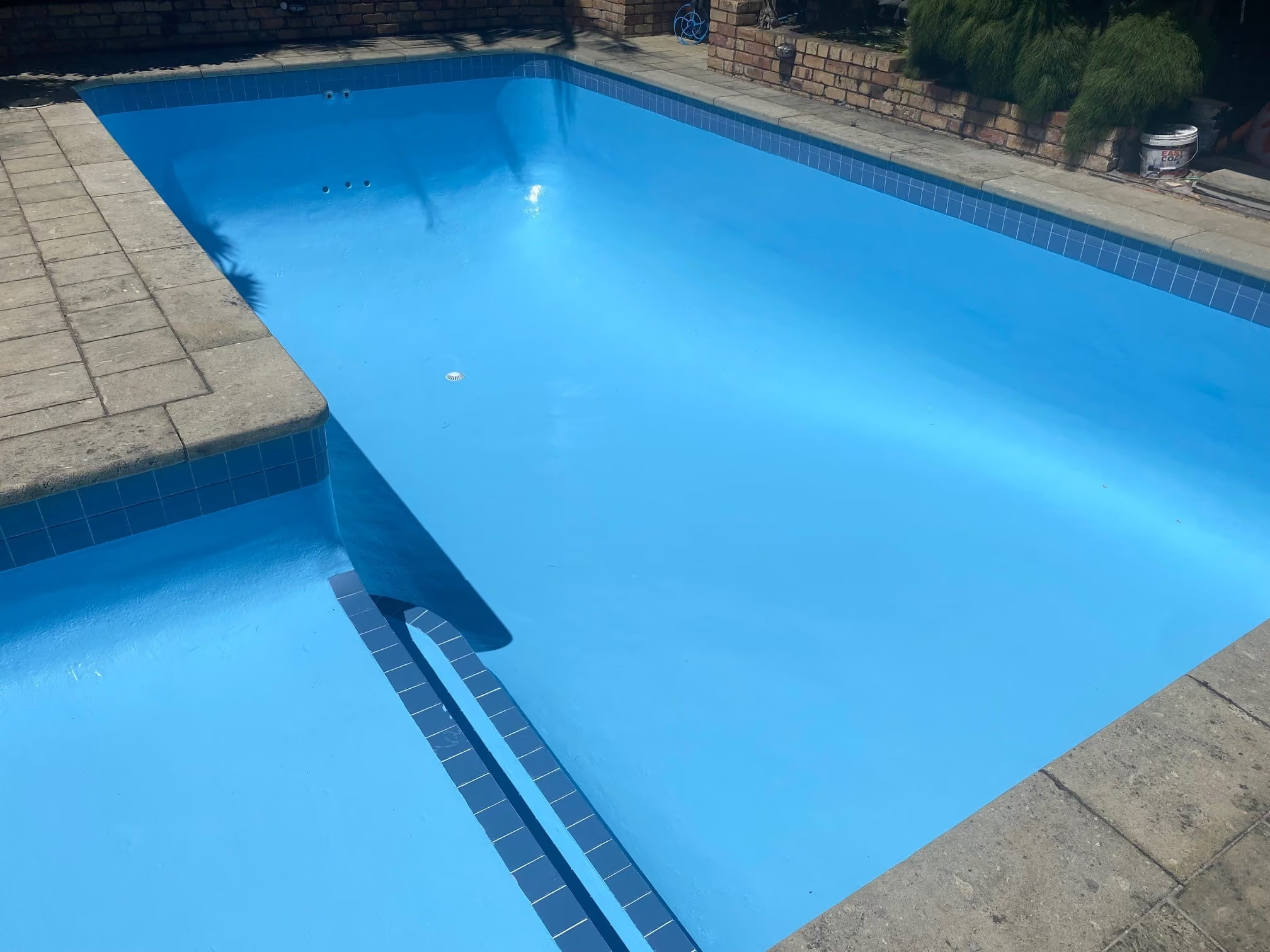
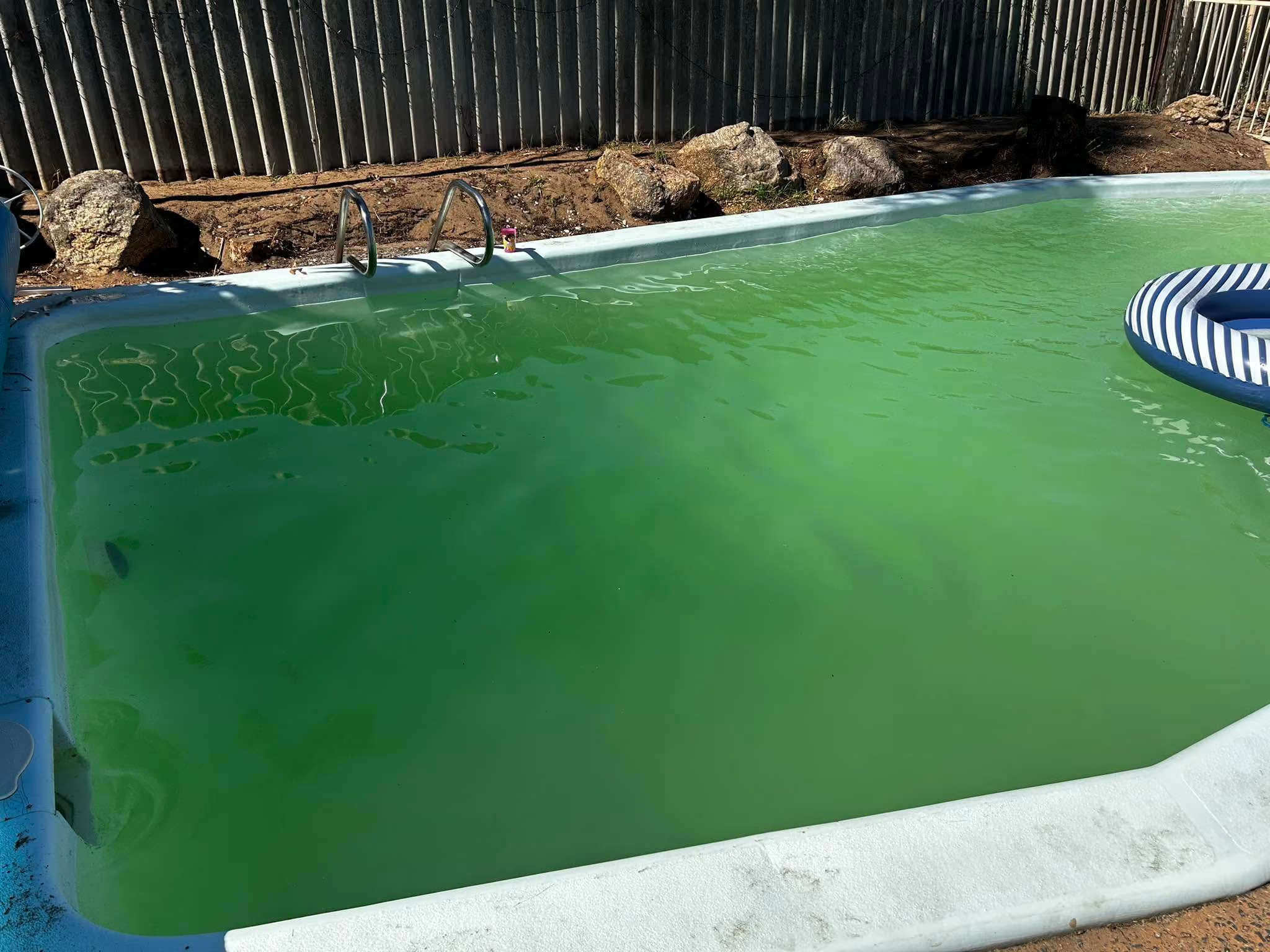
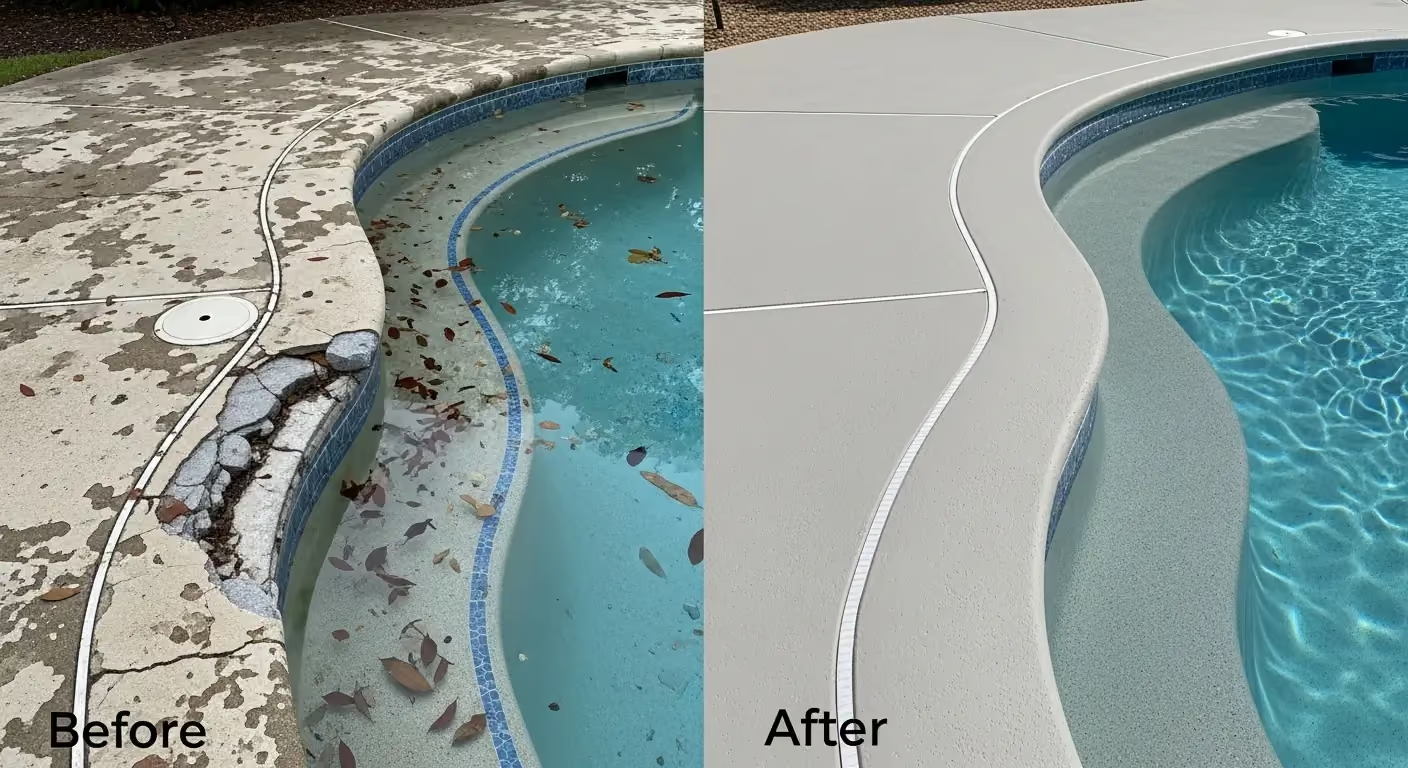
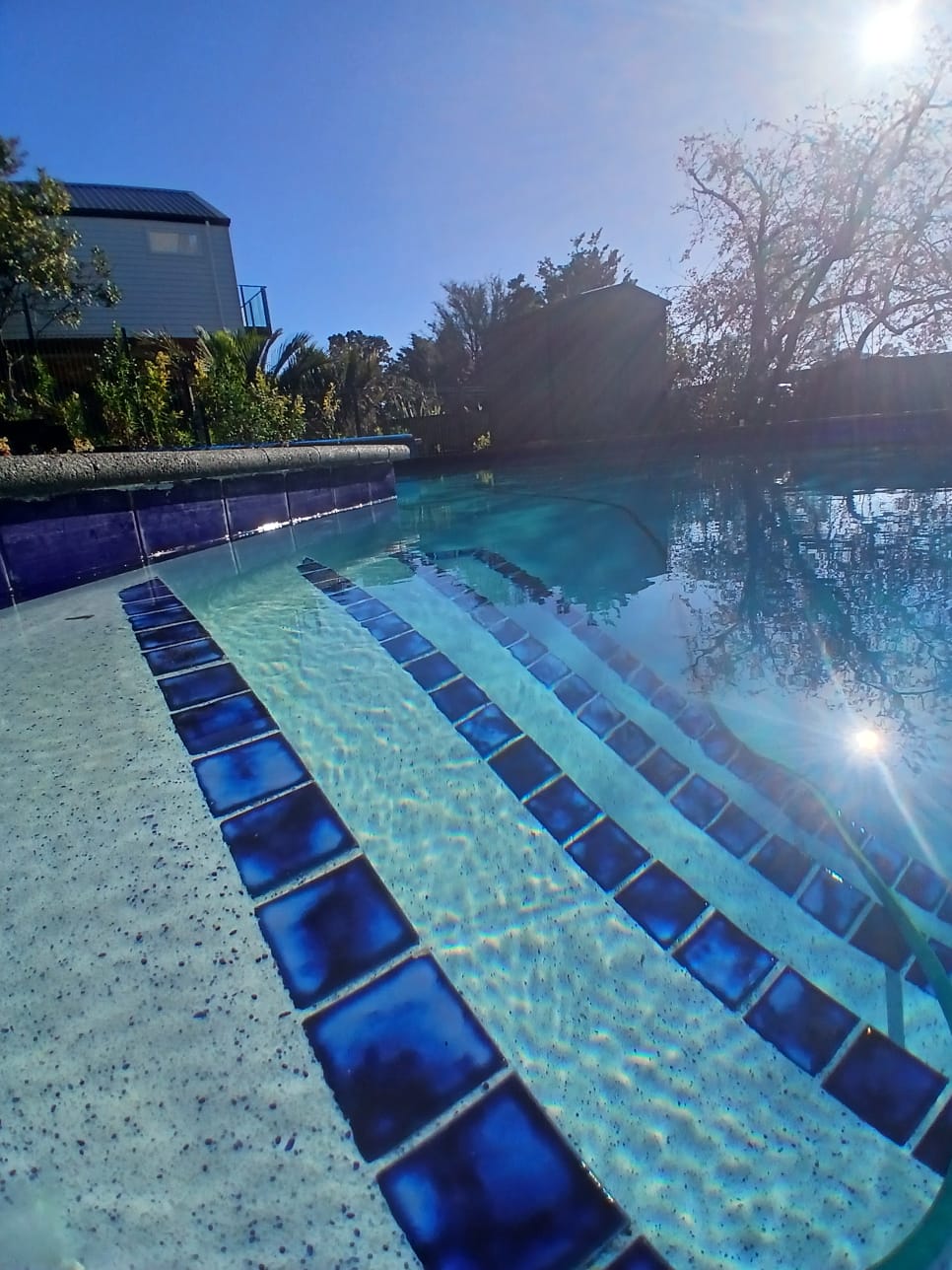
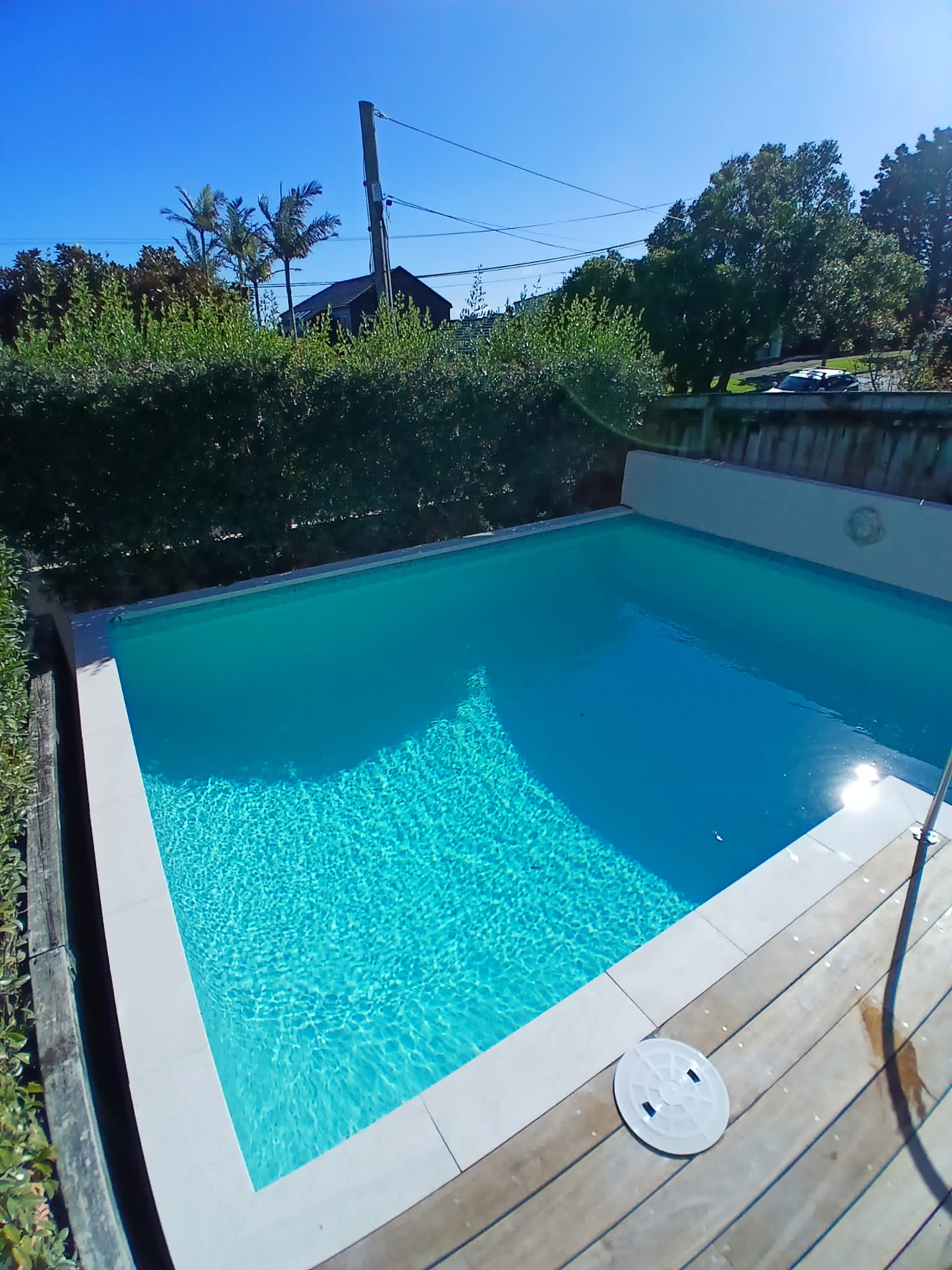
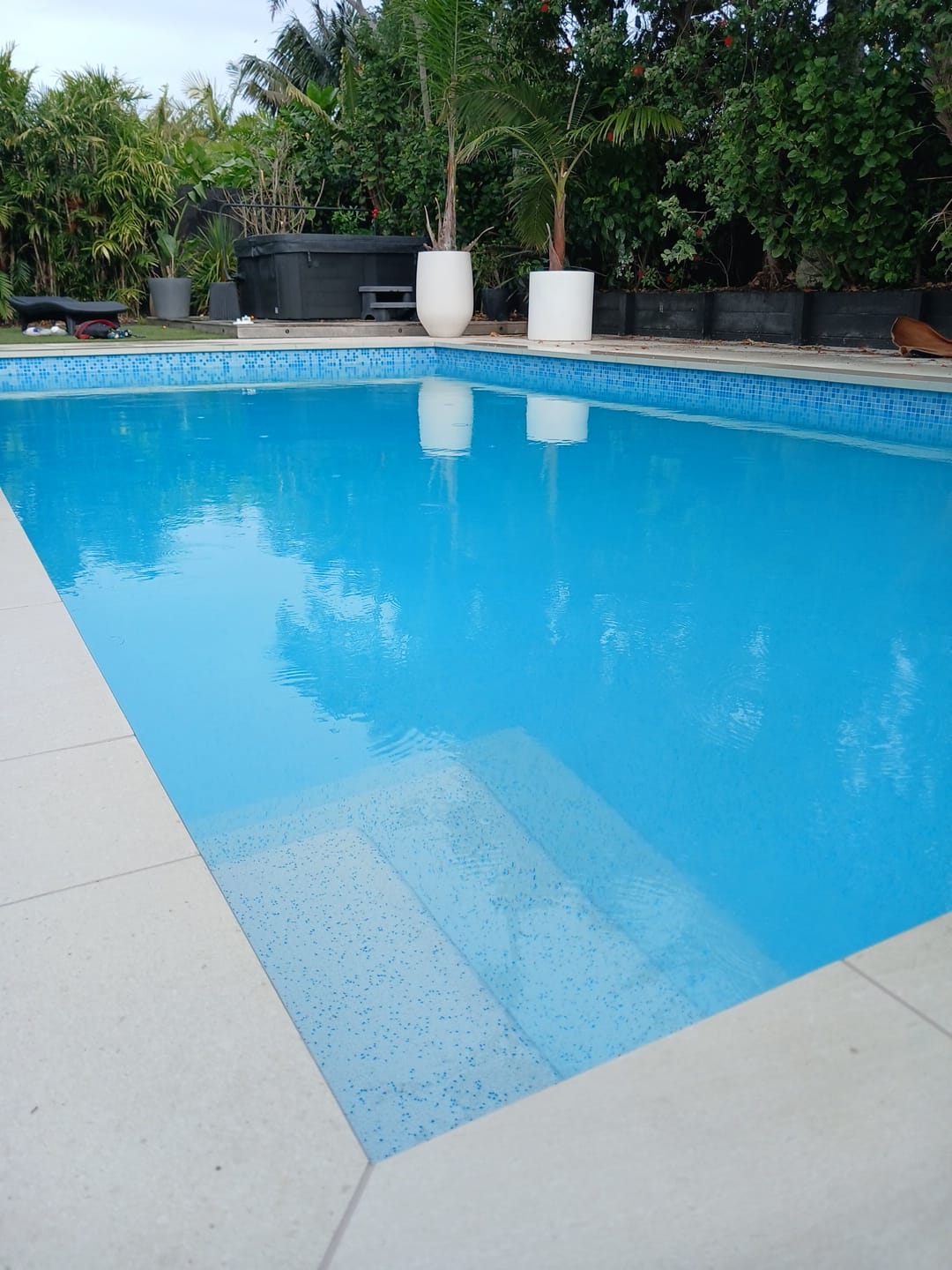
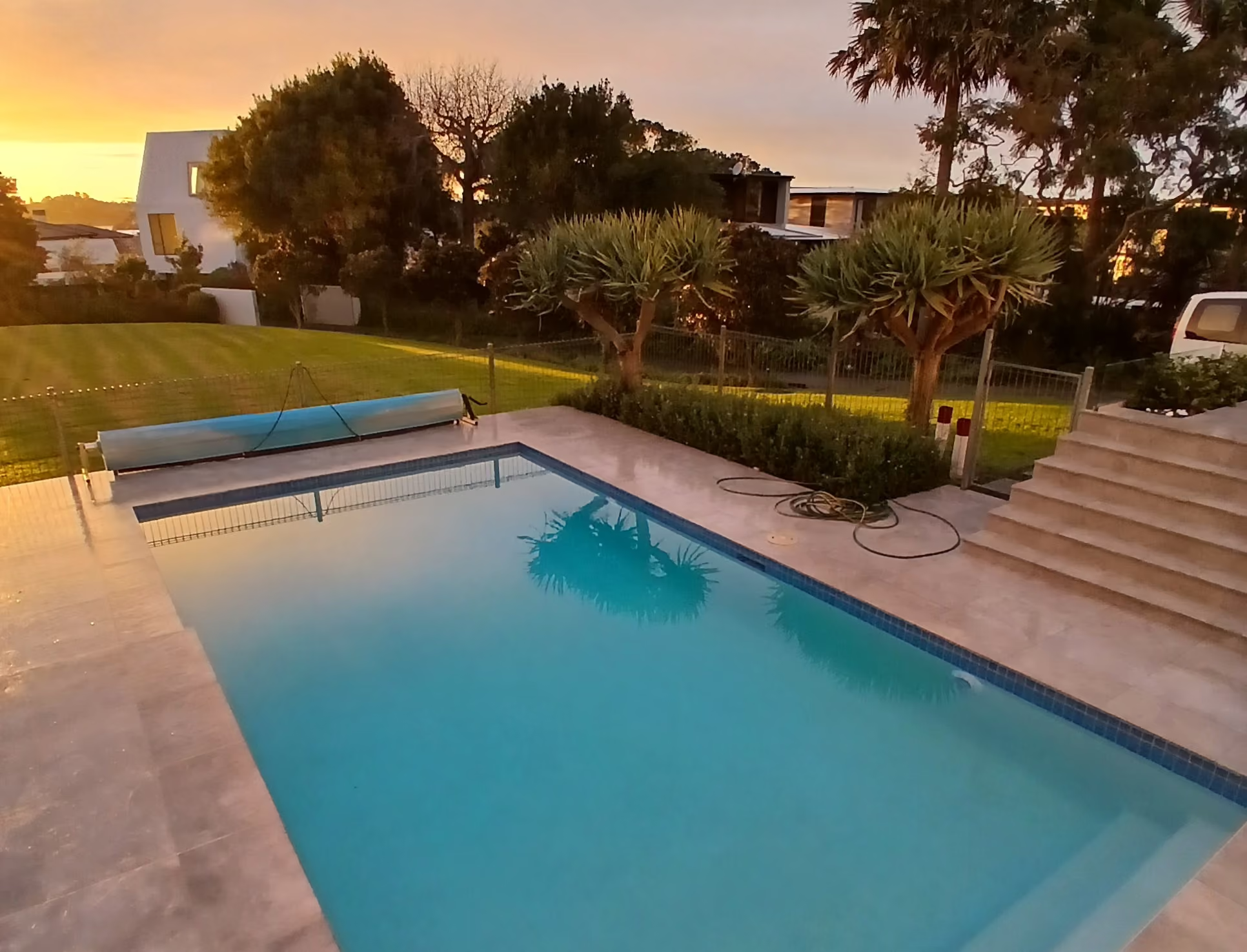
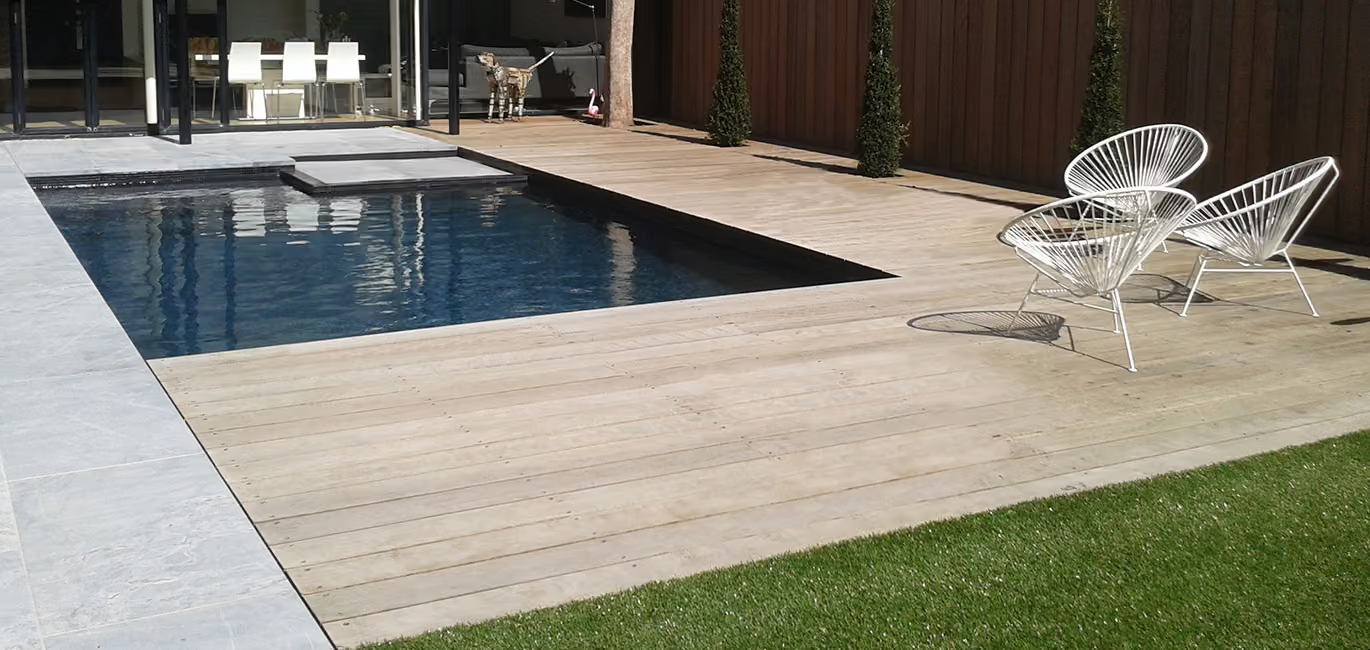
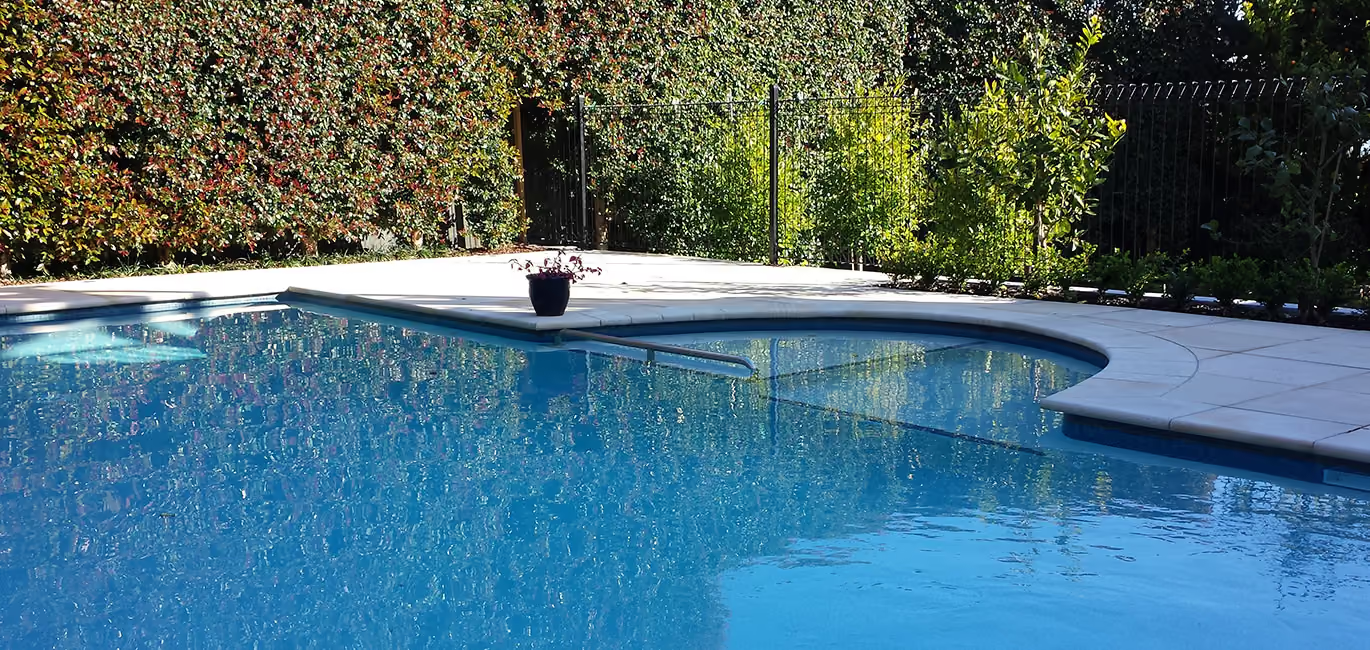
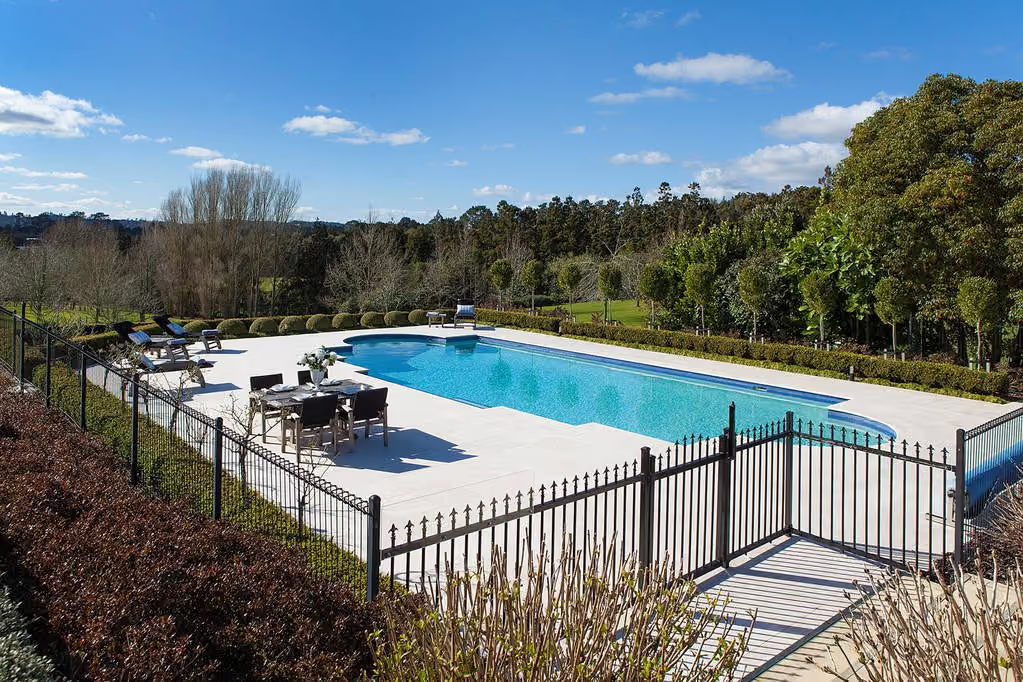
Sparkling Pools has worked on pools across Auckland, including residential renovation projects, equipment upgrades, ongoing maintenance and pool care for managed properties. Past projects show how the right approach can improve presentation, water quality and day-to-day usability. A well-maintained pool is easier to manage, more pleasant to use and better prepared for seasonal changes.
Trusted by Homeowners Across Auckland
Don't just take our word for it. Read what our clients have to say about our transparent communication, reliable service, and stunning pool transformations.
Related Blog Posts
Stay informed on pool care and renovations
Winter pool care essentials for Auckland
Pool Renovation Mistakes

Auckland Climate Pool Maintenance
Choosing Renovation Contractor
Pool Care Auckland Summer
Permits & Consents
Pool Renovation ROI
How Often to Test Pool Water
Pool Renovation Costs
Cost of Pool Service Auckland
Pool Renovation Planning Guide
Pool Lighting Buying Guide
Pool Cleaner Buying Guide
Pool Automation Buying Guide
Pool Heater Buying Guide
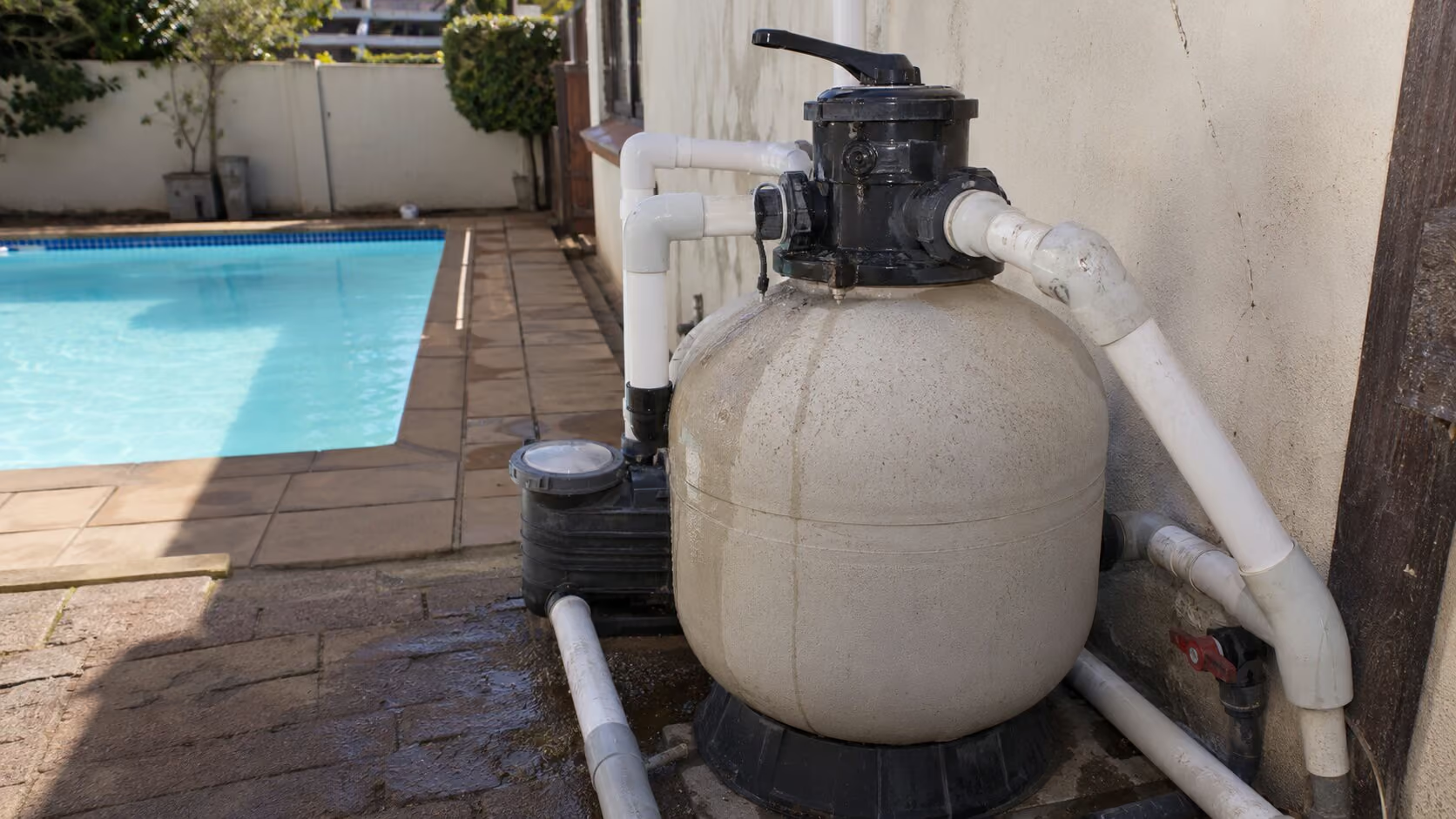
Pool Filter Buying Guide
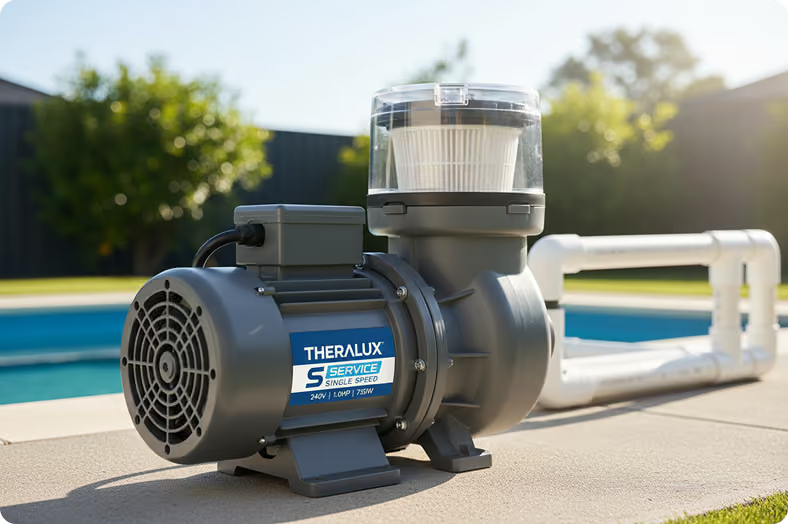
Pool Pump Buying Guide
Best Equipment Auckland Climate
Auckland Water Quality
Auckland Pool Season
Pool Ownership Costs
Common Pool Mistakes
Pool Safety Laws
Pool Inspection Requirements
Pool Fence Compliance
.avif)
Auckland Pool Industry Trends
Auckland Pool Regulations
Pool Equipment Suppliers
Best Pool Service Areas
Pool Service Pricing Analysis
Company vs Independent
Best Pool Surface Materials
Pool Resurfacing Options
Pebble vs Plaster Surfaces
One-Time vs Ongoing Service
Full Service vs Chemicals Only
Pool Cover Types
Robotic vs Suction Cleaners
Mineral vs Saltwater
Gas vs Heat Pump
Pool Heater Types
Pool Winterizing Guide Auckland
Pool Opening Guide Summer
Pool Maintenance After Heavy Rain
Pool Maintenance Schedule
How Often to Run Pool Filter
Pool Pump Maintenance Schedule
Pool Filter Cartridge Cleaning
Pool Equipment Maintenance Checklist
Pool Waterline Cleaning
Pool Skimmer Basket Cleaning
Pool Chlorine Levels
How Often Clean Pool Filter
How to Vacuum Pool
Pool Brushing Technique
Pool Chemical Dosing Chart
Pool Water Chemistry Basics
How to Balance Pool Chemistry
How to Test Pool Water
Pool Maintenance Tips
Complete Pool Maintenance Guide
Pool Service ROI
Pool Equipment Buy or Service
Pool Maintenance Time Requirements
DIY vs Professional
Pool Service Contract
Pool Service vs Pool Valet
Is Pool Service Worth It
Pool Service Guarantees
Pool Service Reviews
Pool Service Red Flags
Questions to Ask Pool Companies
How to Choose Pool Service Company
Hidden Costs DIY Maintenance
Pool Cleaning Prices Auckland
Cost of Pool Resurfacing
Cost of Pool Pump Replacement
Cost to Fix Green Pool
Pool Liner Wrinkles
Pool Cracks When to Worry
Pool Surface Stains
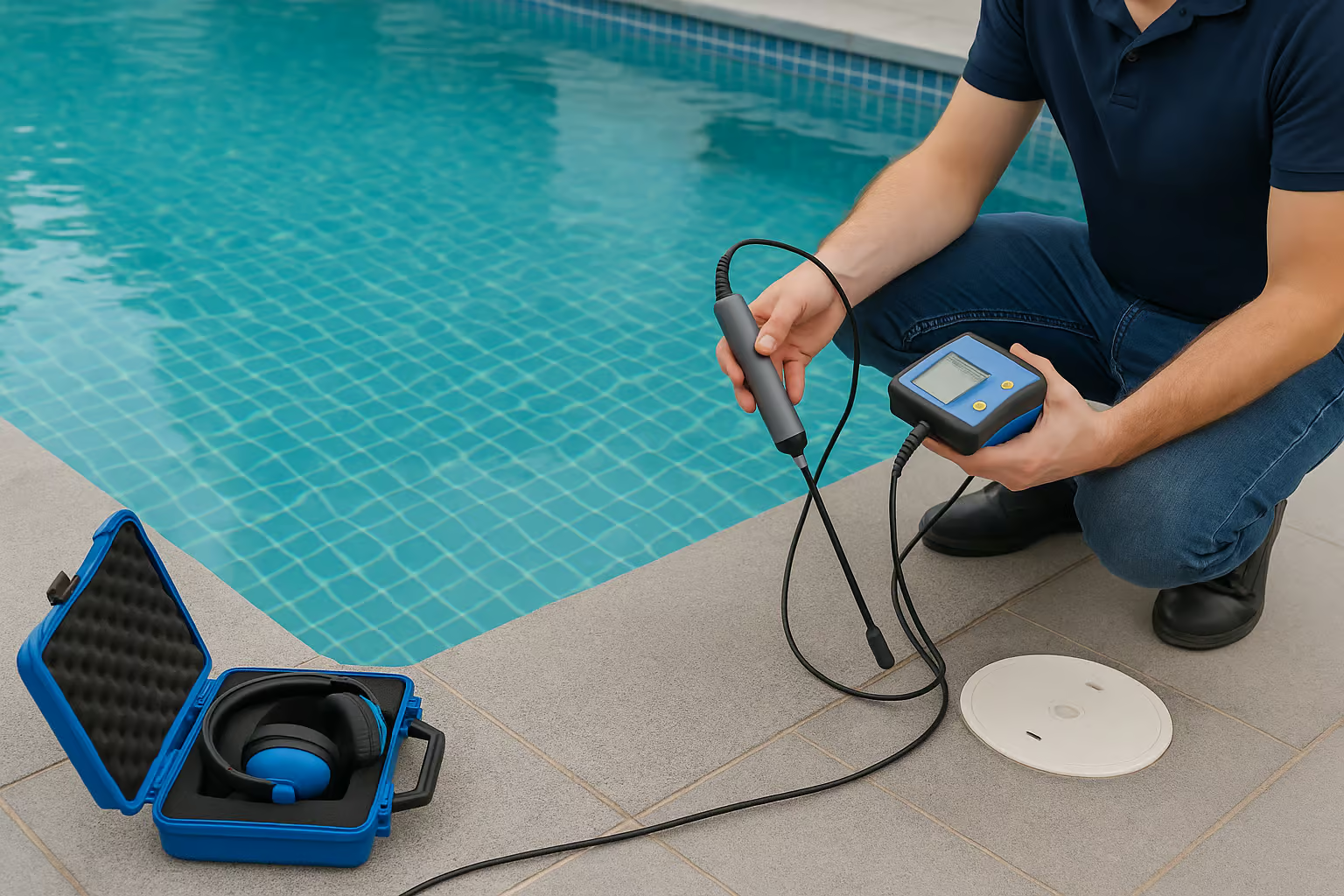
Pool Valve Leaking
Pool Automation Not Working
Pool Light Not Working
Pool Heater Not Heating
Pool Skimmer Not Working
High Pool Filter Pressure
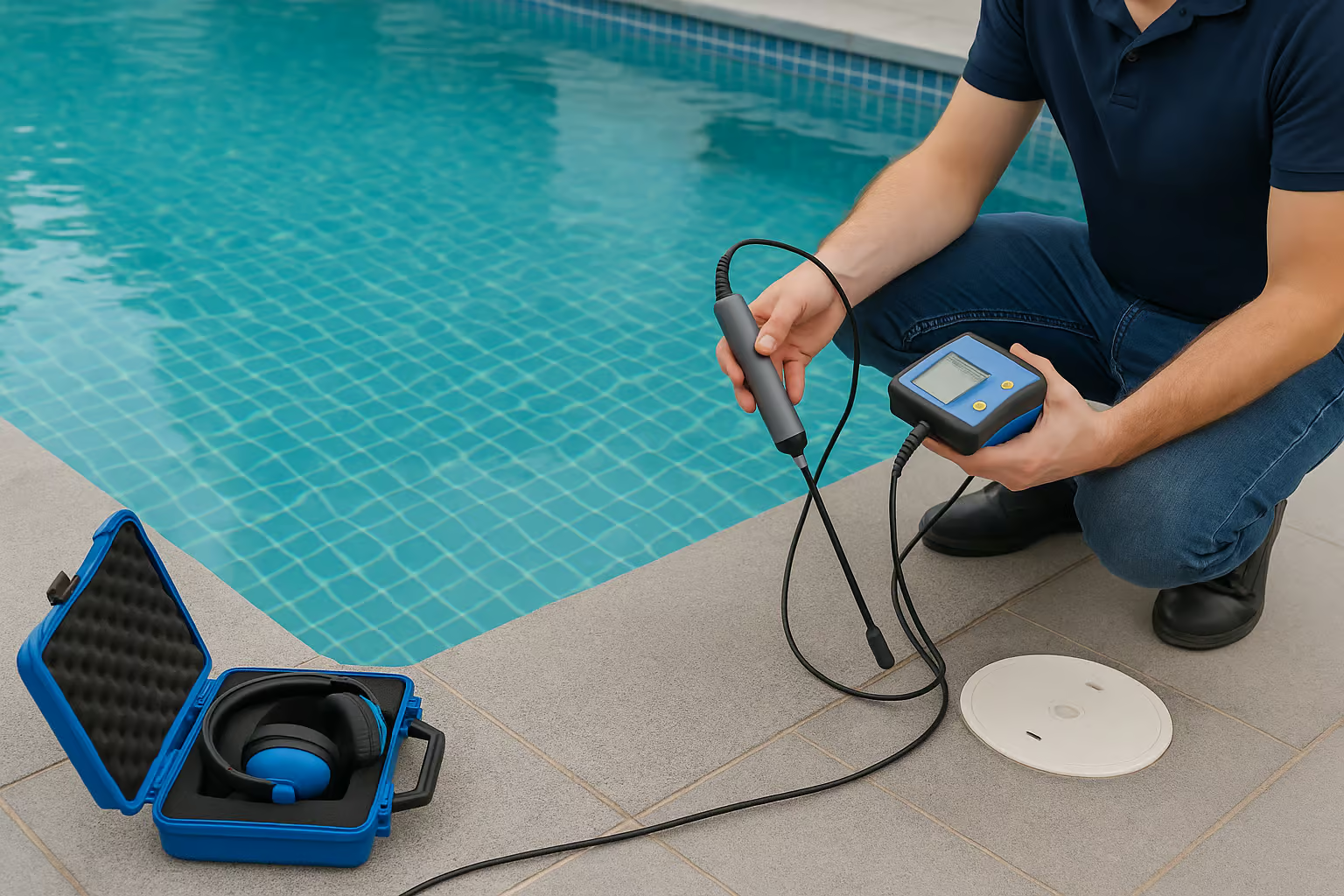
Pool Losing Water
Pool Filter Not Clearing Water
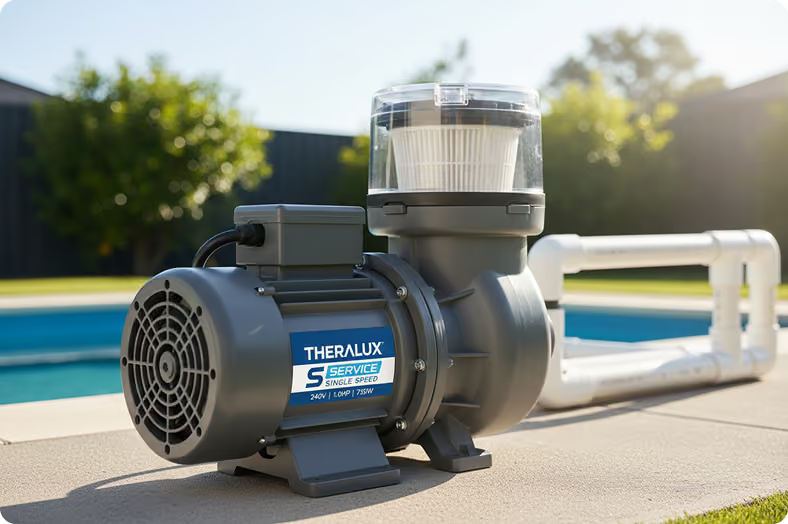
Pool Pump Leaking
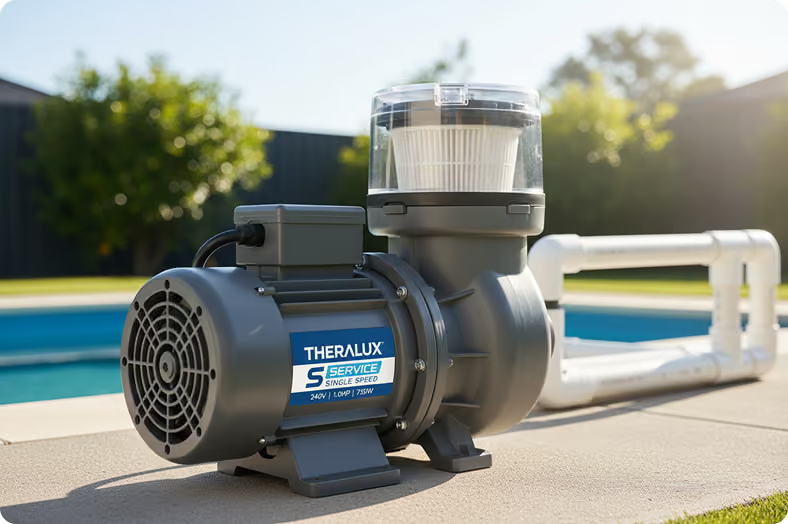
Pool Pump Not Pumping
Pool Pump Losing Prime
Pool Pump Noisy
Pool Pump Not Working
Pool Water Foaming
Pool pH Too Low
Pool pH Too High
Green Pool After Rain
Pool Still Green After Shock
Pool Water Cloudy
How to Clear a Green Pool
Pool Care That Protects Your Investment
Good pool care protects more than appearance. Our pool specialists support the long-term condition of your swimming pool while keeping it ready for everyday use.