Pool Renovation Mistakes

Why Auckland trusts our pool service expertise
Pool renovations are a significant investment, and the most common problems are avoidable with the right preparation. Understanding where renovations typically go wrong helps Auckland pool owners make better decisions before work starts.
These key points summarise the most important things to get right when planning a pool renovation.
What you'll learn
Why Pool Renovations Go Wrong
A pool renovation can transform an ageing, tired pool into something that works properly again. But it is also one of the easier projects to get wrong. Rushed decisions, unclear scopes of work, and skipping steps that seem minor can all lead to costly problems down the track.
This guide covers the most common pool renovation mistakes made by Auckland pool owners, and what to do instead.
---
Mistake 1: Not Clarifying the Full Scope Before Work Starts
One of the most common renovation problems is starting work without a clear, agreed scope. A quote that covers resurfacing but not the surrounding coping, or that includes a new pump but not the plumbing connections, can leave you with unexpected costs mid-project.
What to do instead:
- Get a written scope of work before any work begins
- Confirm exactly what is and is not included in the quote
- Ask what happens if additional issues are found once work is underway
- Make sure the scope covers preparation, materials, labour, and any required inspections
A reputable pool company will be comfortable putting this in writing.
---
Mistake 2: Choosing the Cheapest Quote Without Comparing Like for Like
Pool renovation quotes can vary significantly. That does not always mean one contractor is better value than another, it often means they are quoting different things.
A lower quote may use a thinner plaster coat, a lower-grade surface finish, or exclude items the other quotes include. When you compare quotes without understanding what each one covers, you are not really comparing prices at all.
What to do instead:
- Ask each contractor to itemise their quote
- Confirm the materials specified, surface type, thickness, brand where relevant
- Check whether preparation work (chipping, patching, cleaning) is included
- Ask about the warranty on workmanship, not just materials
---
Mistake 3: Ignoring the Pool's Existing Structure
A new surface finish will not fix structural problems underneath. Cracks in the shell, failing bond coat, or deteriorating concrete will cause a new plaster or pebble finish to fail prematurely, sometimes within a year or two.
Skipping a proper structural assessment before resurfacing is a false economy. The cost of redoing a surface finish is significant. The cost of doing it twice is much higher.
What to check before resurfacing:
- The condition of the existing shell, cracks, delamination, hollow spots
- Whether any cracks are structural or cosmetic
- The state of the bond coat if one is present
- Any signs of ground movement or subsidence around the pool
If structural issues are found, they need to be addressed before any new surface is applied.
---
Mistake 4: Upgrading the Surface Without Reviewing the Equipment
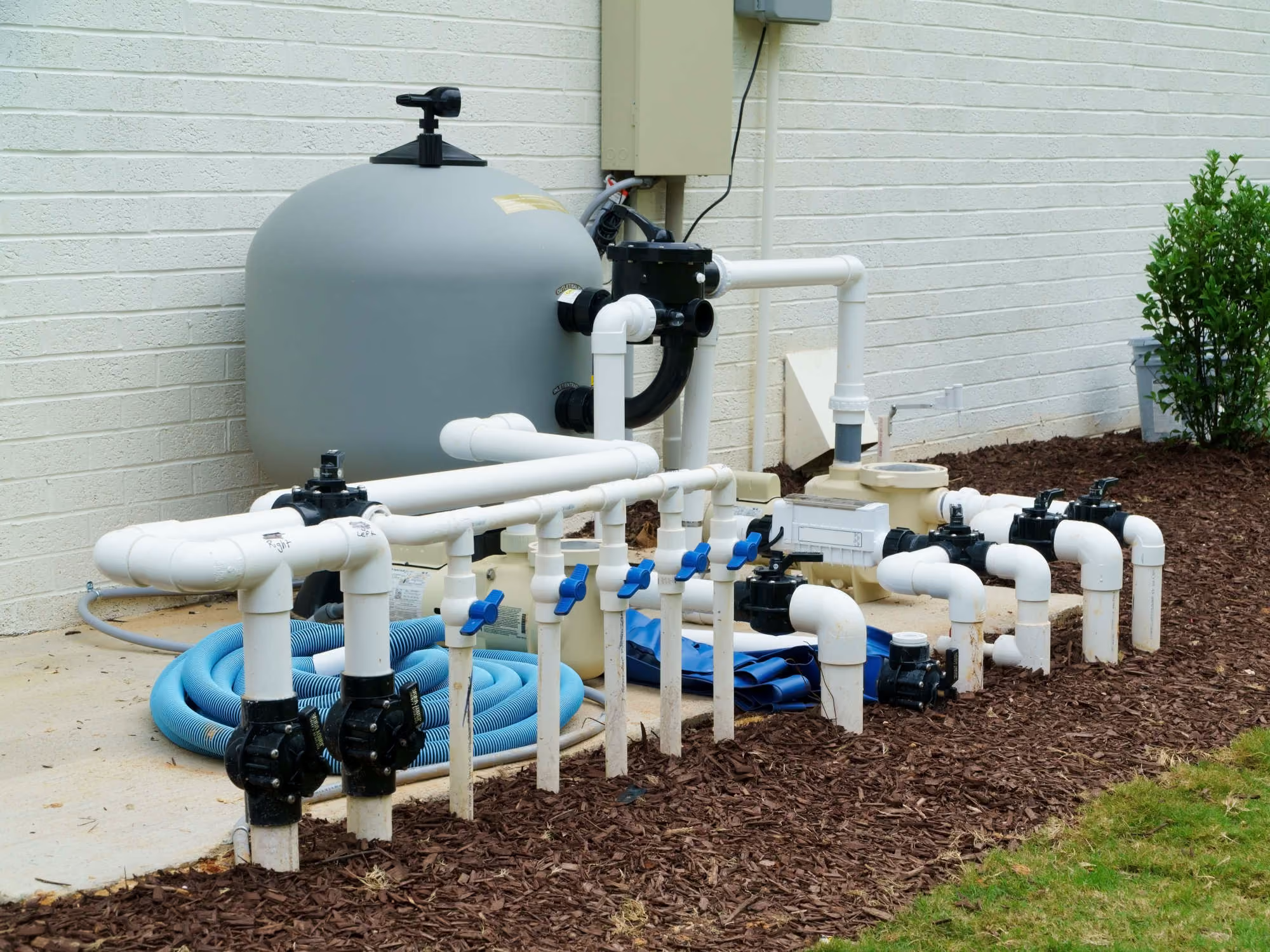
A renovation is the right time to assess your pool equipment. Replacing a surface and then discovering the pump is undersized, the filter is failing, or the chlorinator is at end of life means more disruption and cost shortly after the renovation is complete.
Equipment worth reviewing during a renovation:
- Pump, age, condition, energy efficiency
- Filter, type, condition, whether it suits the pool volume
- Chlorinator, output, cell condition, control system
- Heating, if applicable, whether the system is performing adequately
- Lighting, whether existing fittings are safe and functional
Addressing equipment at the same time as the surface work reduces labour costs and avoids having to drain the pool again.
---
Mistake 5: Not Allowing Adequate Curing Time
New pool surfaces, particularly plaster and pebble finishes, require a proper curing process before the pool is used normally. Filling too quickly, adding chemicals too early, or using the pool before the surface has cured can cause staining, rough patches, and premature wear.
The curing process also involves careful water chemistry management in the first weeks. Getting this wrong is one of the most common causes of early surface problems.
What to do instead:
- Follow the contractor's specific instructions for filling and initial chemical treatment
- Do not rush the filling process
- Test water chemistry carefully during the first few weeks
- Avoid heavy use until the surface has fully cured
If you are unsure about the water chemistry requirements for a new surface, have it tested on site by a professional.
---
Mistake 6: Overlooking Water Chemistry After the Renovation
Pool water chemistry affects the longevity of any surface finish. Water that is consistently out of balance, particularly water that is too aggressive (low pH, low calcium hardness), will etch and erode a plaster or pebble surface over time.
This is especially relevant in Auckland, where source water chemistry can vary. A new surface is an investment worth protecting with regular, accurate water testing.
Key parameters to maintain:
- pH, within the recommended range for your surface type
- Total alkalinity, to stabilise pH
- Calcium hardness, to prevent aggressive water from attacking the surface
- Chlorine, consistent sanitiser levels to prevent algae and staining
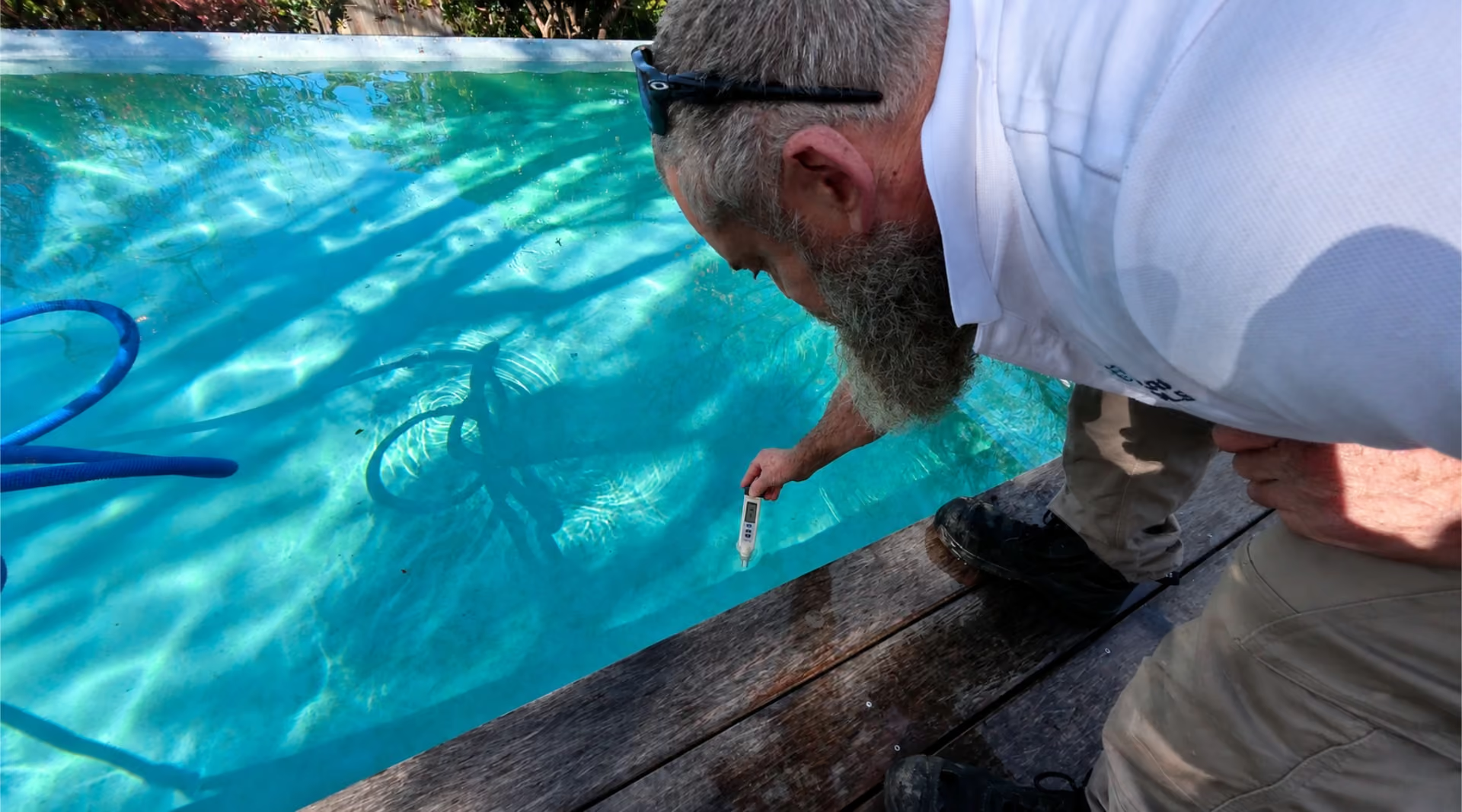
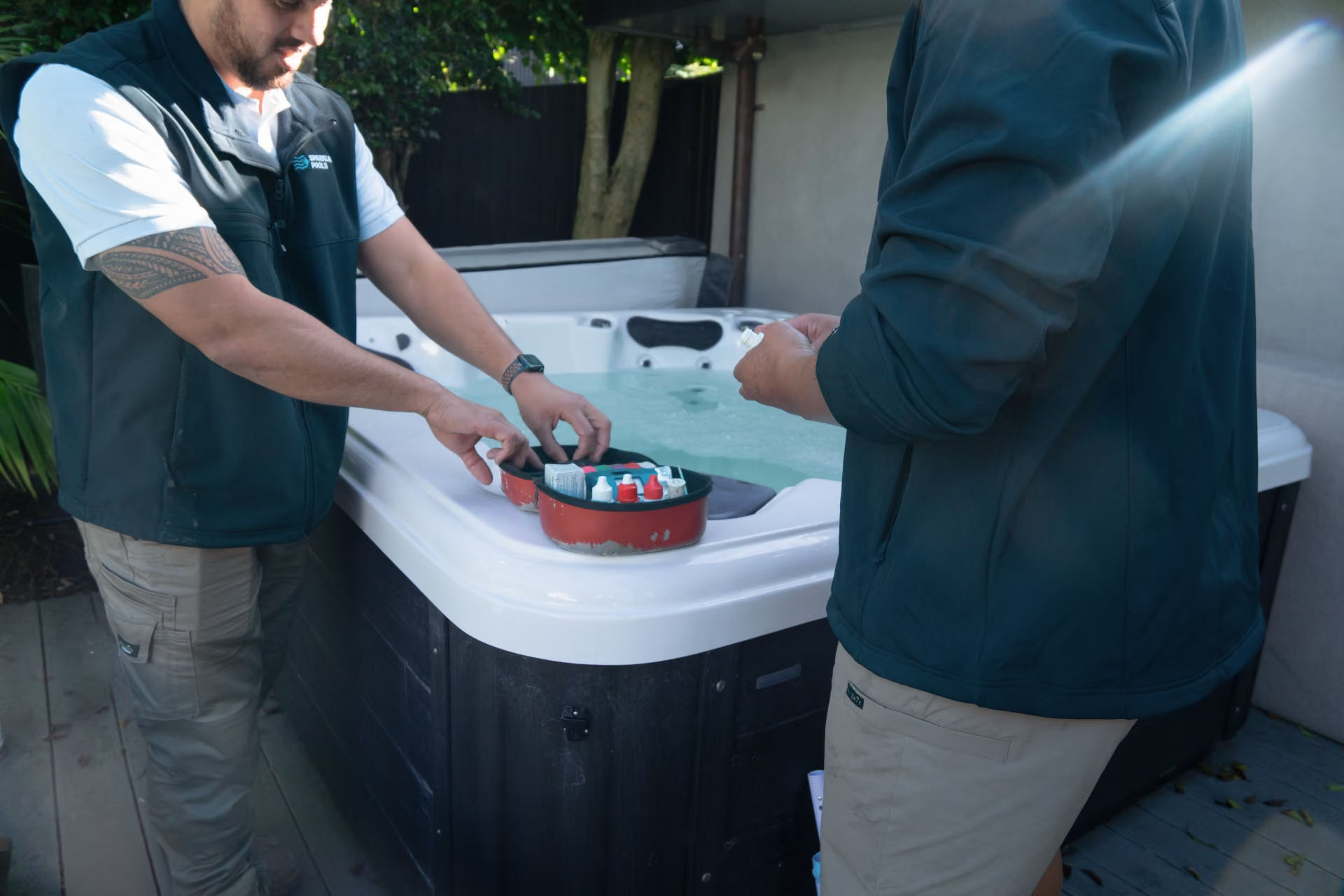
Regular on-site water testing is the most reliable way to stay on top of these parameters.
---
Mistake 7: Skipping the Pre-Renovation Planning for Compliance
Some renovation work, particularly structural changes, new fencing, or electrical work, may require council consent or compliance with current pool fencing regulations. Starting work without checking this can create problems when you come to sell the property, or if an inspection is triggered.
This is worth confirming with your contractor and, where relevant, with Auckland Council before work begins.
---
Getting a Pool Renovation Right
Most renovation problems come down to the same things: insufficient planning, unclear scopes, and skipping steps that seem minor but matter. A well-planned renovation, with the right contractor, a clear scope, and proper aftercare, should give a pool many more years of reliable use.
If you are planning a renovation and want an honest assessment of your pool's current condition, Sparkling Pools has been working on Auckland pools since 1992.
Pool resurfacing solutions
Restore your pool with durable plaster finishes


Work completed
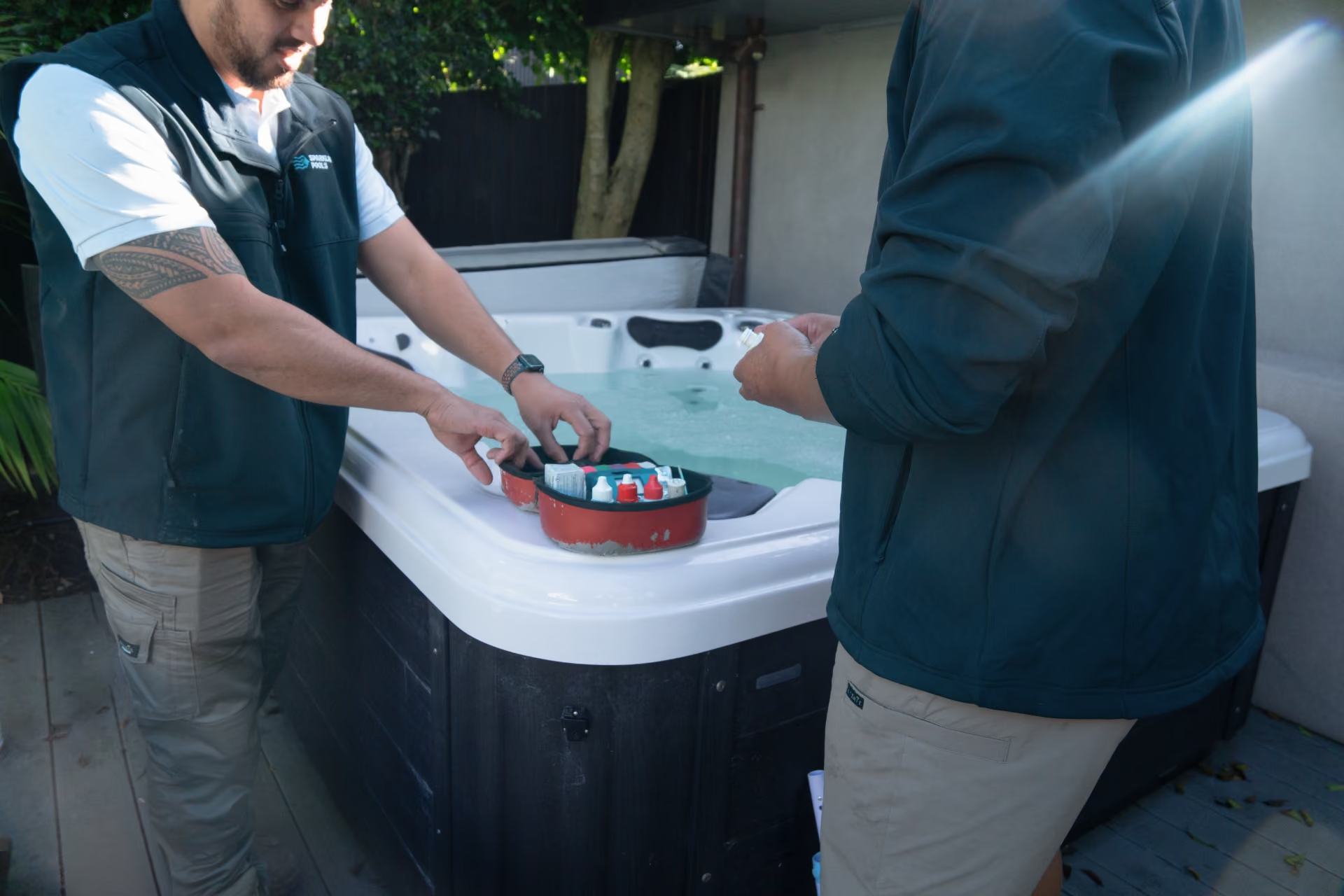
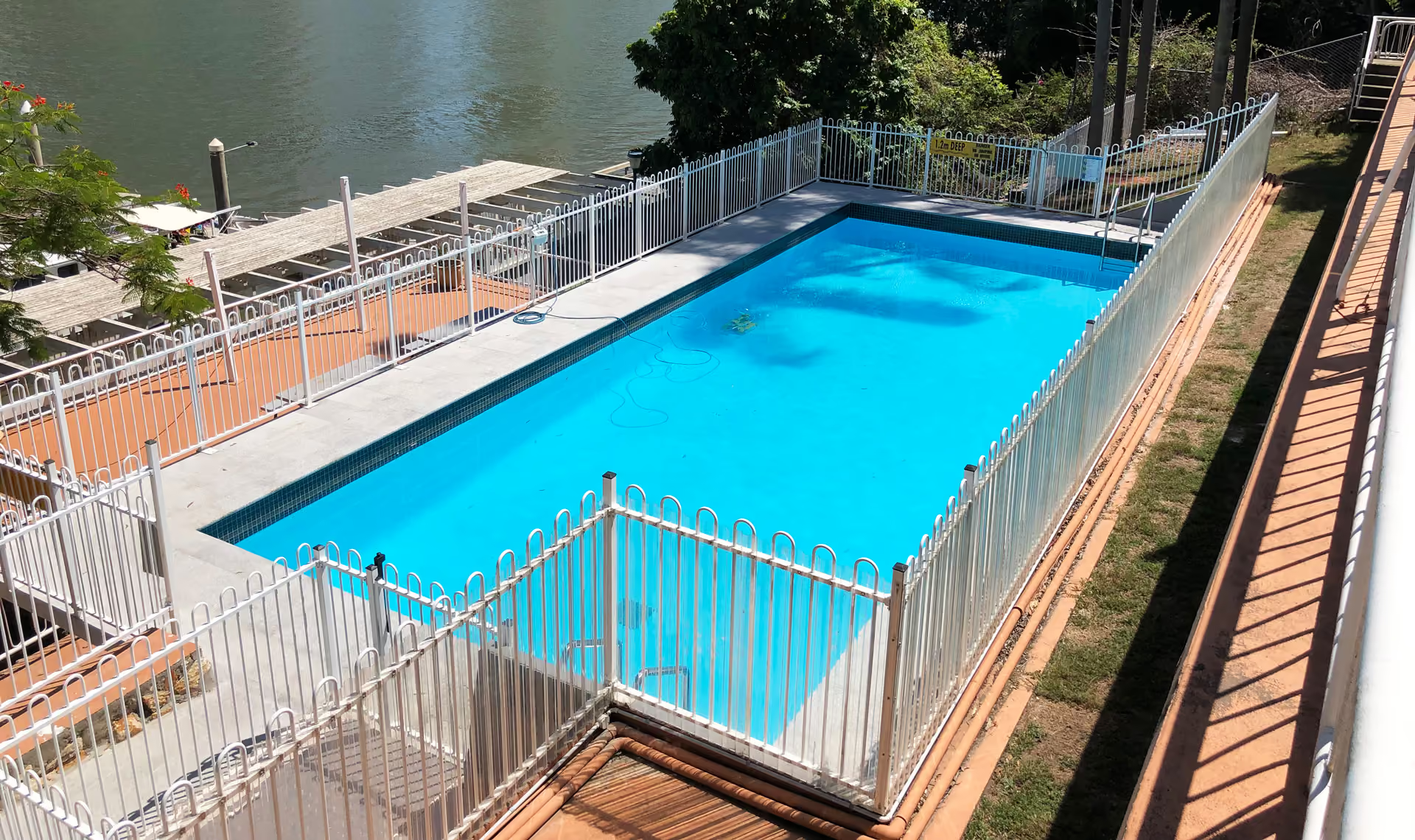
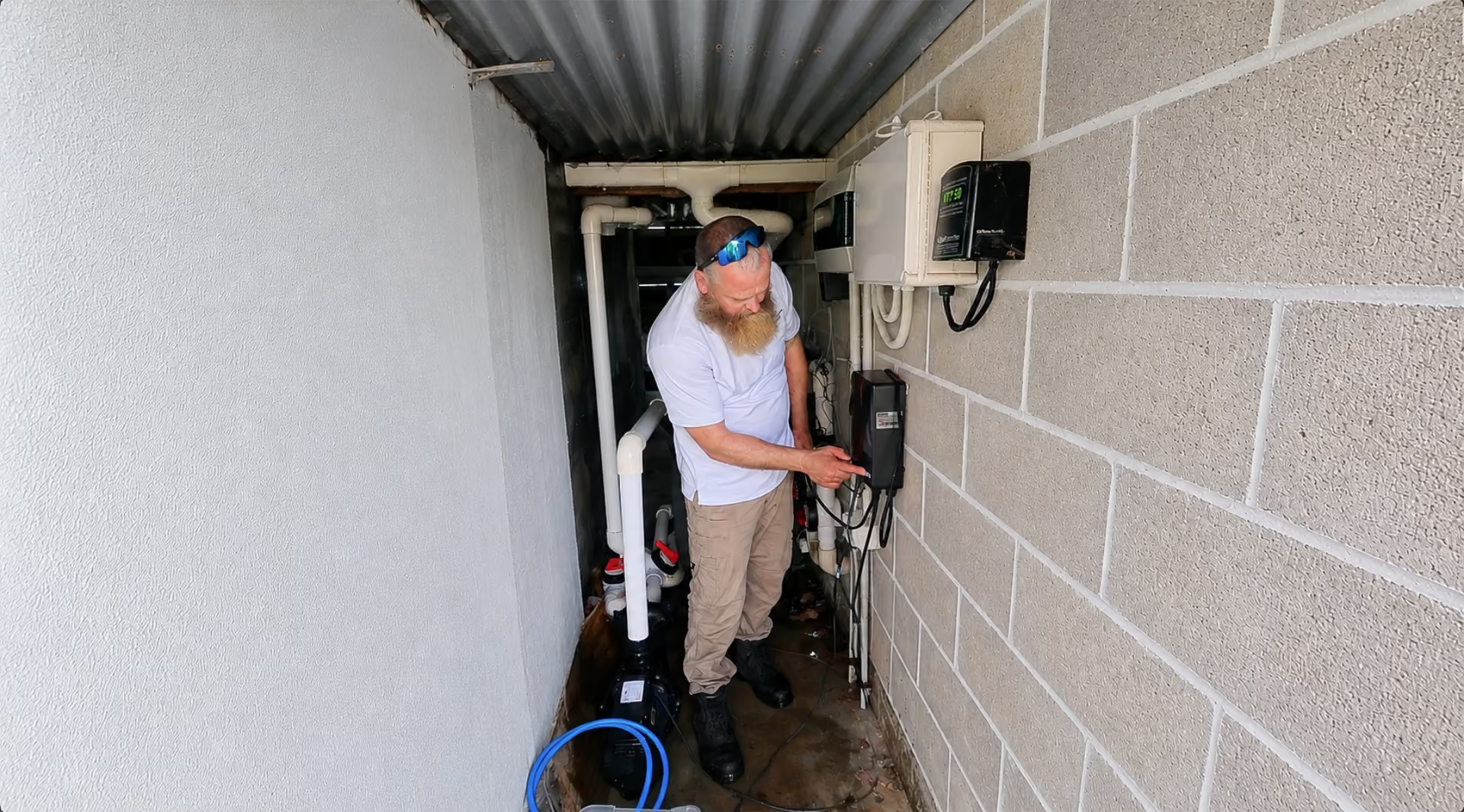
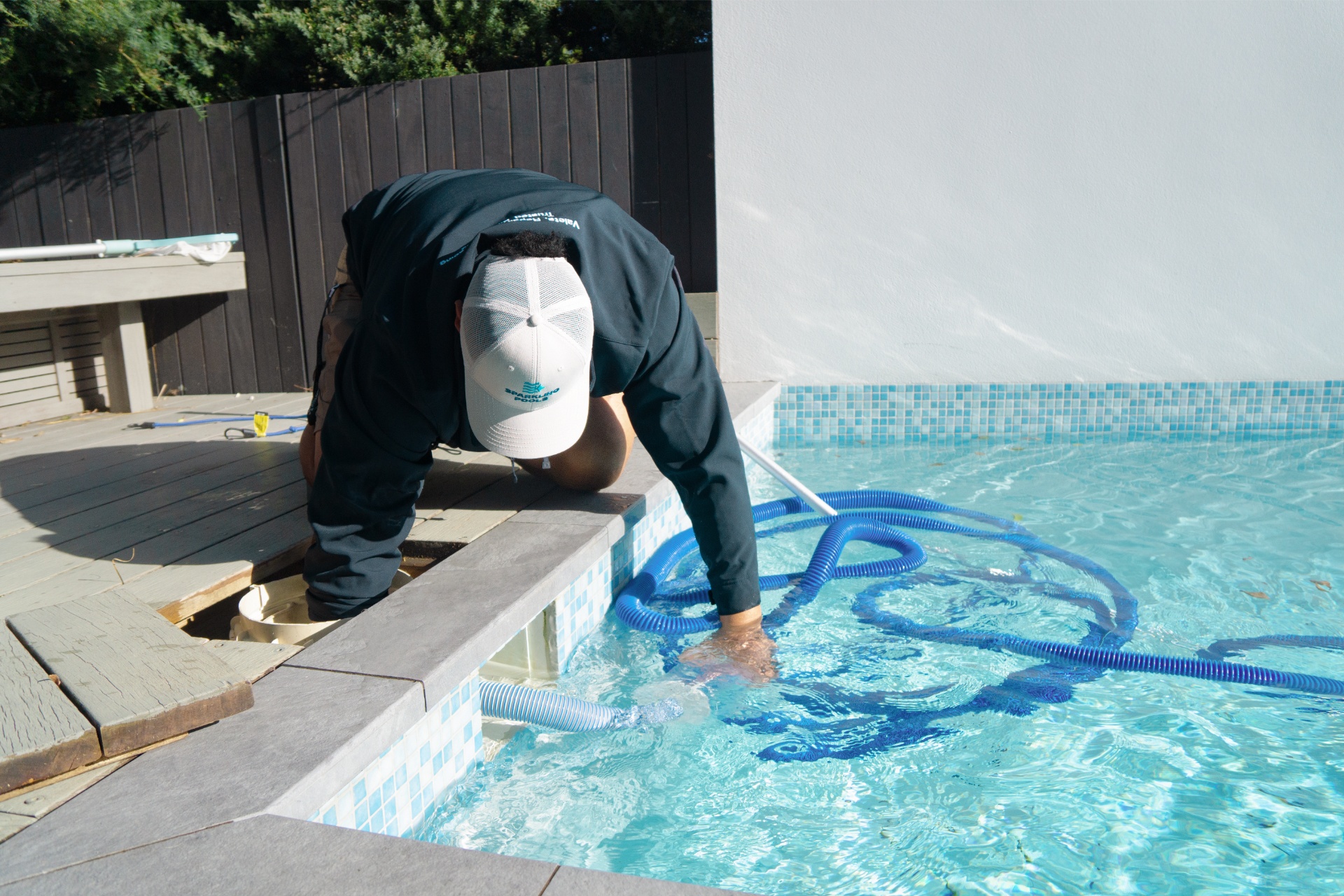
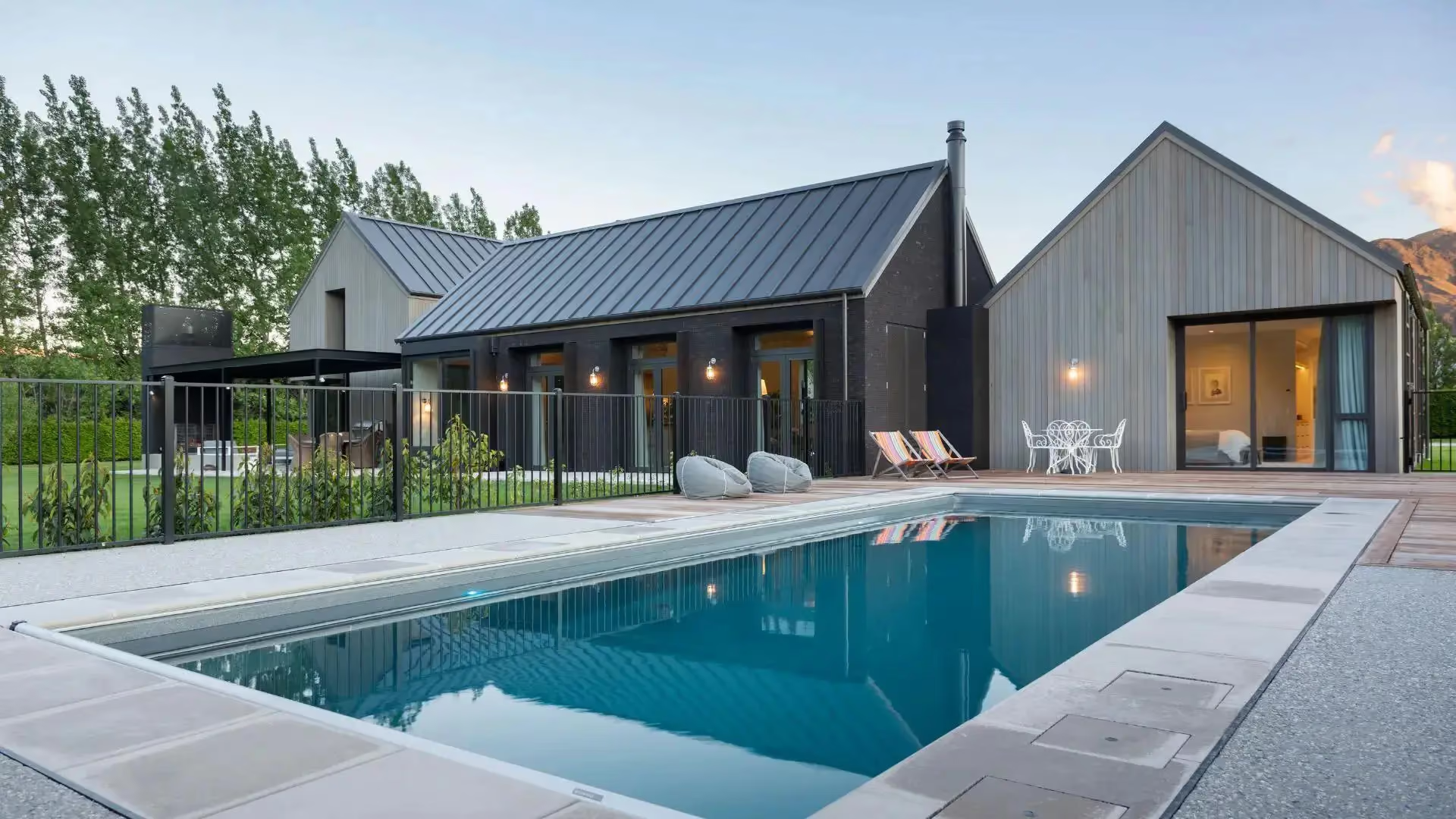
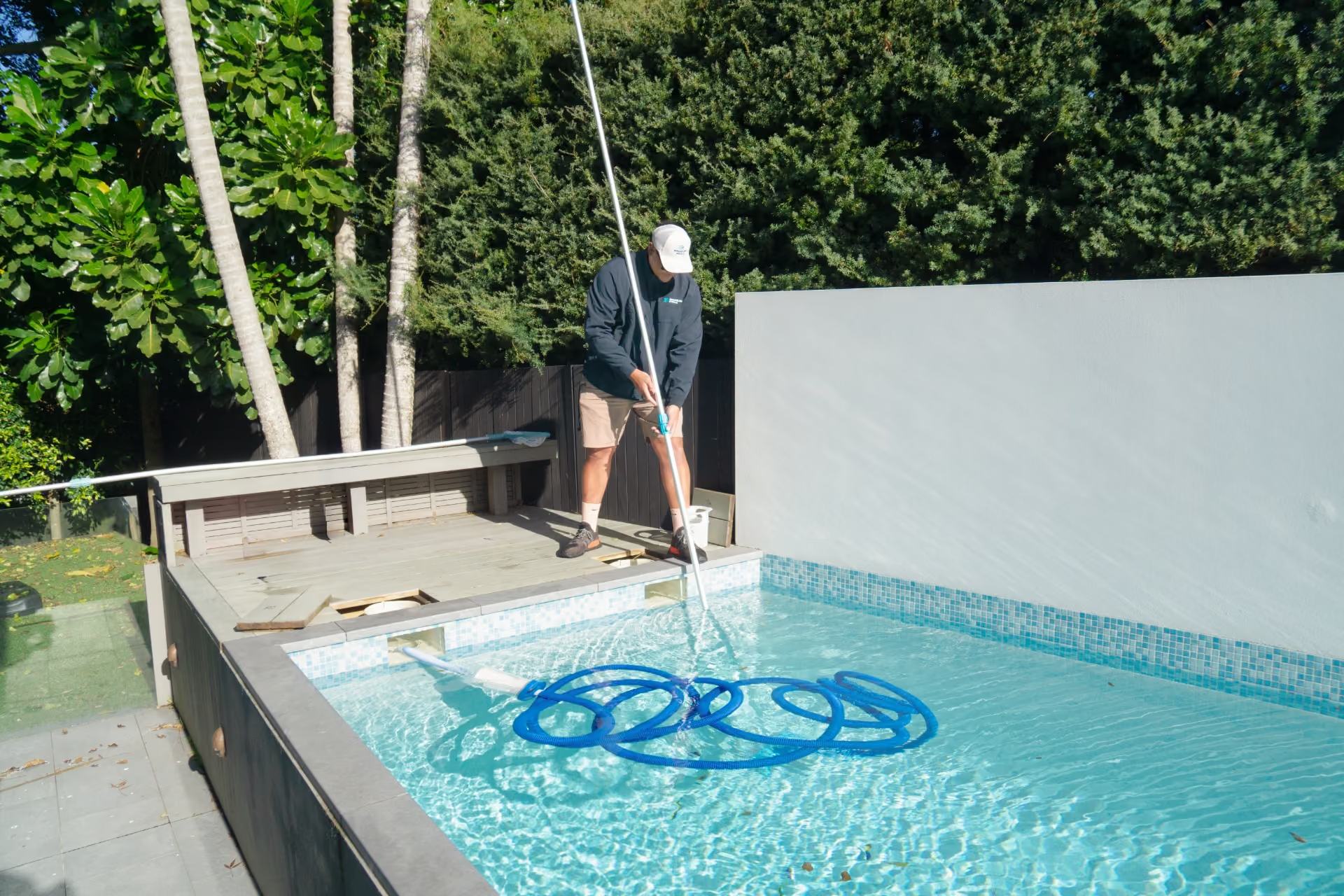
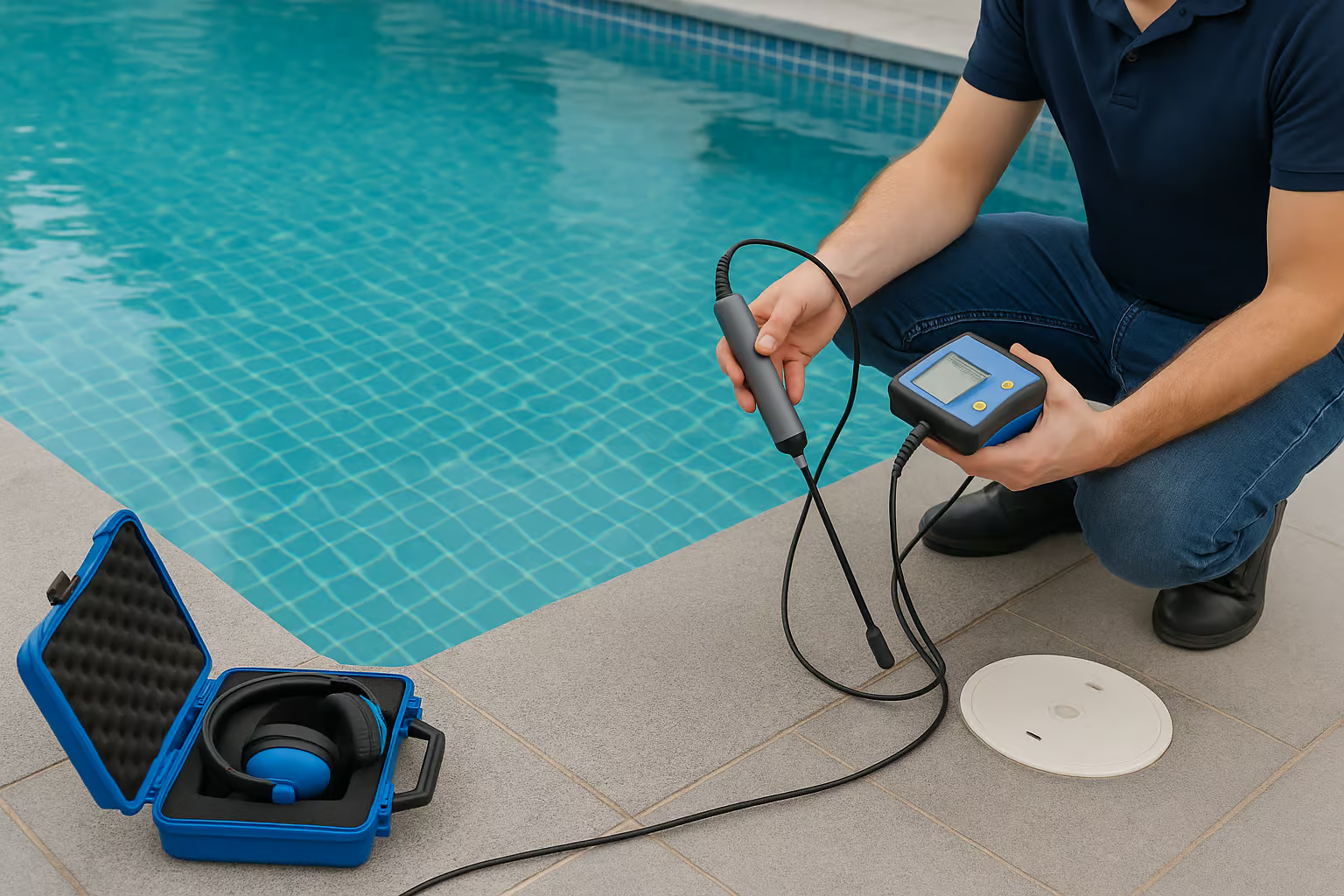
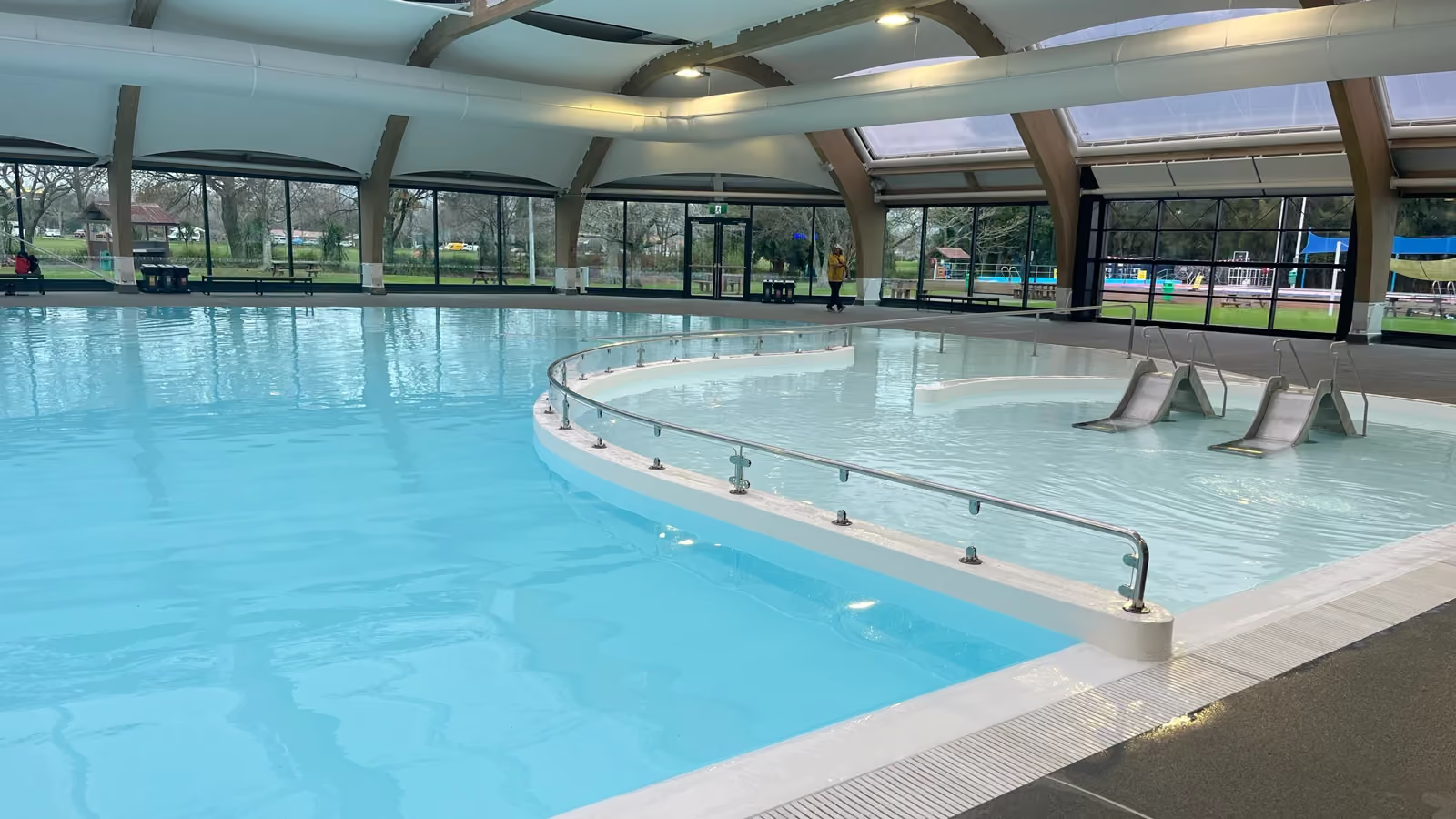
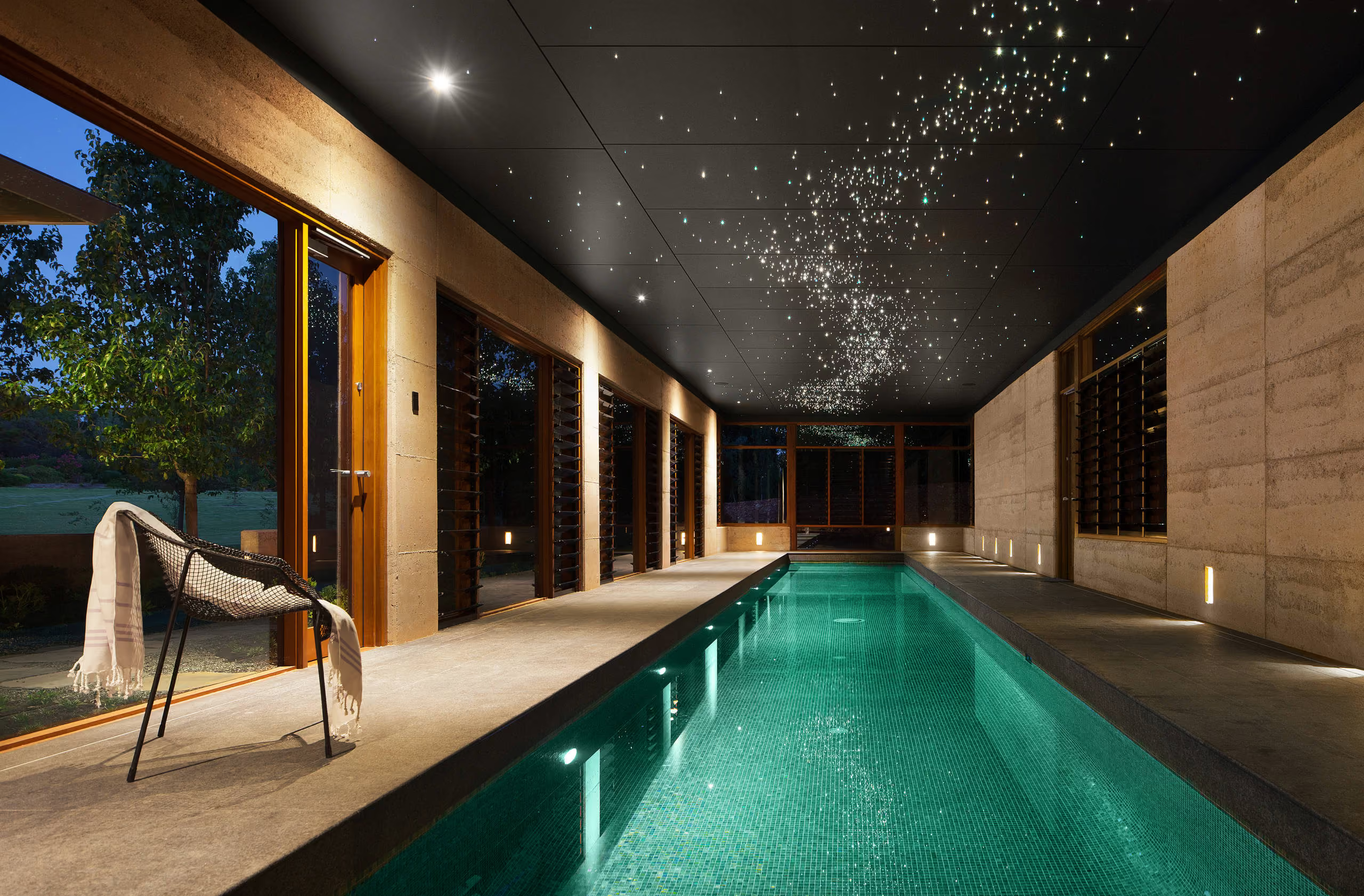
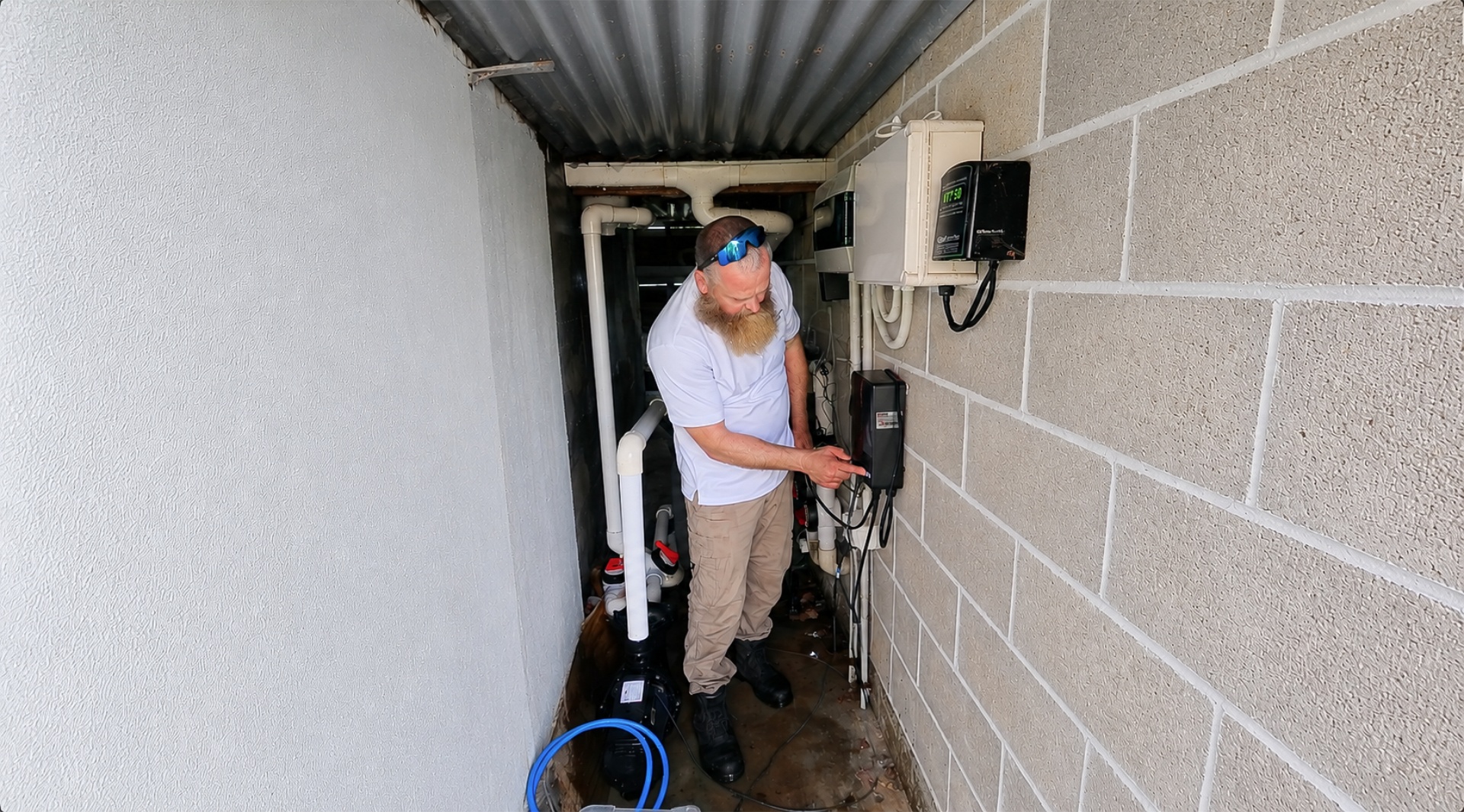
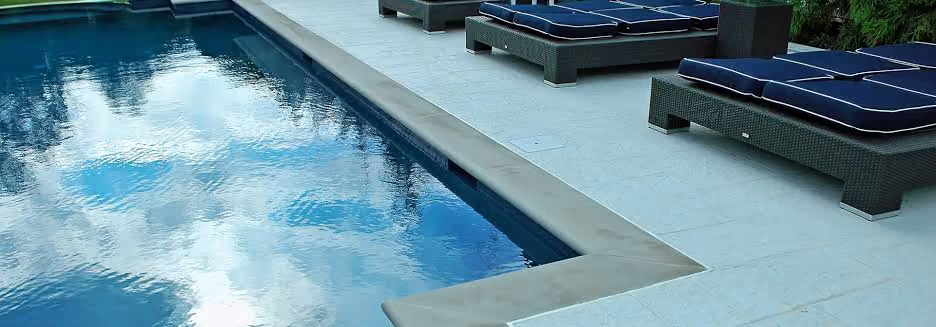
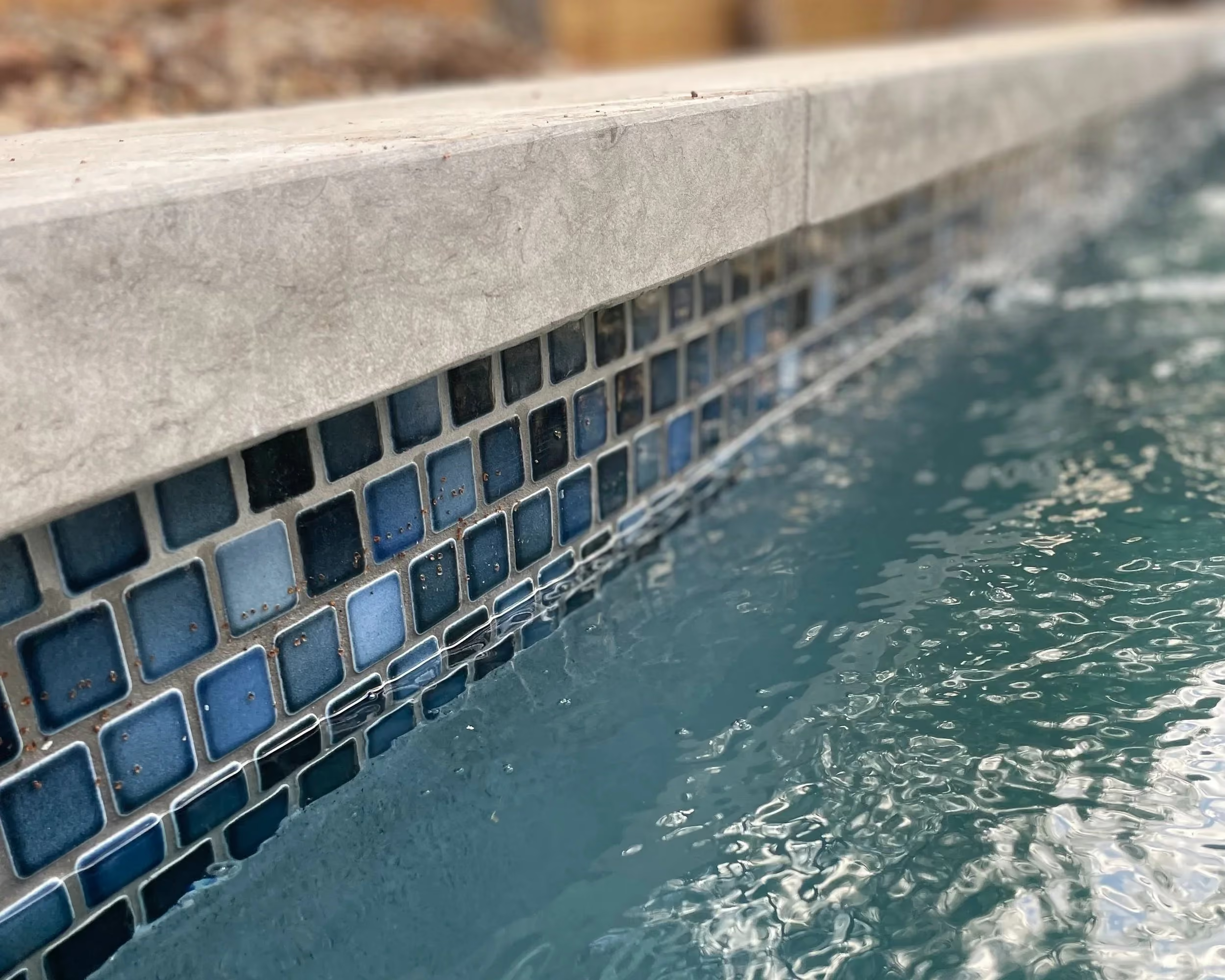
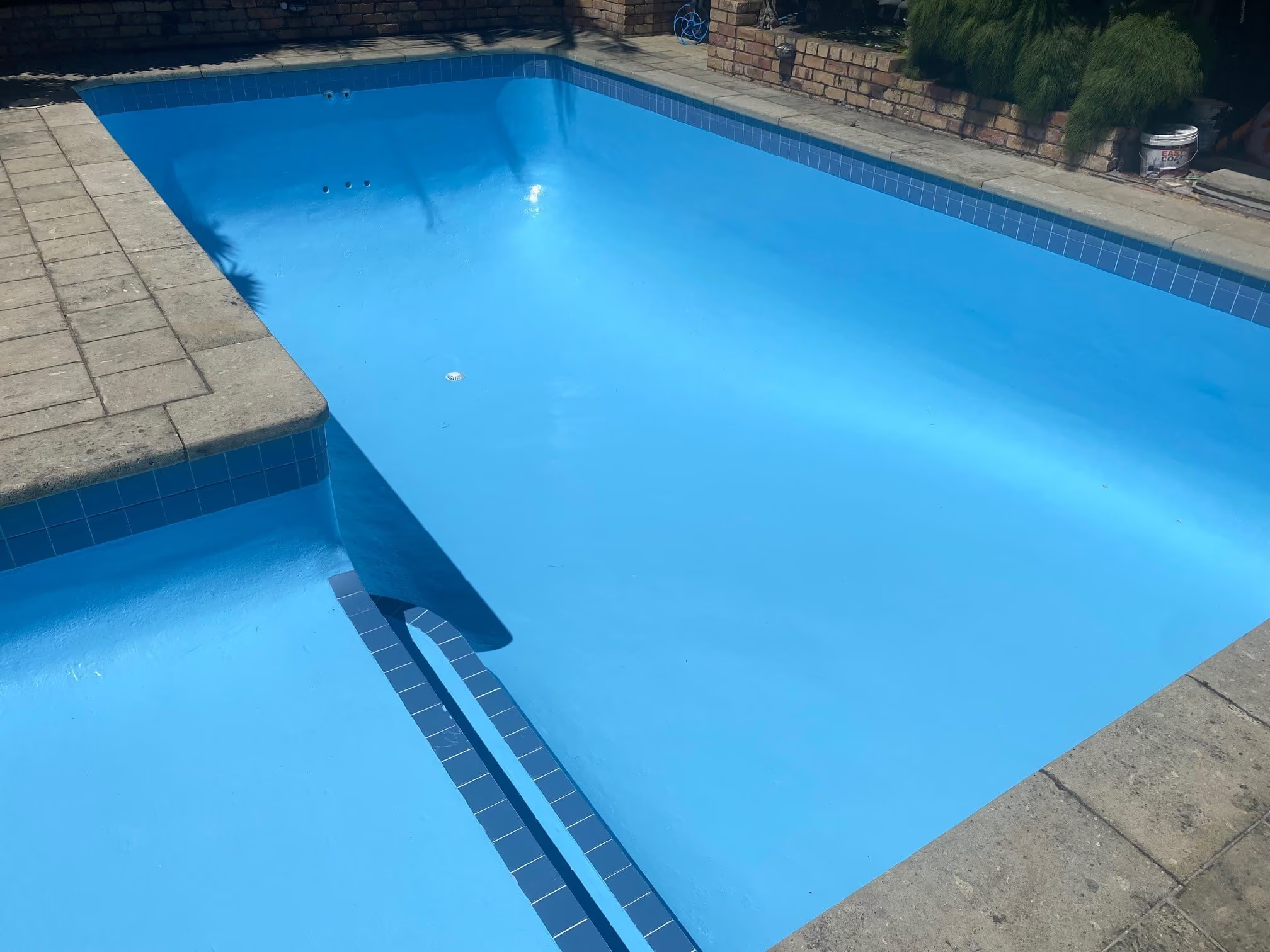
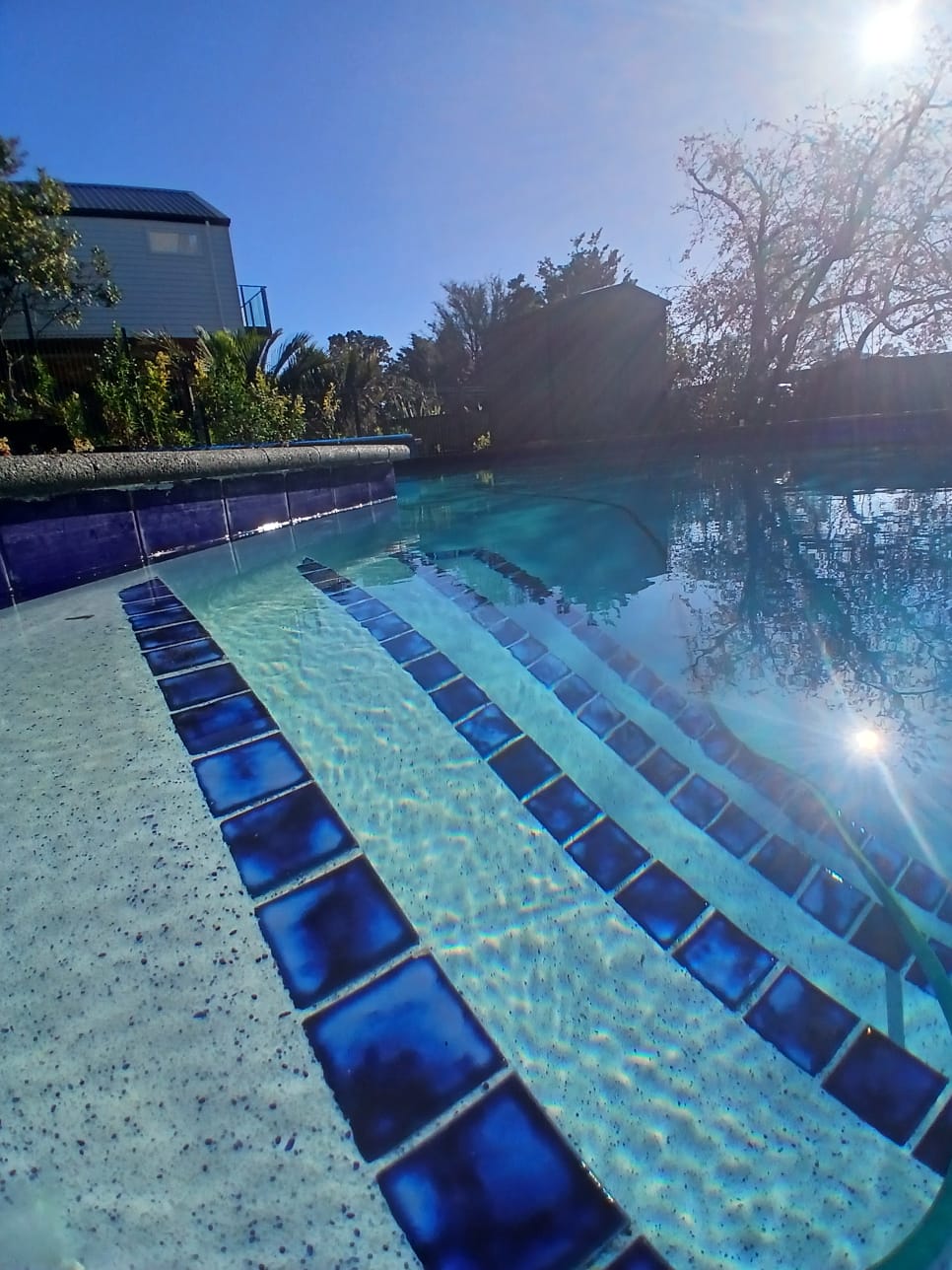
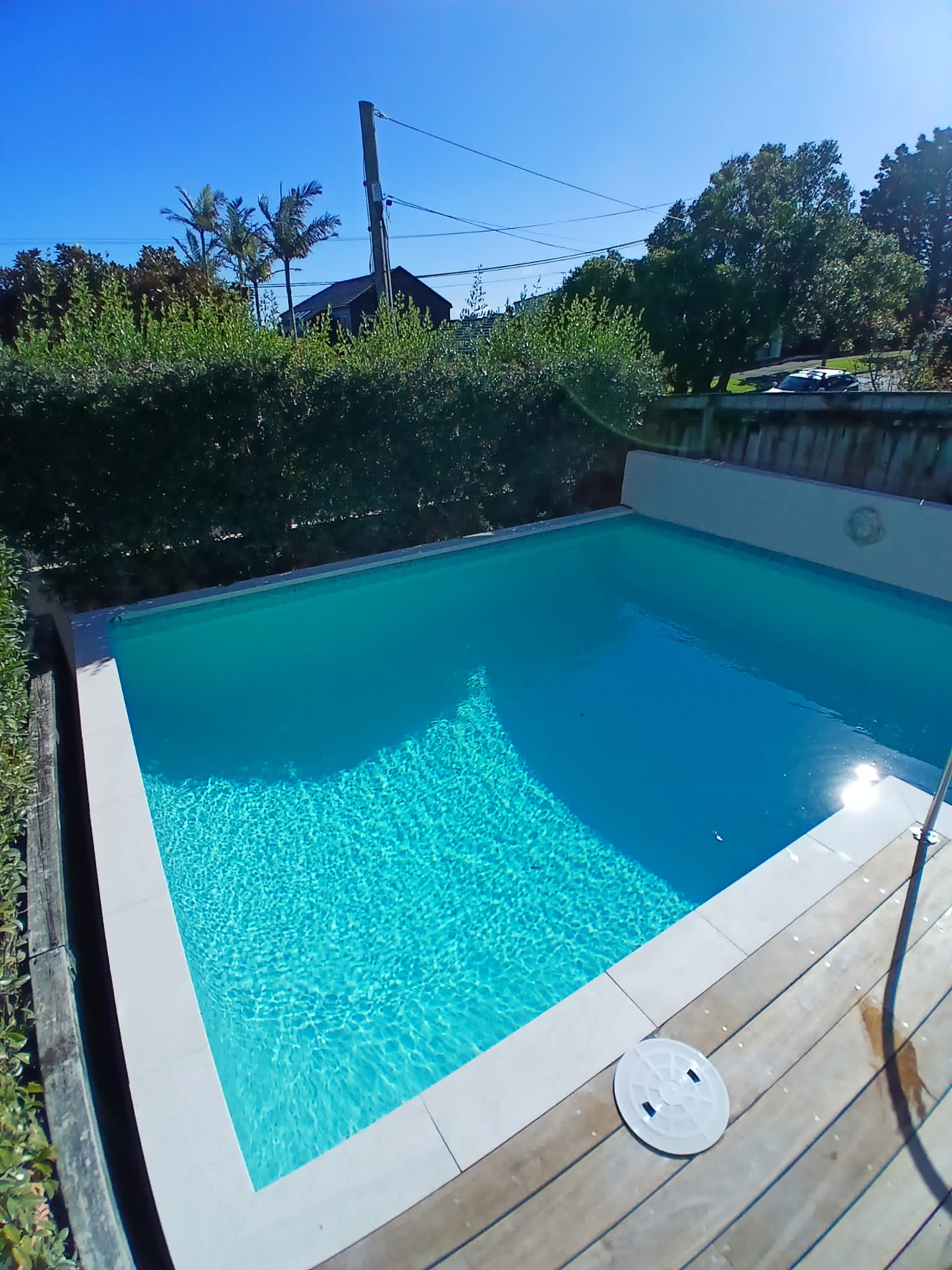
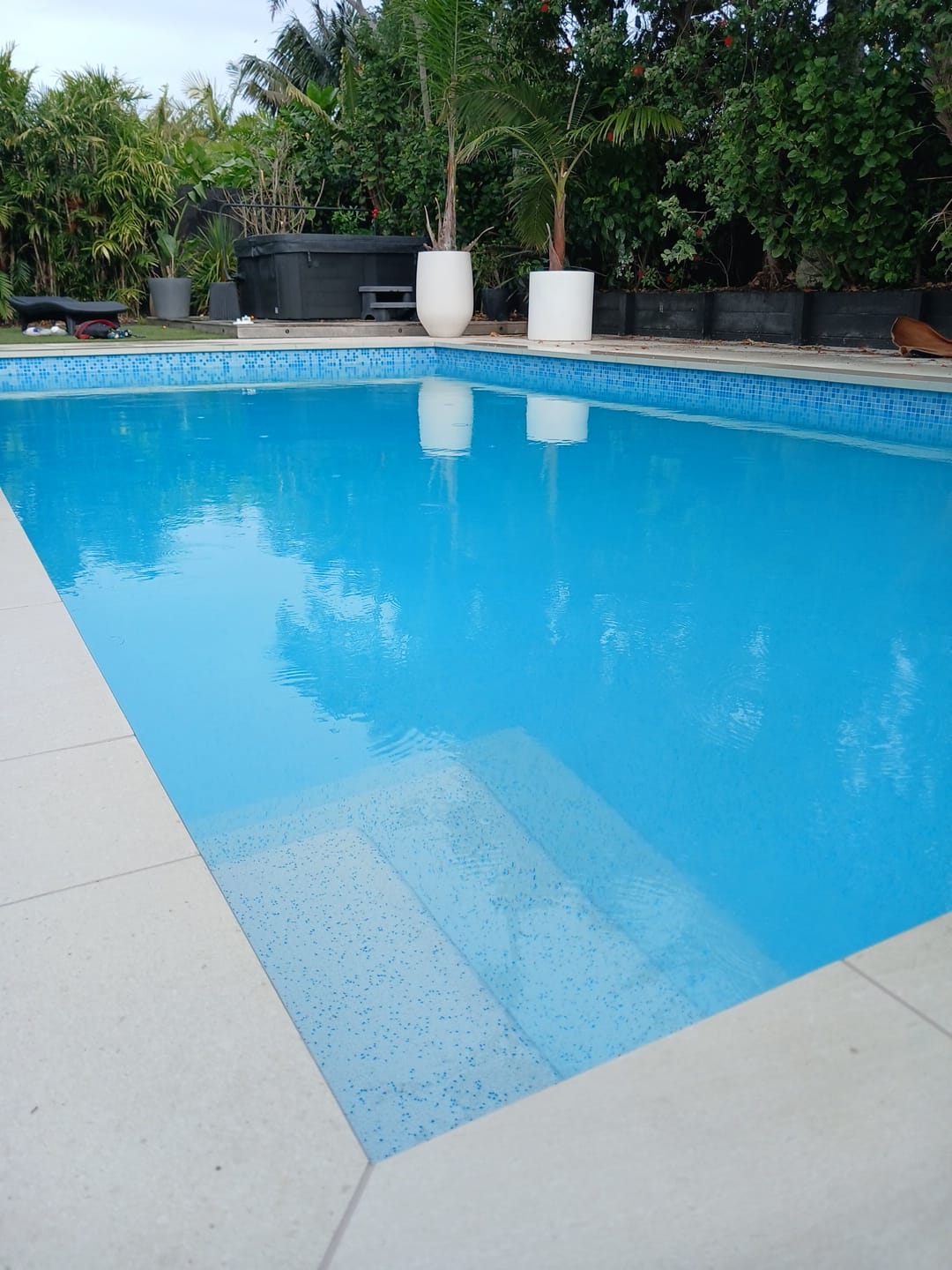
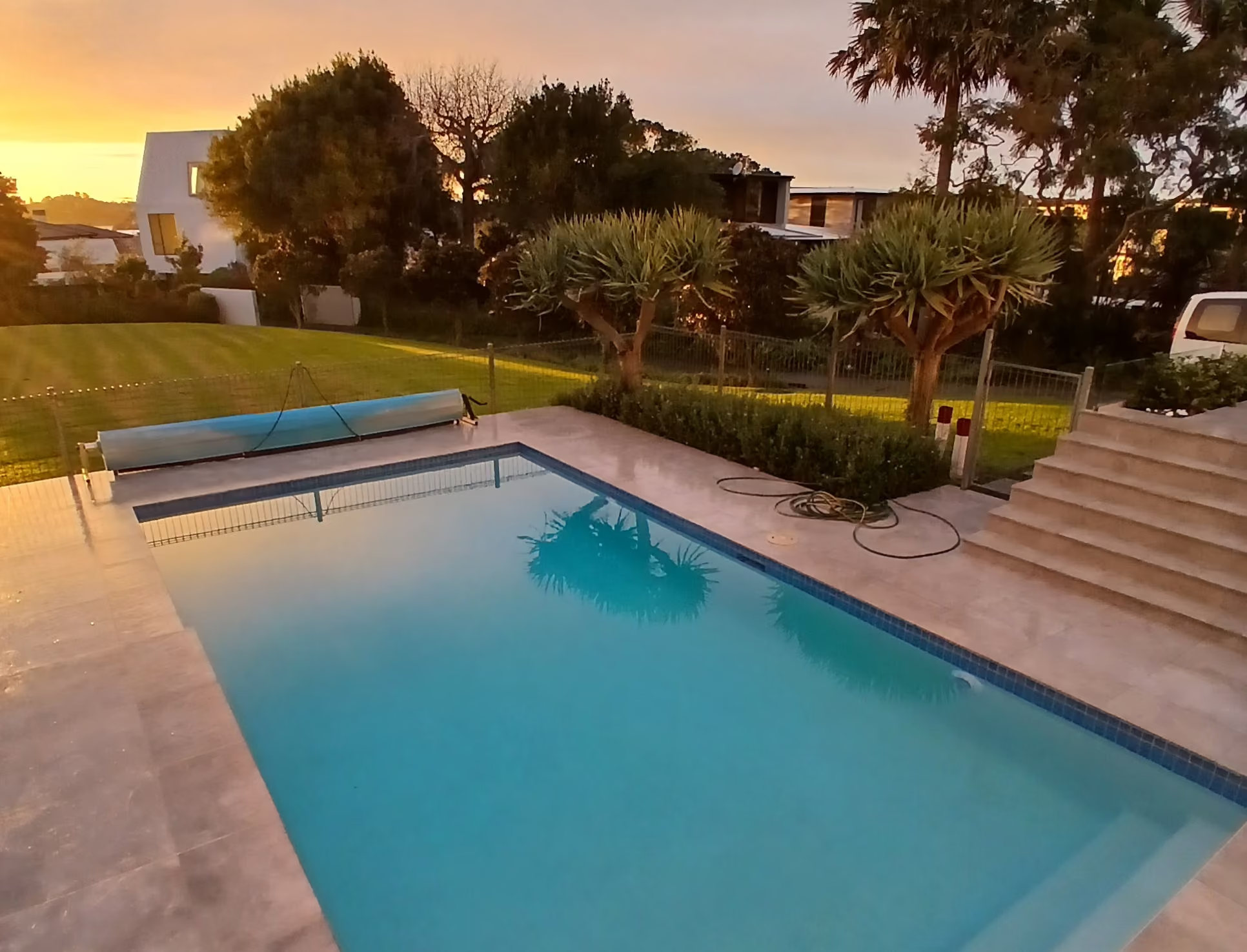
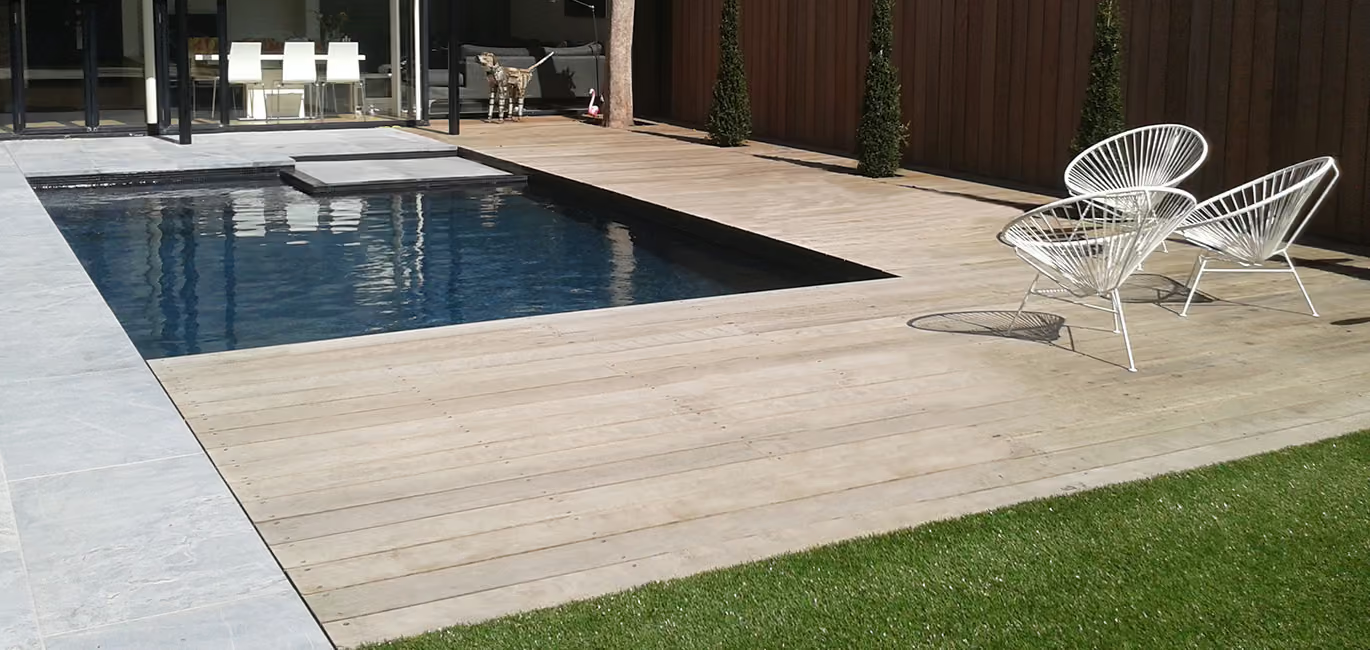
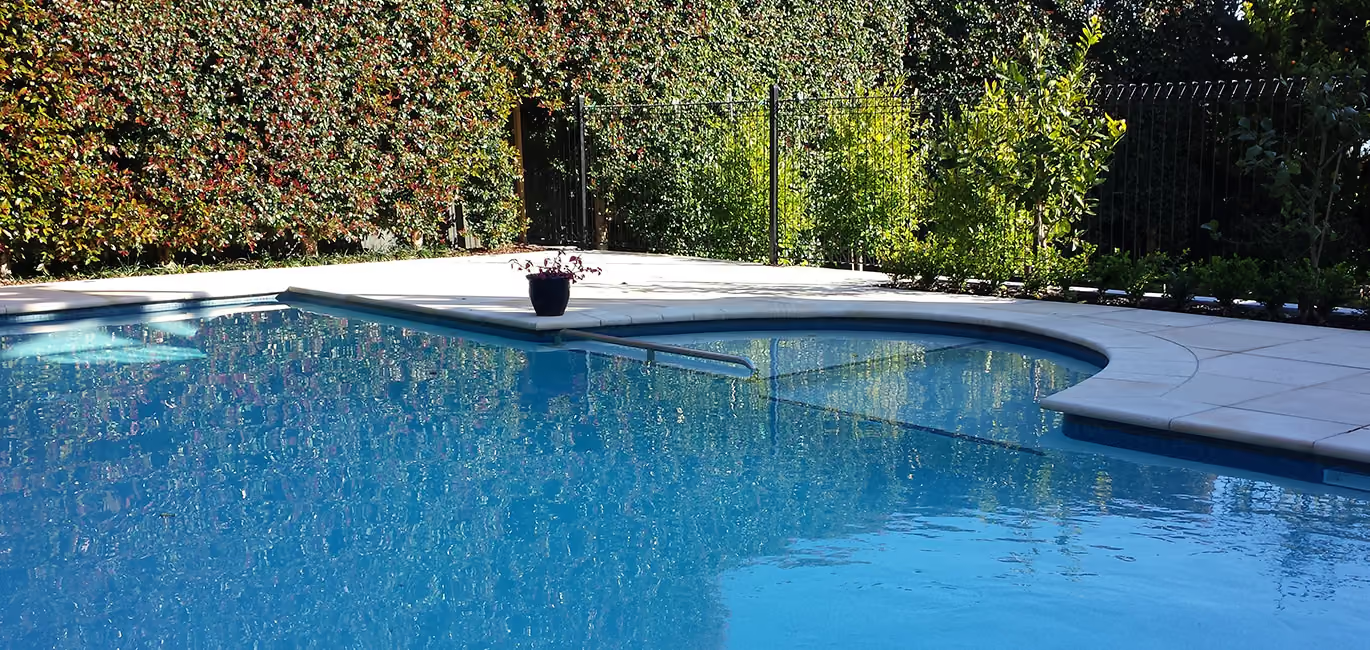
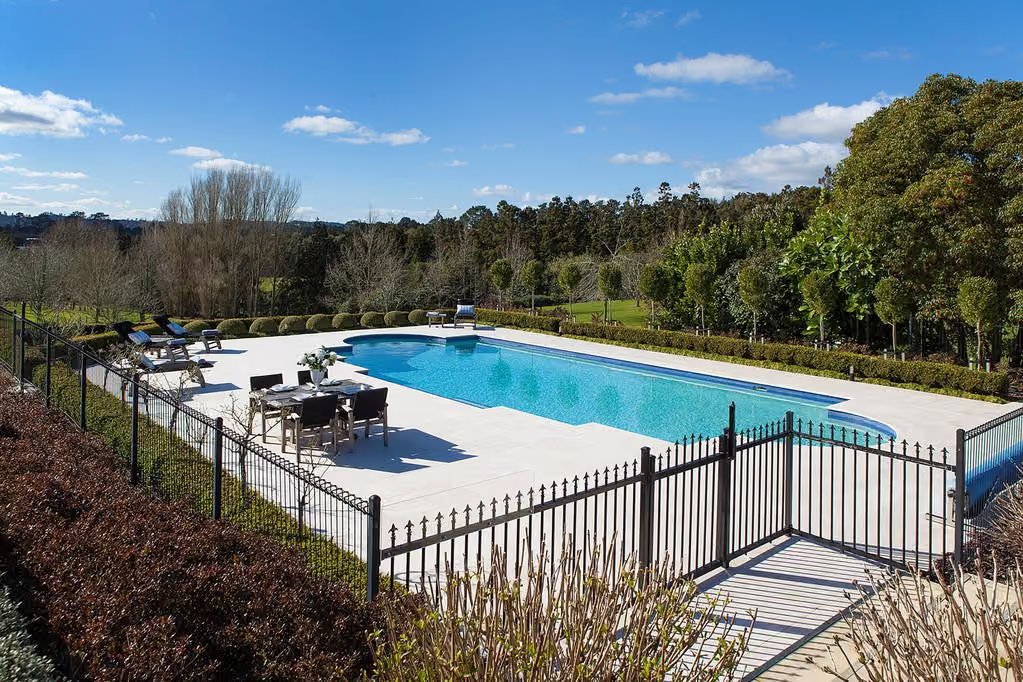
Sparkling Pools has worked on pools across Auckland, including residential renovation projects, equipment upgrades, ongoing maintenance and pool care for managed properties. Past projects show how the right approach can improve presentation, water quality and day-to-day usability. A well-maintained pool is easier to manage, more pleasant to use and better prepared for seasonal changes.
Trusted by Homeowners Across Auckland
Don't just take our word for it. Read what our clients have to say about our transparent communication, reliable service, and stunning pool transformations.
Related Blog Posts
Stay informed on pool care and renovations
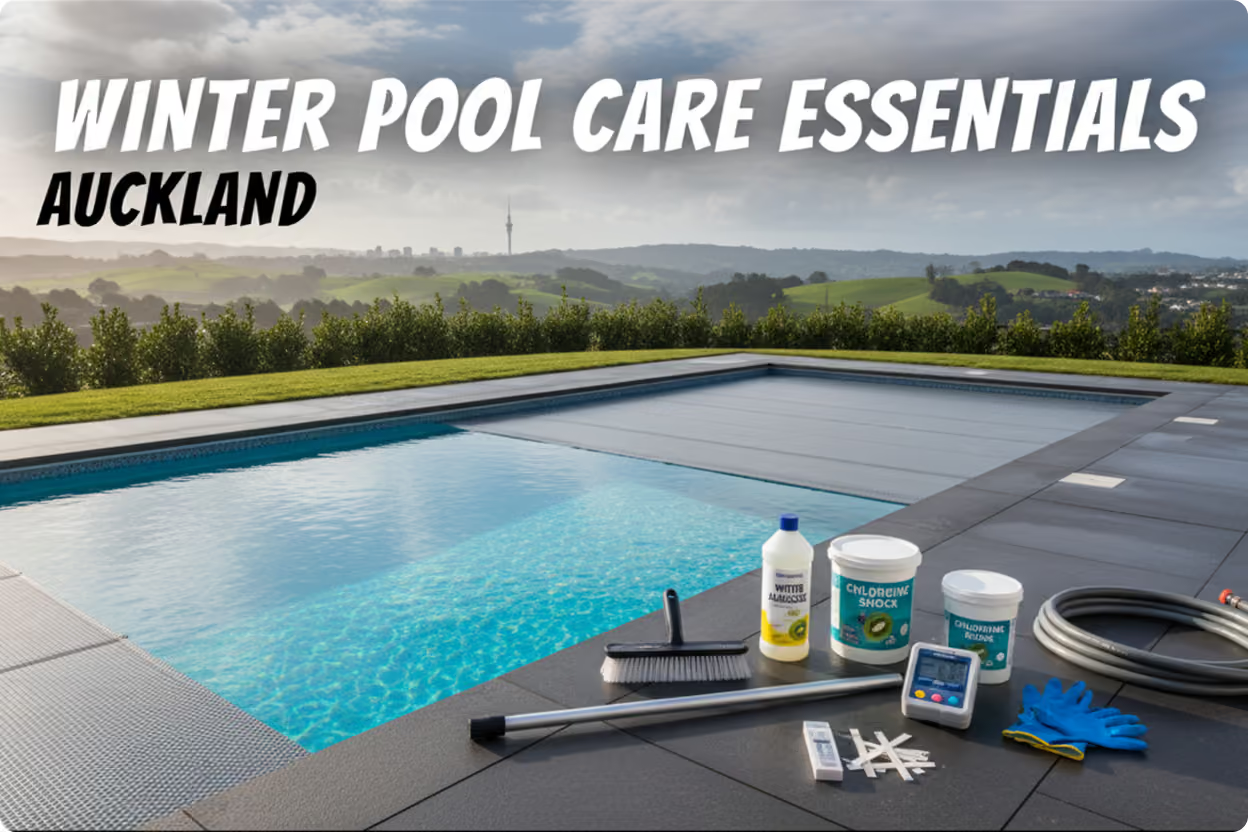
Winter pool care essentials for Auckland
Pool Renovation Mistakes

Auckland Climate Pool Maintenance

Choosing Renovation Contractor
Pool Care Auckland Summer
Permits & Consents

Pool Renovation ROI
How Often to Test Pool Water
Pool Renovation Costs
Cost of Pool Service Auckland
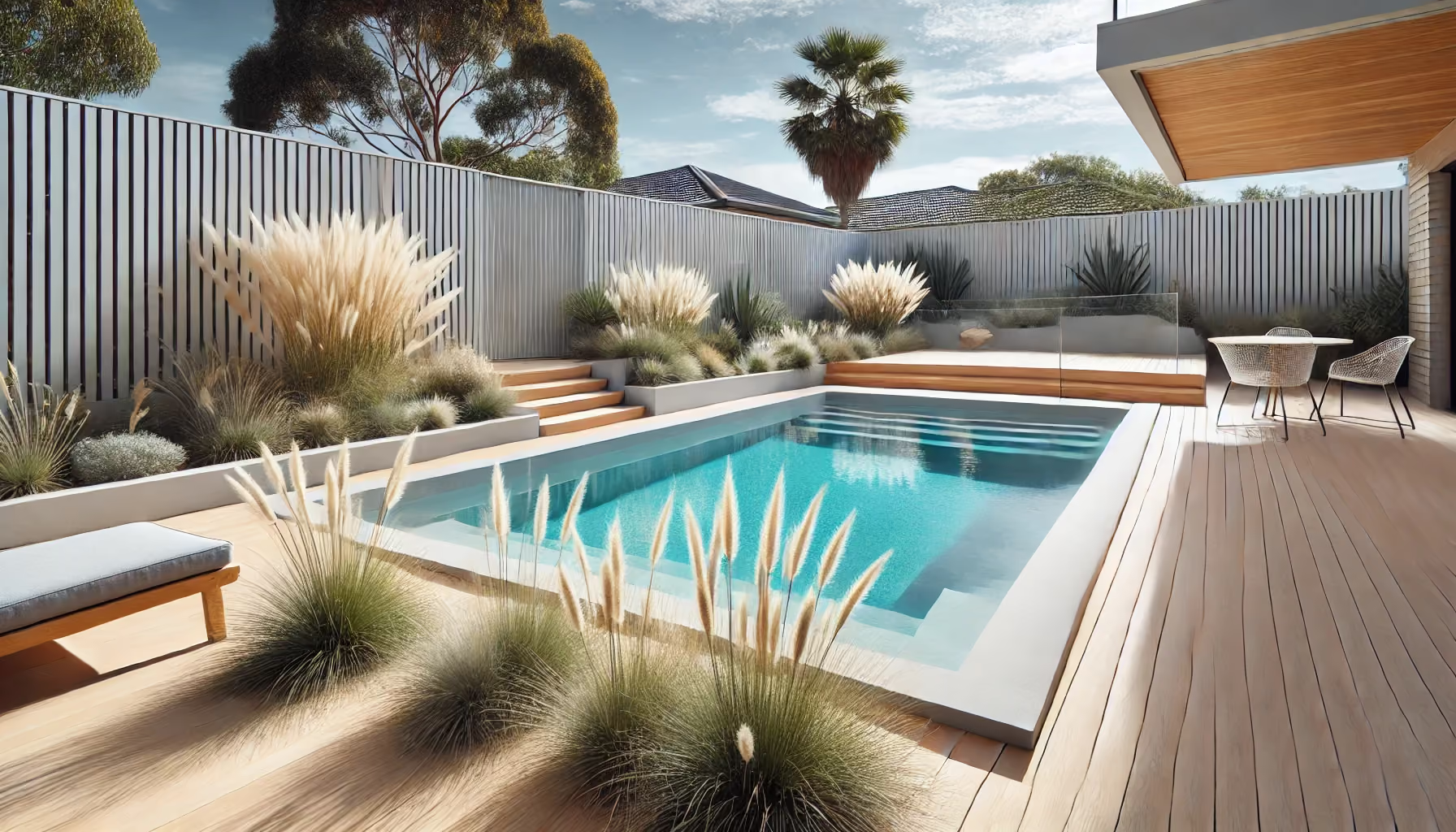
Pool Renovation Planning Guide
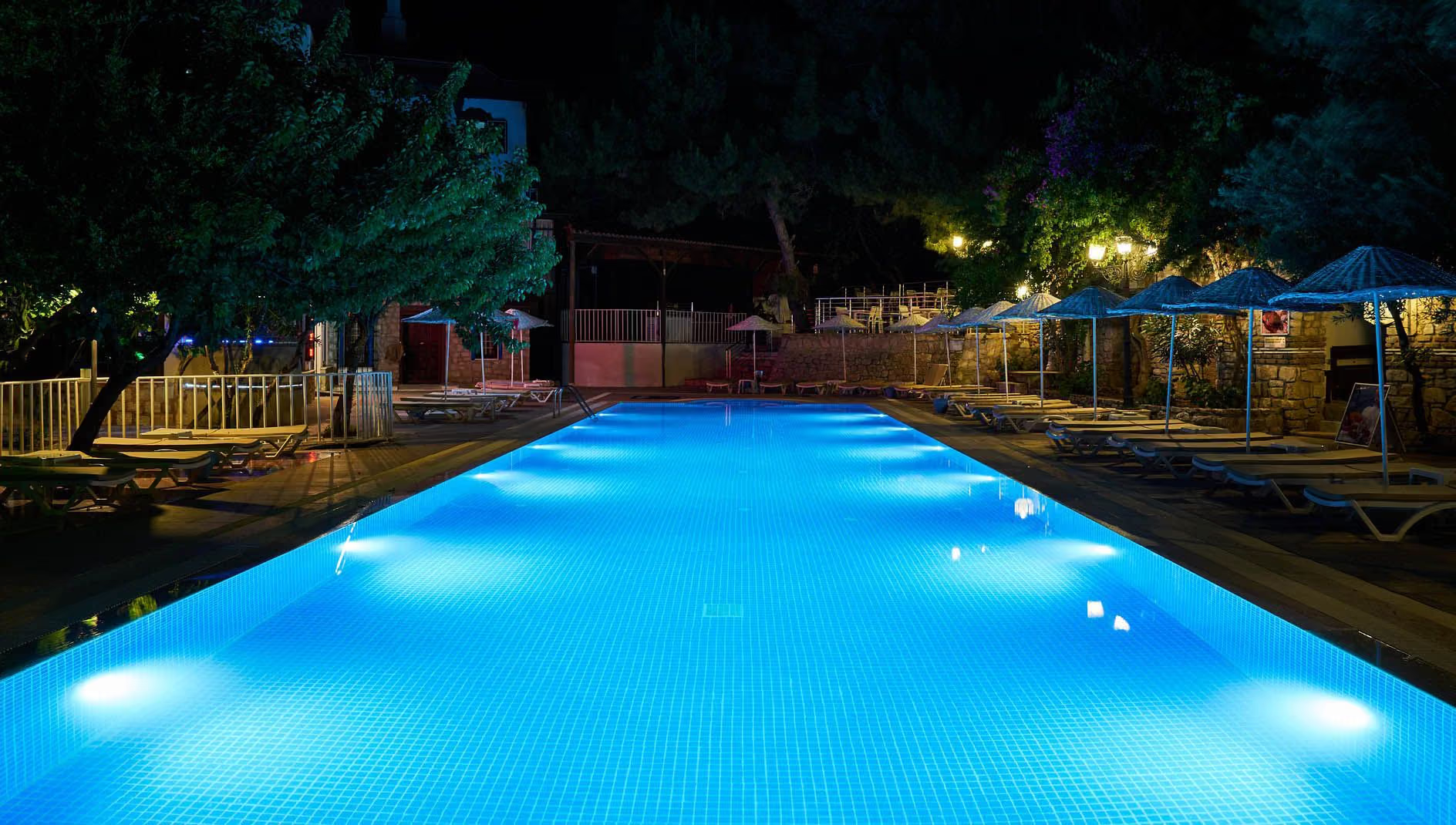
Pool Lighting Buying Guide
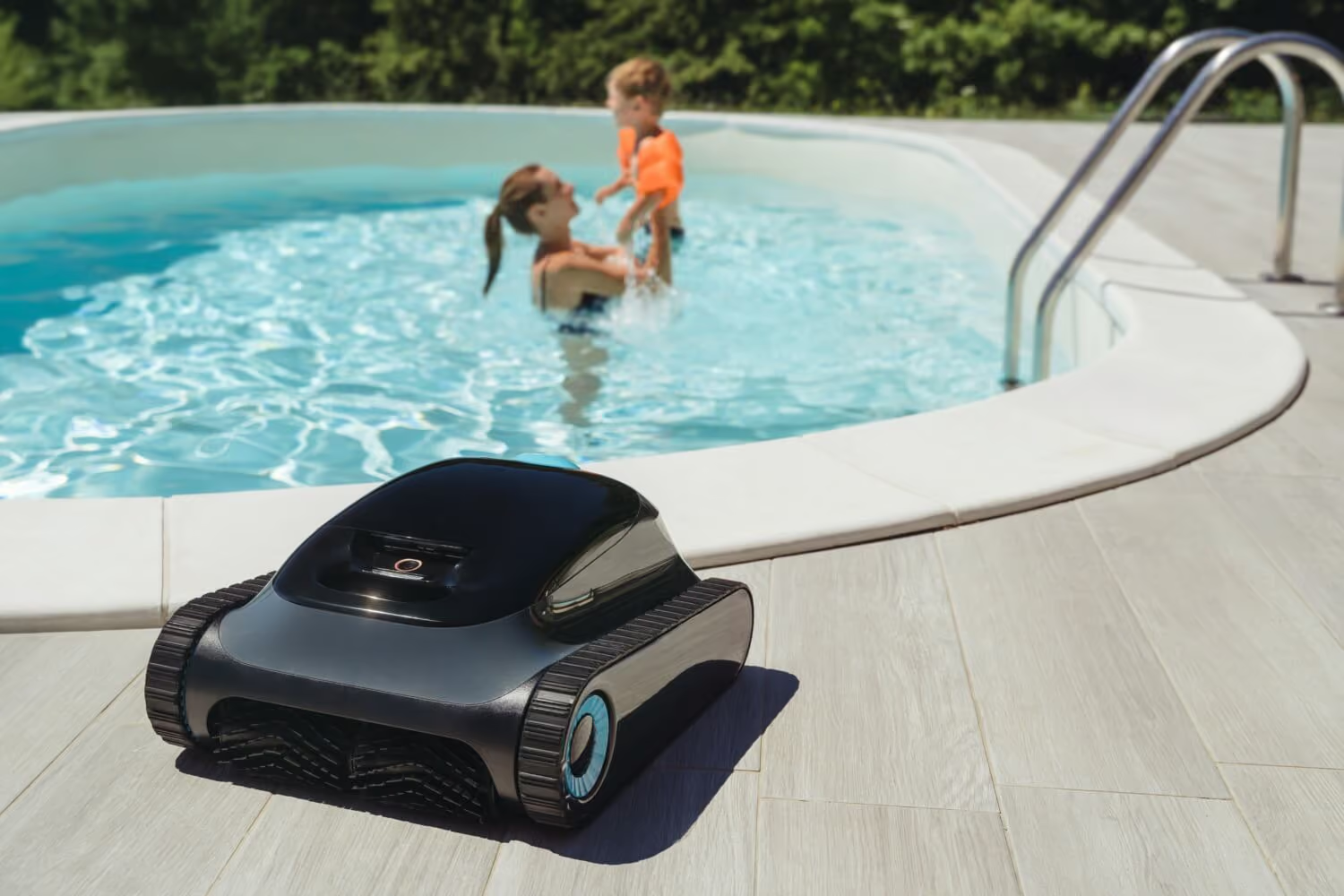
Pool Cleaner Buying Guide
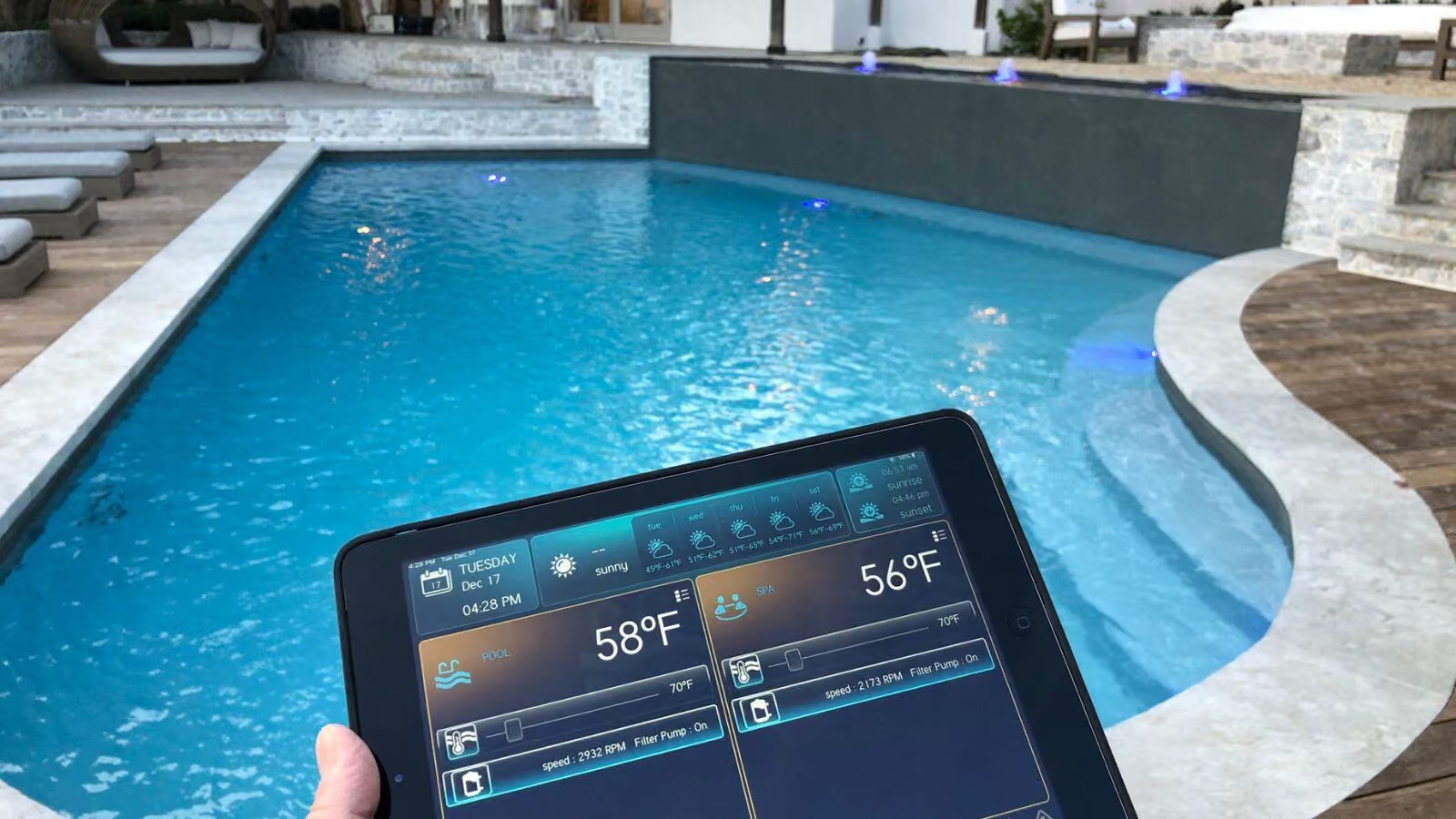
Pool Automation Buying Guide
Pool Heater Buying Guide
Pool Filter Buying Guide
Pool Pump Buying Guide
Best Equipment Auckland Climate
Auckland Water Quality
Auckland Pool Season
Pool Ownership Costs
Common Pool Mistakes
Pool Safety Laws
Pool Inspection Requirements
Pool Fence Compliance
.avif)
Auckland Pool Industry Trends
Auckland Pool Regulations
Pool Equipment Suppliers
Best Pool Service Areas
Pool Service Pricing Analysis
Company vs Independent
Best Pool Surface Materials
Pool Resurfacing Options
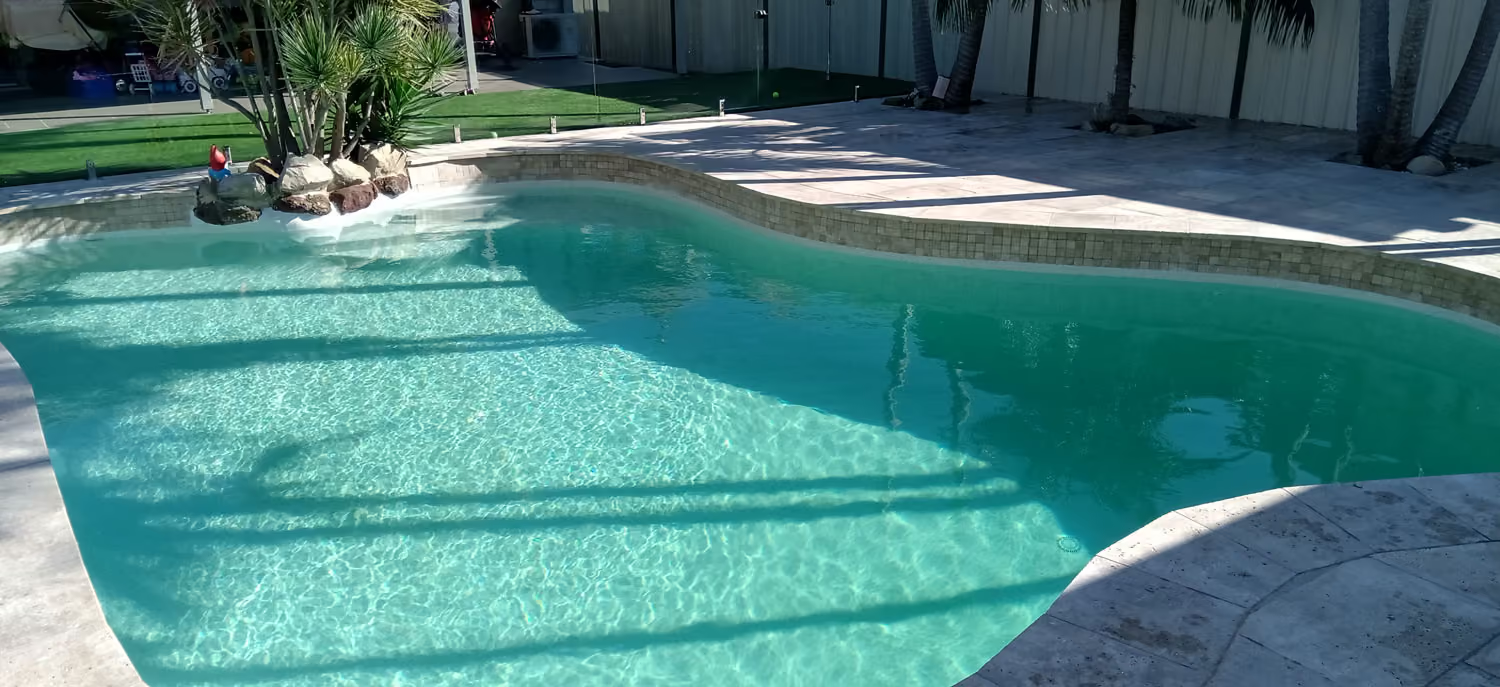
Pebble vs Plaster Surfaces
One-Time vs Ongoing Service
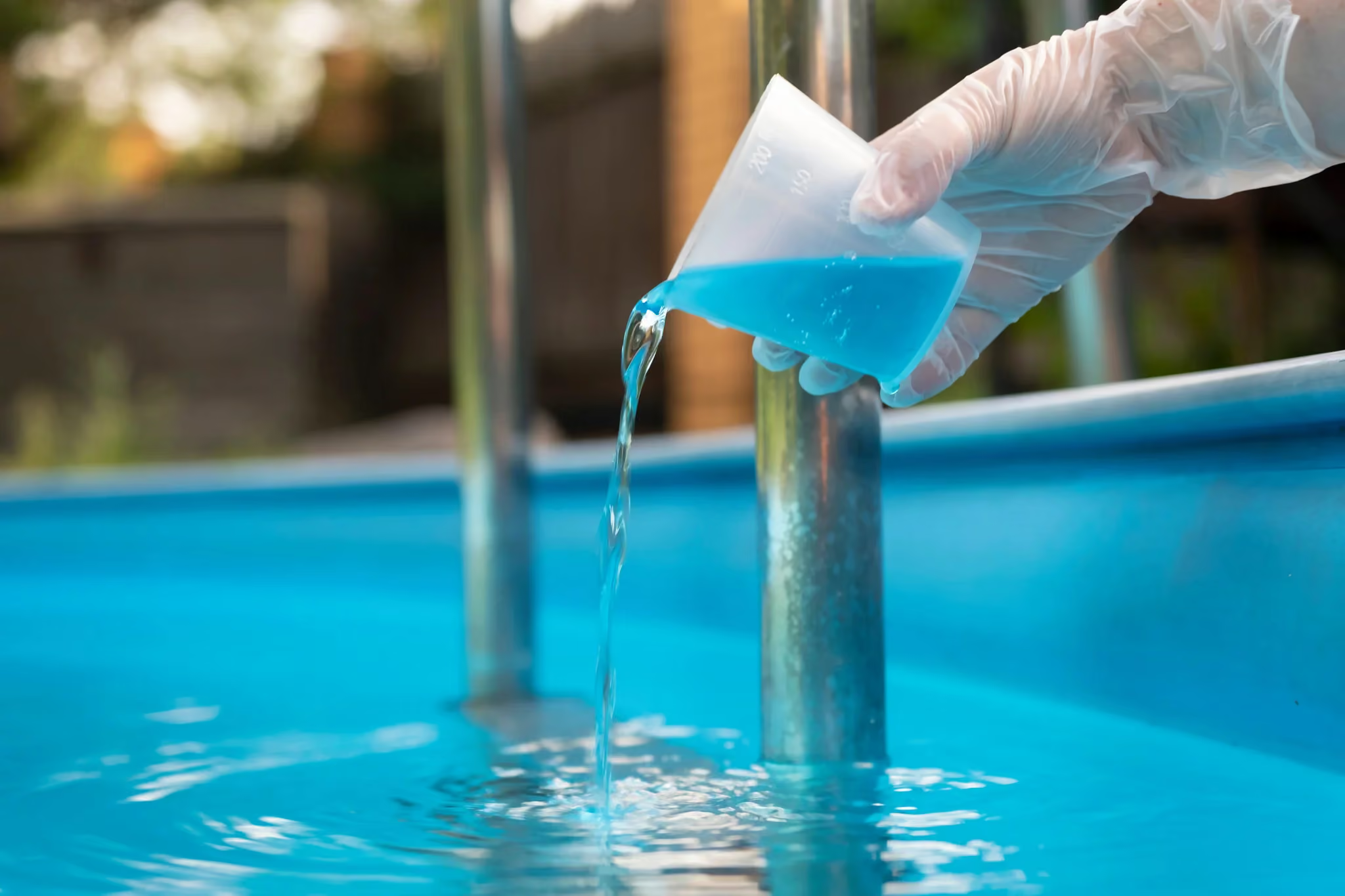
Full Service vs Chemicals Only
Pool Cover Types
Robotic vs Suction Cleaners
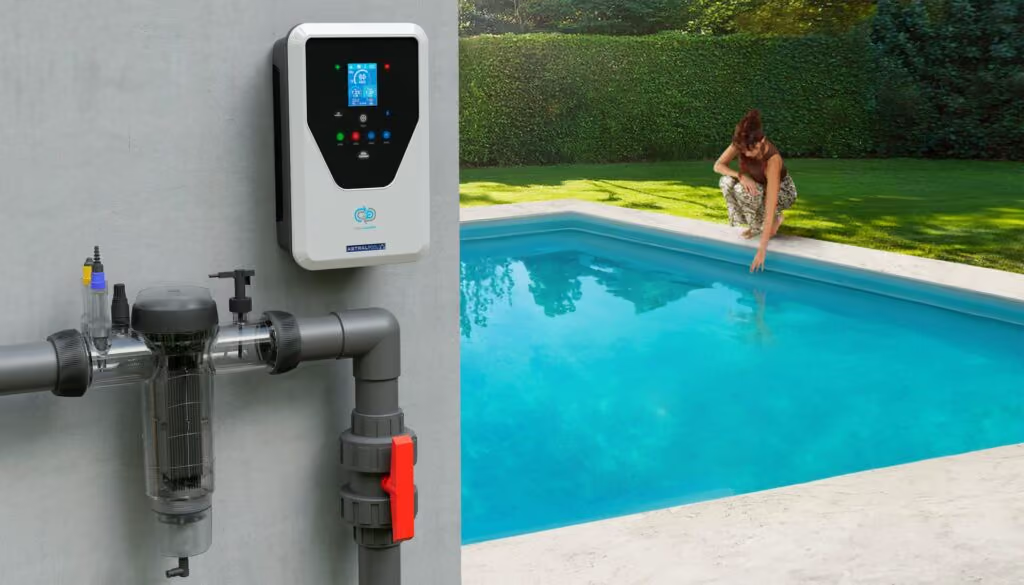
Mineral vs Saltwater
Gas vs Heat Pump
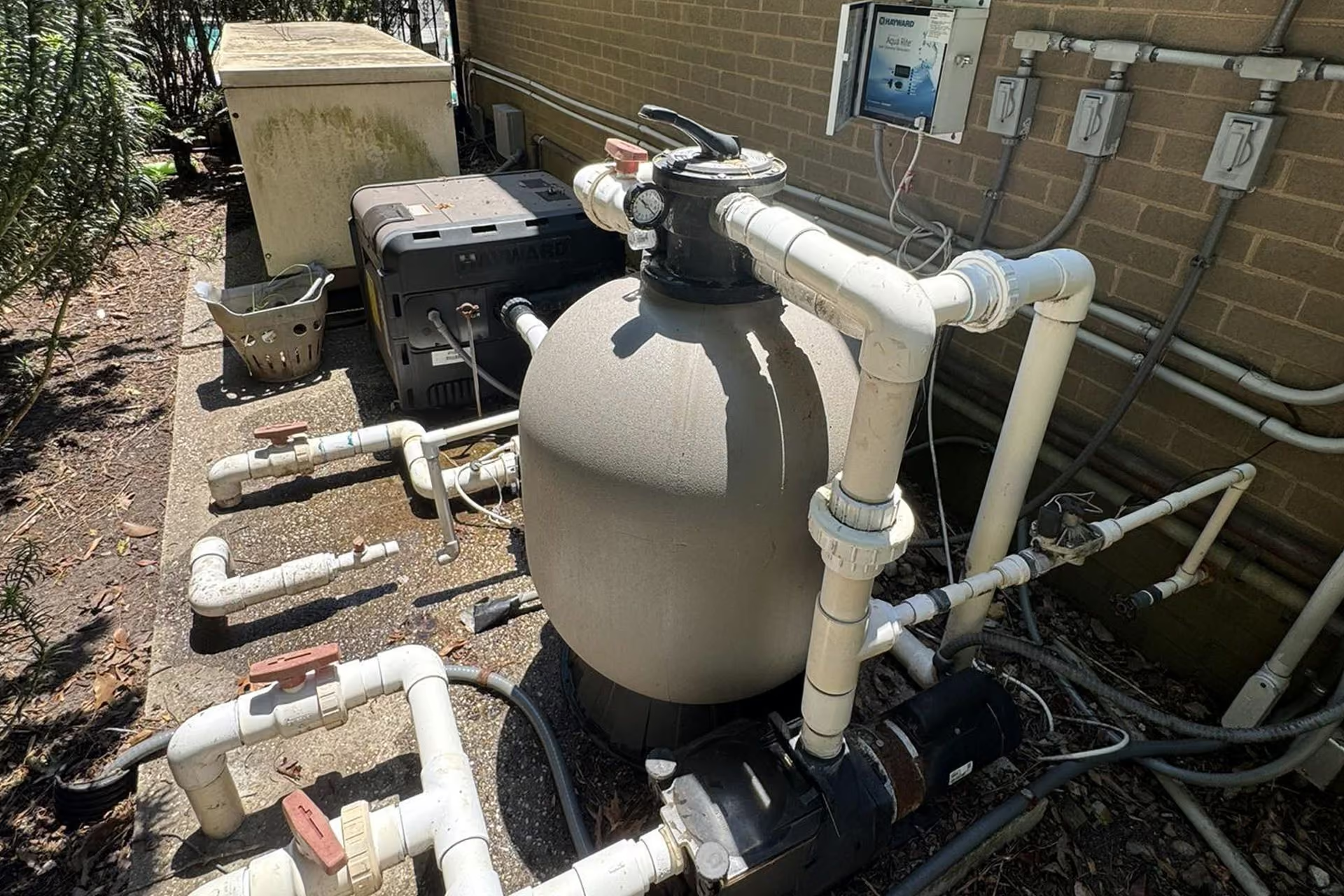
Pool Heater Types
Pool Winterizing Guide Auckland
Pool Opening Guide Summer
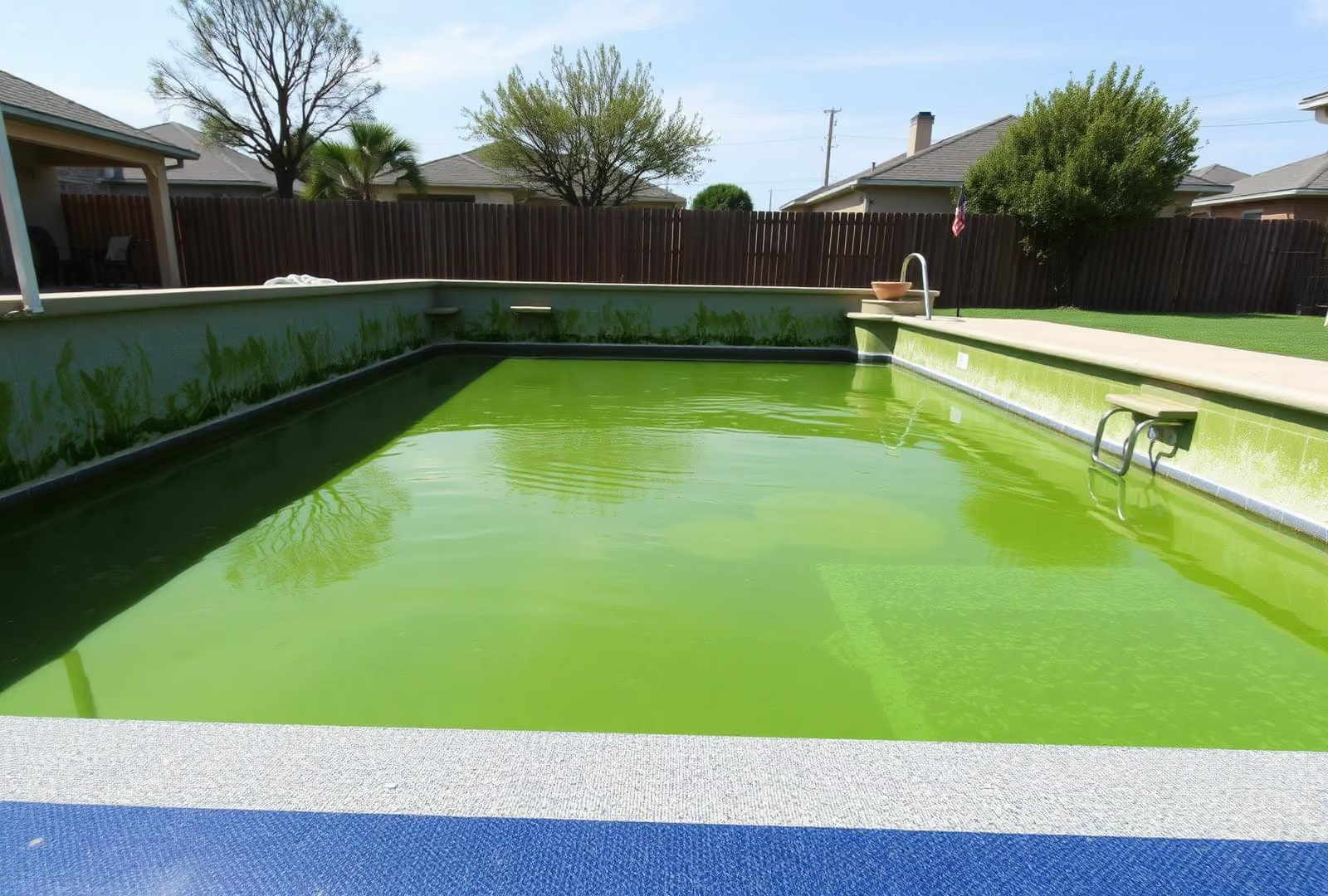
Pool Maintenance After Heavy Rain
Pool Maintenance Schedule
How Often to Run Pool Filter
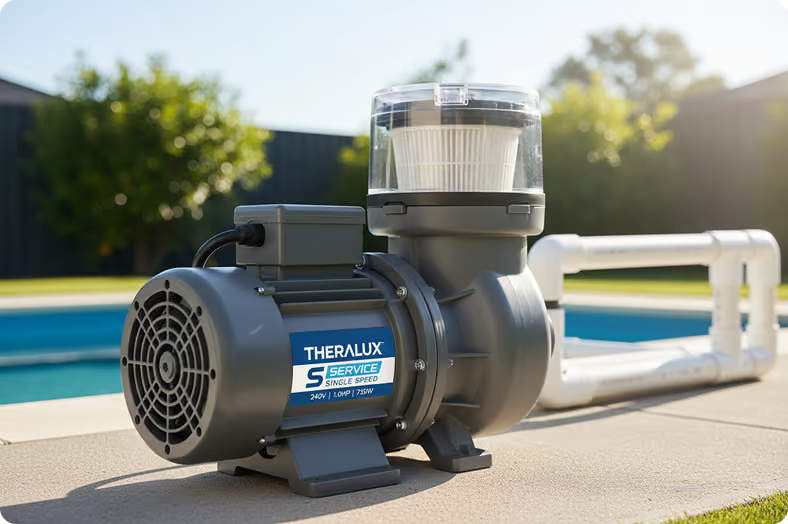
Pool Pump Maintenance Schedule
Pool Filter Cartridge Cleaning
Pool Equipment Maintenance Checklist
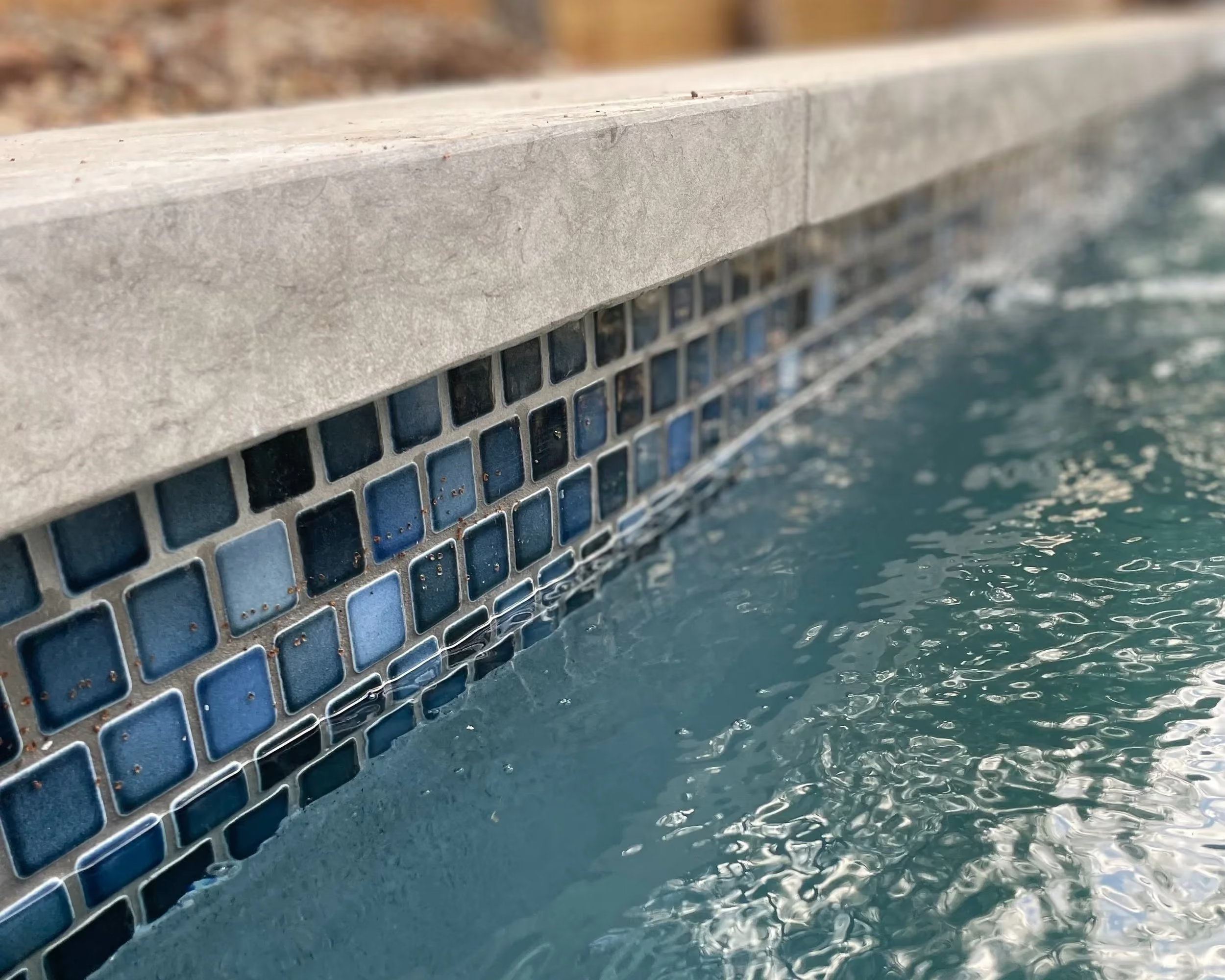
Pool Waterline Cleaning
Pool Skimmer Basket Cleaning
Pool Chlorine Levels
How Often Clean Pool Filter
How to Vacuum Pool
Pool Brushing Technique
Pool Chemical Dosing Chart
Pool Water Chemistry Basics
How to Balance Pool Chemistry
How to Test Pool Water
Pool Maintenance Tips
Complete Pool Maintenance Guide
Pool Service ROI
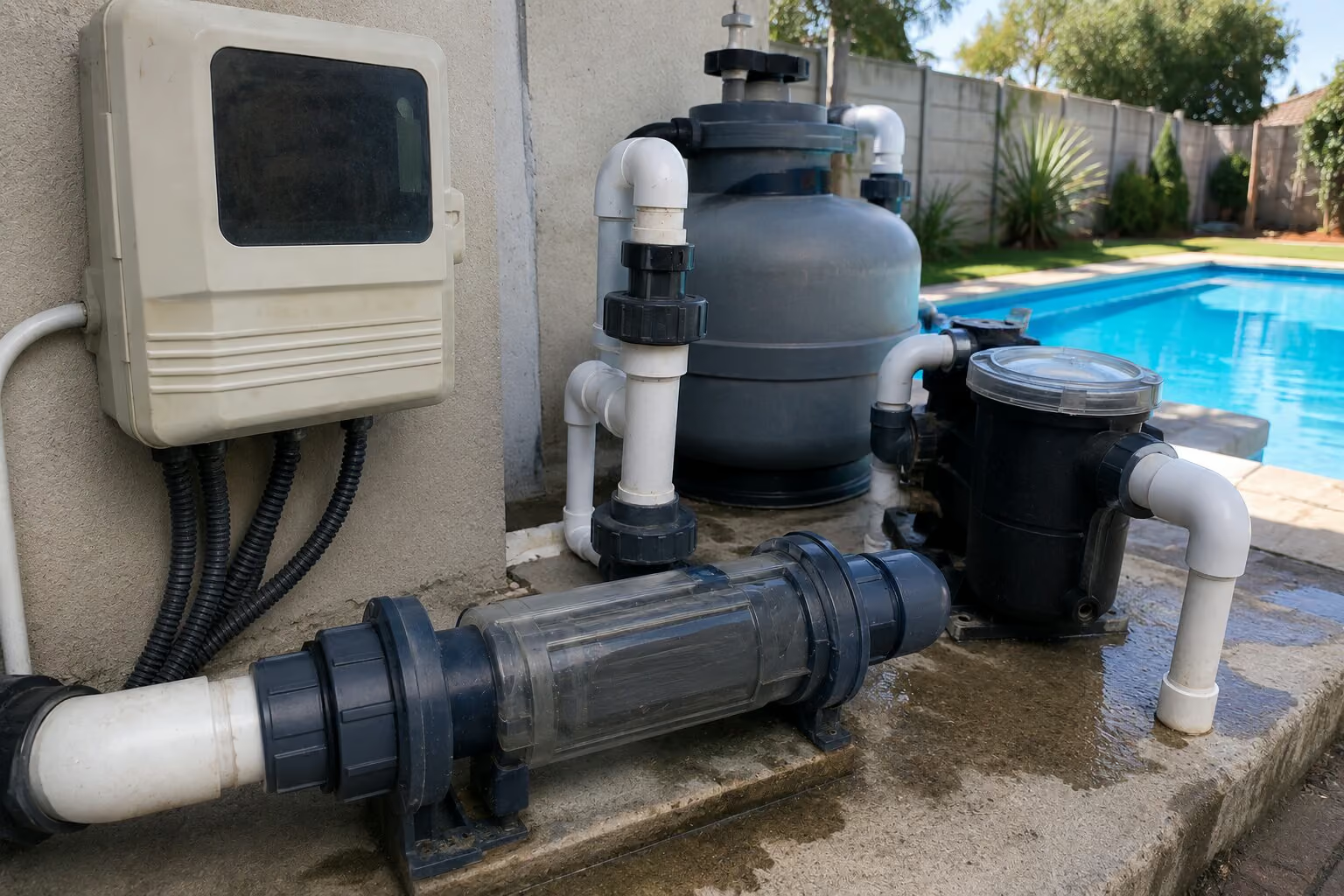
Pool Equipment Buy or Service
Pool Maintenance Time Requirements
DIY vs Professional
Pool Service Contract
Pool Service vs Pool Valet
Is Pool Service Worth It
Pool Service Guarantees
Pool Service Reviews
Pool Service Red Flags
Questions to Ask Pool Companies
How to Choose Pool Service Company
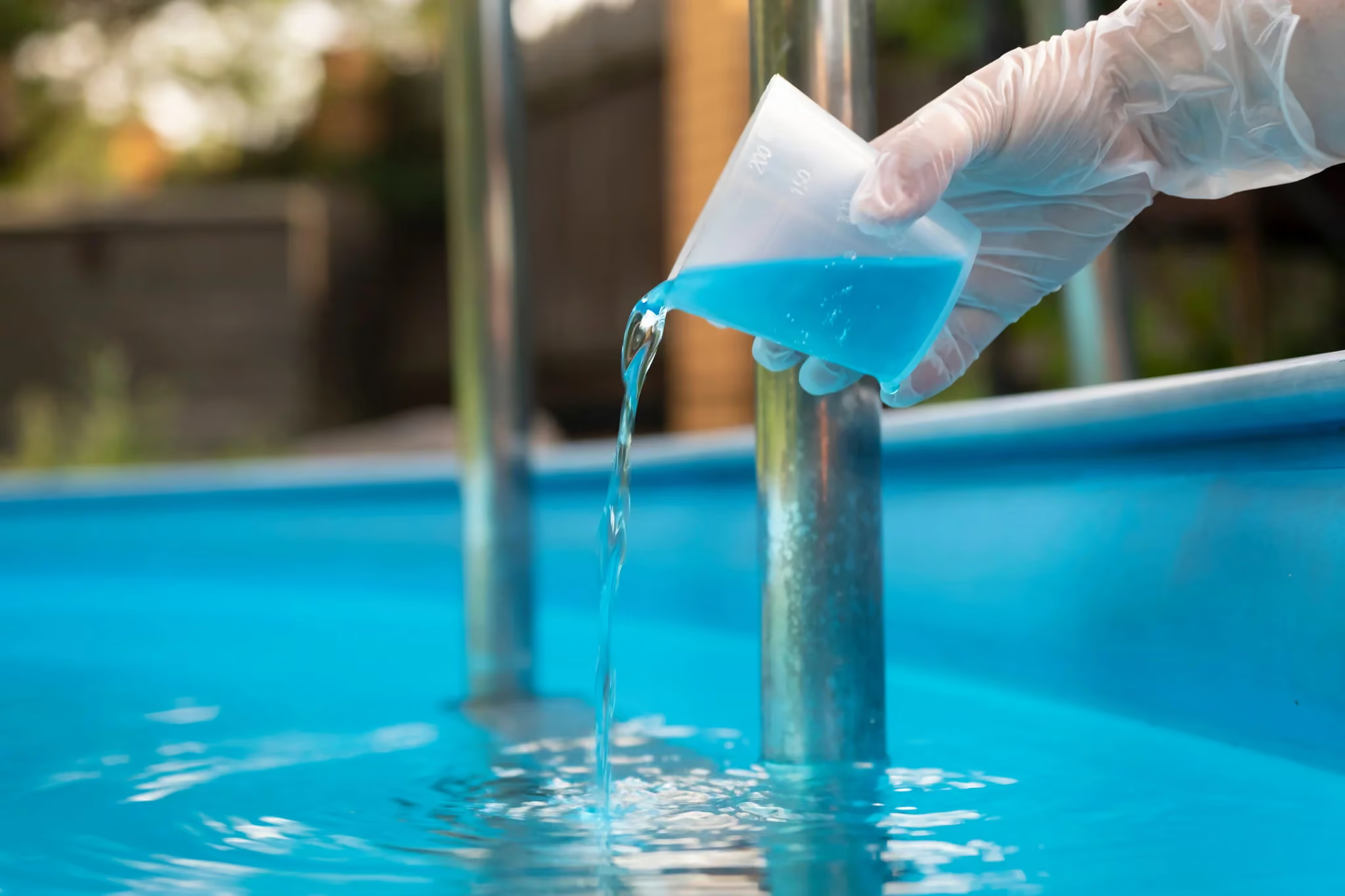
Hidden Costs DIY Maintenance
Pool Cleaning Prices Auckland
Cost of Pool Resurfacing
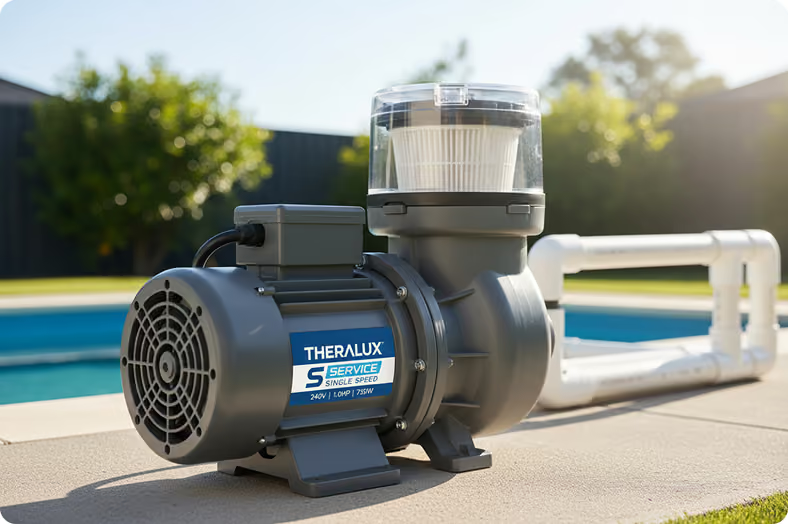
Cost of Pool Pump Replacement
Cost to Fix Green Pool
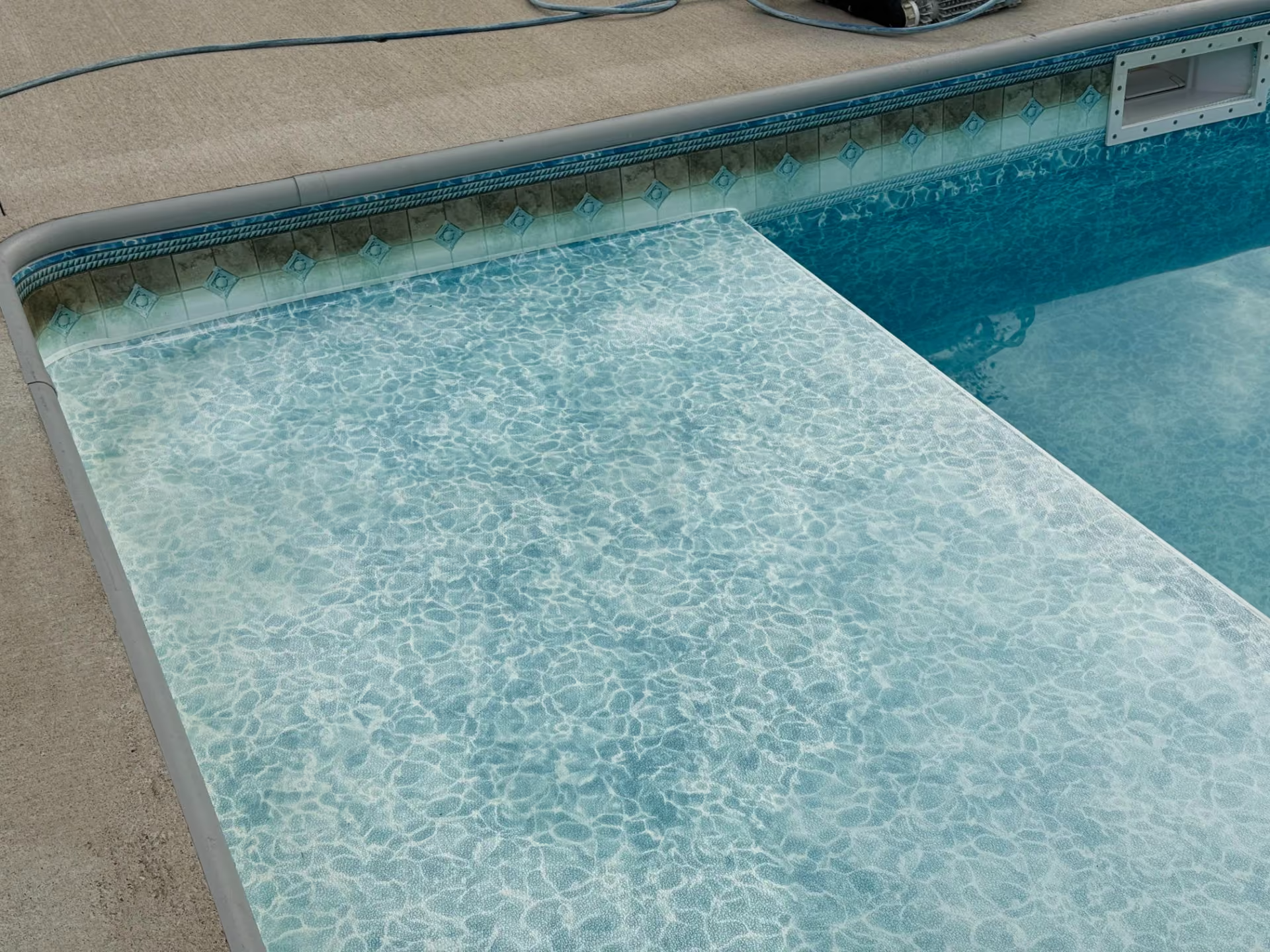
Pool Liner Wrinkles
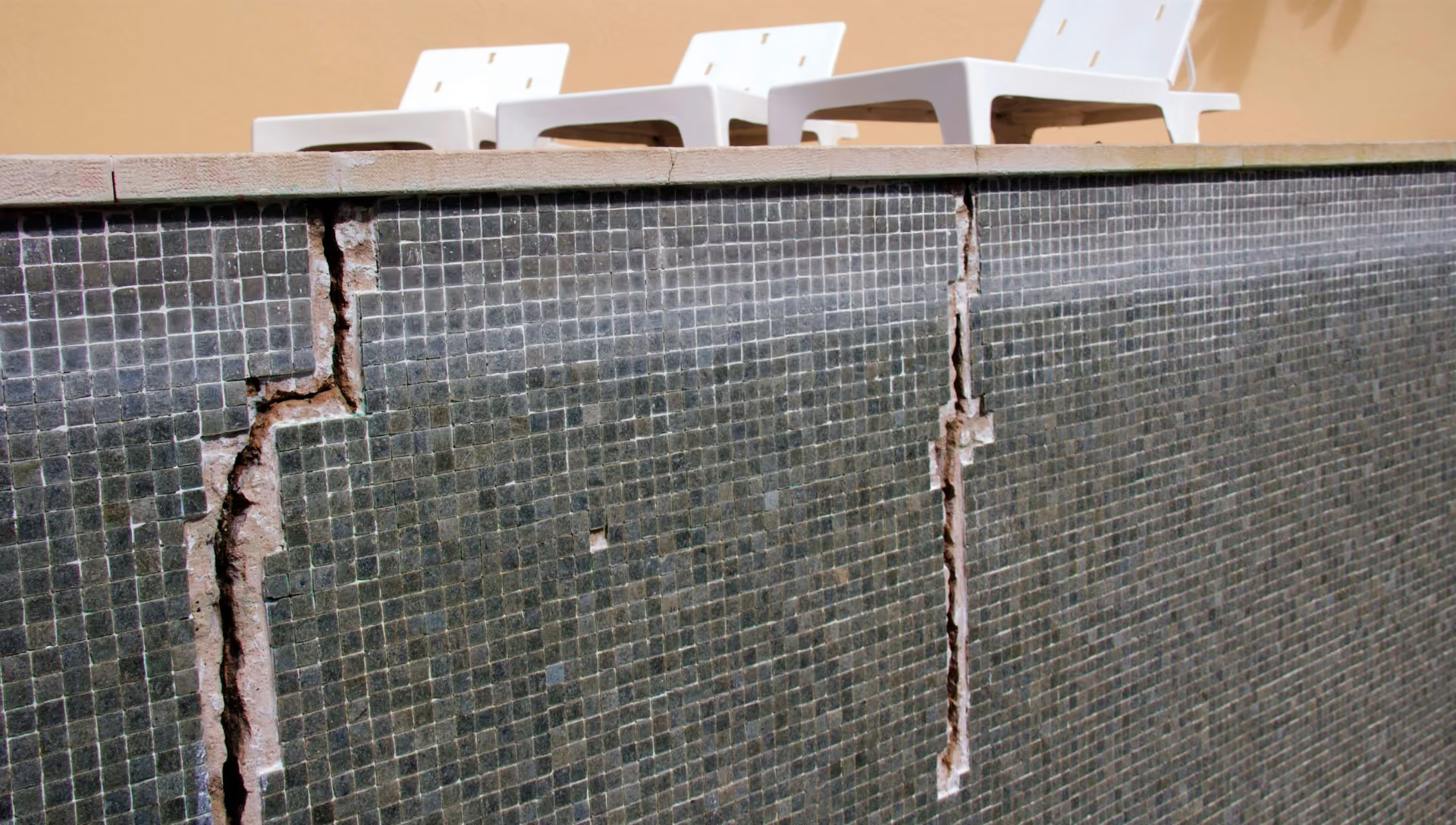
Pool Cracks When to Worry
Pool Surface Stains
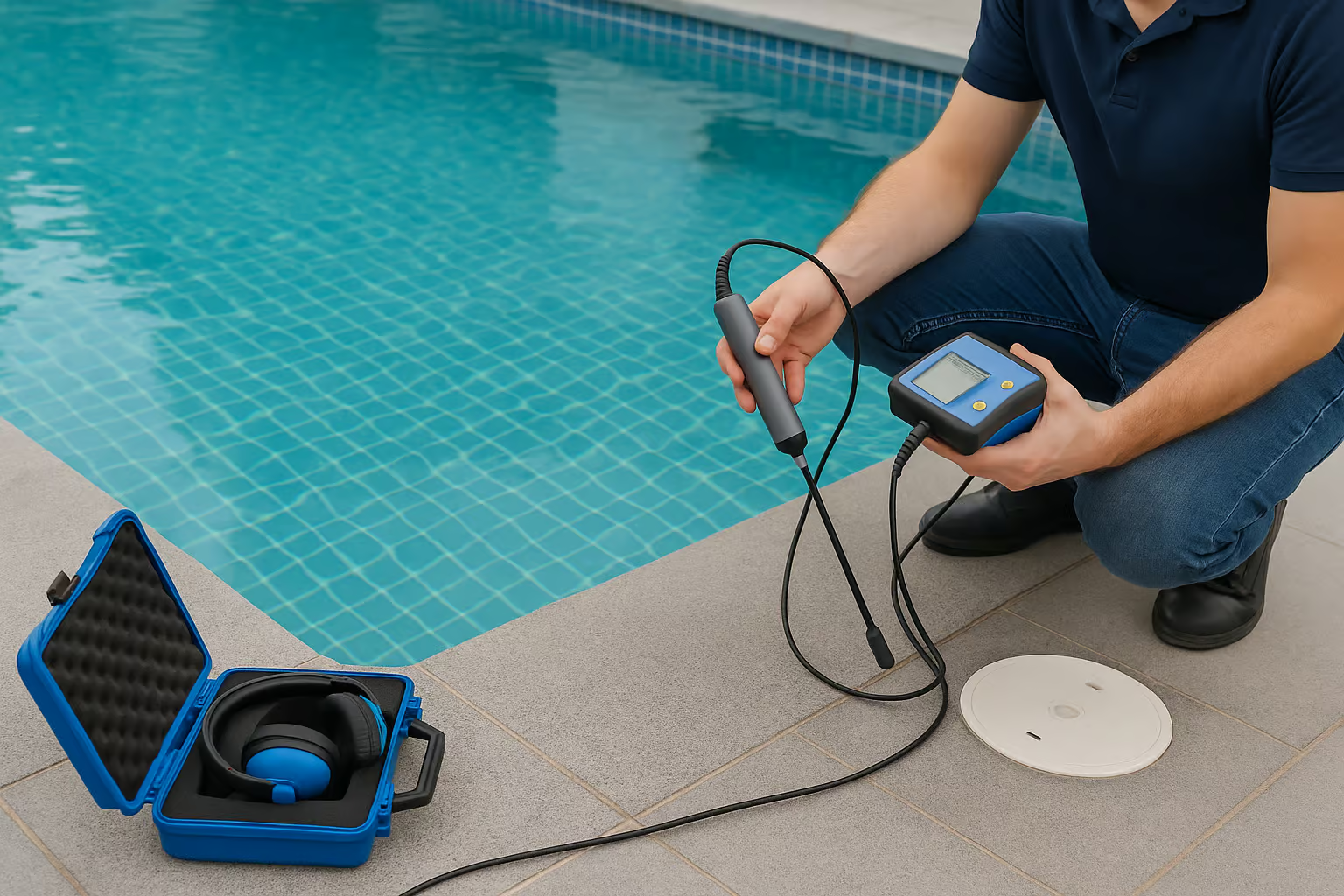
Pool Valve Leaking
Pool Automation Not Working
Pool Light Not Working
Pool Heater Not Heating
Pool Skimmer Not Working
High Pool Filter Pressure
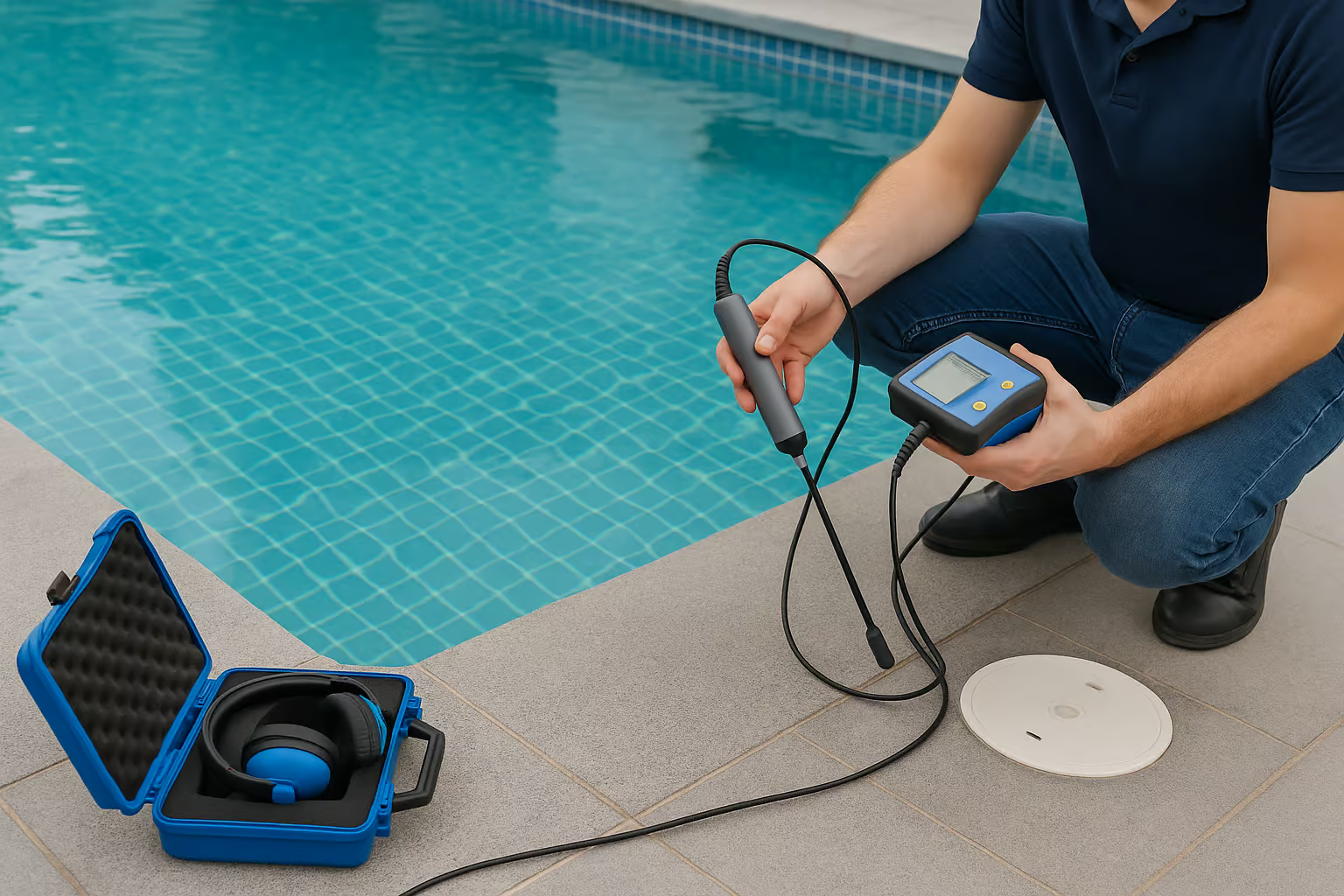
Pool Losing Water
Pool Filter Not Clearing Water
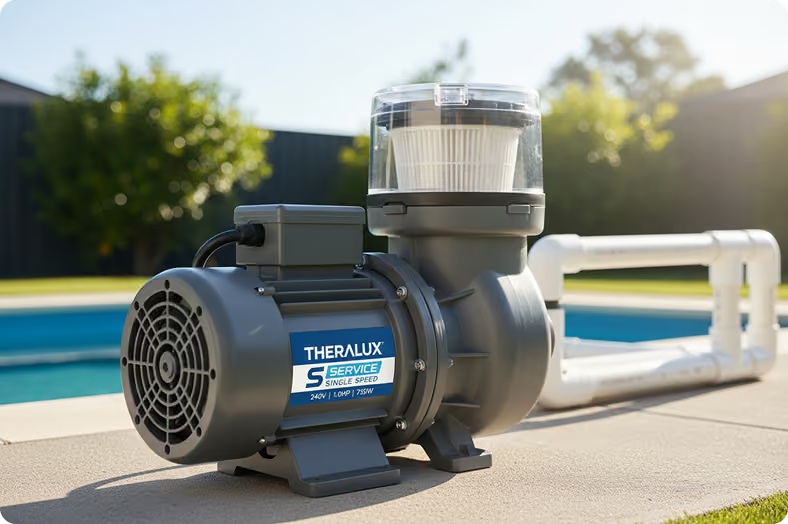
Pool Pump Leaking
Pool Pump Not Pumping
Pool Pump Losing Prime
Pool Pump Noisy
Pool Pump Not Working
Pool Water Foaming
Pool pH Too Low
Pool pH Too High
Green Pool After Rain
Pool Still Green After Shock
Pool Water Cloudy
How to Clear a Green Pool
Pool Care That Protects Your Investment
Good pool care protects more than appearance. Our pool specialists support the long-term condition of your swimming pool while keeping it ready for everyday use.