Pool Replastering Auckland
Worn, stained or rough pool surfaces restored with professional replastering, giving your pool a clean finish and a longer working life.
Quick Overview: Pool Replastering Auckland
Pool replastering is one of the most effective ways to restore an ageing or deteriorating pool. Over time, plaster surfaces crack, stain, and roughen, making the pool uncomfortable to use and harder to keep clean. Sparkling Pools provides professional replastering services across Auckland for residential and managed properties.
The work is done properly, from surface preparation through to the finished coat, so your pool looks good and holds up well over time. Whether your pool needs a straightforward replaster or a full surface renewal, the team can assess what's required and get it done.
Why Auckland Pool Owners Choose Sparkling Pools
What Is Pool Replastering?
Pool plaster is the interior surface coating that lines your pool shell. It keeps the structure watertight, provides a smooth finish underfoot, and gives the water that clean, bright appearance. Like any surface exposed to water, chemicals, and constant use, plaster wears down over time.
Replastering means removing the old, deteriorated surface and applying a fresh coat, restoring the pool to a clean, functional condition.
Signs Your Pool Needs Replastering
Not sure if your pool is due for a replaster? These are the most common indicators:
- Rough or abrasive surface, plaster that scratches feet or legs has worn thin
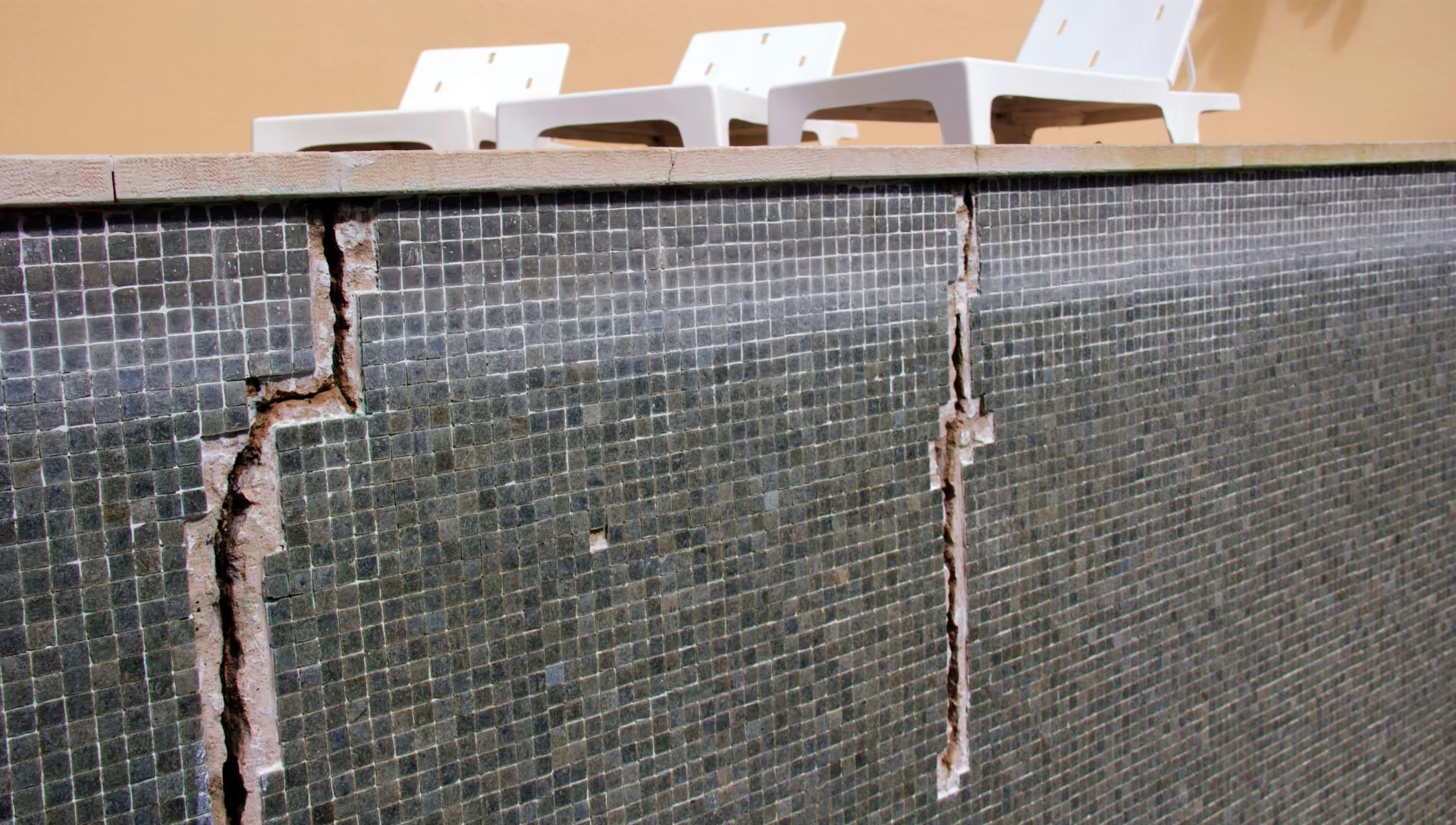
- Visible cracks or chips, structural surface damage that allows water to seep into the shell
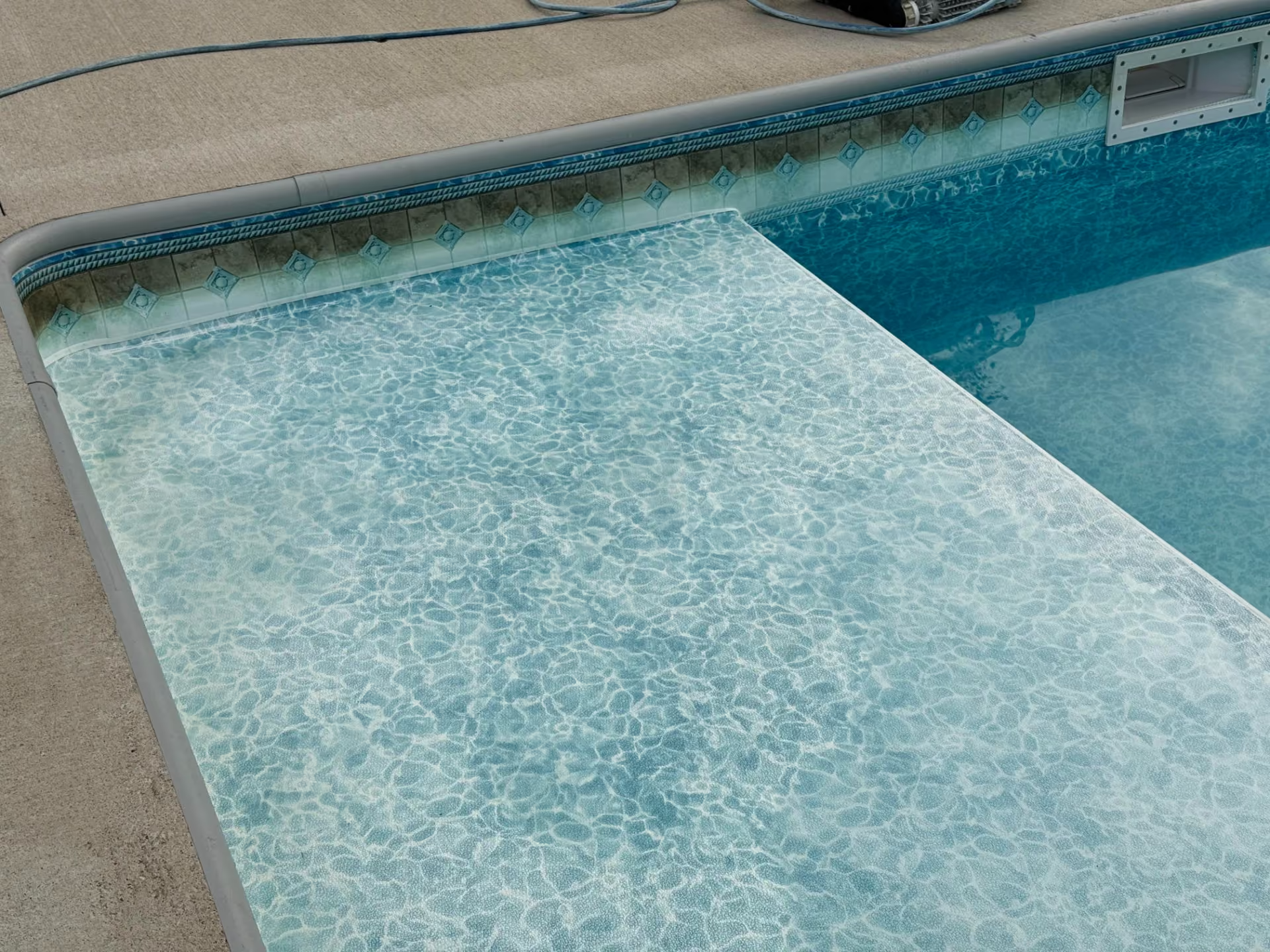
- Persistent staining, discolouration that doesn't respond to cleaning or chemical treatment
- Peeling or flaking plaster, sections lifting away from the shell
- Dull or faded appearance, the pool has lost its clean, bright look
- Difficulty maintaining water chemistry, a porous surface can interfere with chemical balance
If you're seeing one or more of these signs, it's worth getting the surface assessed before the problem worsens.
How Pool Replastering Works
Replastering is not simply painting over the old surface. Done properly, it involves thorough preparation and careful application to ensure the new plaster bonds correctly and lasts.
Surface Preparation
The existing plaster is removed or prepared down to a sound base. Any cracks, hollow spots, or structural issues in the shell are addressed at this stage. Skipping preparation is the most common reason replaster jobs fail early, Sparkling Pools does not cut corners here.
Application
Fresh plaster is applied evenly across the pool interior. The type of finish, standard white plaster, coloured plaster, or a premium aggregate finish, is agreed with the owner beforehand. Each option has different aesthetic and durability characteristics.
Curing and Refilling
Once applied, the plaster needs time to cure correctly before the pool is refilled and brought back into service. Water chemistry is carefully managed during the startup period to protect the new surface and set it up for long-term performance.
Plaster Finish Options
Sparkling Pools can advise on the right finish for your pool based on your budget, how the pool is used, and the look you're after.
- White plaster, the traditional, cost-effective option; clean and bright
- Coloured plaster, available in a range of tones to suit your outdoor space
- Pebble or aggregate finishes, a more textured, premium surface with strong durability
Each finish has its own maintenance requirements and lifespan. The team will walk you through the options honestly so you can make an informed decision.
Who This Service Is For
Pool replastering is suitable for:
- Residential pool owners whose pool surface has aged or deteriorated
- Property managers overseeing pools at rental or managed properties
- Body corporates responsible for shared pool facilities
- Homeowners preparing to sell who want the pool looking its best
If you're unsure whether your pool needs a full replaster or a more targeted repair, Sparkling Pools can assess the surface and give you a straightforward recommendation.
Why Surface Condition Matters
A deteriorating pool surface is more than a cosmetic issue. Rough plaster is uncomfortable and can cause skin abrasions. Cracks allow water to penetrate the shell, which can lead to more serious structural damage over time. A porous or damaged surface also makes it harder to maintain stable water chemistry, which increases chemical costs and reduces swimmer comfort.
Replastering done properly protects the pool structure, makes the pool easier to maintain, and restores the appearance that makes a pool worth having.
Our Pool Replastering Process
Replastering a pool is straightforward when it's planned properly, here's what to expect.
1. Site Assessment
We inspect the existing surface, identify any underlying issues, and discuss finish options with you before providing a clear quote.
2. Surface Preparation
The old plaster is removed and the shell is prepared, cracks and defects are repaired so the new surface has a sound base to bond to.
3. Plaster Application
Fresh plaster is applied evenly across the pool interior using the finish you've chosen, with care taken at edges, steps, and fittings.
4. Cure, Fill & Startup
The pool is refilled and water chemistry is carefully managed during the curing period to protect the new surface and get your pool back in service.
Frequently Asked Questions About Pool Replastering
Read through these common questions to understand what's involved before booking your replaster.
Swimming pool resurfacing is usually recommended when the interior feels rough, looks stained, starts flaking, becomes chalky or no longer responds well to regular cleaning.
Resurfacing renews the interior finish. Pool renovations can be broader, covering tile replacement, coping updates, plastering or other improvements around the pool.
Yes. Pool refurbishment is often suitable when the pool structure is still sound, but the surface, tiles or finish have become dated, worn or harder to maintain.
Yes. Sparkling Pools provides concrete pool refurbishment and resurfacing options for concrete swimming pools, depending on the condition of the existing interior.
Concrete pool resurfacing renews the interior of a concrete pool with a suitable finish, improving the surface, appearance and long-term usability.
Yes. Pool restoration can improve pools with visible wear, staining, rough patches or ageing materials. The right approach depends on the condition of the surface and surrounding details.
No. Some pools only need resurfacing or selected finish updates. A wider swimming pool renovation may be more suitable when several areas need attention at the same time.
Sparkling Pools can advise on plaster, pebble, Hydrazzo and tiled finishes. Each option has its own look, feel and maintenance considerations.
The timeframe depends on the condition of the pool, the type of work being completed and the finish selected. Smaller refurbishment projects may take less time than a full renovation involving multiple stages of work.
The right option depends on the current surface, pool age, visible wear, budget and preferred finish. Sparkling Pools can assess the pool and recommend a practical pathway for resurfacing, plastering or renovation.
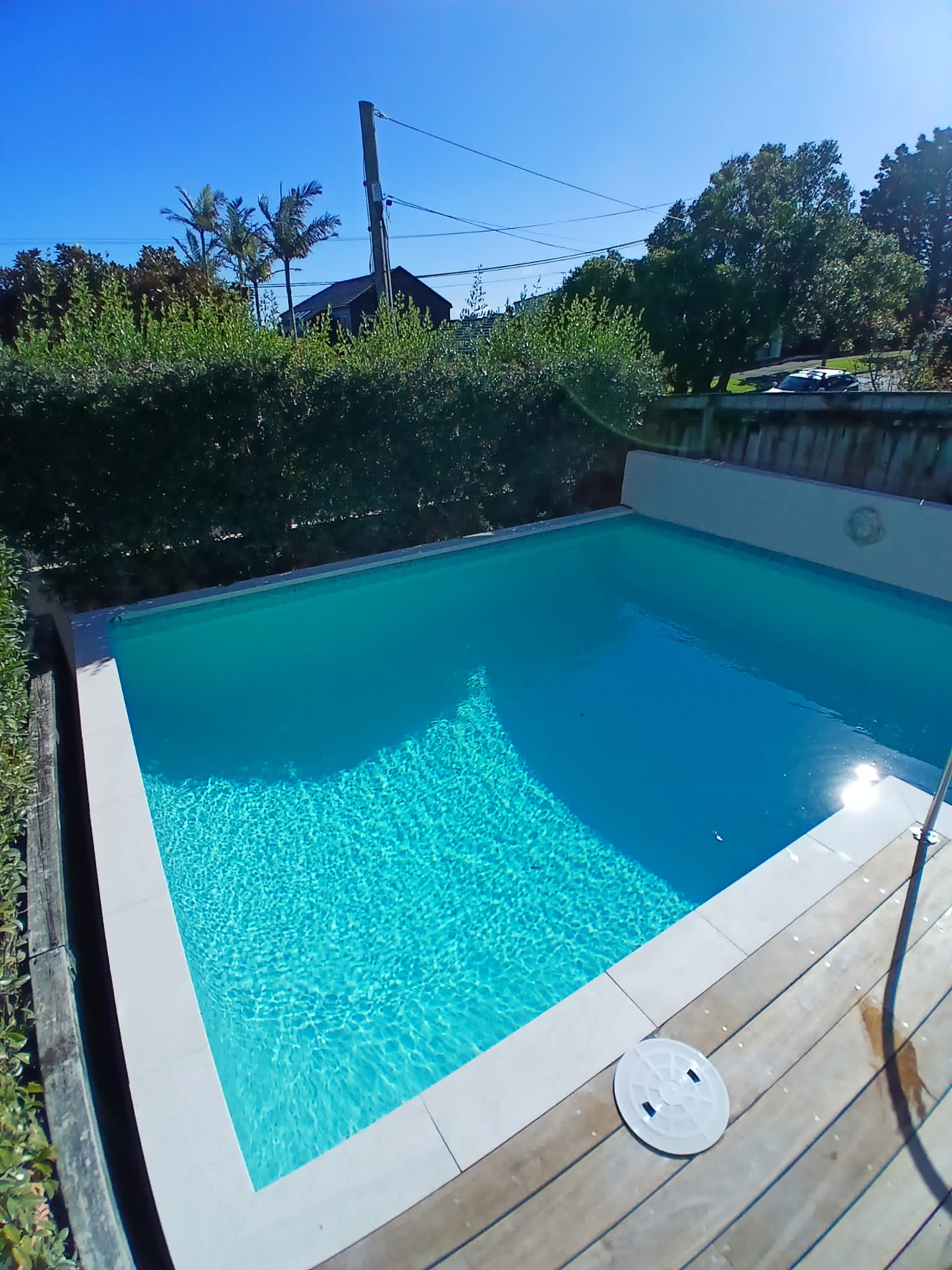
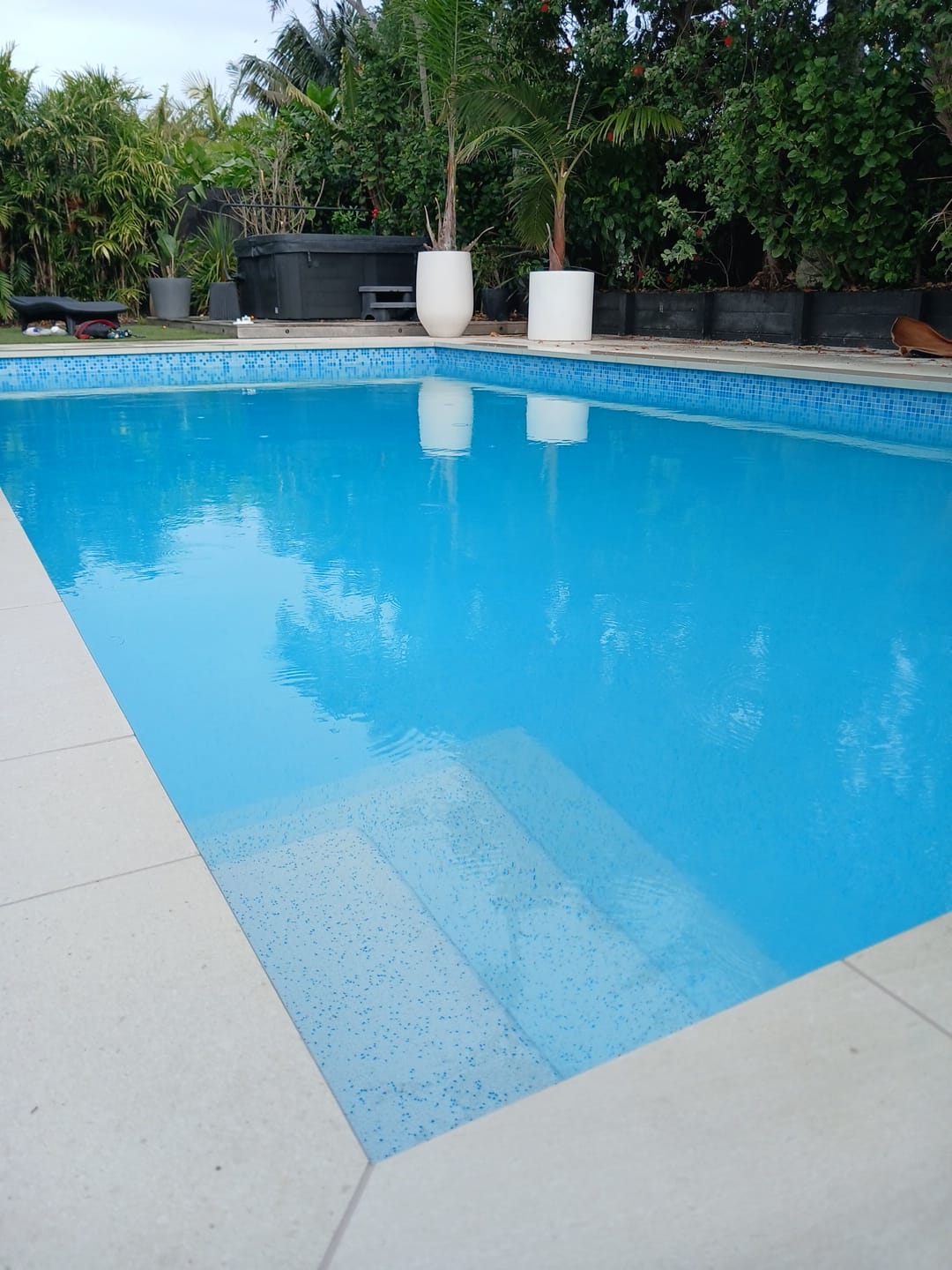
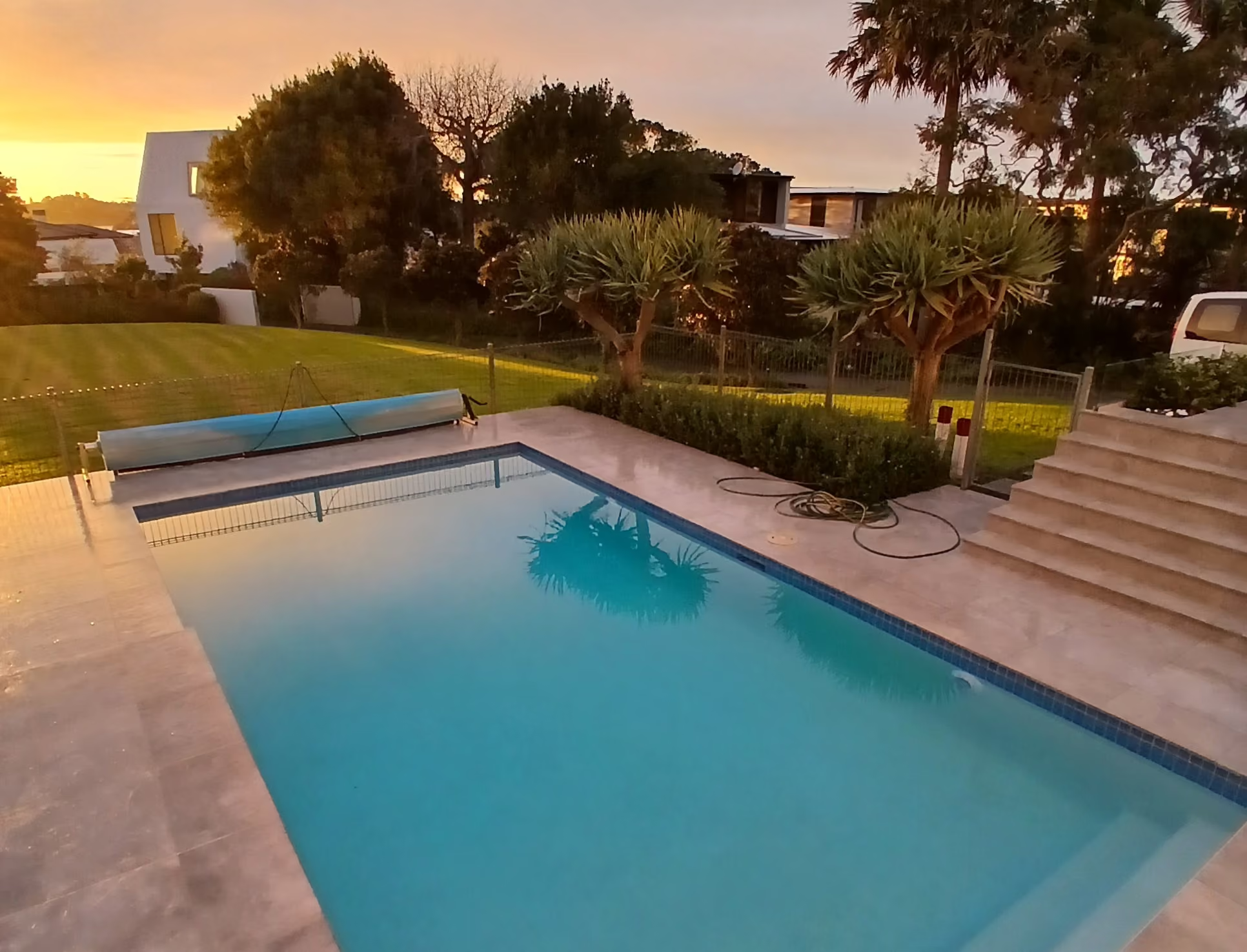
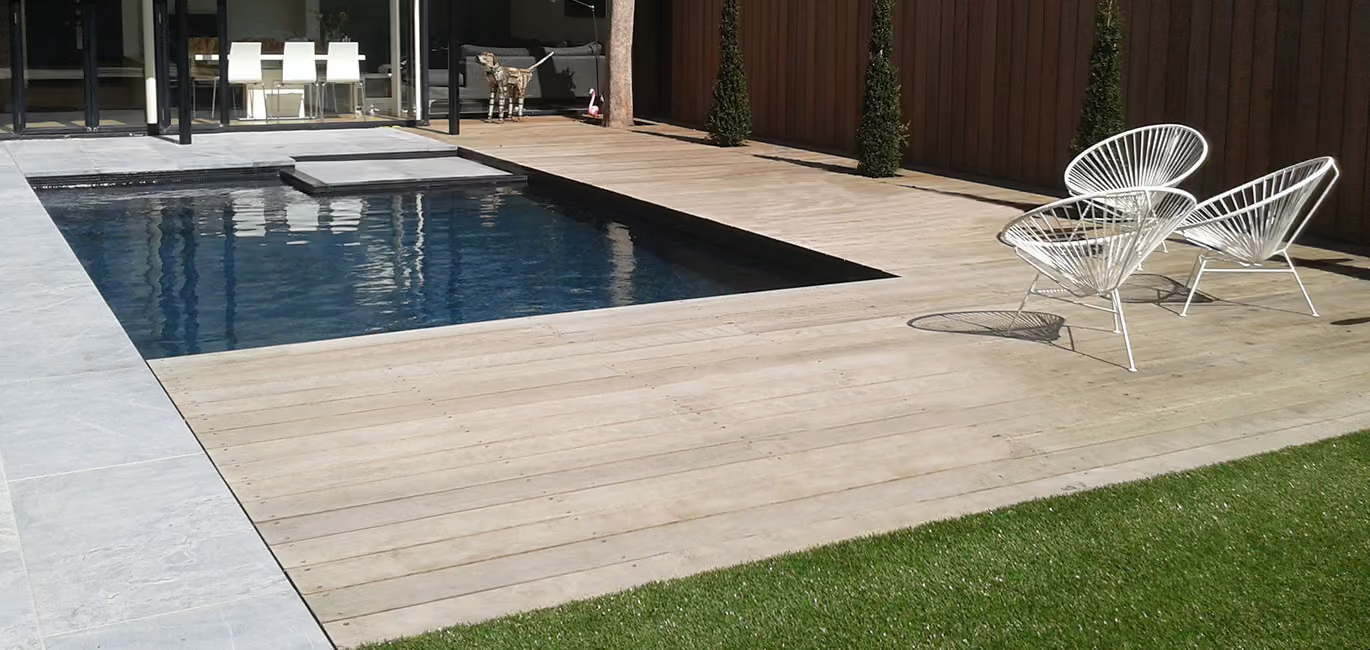
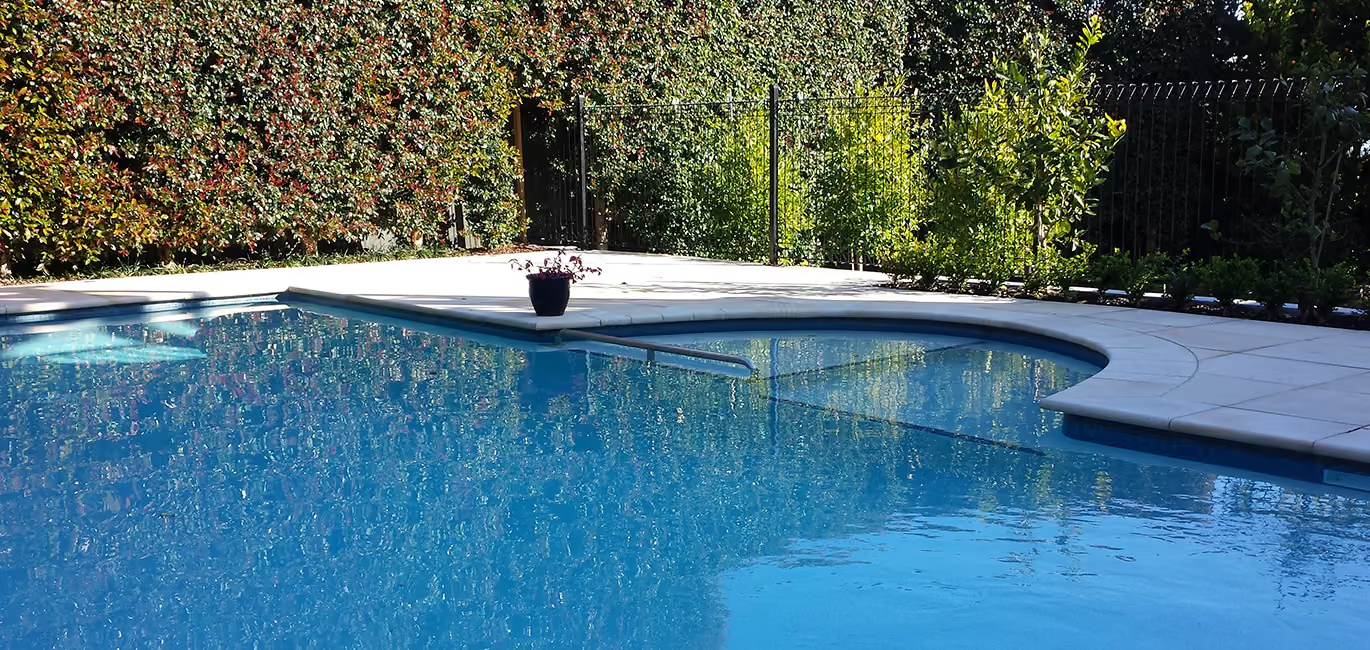
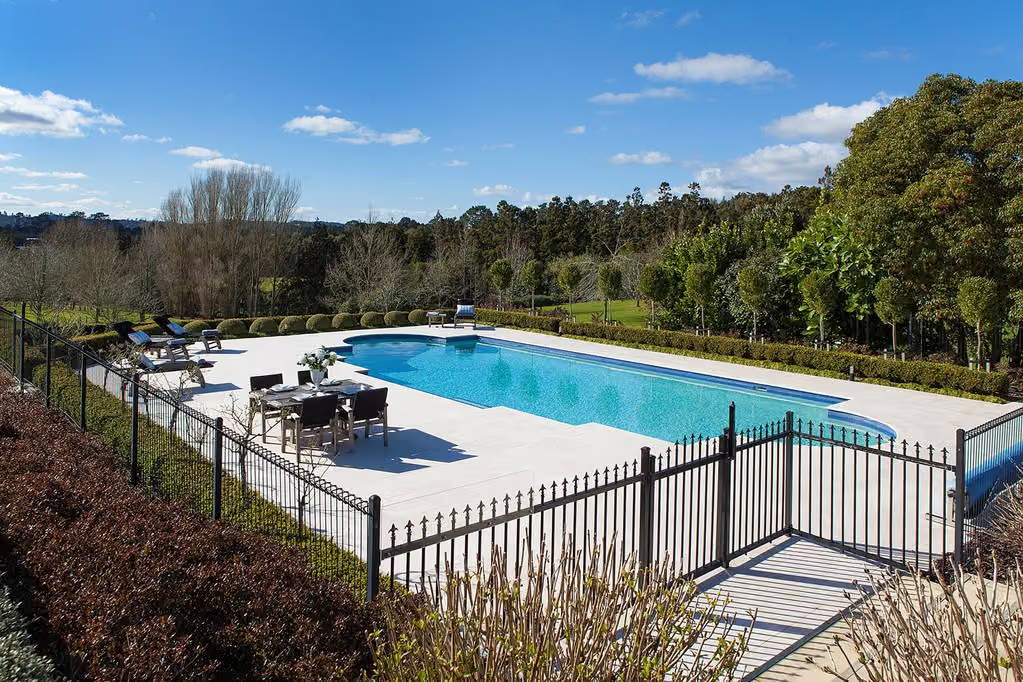
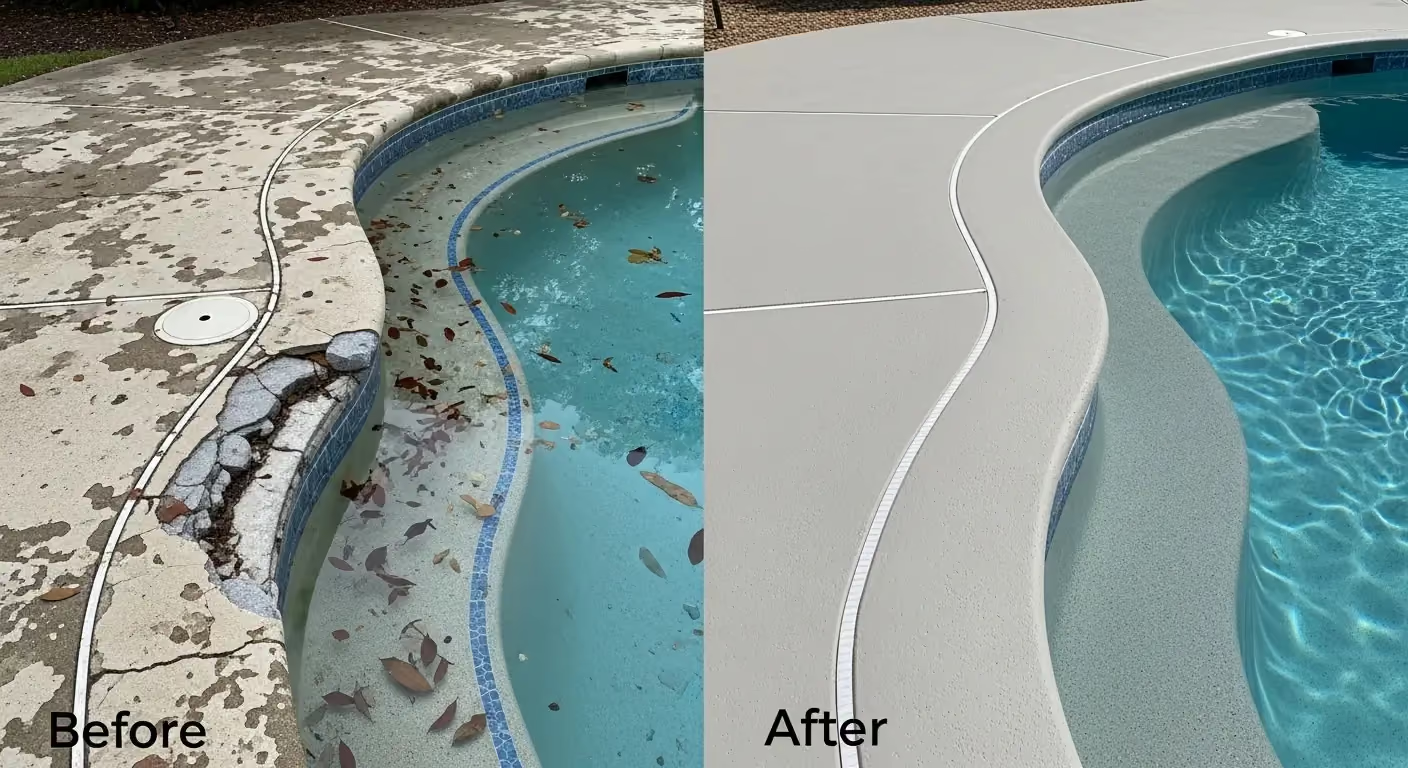
See Our Recent Pool Replastering Results
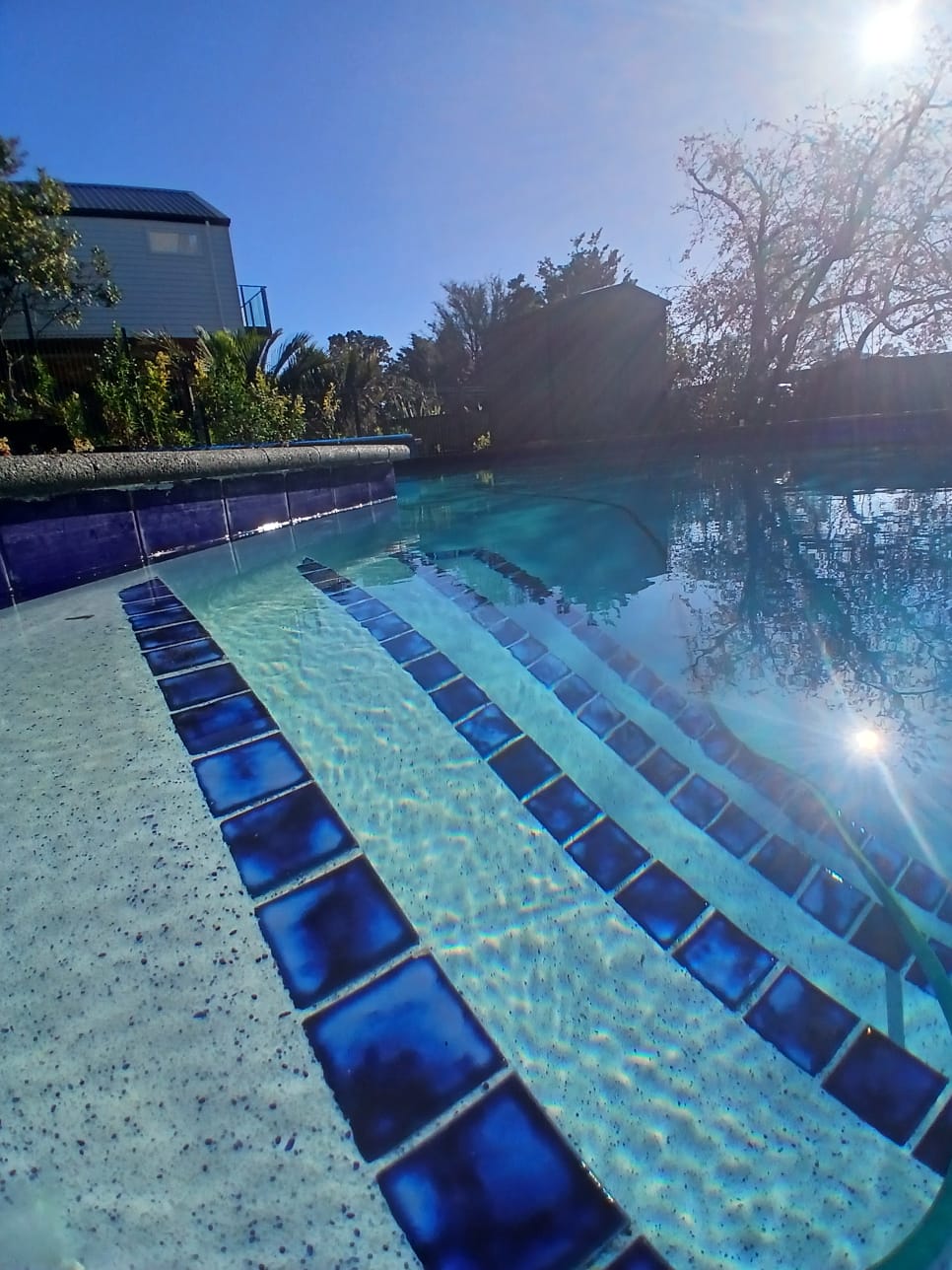
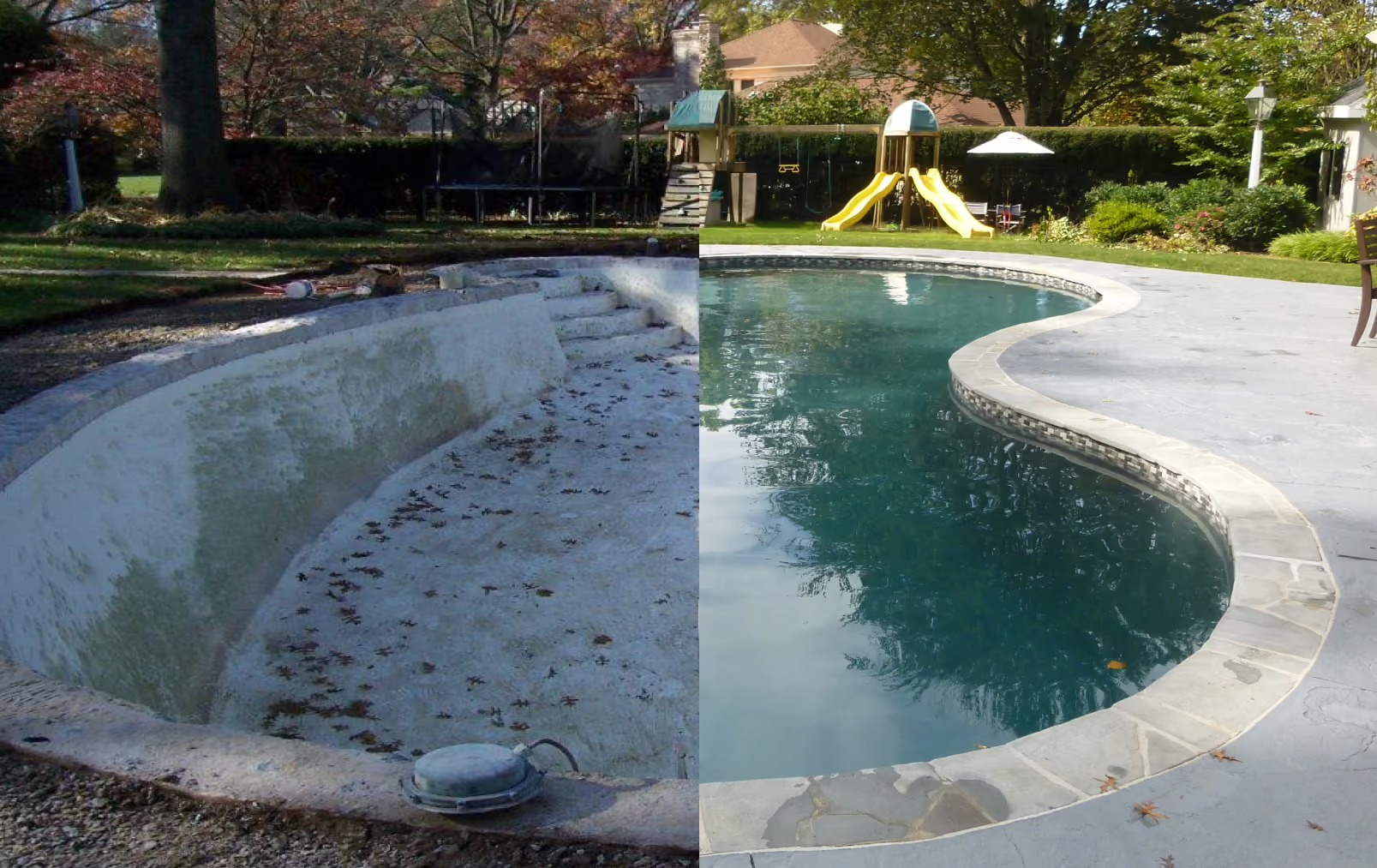
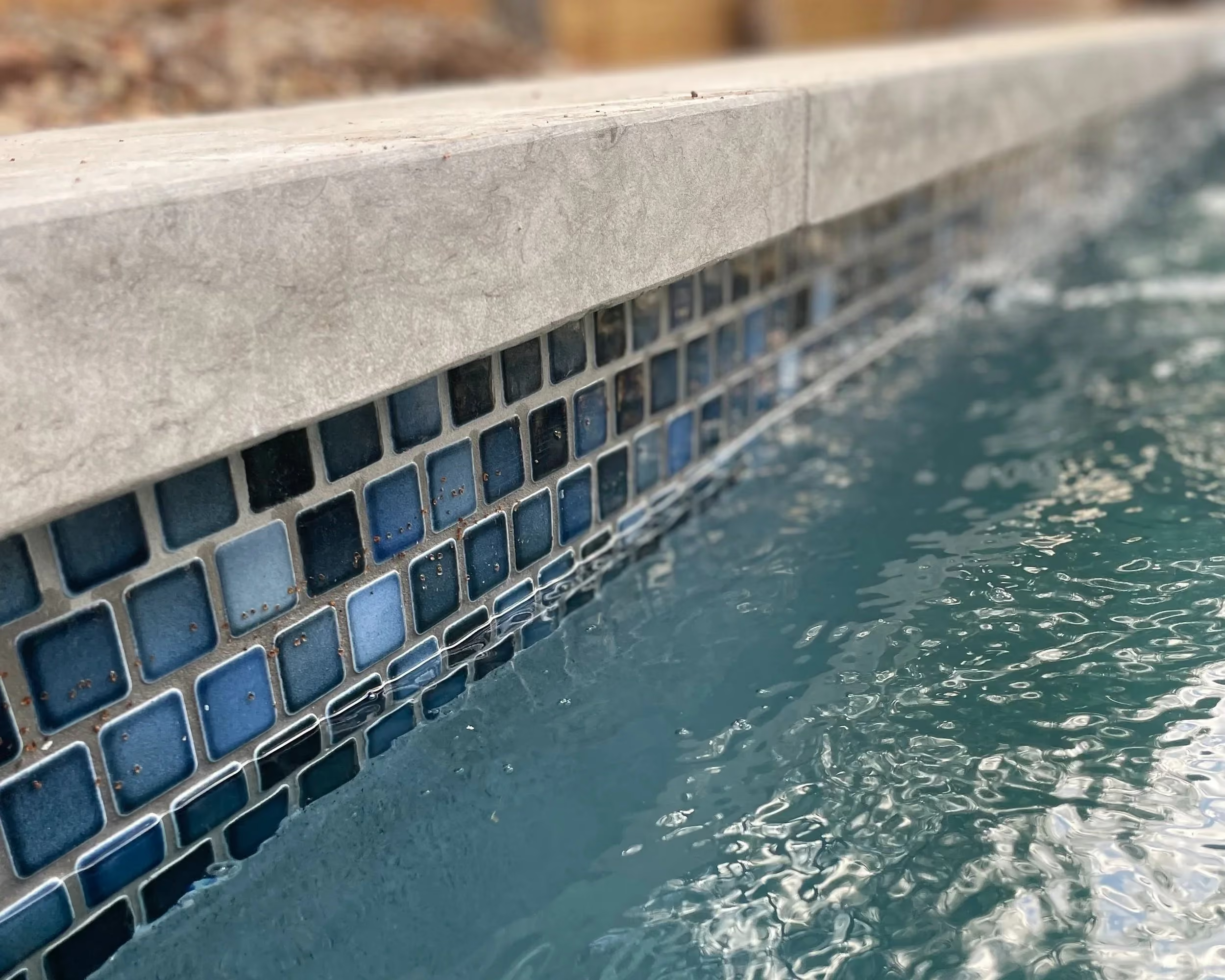
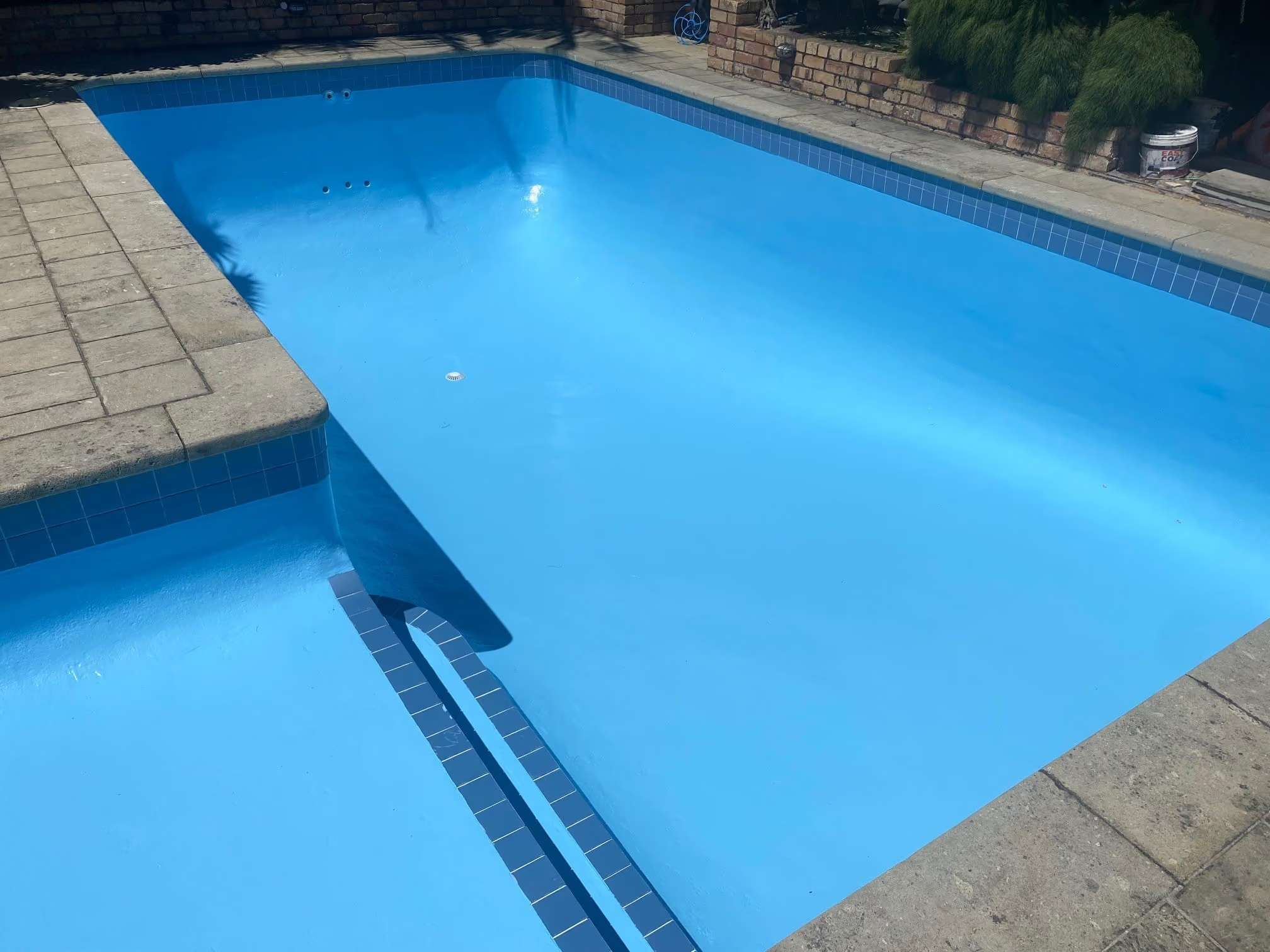
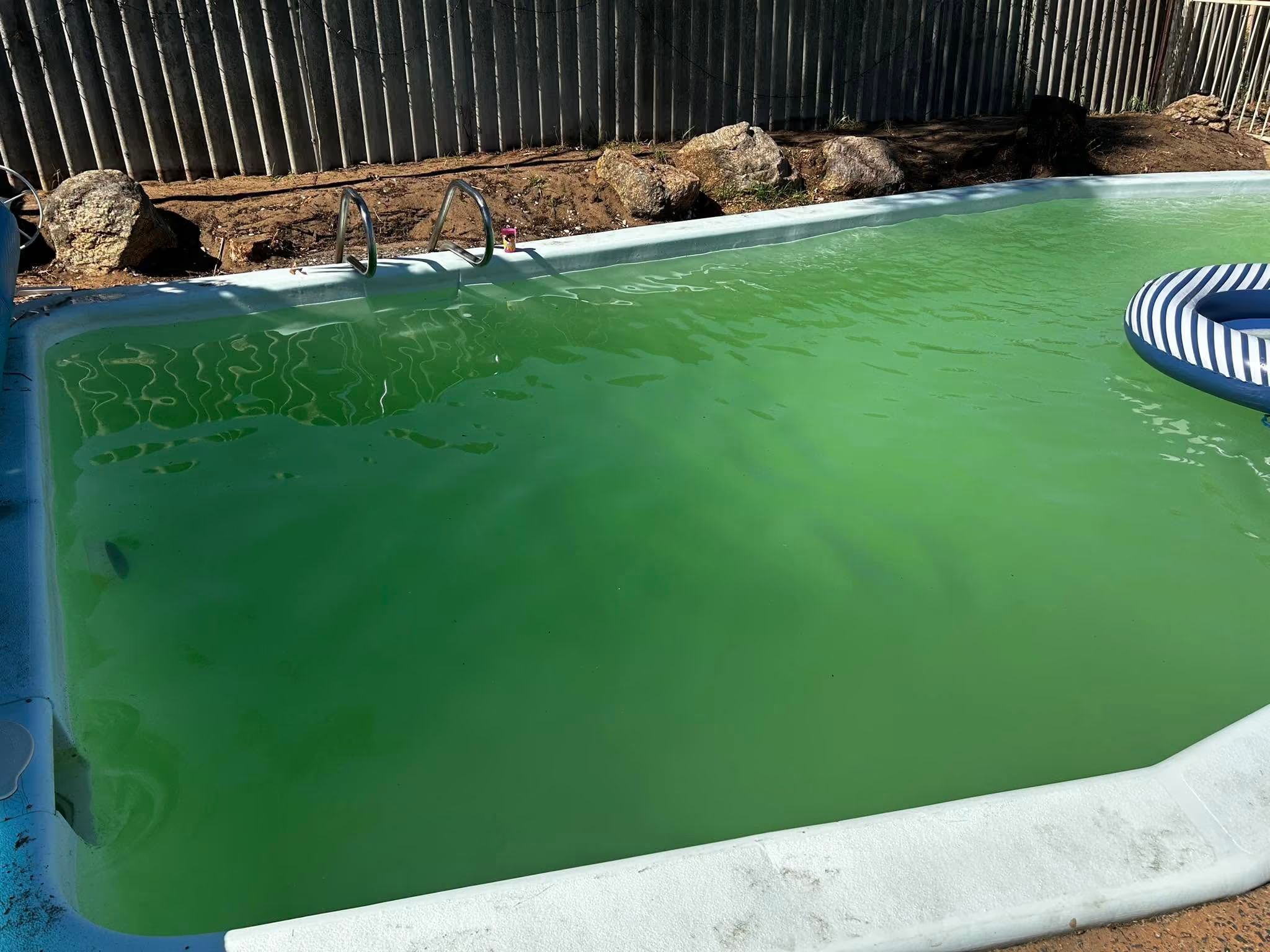
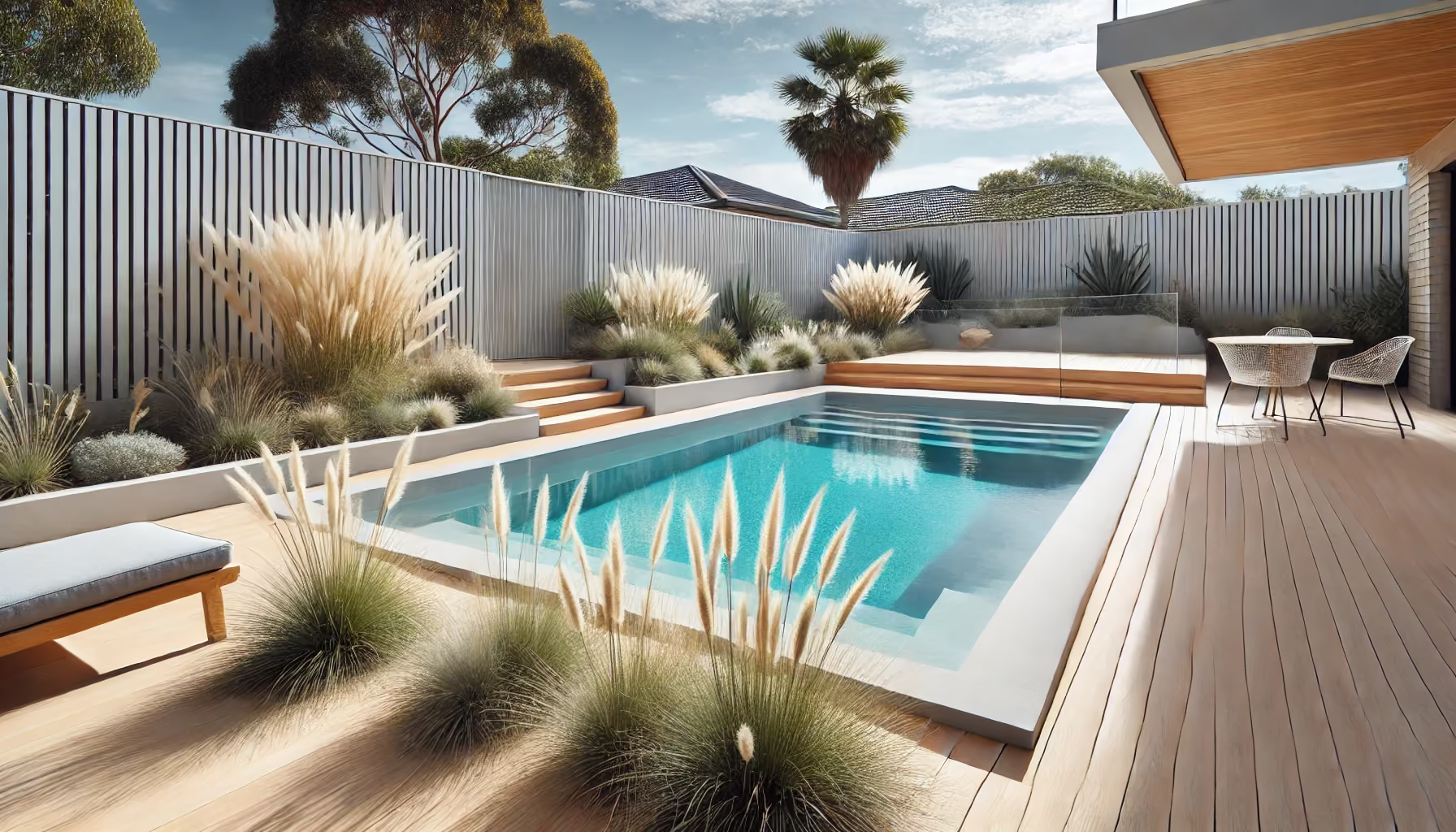
Take a look at pool surfaces we've restored across Auckland, from worn and stained interiors to clean, fresh finishes.

Trusted by Homeowners Across Auckland
Don't just take our word for it. Read what our clients have to say about our transparent communication, reliable service, and stunning pool transformations.
Pool Replastering Across Auckland
Sparkling Pools services residential and managed properties throughout the Auckland region, get in touch to confirm availability in your suburb.
Browse by Region


.avif)




.avif)
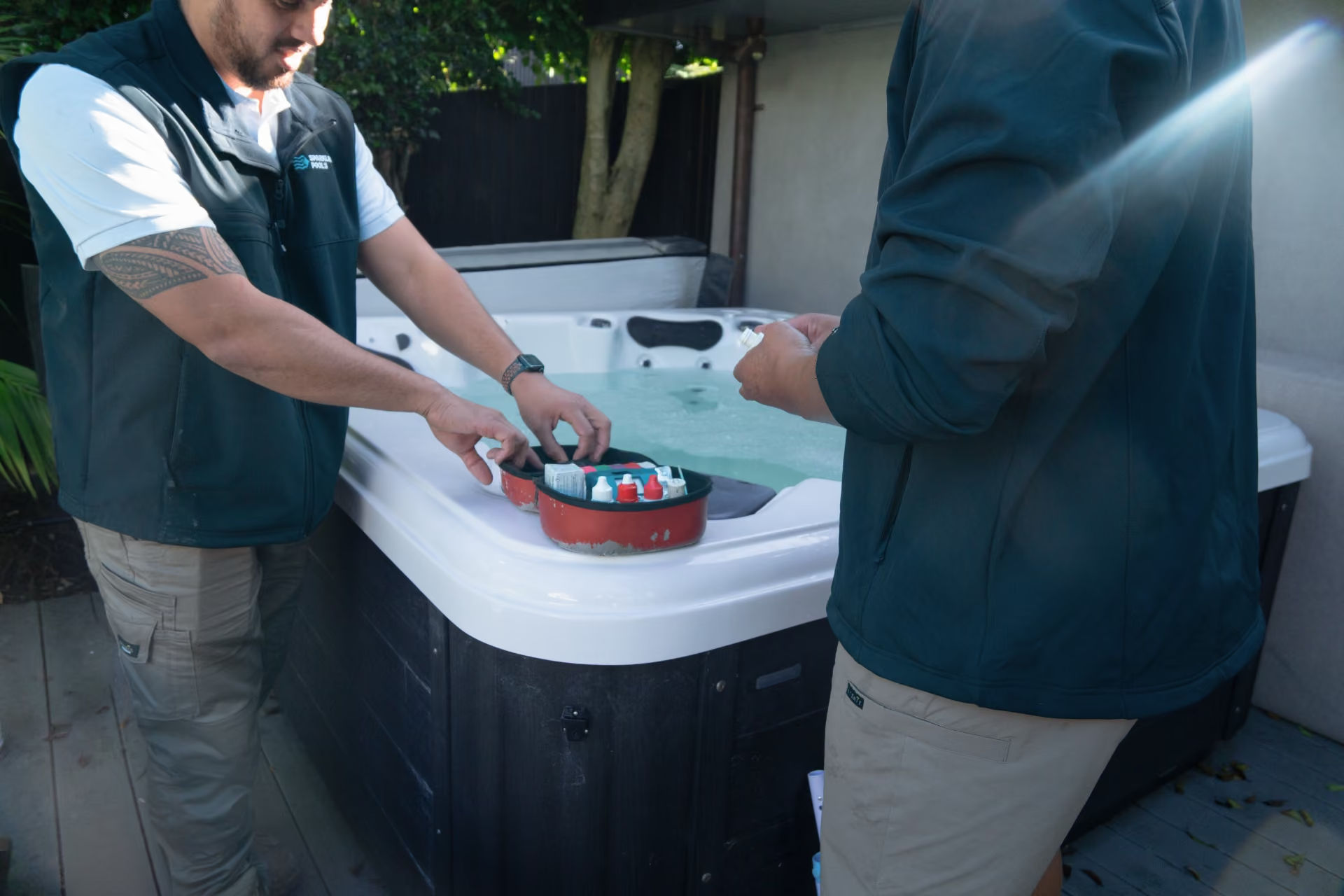
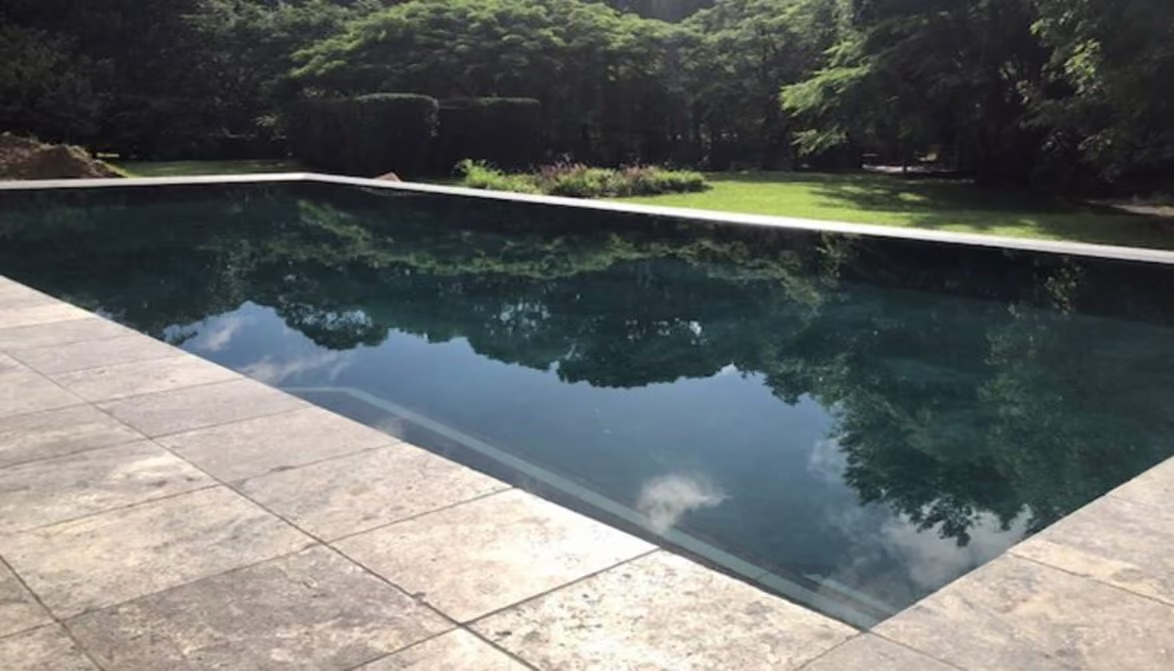
Keep Your Pool in Top Condition
Pairing replastering with regular maintenance and equipment servicing helps protect your new surface and keeps your pool performing well year-round.
Ready to Restore Your Pool Surface?
Get in touch with Sparkling Pools for an honest assessment and a clear replastering quote, no obligation.