Pool Automation Not Working

Why Auckland trusts our pool service expertise
Pool automation faults are often simpler than they appear. Working through a logical sequence of checks, starting with power and moving through the controller, individual equipment and network connections, resolves many issues without needing a technician.
Some faults do require professional diagnosis, particularly anything involving repeated tripped breakers, burn damage, failed controllers or heating equipment. The points below summarise the key things to know.
What you'll learn
What Pool Automation Does, and Why It Fails
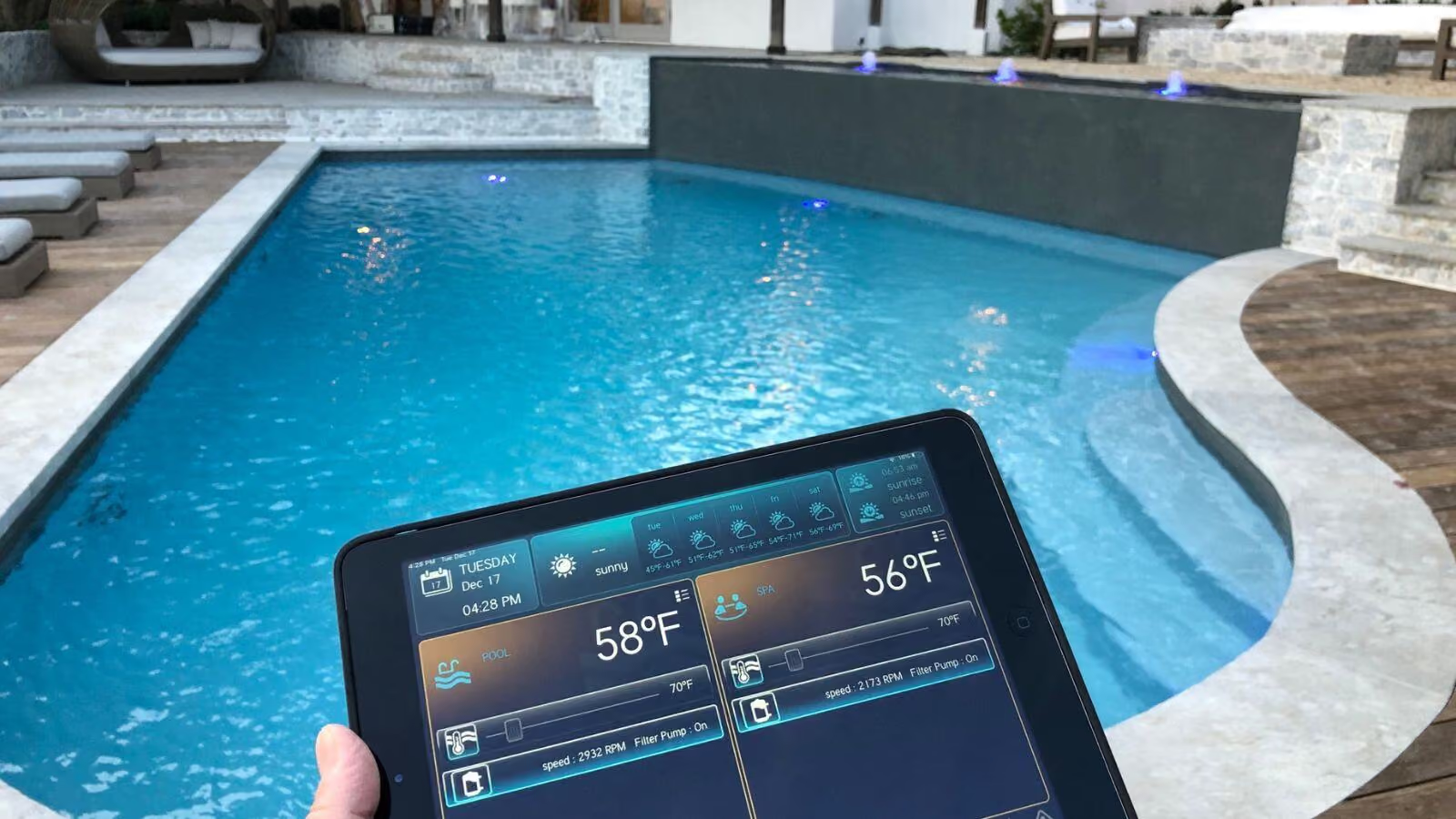
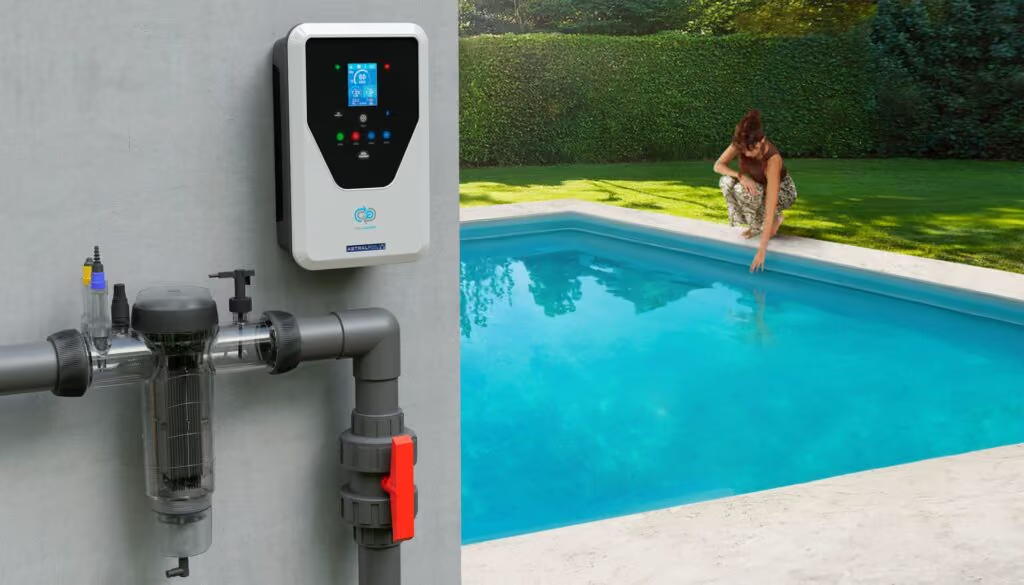
Pool automation systems control your pump, chlorinator, lighting, heating and sometimes water features from a single controller, either a wall panel, a remote, or a smartphone app. When the system stops responding, it can feel like everything has gone wrong at once.
In most cases, the fault is isolated. The automation controller itself may be fine, but a connected component, a pump, a valve actuator, or the chlorinator, has dropped off the network or lost power. Working through the system methodically is the fastest way to find the problem.
---
What You Can Safely Check Yourself
1. Check the Power Supply First
Before assuming the controller or any equipment has failed, confirm the basics:
- Check the circuit breaker or RCD for the pool equipment. A tripped breaker is one of the most common causes of automation faults.
- If the breaker has tripped, reset it once. If it trips again immediately, stop, there is a fault in the wiring or equipment that needs a technician.
- Check that the controller itself has power. Most panels have a status light or display. A blank screen often means no power rather than a failed unit.
2. Inspect the Controller Display
If the controller is powered on, look at what it is showing:
- Error codes or fault messages, note these down exactly. They are the fastest route to diagnosing the problem and will be useful if you need to call a technician.
- Unresponsive touchscreen or buttons, try a soft reset if your controller model supports it. Check the manufacturer's manual for the correct reset procedure.
- Clock or schedule issues, if the controller lost power during a storm or outage, the internal clock may have reset. A pump or chlorinator that appears not to be running may simply be running outside the schedule it was set to.
3. Check Individual Equipment
If the controller appears to be working but one piece of equipment is not responding, check that equipment directly:
- Pump: Can it be run manually from the pump itself, bypassing the automation? If it runs manually but not via the controller, the issue is in the communication between the two.
- Chlorinator: Check whether the chlorinator has its own fault light. Salt chlorinators commonly show low-salt or flow-fault warnings that prevent them from operating, regardless of what the automation system is telling them to do.
- Valve actuators: These motorised valves direct water flow and are a common point of failure. Listen for the actuator motor running when a valve change is commanded. If there is no sound, the actuator may have failed or lost its signal.
4. Check Wiring and Connections (Visual Only)
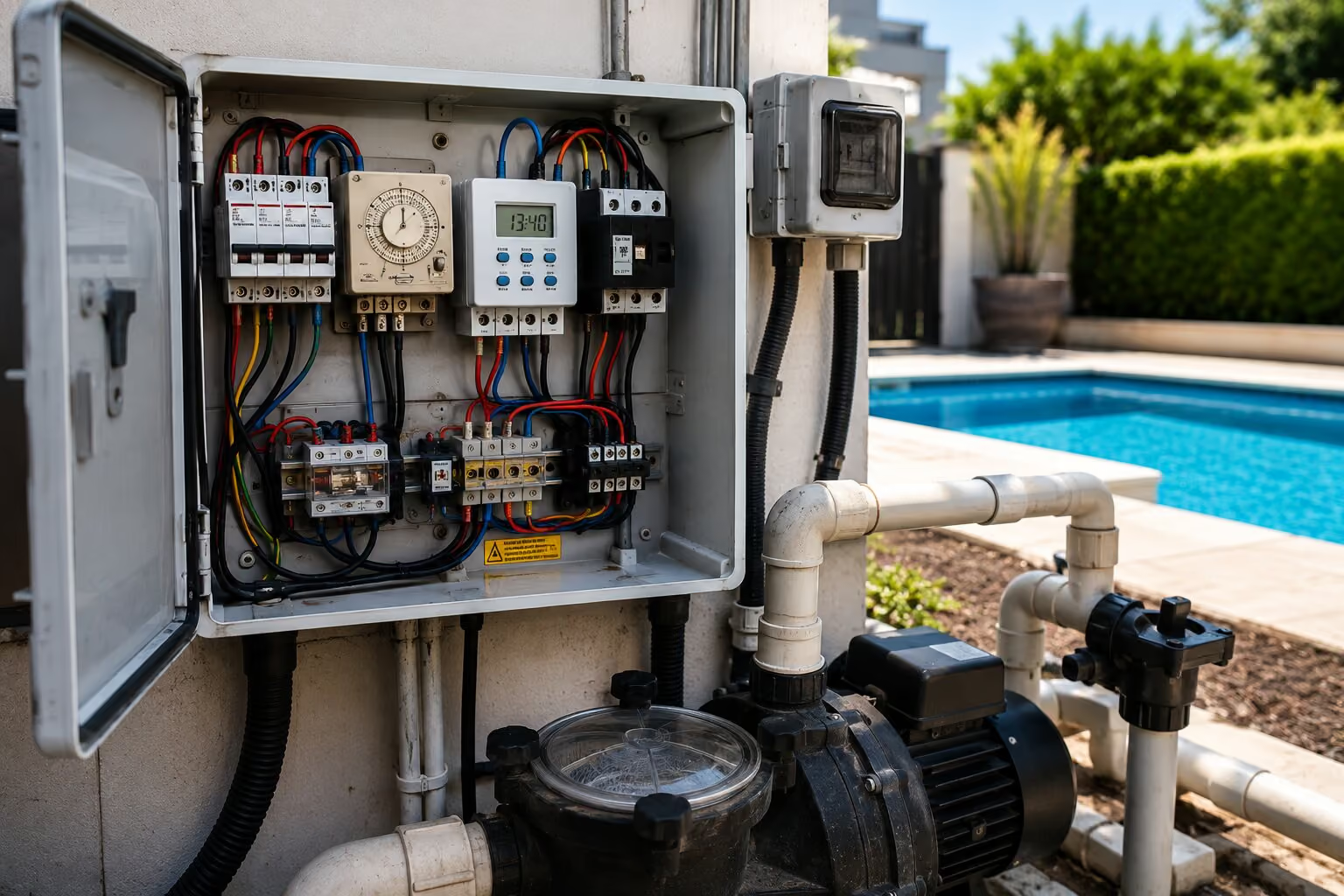
You can safely look at the wiring inside the automation cabinet without touching anything:
- Look for obvious signs of water ingress, corrosion on terminals, or loose plugs.
- Check whether any communication cables between the controller and equipment have been disturbed, this can happen after garden work or if the cabinet has been opened recently.
Do not attempt to re-terminate, splice or replace any wiring yourself. Pool automation cabinets contain mains voltage wiring alongside low-voltage control wiring, and working on them without the right training and equipment is dangerous.
5. Check Your App or Remote (If Applicable)
If you control your pool via a smartphone app or wireless remote:
- Confirm your home Wi-Fi or the controller's own wireless network is functioning.
- Check whether the app shows the controller as offline or disconnected. This is often a network issue rather than an equipment fault.
- Try restarting the app and, if the controller has a wireless module, power-cycling it according to the manual.
- If the controller responds correctly from its wall panel but not from the app, the fault is in the wireless connection, not the automation system itself.
---
What Needs a Technician
Some automation faults are straightforward to diagnose but require a qualified technician to fix safely. Hand over to a professional when:
- The circuit breaker trips repeatedly. This indicates a wiring fault or a failed component drawing excess current. Do not keep resetting it.
- You see burn marks, melted plastic, or smell burning from the controller cabinet or any connected equipment.
- The controller display is blank and power is confirmed. The controller unit itself may have failed and need replacement.
- A valve actuator is not responding and visual checks have not identified an obvious cause. Actuator replacement involves working inside the automation cabinet.
- The pump runs but the automation cannot control its speed (for variable-speed pumps). Speed control is handled through communication protocols that require diagnostic tools to test properly.
- You have error codes you cannot interpret. Different brands use different code systems. A technician familiar with your specific controller can read these quickly.
- Any fault involving the heater or heat pump. Heating equipment involves refrigerant systems or gas, neither of which should be touched without the appropriate certifications.
Sparkling Pools provides equipment diagnosis and repair across Auckland. If you have worked through the checks above and the fault is still unclear, it is worth calling rather than continuing to troubleshoot.
---
Common Causes by Symptom
Nothing is running at all
The most likely causes are a tripped breaker, a power outage that reset the schedule, or a failed controller. Start at the switchboard.
The pump runs but the chlorinator does not
Check the chlorinator's own fault indicators first. Low salt, a dirty cell, or a flow fault will prevent the chlorinator from operating even when the automation system is commanding it to run. These are often separate issues from the automation system itself.
The automation turns equipment on and off at the wrong times
The controller clock has likely reset. Check the time and date settings and review the programmed schedules. This is common after power outages.
The app shows the pool as offline
This is almost always a network issue. Check your router and the controller's wireless connection before assuming the controller has failed.
One valve is stuck in the wrong position
The actuator motor may have failed, or the actuator may have lost its position calibration. Some actuators can be manually overridden, check your manual. If the valve needs to stay in a fixed position while you wait for a repair, confirm with a technician that doing so will not damage your equipment.
---
Preventing Automation Faults
Most automation problems are either power-related or caused by gradual wear on components. A few habits help:
- Surge protection. Auckland's weather can cause power fluctuations. A surge protector on the pool equipment circuit reduces the risk of controller damage during storms.
- Keep the cabinet dry. Check that the automation cabinet lid seals properly and that no water is pooling near it. Water ingress is a leading cause of controller and terminal failure.
- Annual servicing. Having a technician check the automation system as part of an annual pool service catches loose connections, corroding terminals and ageing components before they cause a failure.
- Know your controller. Keep the manual somewhere accessible. Knowing how to perform a soft reset and how to read basic error codes saves time when something goes wrong.
---
When to Call Sparkling Pools
If your pool automation is not working and the checks above have not resolved it, Sparkling Pools can help. The team provides equipment diagnosis and repair for residential and managed pools across Auckland. Call 09 570 4797 or freephone 0800 794 673, Monday to Friday, 8:00am, 4:30pm.
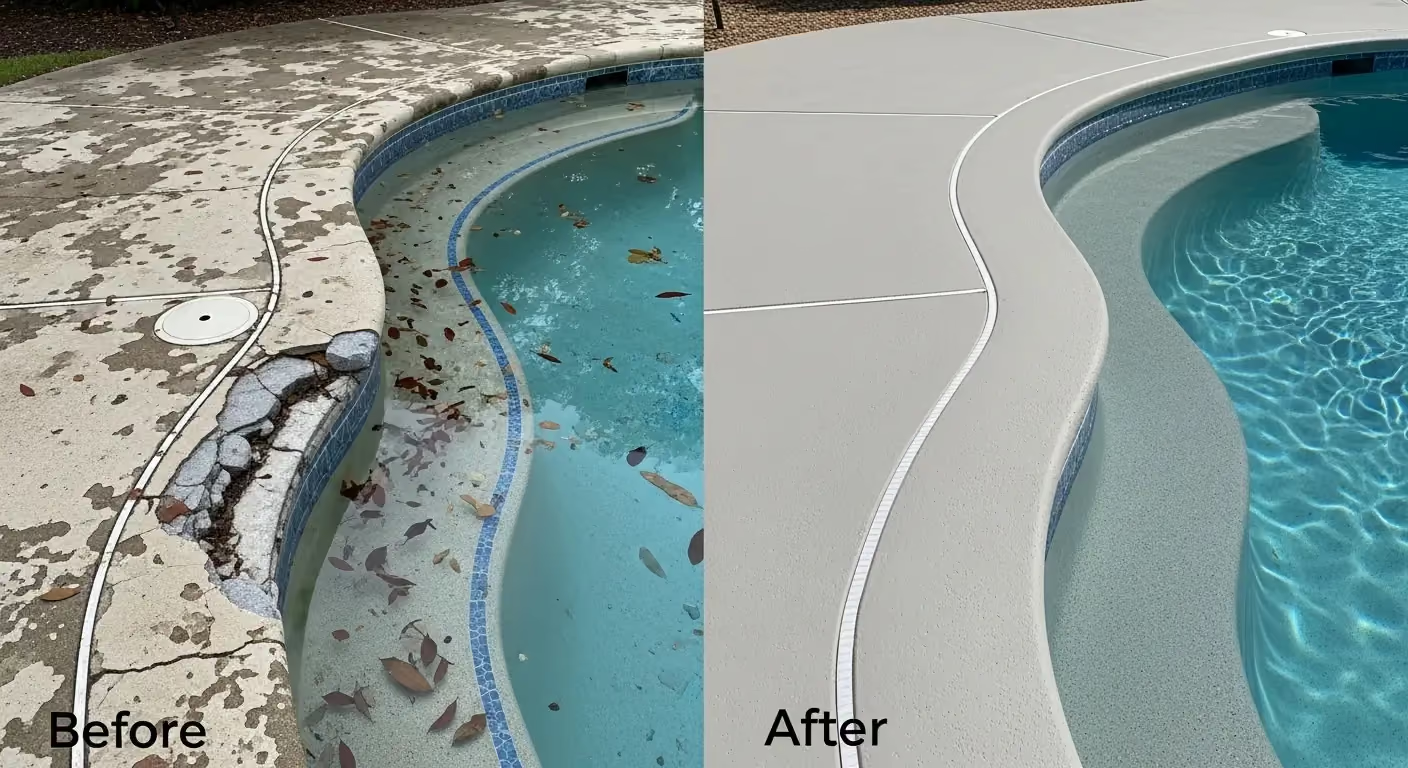
Pool resurfacing solutions
Restore your pool with durable plaster finishes

Work completed
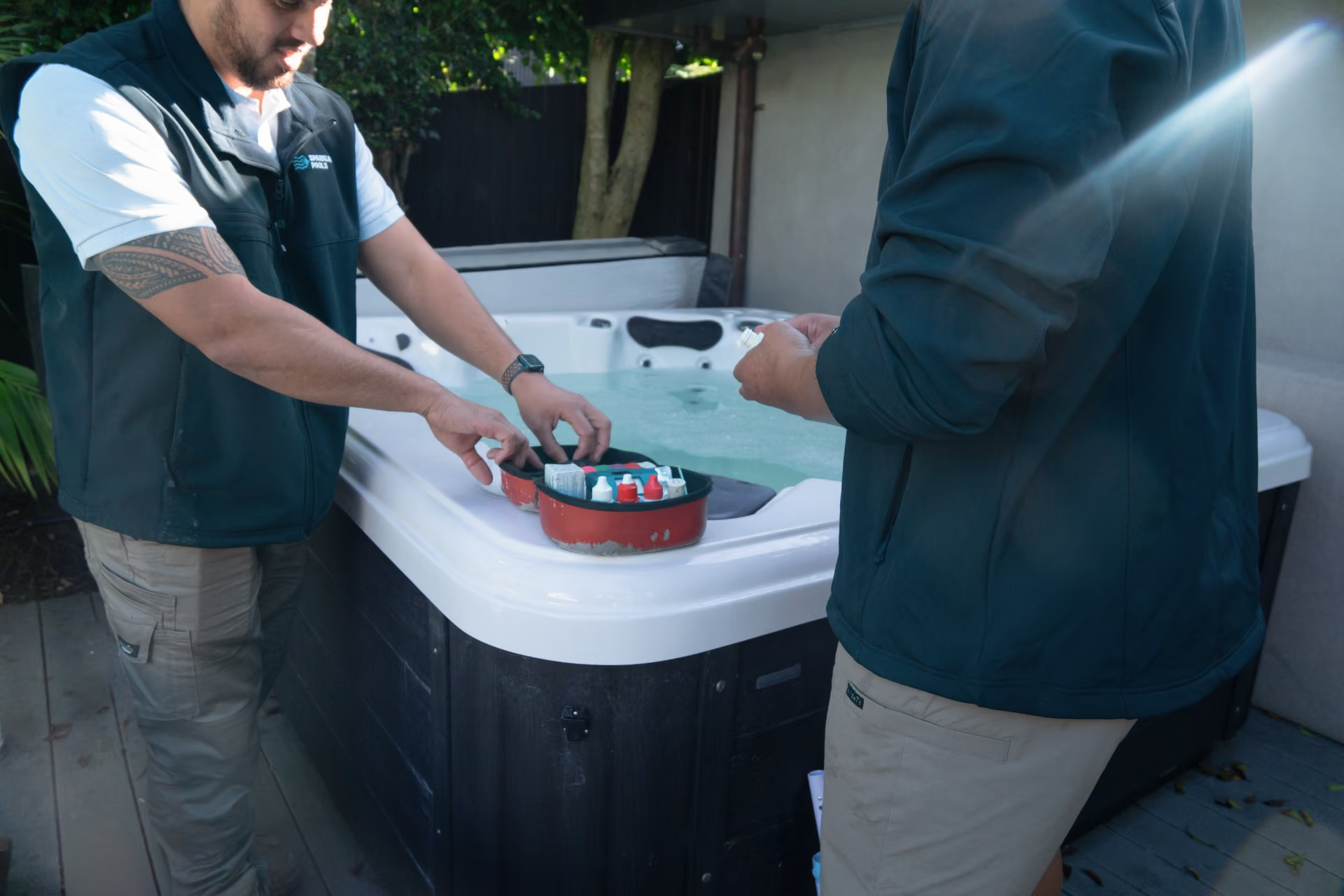
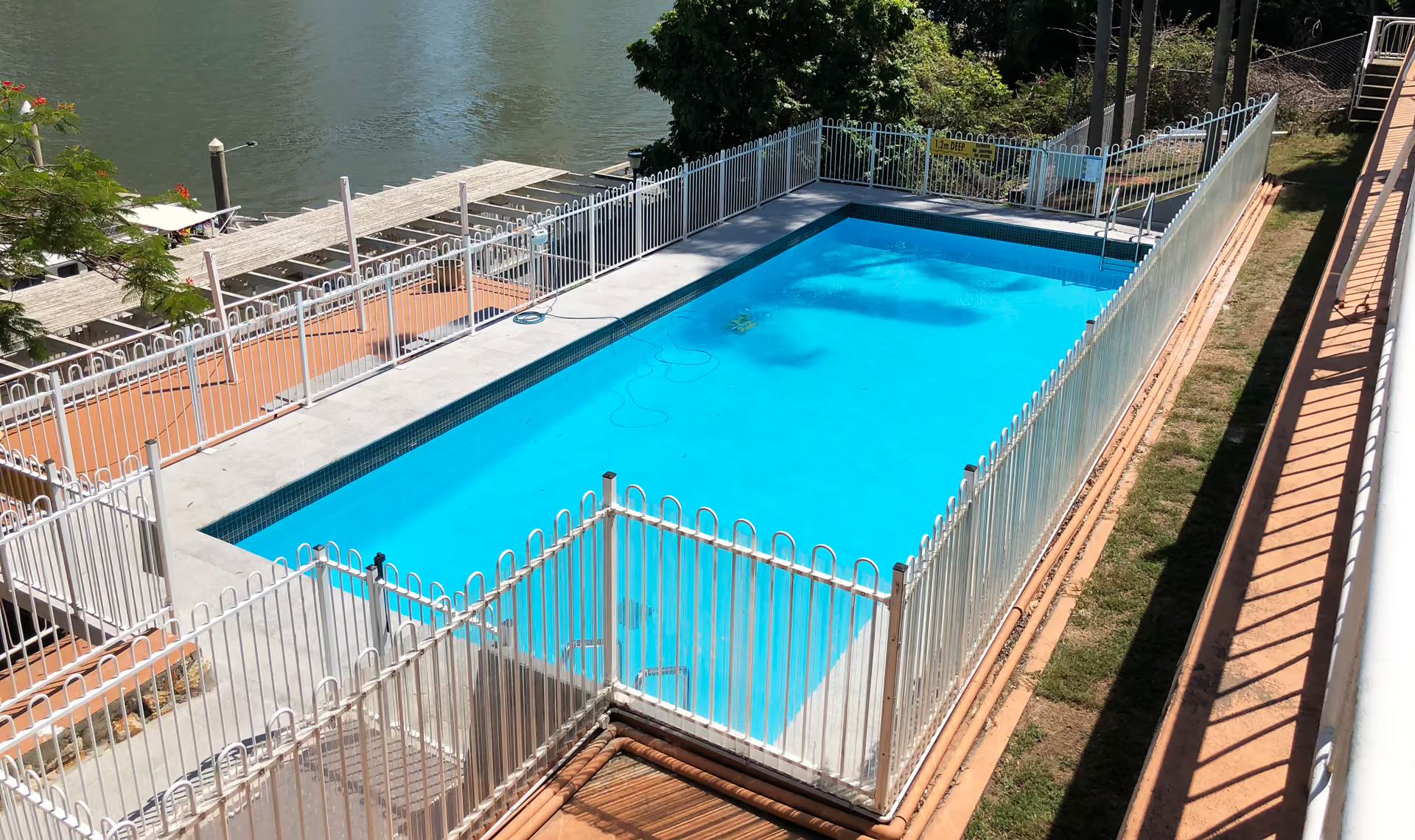
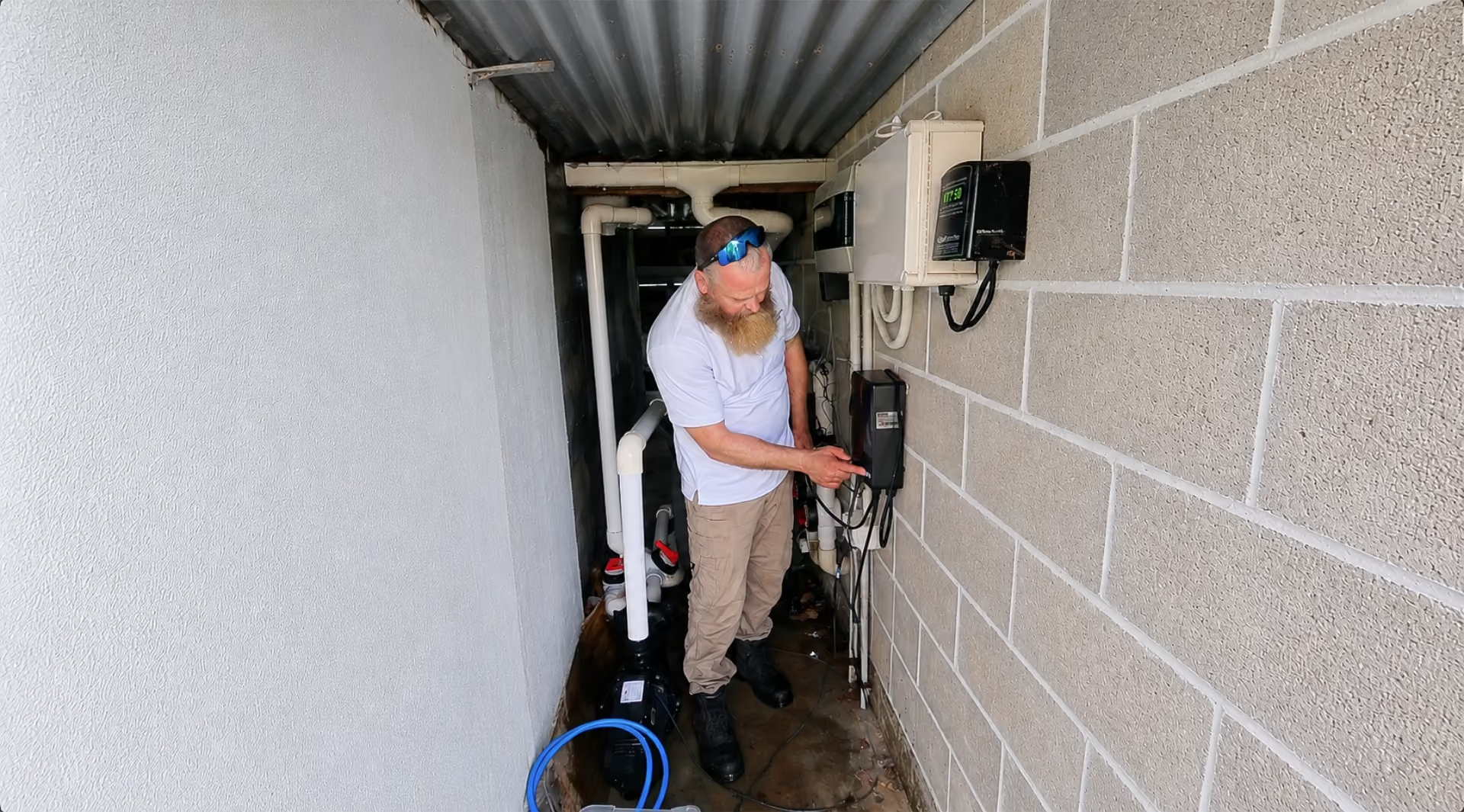
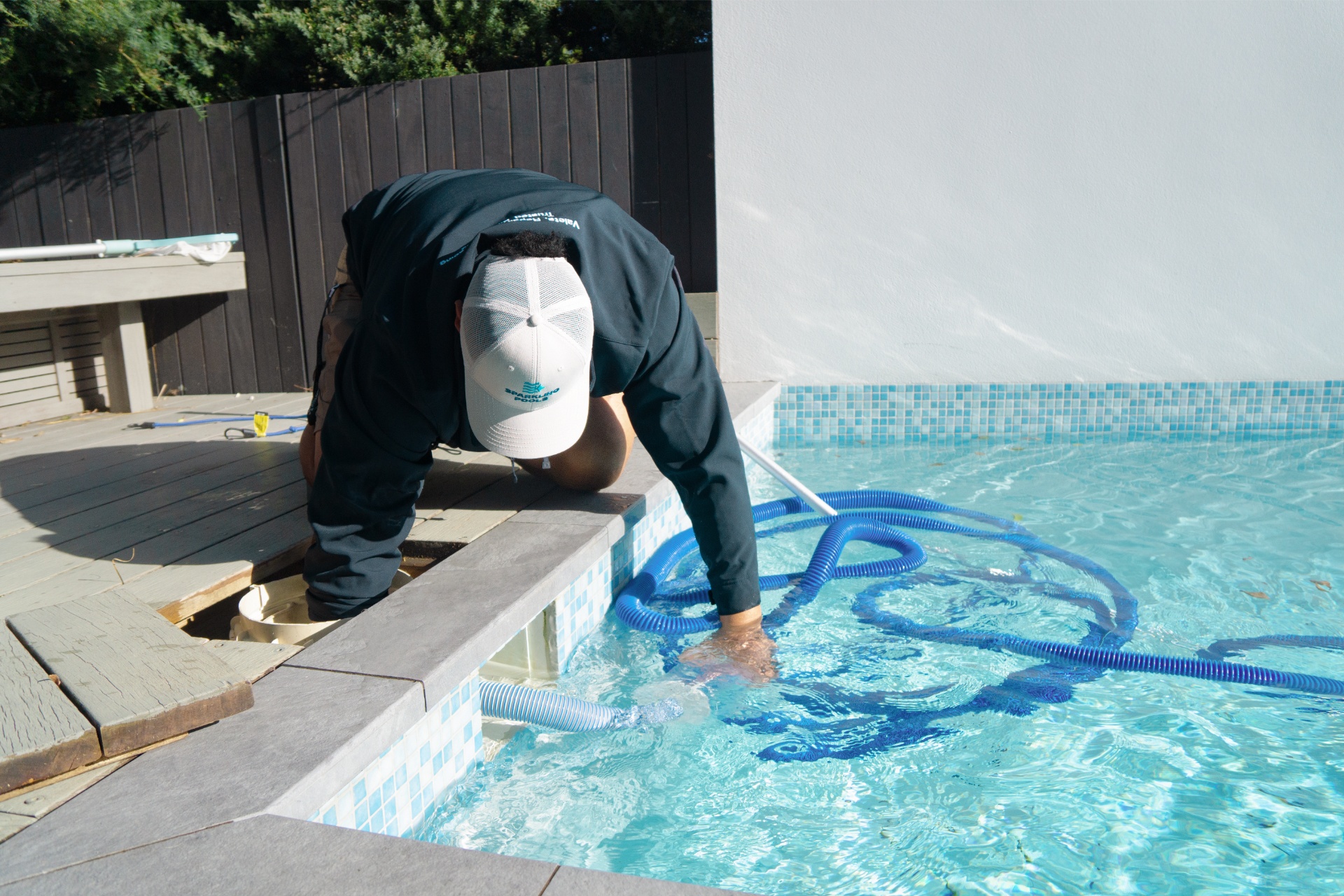
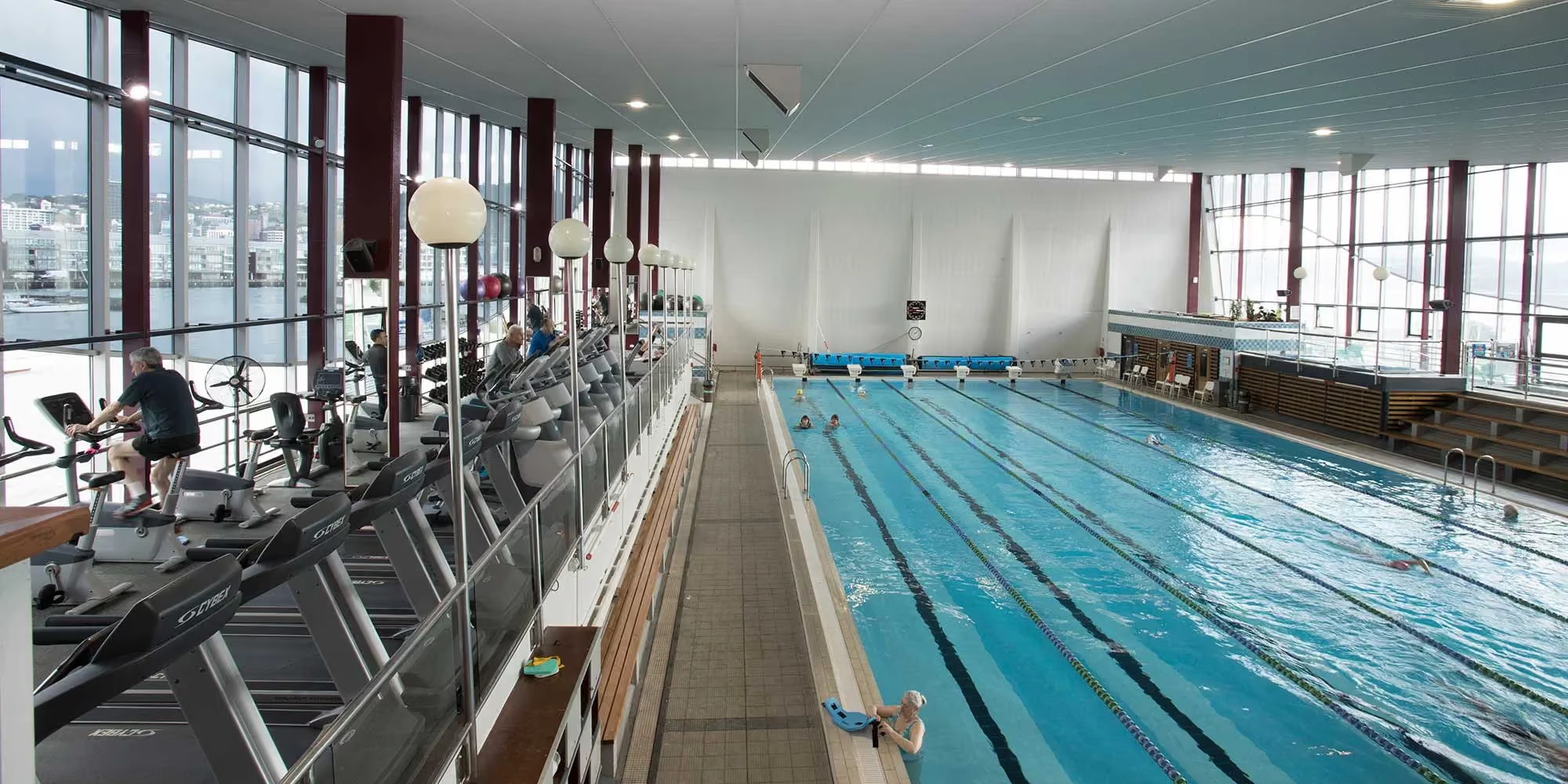
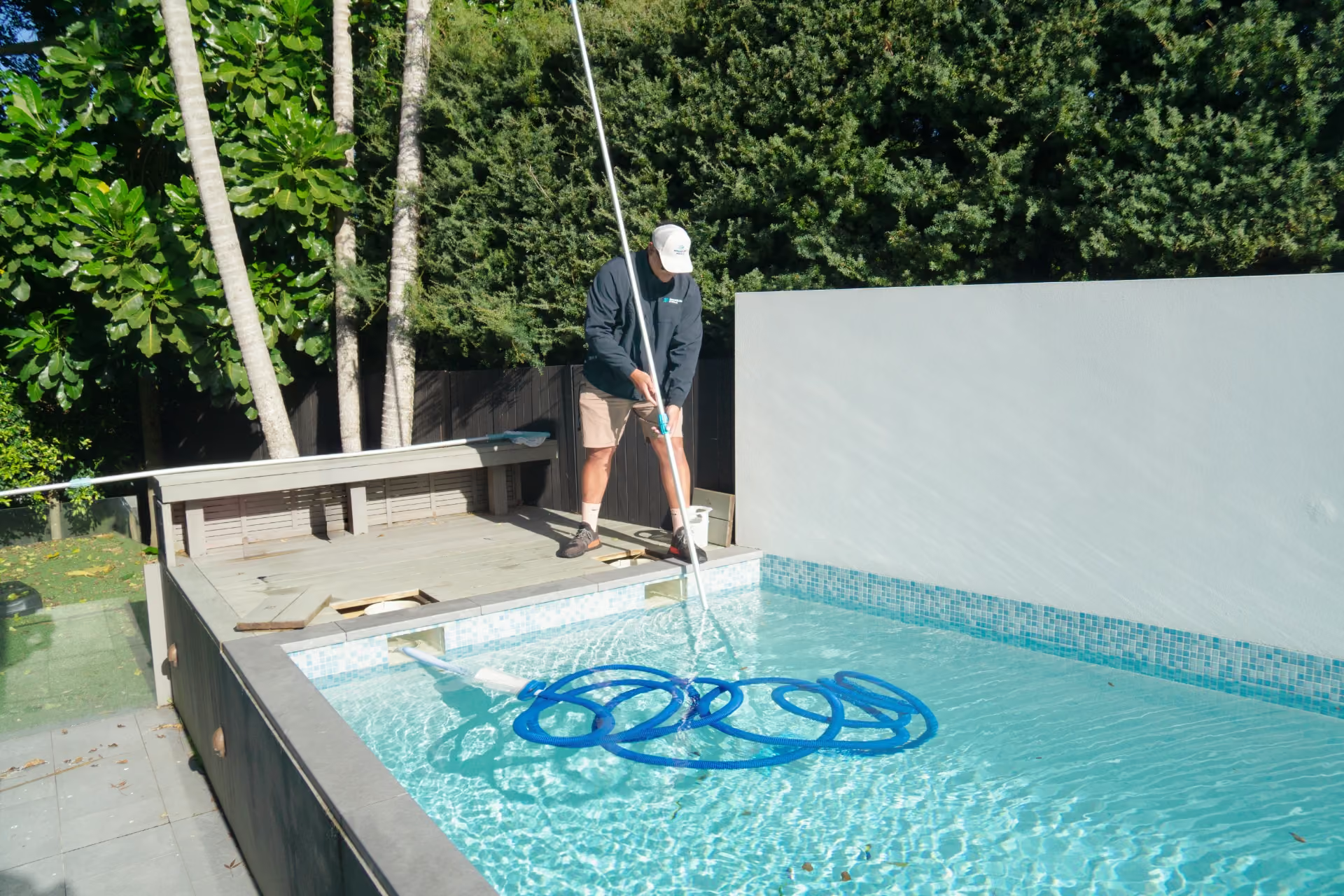
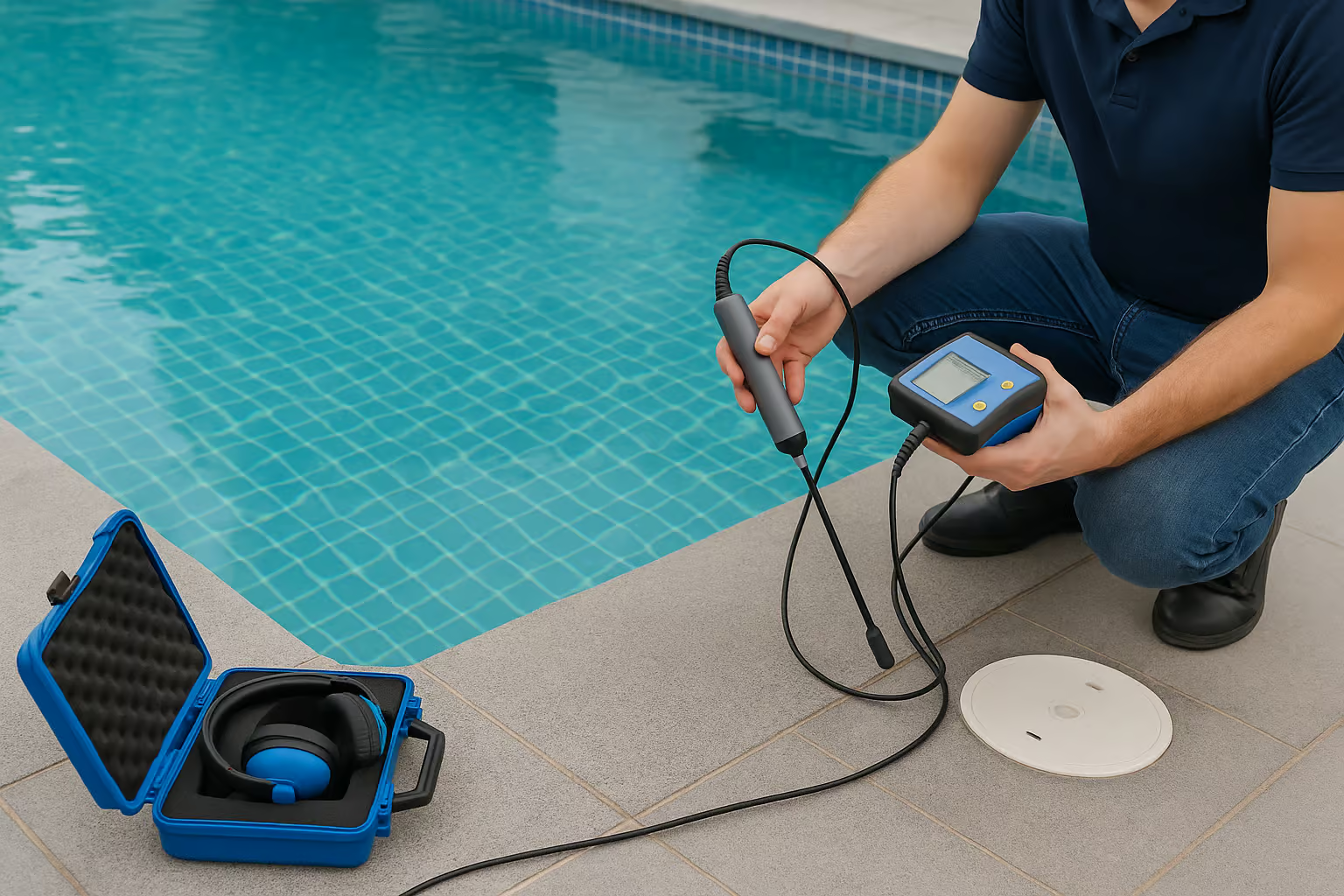
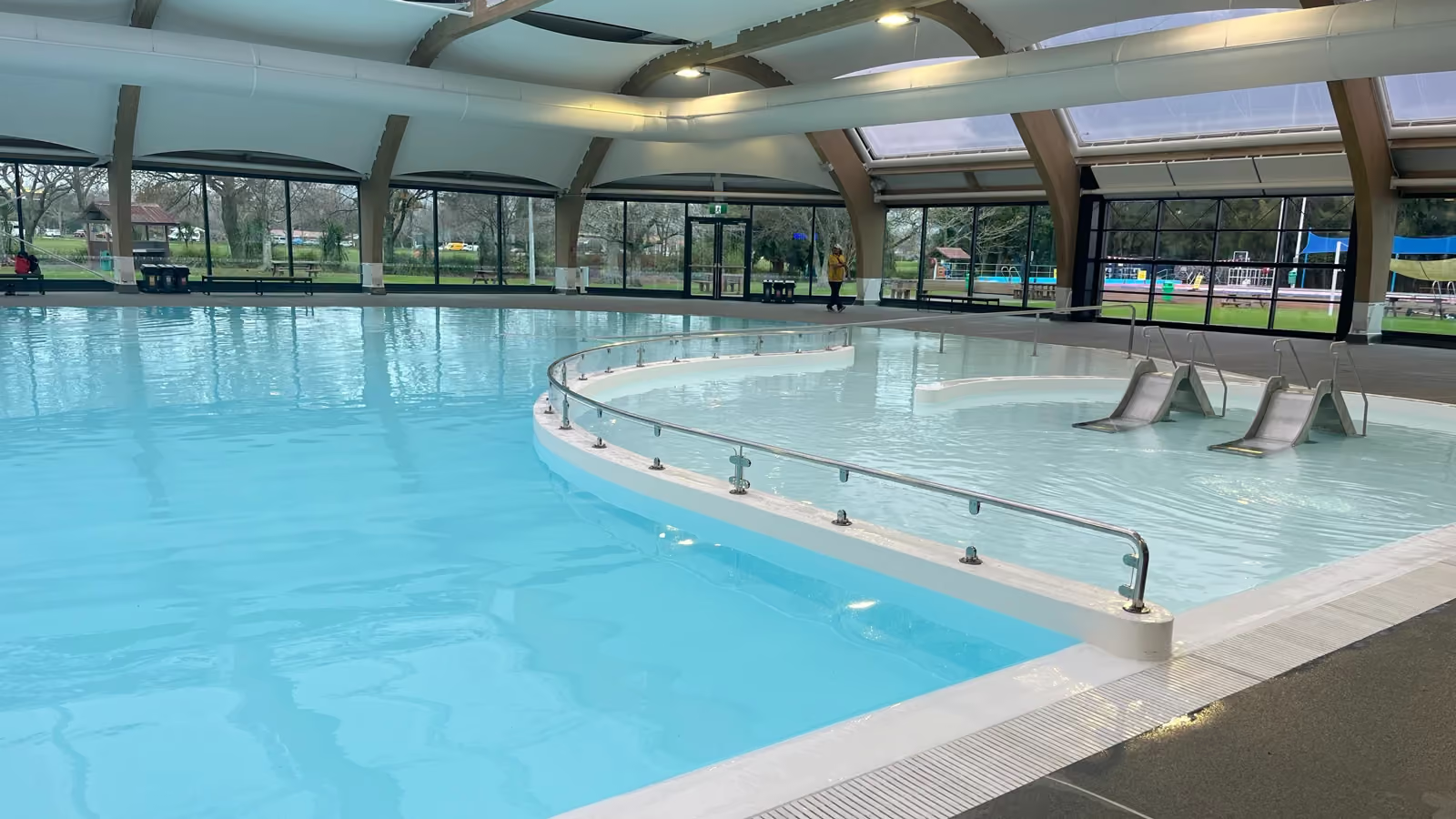
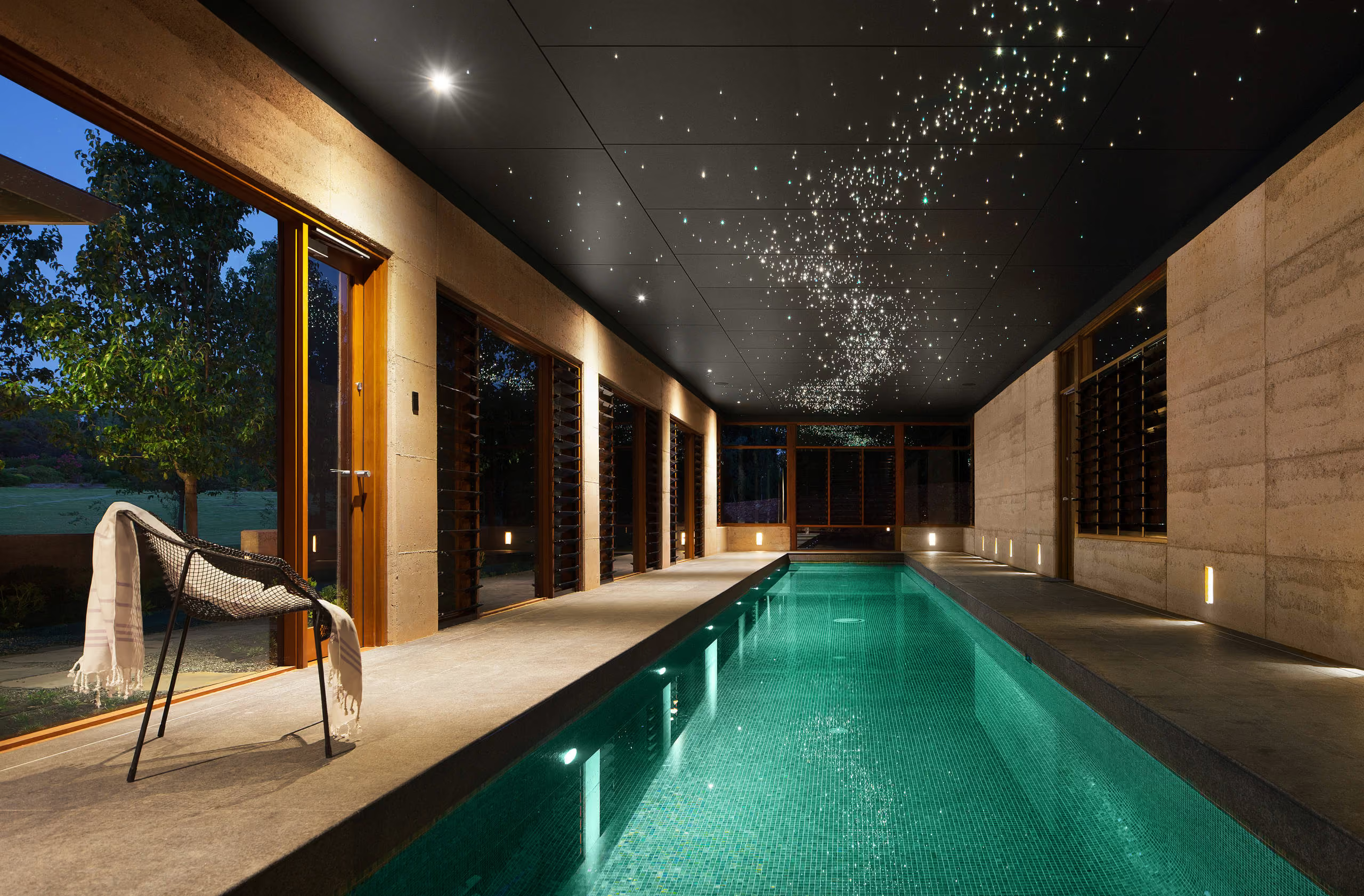
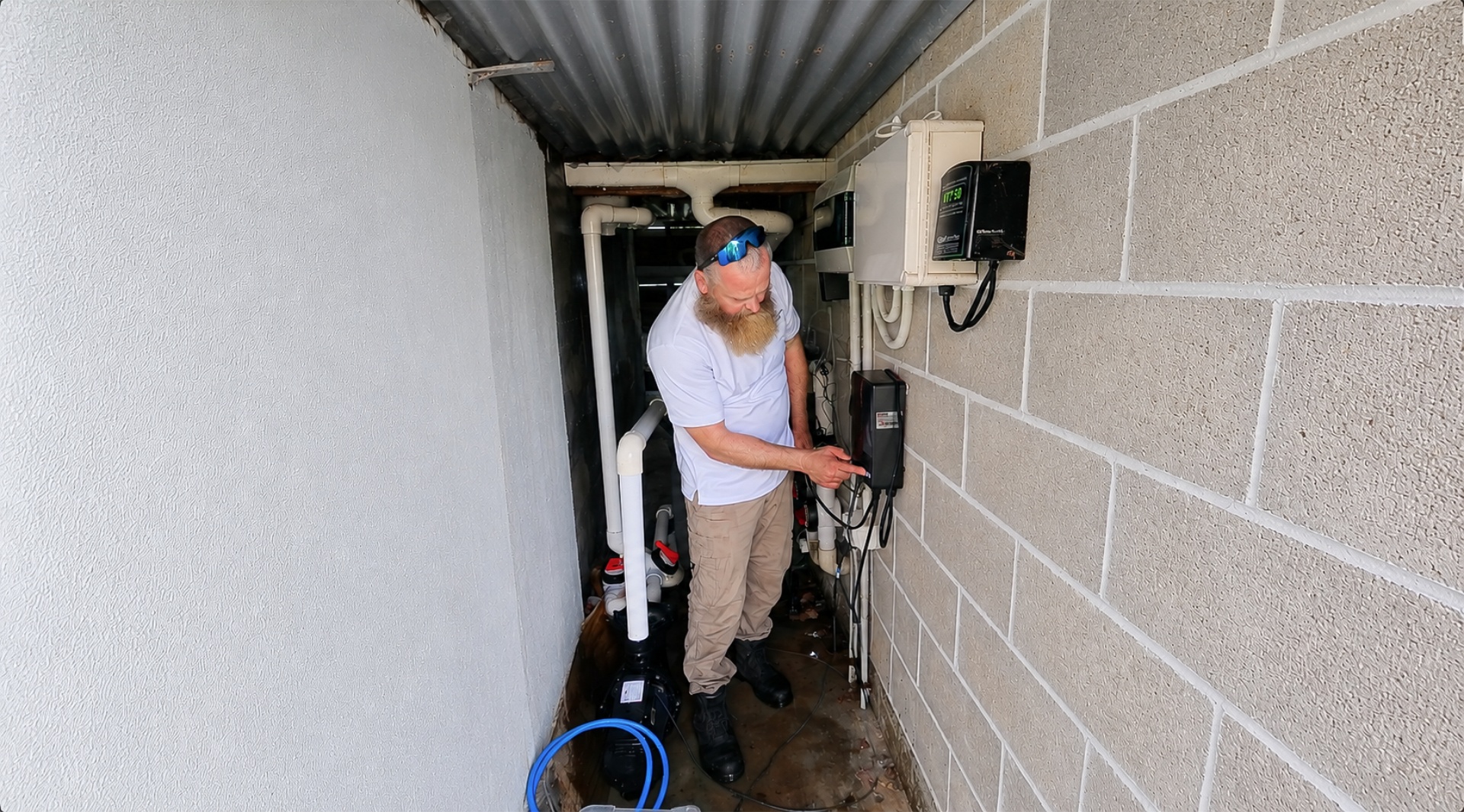
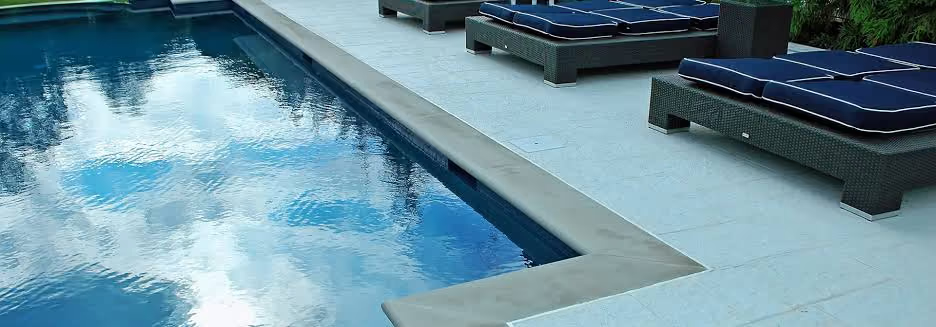
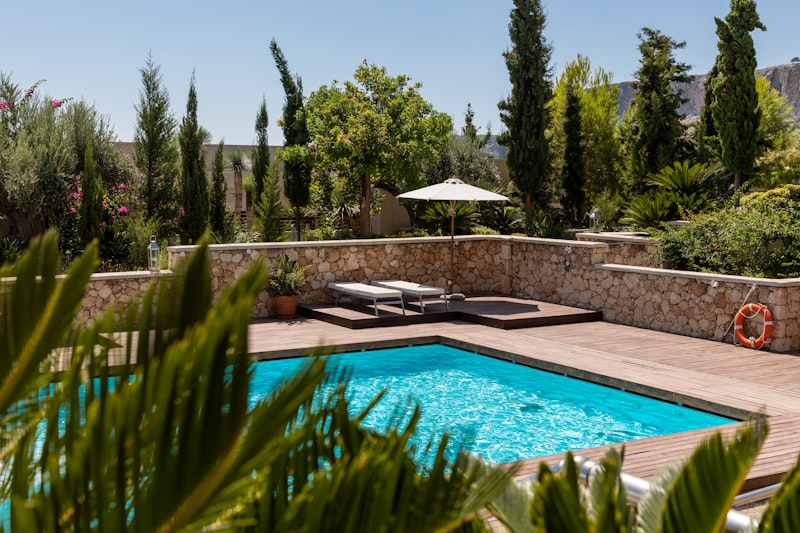
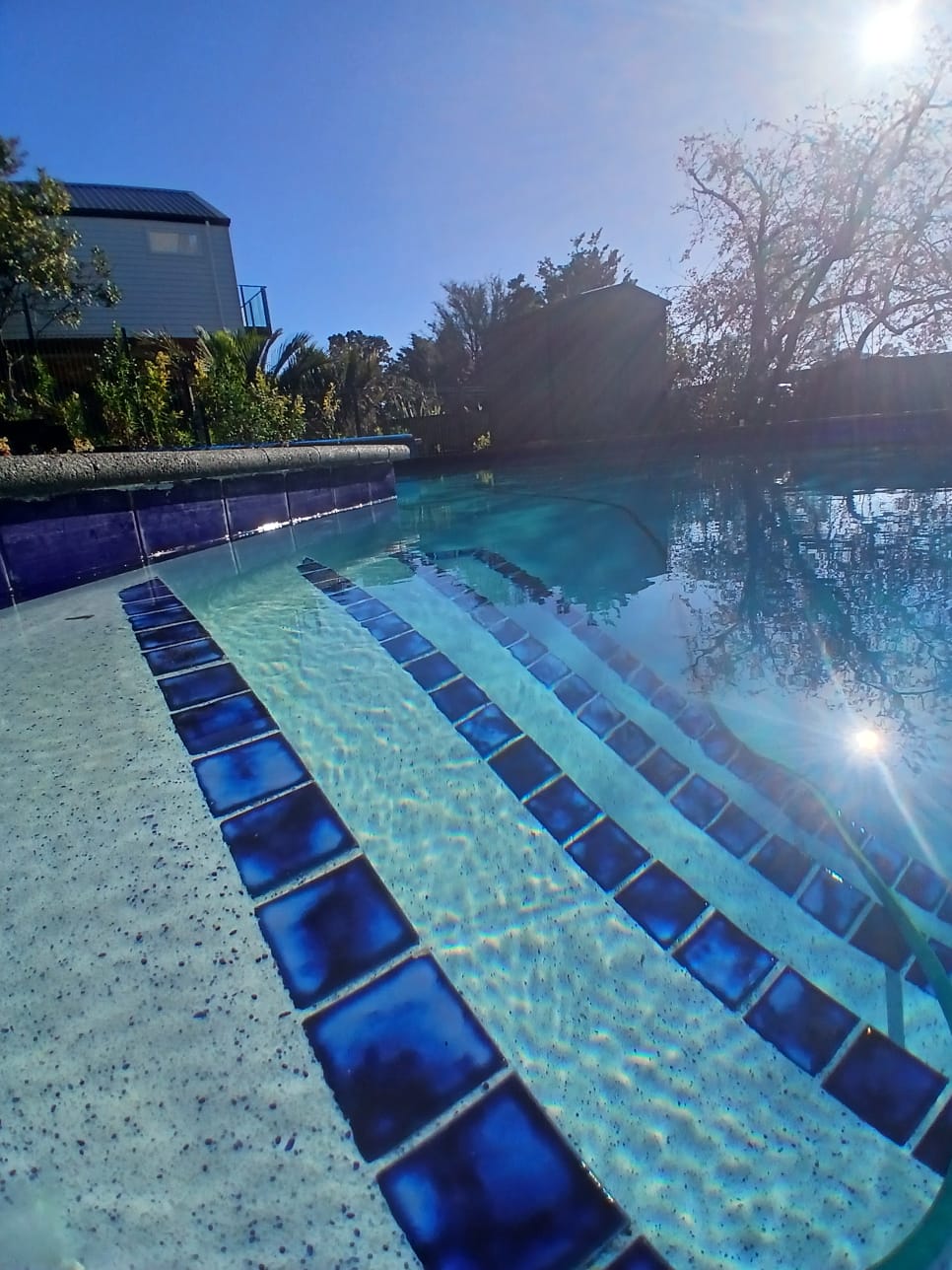
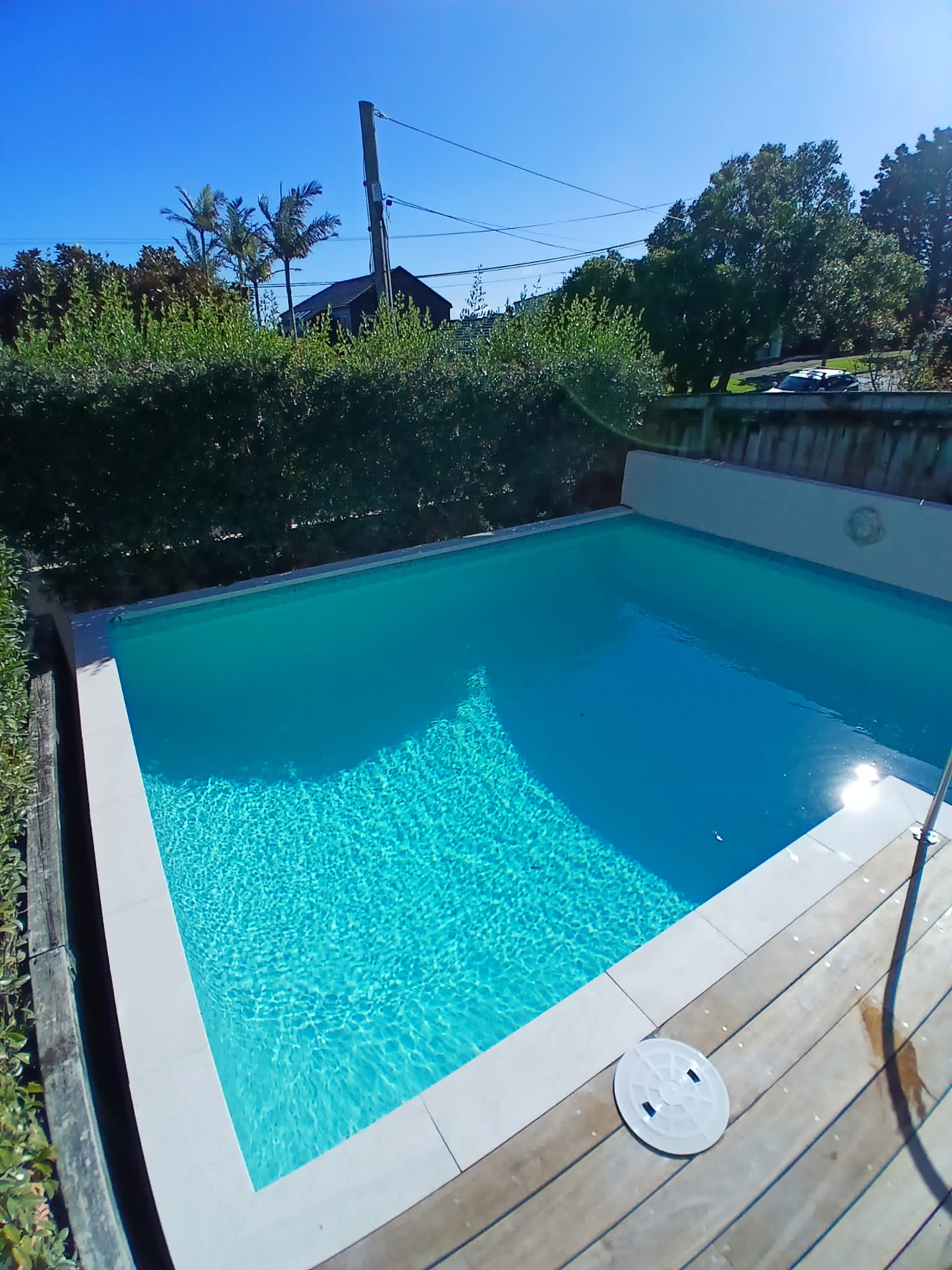
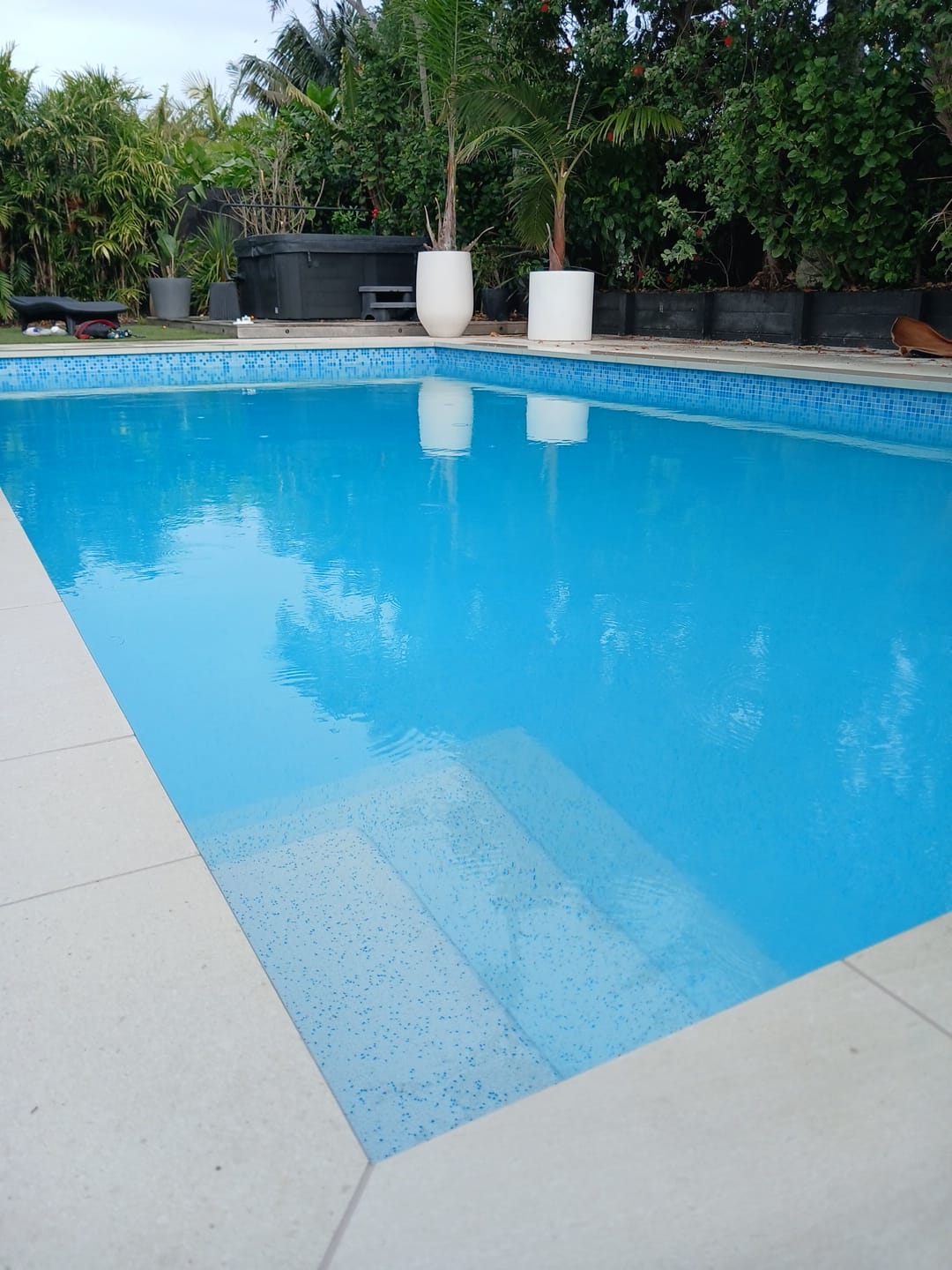
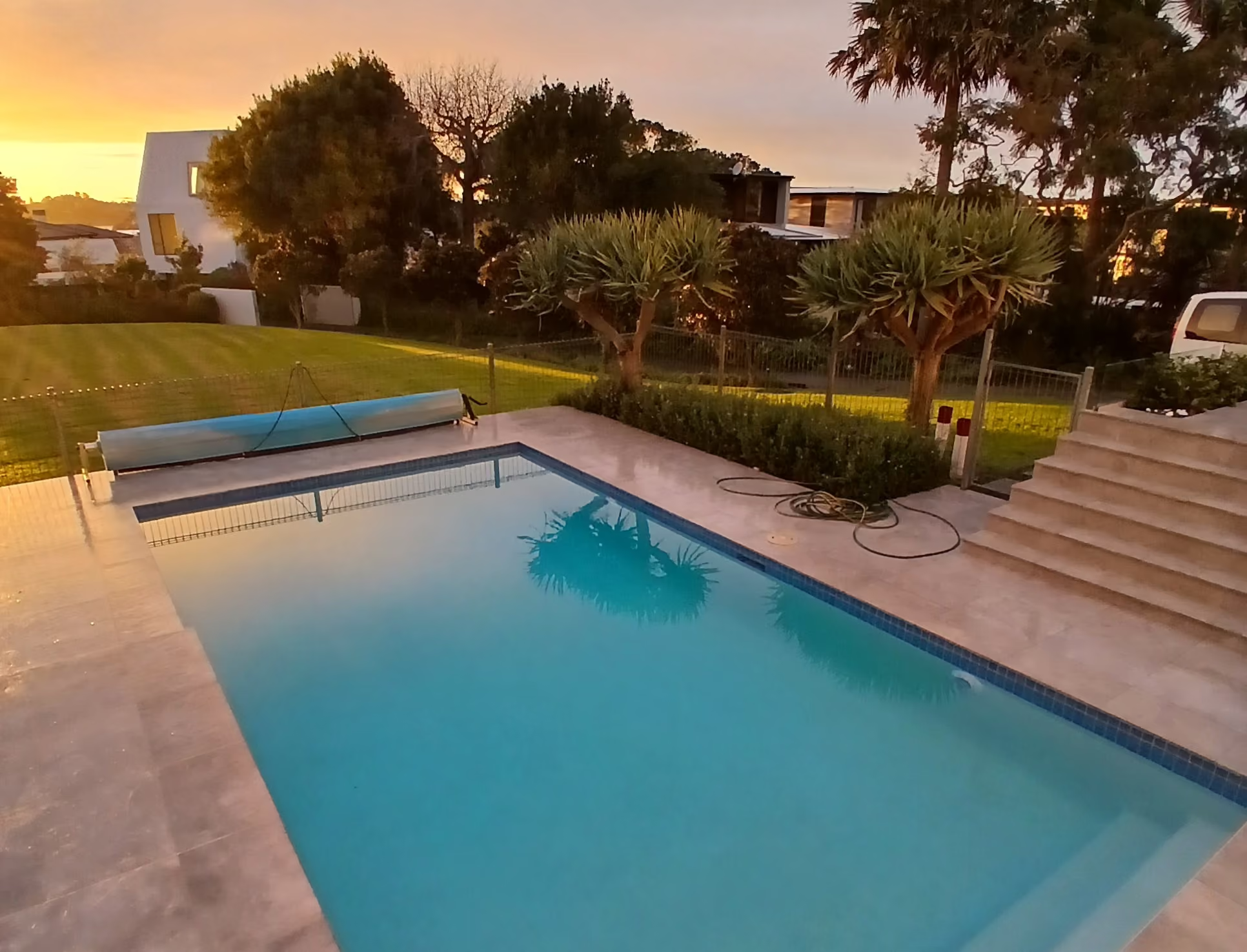
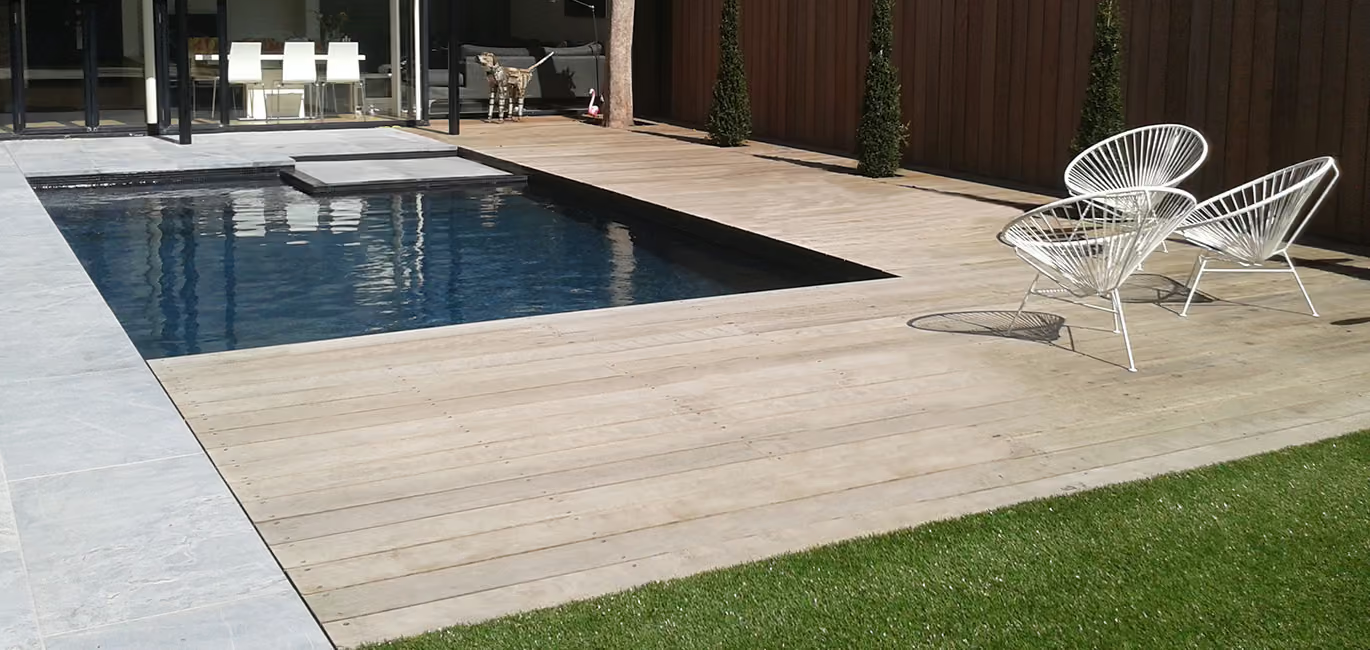
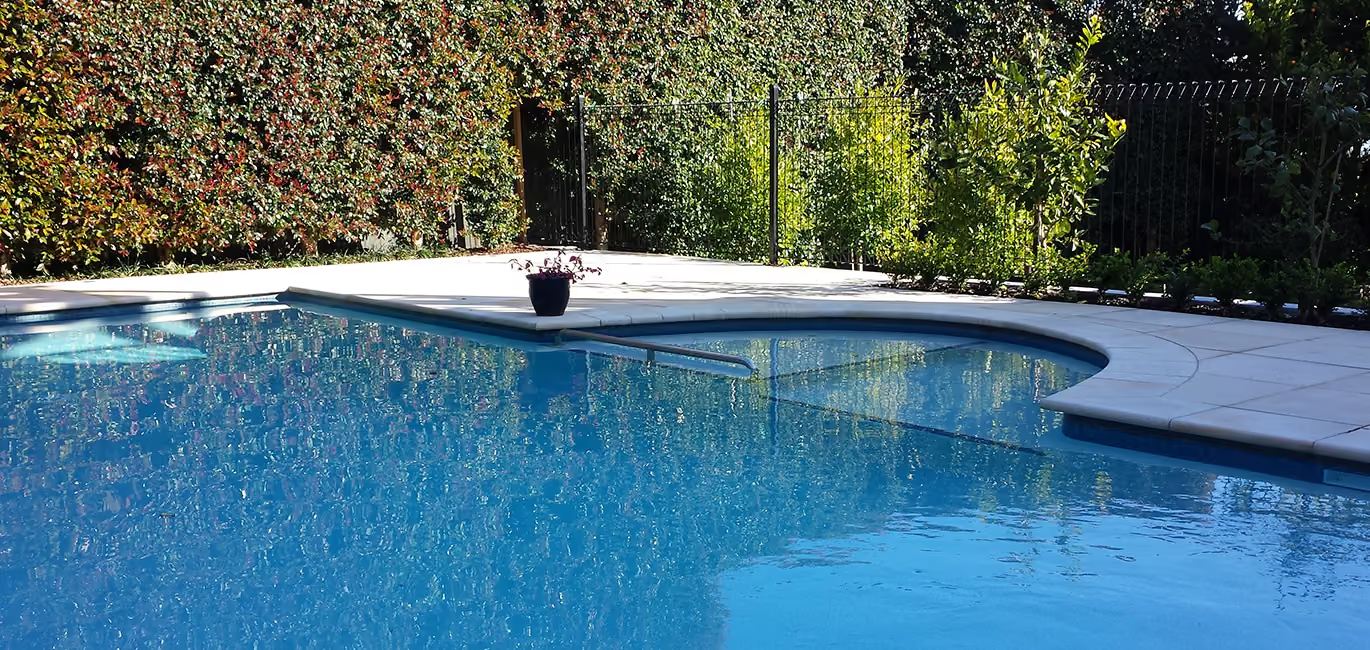
Sparkling Pools has worked on pools across Auckland, including residential renovation projects, equipment upgrades, ongoing maintenance and pool care for managed properties. Past projects show how the right approach can improve presentation, water quality and day-to-day usability. A well-maintained pool is easier to manage, more pleasant to use and better prepared for seasonal changes.
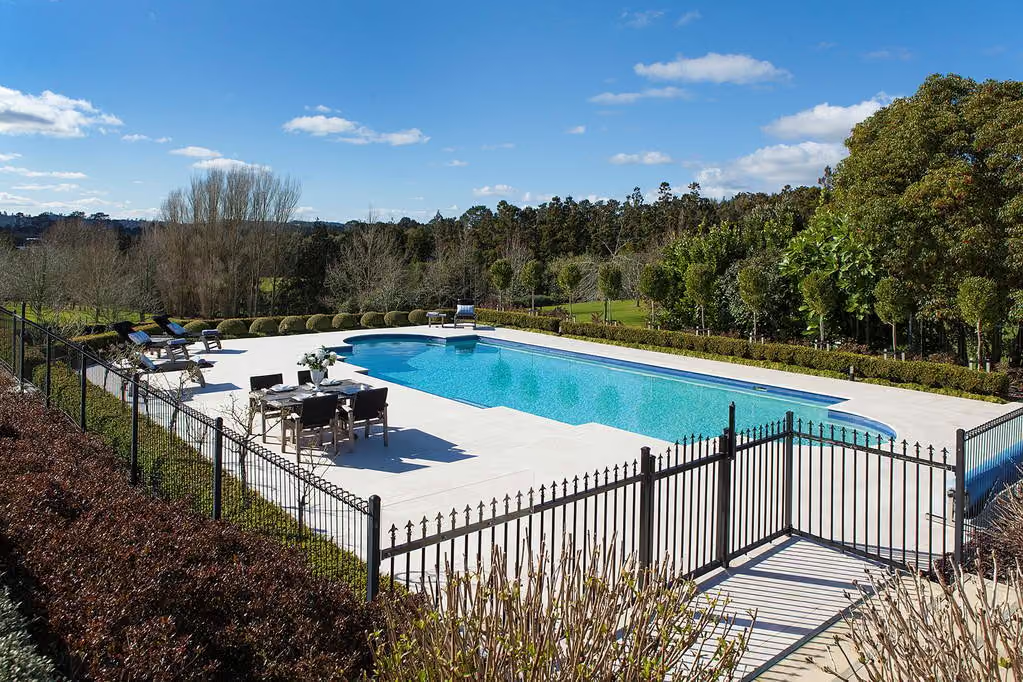
Trusted by Homeowners Across Auckland
Don't just take our word for it. Read what our clients have to say about our transparent communication, reliable service, and stunning pool transformations.
Related Blog Posts
Stay informed on pool care and renovations
Winter pool care essentials for Auckland
Pool Renovation Mistakes

Auckland Climate Pool Maintenance
Choosing Renovation Contractor
Pool Care Auckland Summer
Permits & Consents
Pool Renovation ROI
How Often to Test Pool Water
Pool Renovation Costs
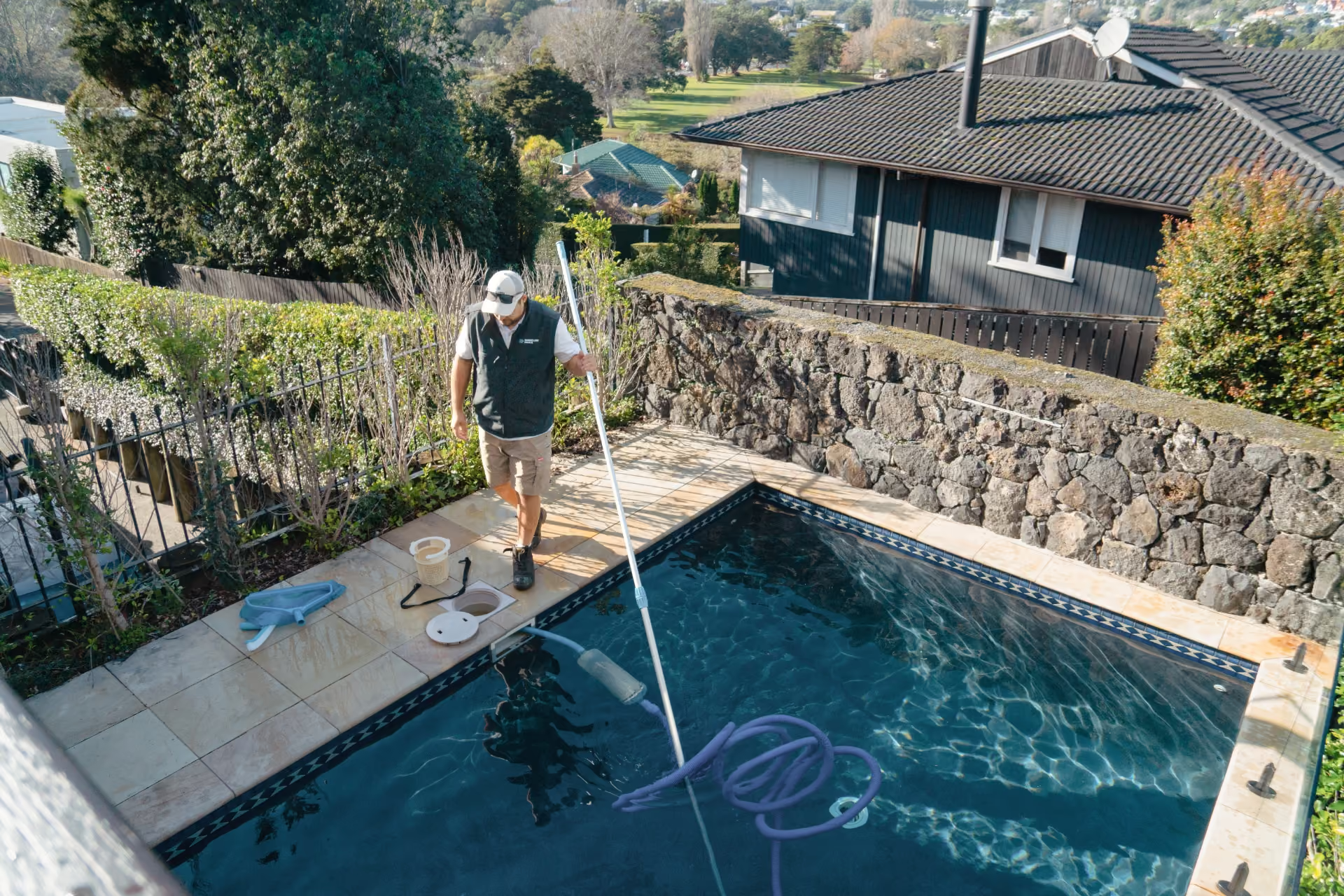
Cost of Pool Service Auckland
Pool Renovation Planning Guide
Pool Lighting Buying Guide
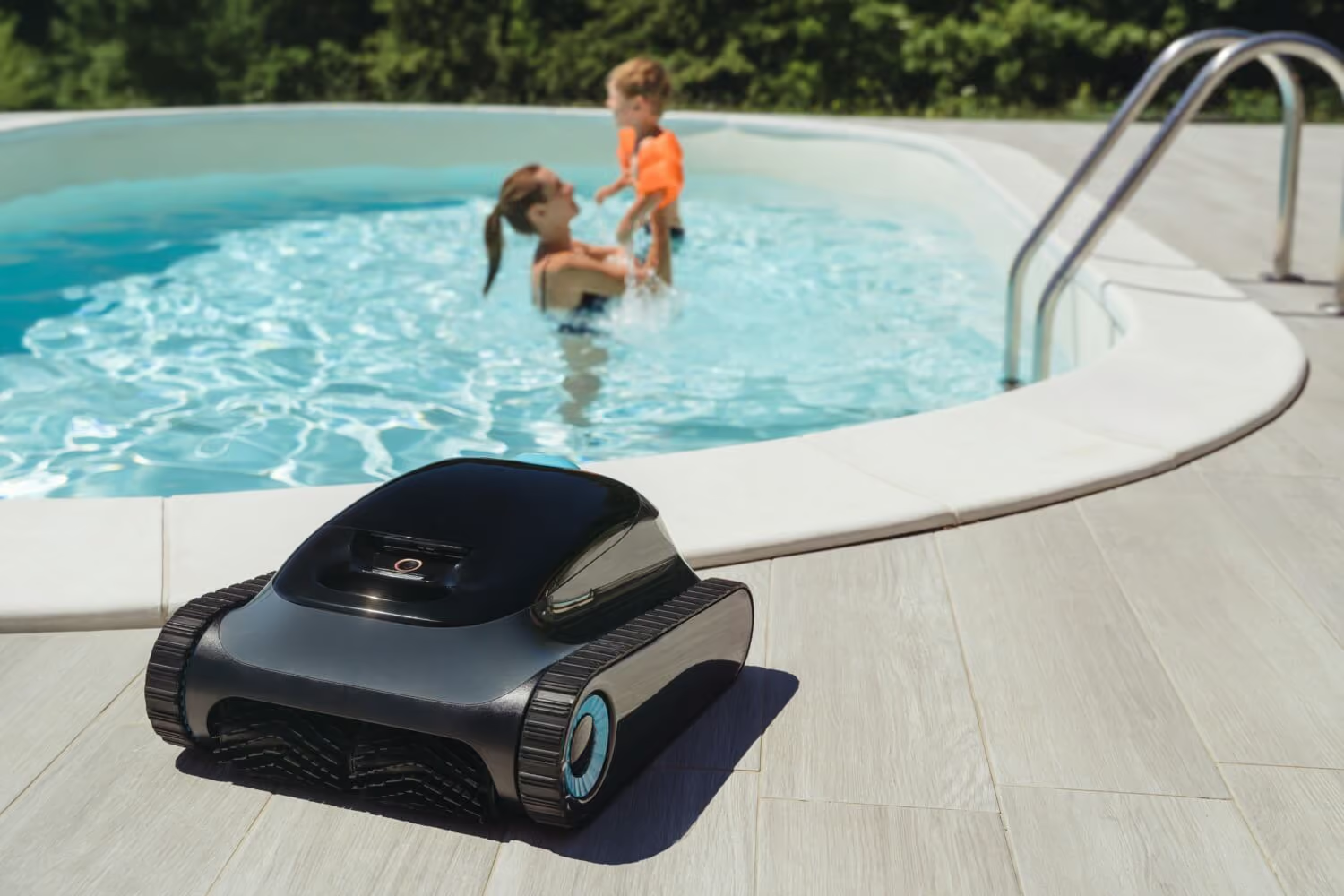
Pool Cleaner Buying Guide
Pool Automation Buying Guide
Pool Heater Buying Guide
Pool Filter Buying Guide
Pool Pump Buying Guide
Best Equipment Auckland Climate
Auckland Water Quality
Auckland Pool Season
Pool Ownership Costs
Common Pool Mistakes
Pool Safety Laws
Pool Inspection Requirements
Pool Fence Compliance
.avif)
Auckland Pool Industry Trends
Auckland Pool Regulations
Pool Equipment Suppliers
Best Pool Service Areas
Pool Service Pricing Analysis
Company vs Independent
Best Pool Surface Materials
Pool Resurfacing Options
Pebble vs Plaster Surfaces
One-Time vs Ongoing Service
Full Service vs Chemicals Only
Pool Cover Types
Robotic vs Suction Cleaners
Mineral vs Saltwater
Gas vs Heat Pump
Pool Heater Types
Pool Winterizing Guide Auckland
Pool Opening Guide Summer
Pool Maintenance After Heavy Rain
Pool Maintenance Schedule
How Often to Run Pool Filter
Pool Pump Maintenance Schedule
Pool Filter Cartridge Cleaning
Pool Equipment Maintenance Checklist
Pool Waterline Cleaning
Pool Skimmer Basket Cleaning
Pool Chlorine Levels
How Often Clean Pool Filter
How to Vacuum Pool
Pool Brushing Technique
Pool Chemical Dosing Chart
Pool Water Chemistry Basics
How to Balance Pool Chemistry
How to Test Pool Water
Pool Maintenance Tips
Complete Pool Maintenance Guide
Pool Service ROI
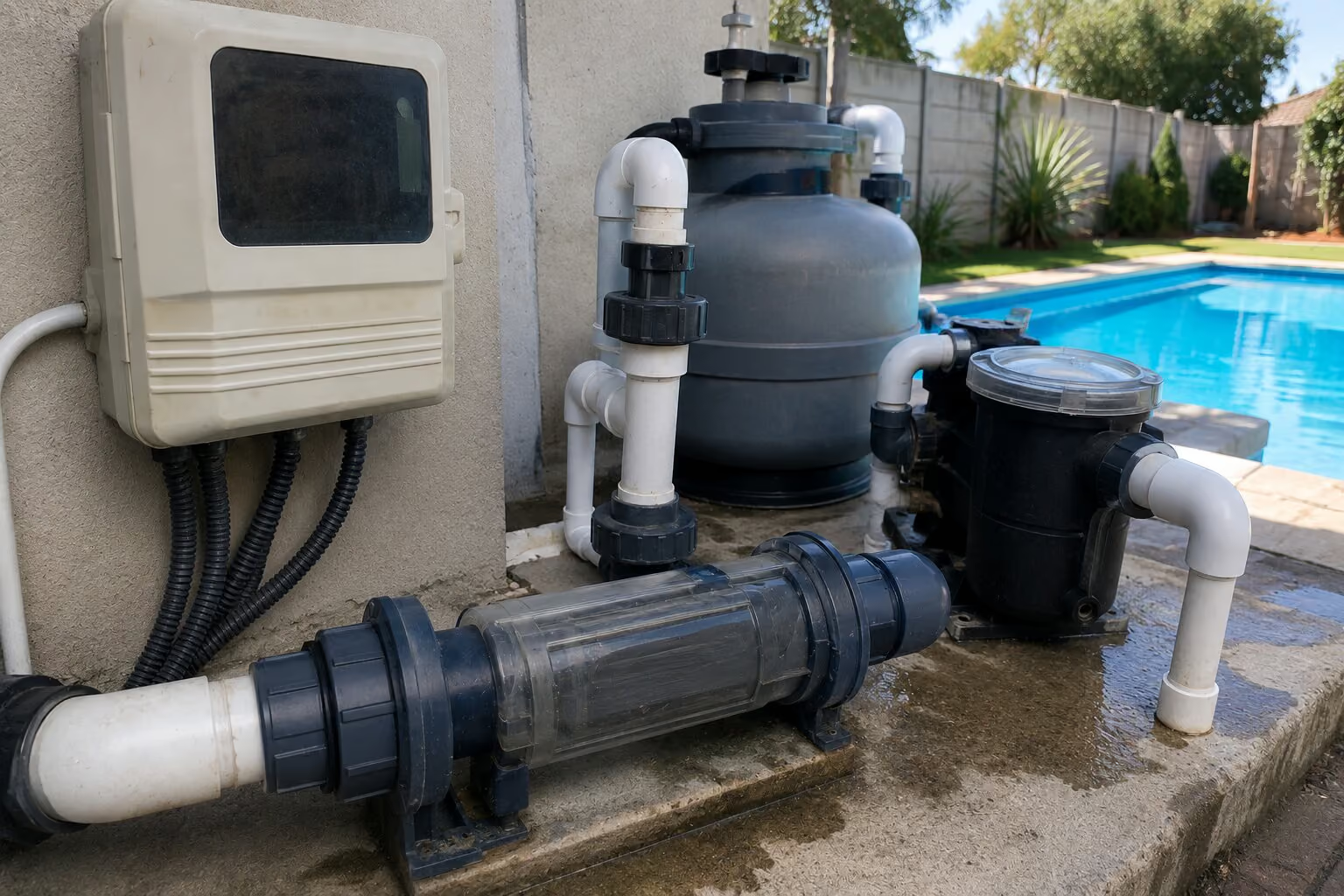
Pool Equipment Buy or Service
Pool Maintenance Time Requirements
DIY vs Professional
Pool Service Contract
Pool Service vs Pool Valet
Is Pool Service Worth It
Pool Service Guarantees
Pool Service Reviews
Pool Service Red Flags
Questions to Ask Pool Companies
How to Choose Pool Service Company
Hidden Costs DIY Maintenance
Pool Cleaning Prices Auckland
Cost of Pool Resurfacing
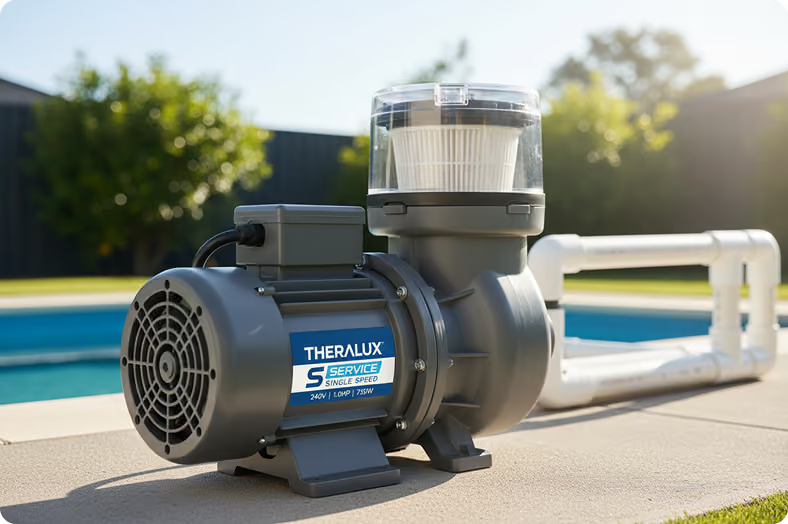
Cost of Pool Pump Replacement
Cost to Fix Green Pool
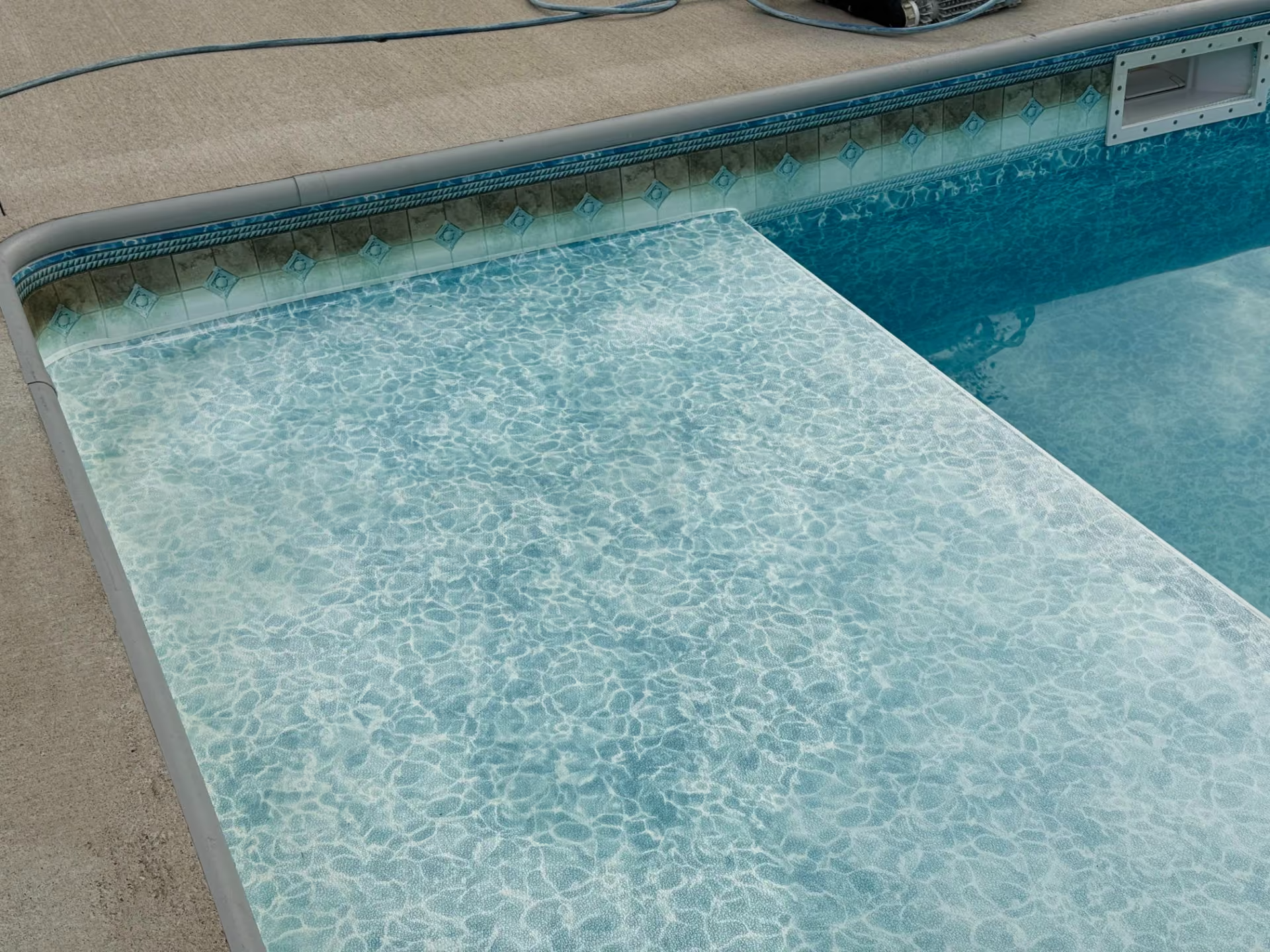
Pool Liner Wrinkles
Pool Cracks When to Worry
Pool Surface Stains
Pool Valve Leaking
Pool Automation Not Working
Pool Light Not Working
Pool Heater Not Heating
Pool Skimmer Not Working
High Pool Filter Pressure
Pool Losing Water
Pool Filter Not Clearing Water
Pool Pump Leaking
Pool Pump Not Pumping
Pool Pump Losing Prime
Pool Pump Noisy
Pool Pump Not Working
Pool Water Foaming
Pool pH Too Low
Pool pH Too High
Green Pool After Rain
Pool Still Green After Shock
Pool Water Cloudy
How to Clear a Green Pool
Pool Care That Protects Your Investment
Good pool care protects more than appearance. Our pool specialists support the long-term condition of your swimming pool while keeping it ready for everyday use.